Birds in East Sussex
Explore 217 species found in this region.
East Sussex is home to an impressive diversity of birdlife, with 212 species recorded across its varied landscapes of chalk downland, ancient woodland, coastal marshes, and shingle beaches. From the iconic white cliffs at Beachy Head — a renowned migration hotspot — to the wetlands of Pevensey Levels and the reedbeds of Rye Harbour, the county offers outstanding birding opportunities year-round. Notable species include the Dotterel on passage, wintering Great Grey Shrike, breeding Northern Lapwing, and the elegant Eurasian Woodcock in the county's woodlands.
Visiting in April? Look out for Arctic Jaeger and Arctic Tern arriving this month, and Brambling and Eurasian Spoonbill depart for the season.


Showing 1–23 of 217 species
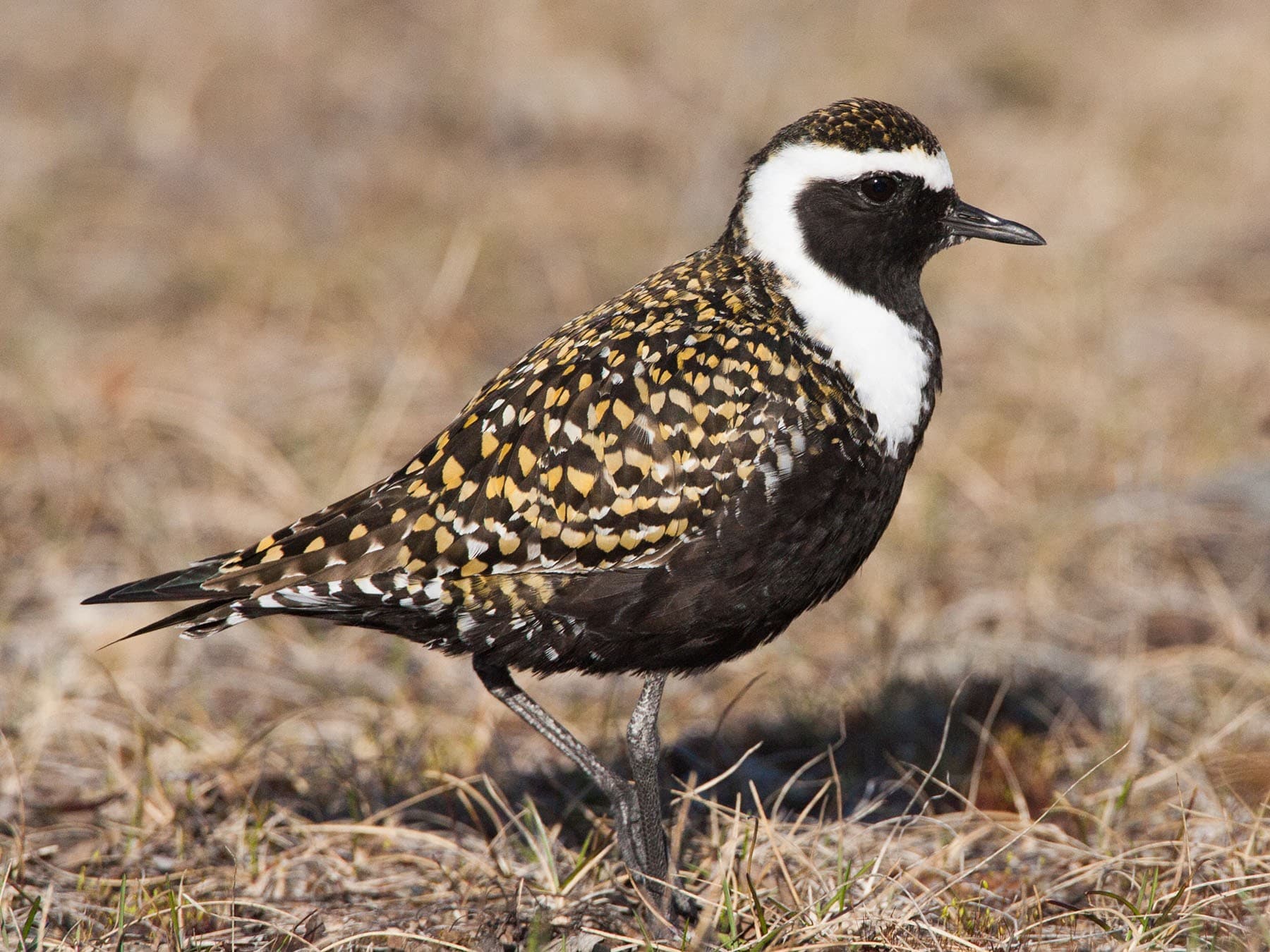
American Golden-Plover
Pluvialis dominicaLC
An extremely rare transatlantic vagrant, occasionally recorded in September. Any sighting on coastal fields or marshes is a notable county event.
Sep
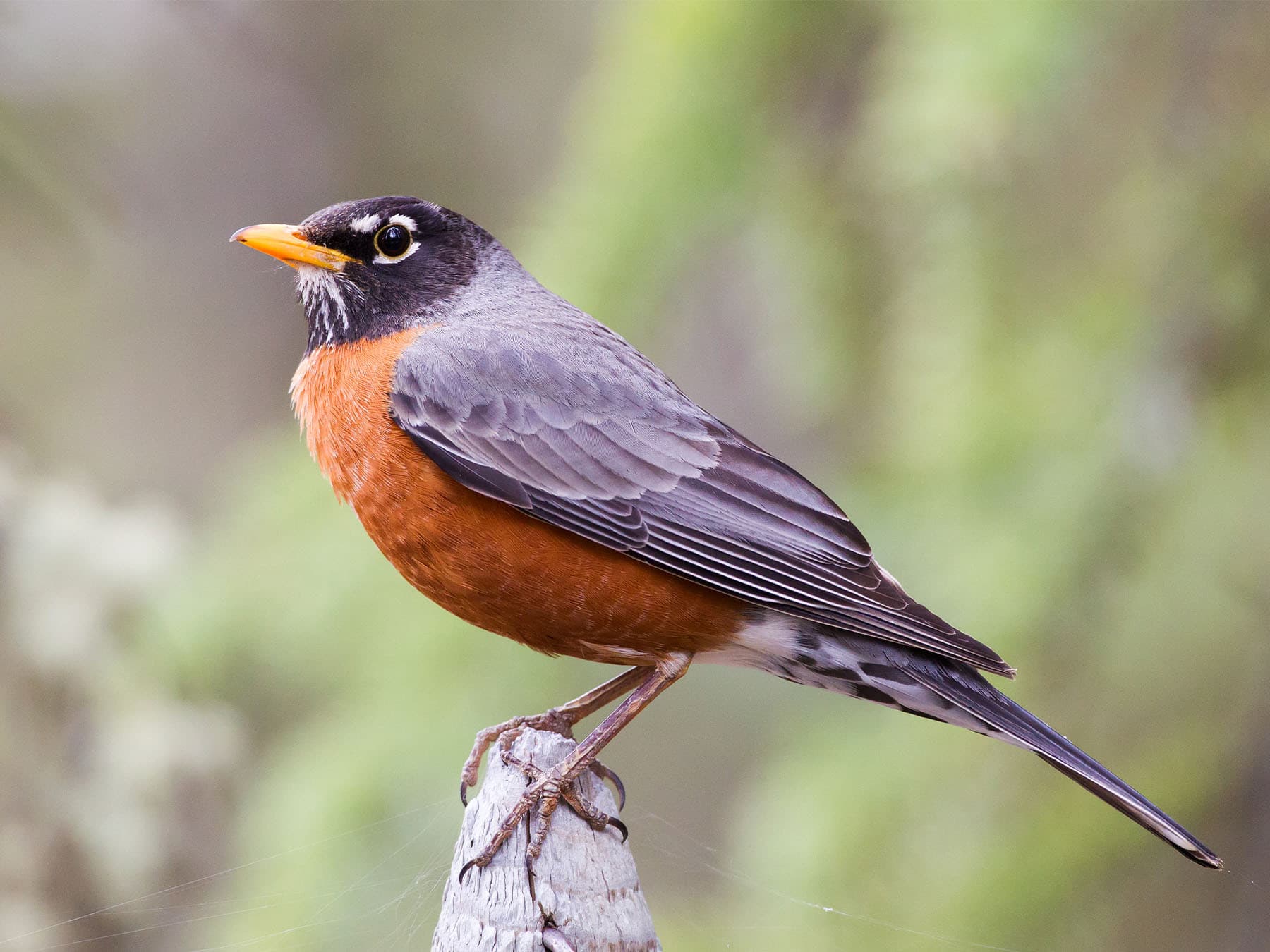
American Robin
Turdus migratoriusLC
A rare Nearctic vagrant, occasionally recorded as a winter wanderer. Sightings in February make for exciting local finds.
Feb
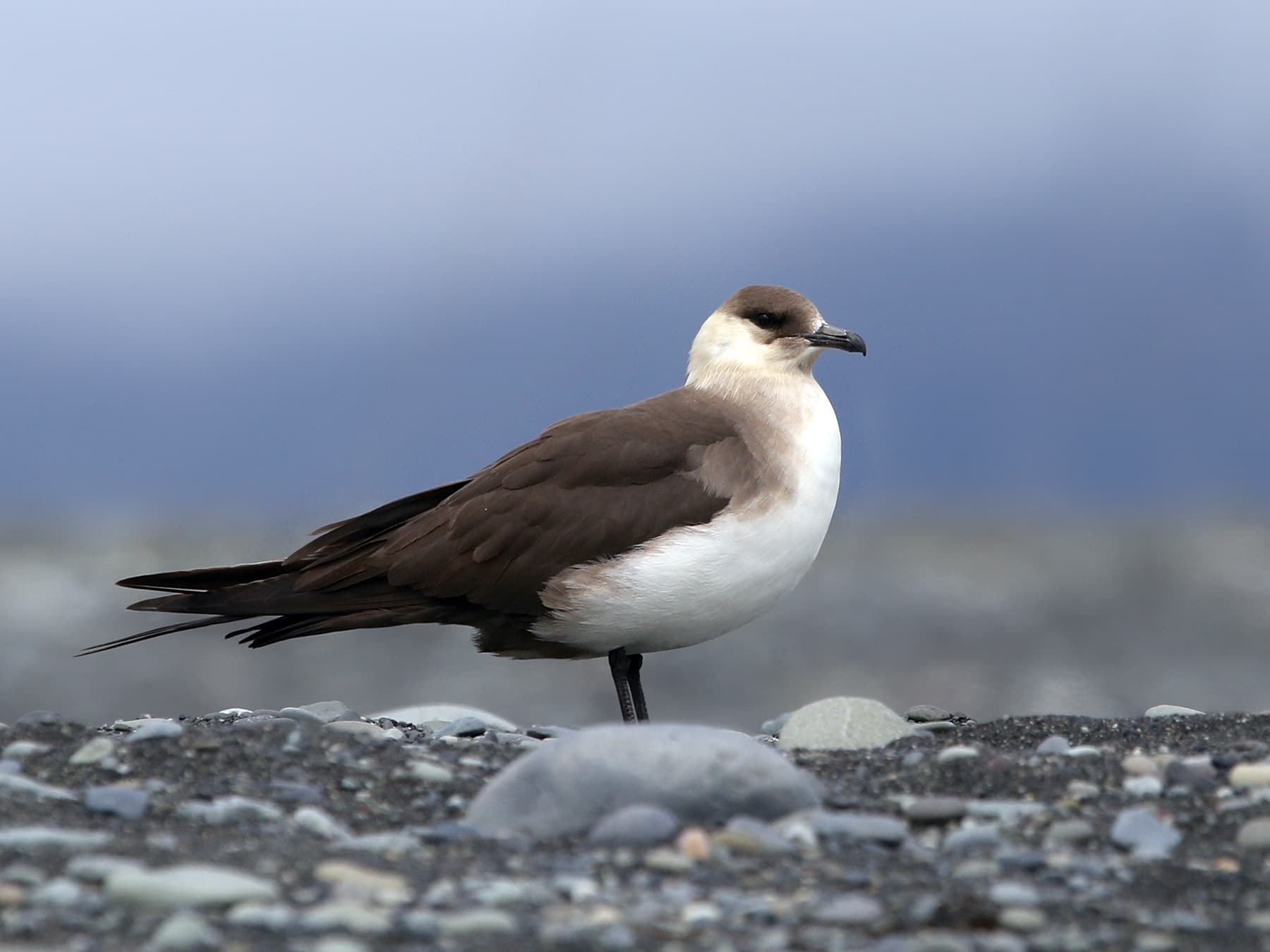
Arctic Jaeger
Stercorarius parasiticusLC
A rare passage migrant seen offshore in spring and autumn, often harassing terns and gulls. Best spotted during seawatches from Beachy Head.
Apr–Sep
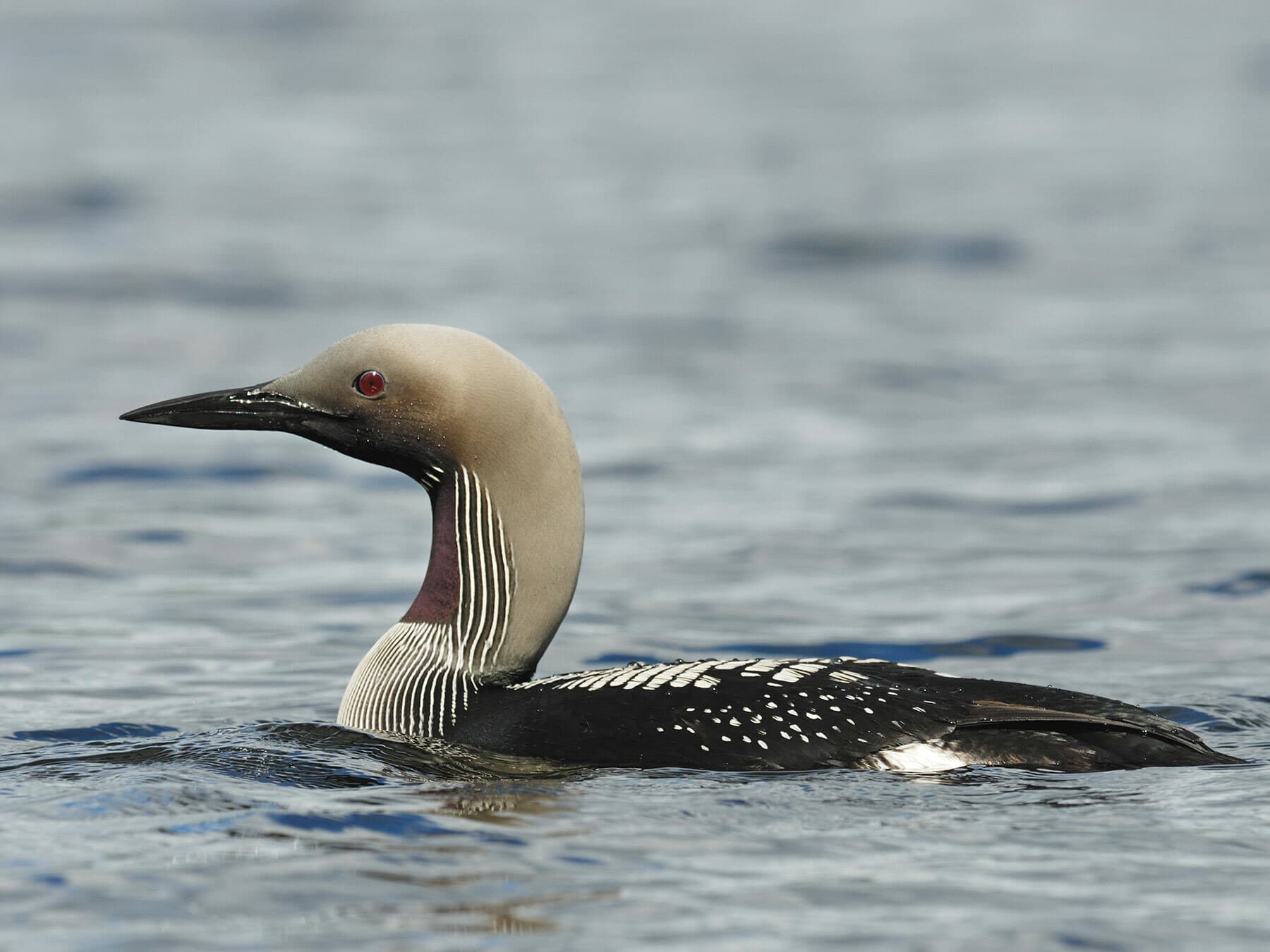
Arctic Loon
Gavia arcticaLC
A rare visitor to inshore coastal waters, mainly in winter and spring. Occasionally seen during seawatches from Beachy Head.
Dec–May
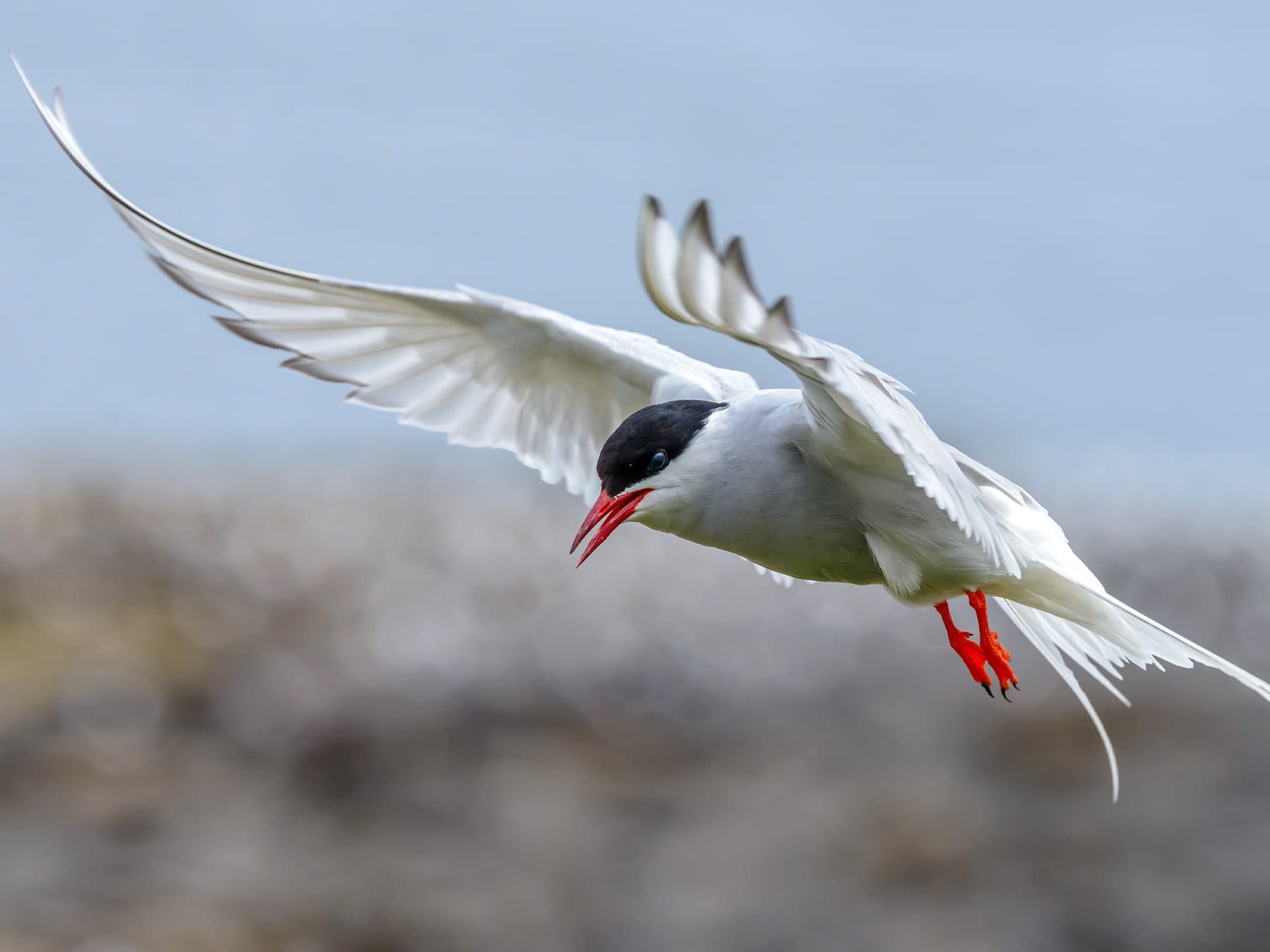
Arctic Tern
Sterna paradisaeaLC
A rare spring passage migrant seen offshore during seawatches in April and May, often mixed with Common Tern flocks.
Apr–May
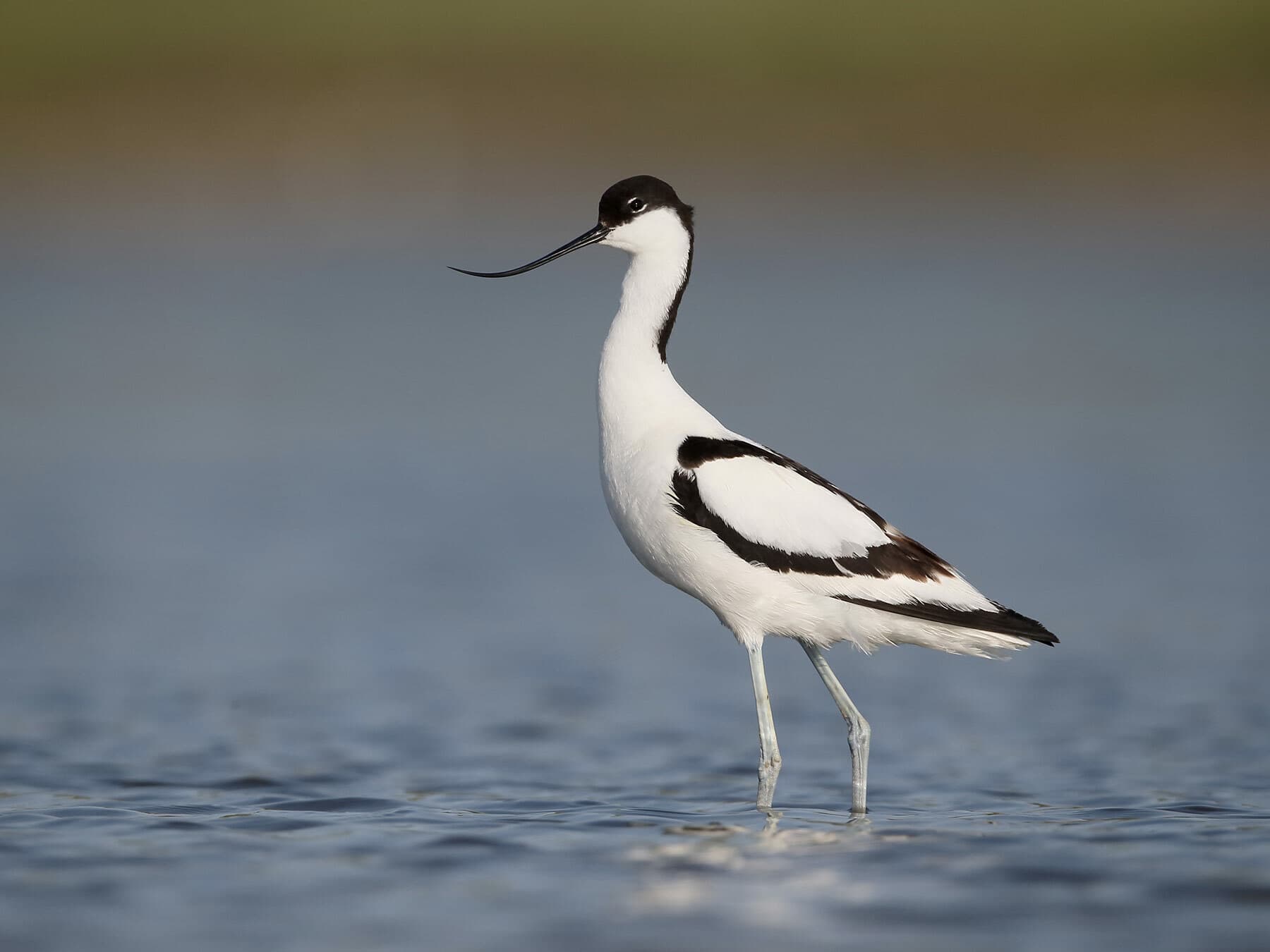
Avocet
Recurvirostra avosettaLC
An elegant wader found year-round at coastal lagoons and marshes. Numbers have increased in recent decades, with Rye Harbour a key breeding and wintering site.
Year-round
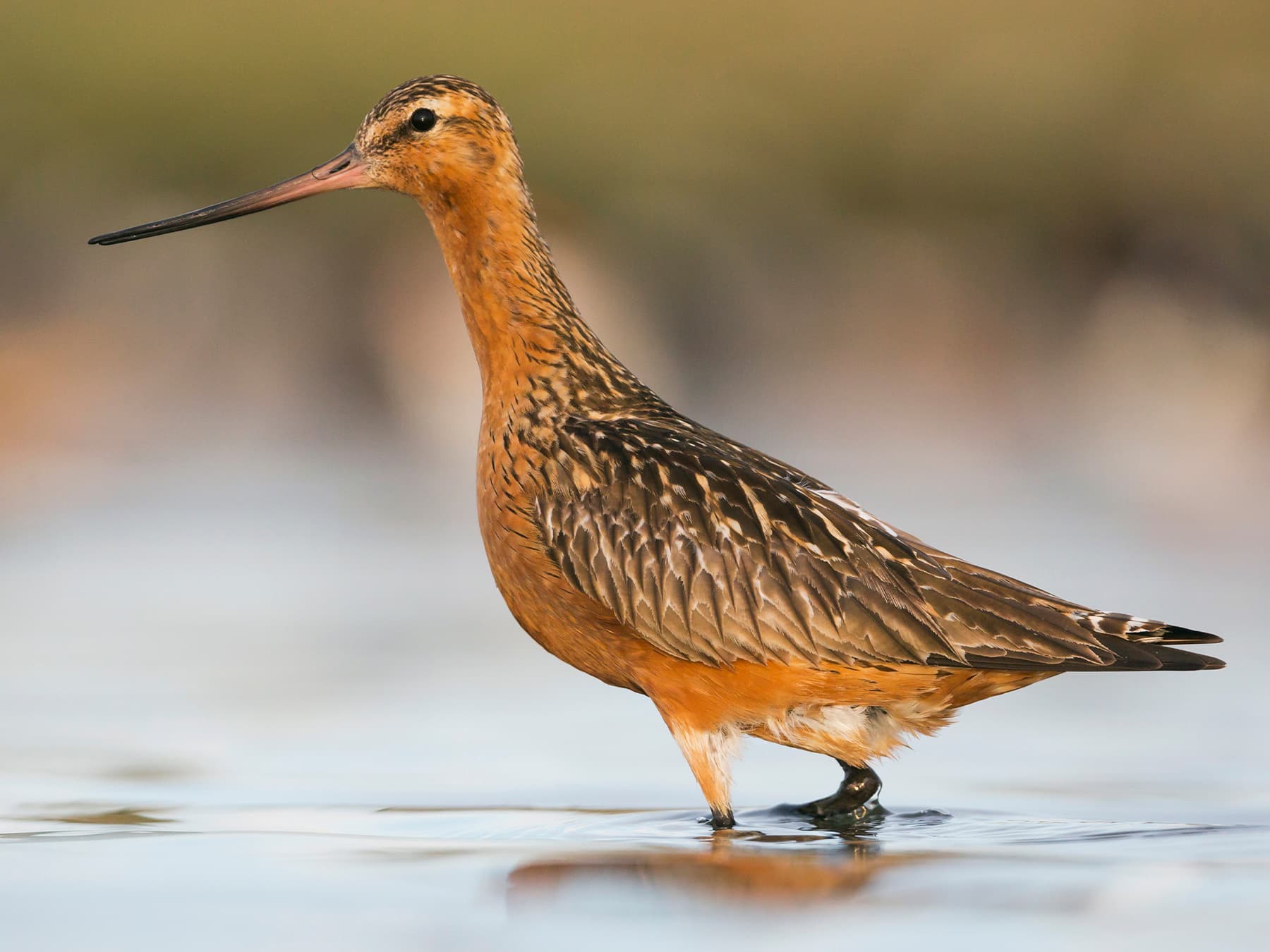
Bar-tailed Godwit
Limosa lapponicaNT
A rare but regular visitor to coastal mudflats and estuaries, with passage peaks in spring and autumn. Favours the Cuckmere and Rye areas.
Mar–Jan
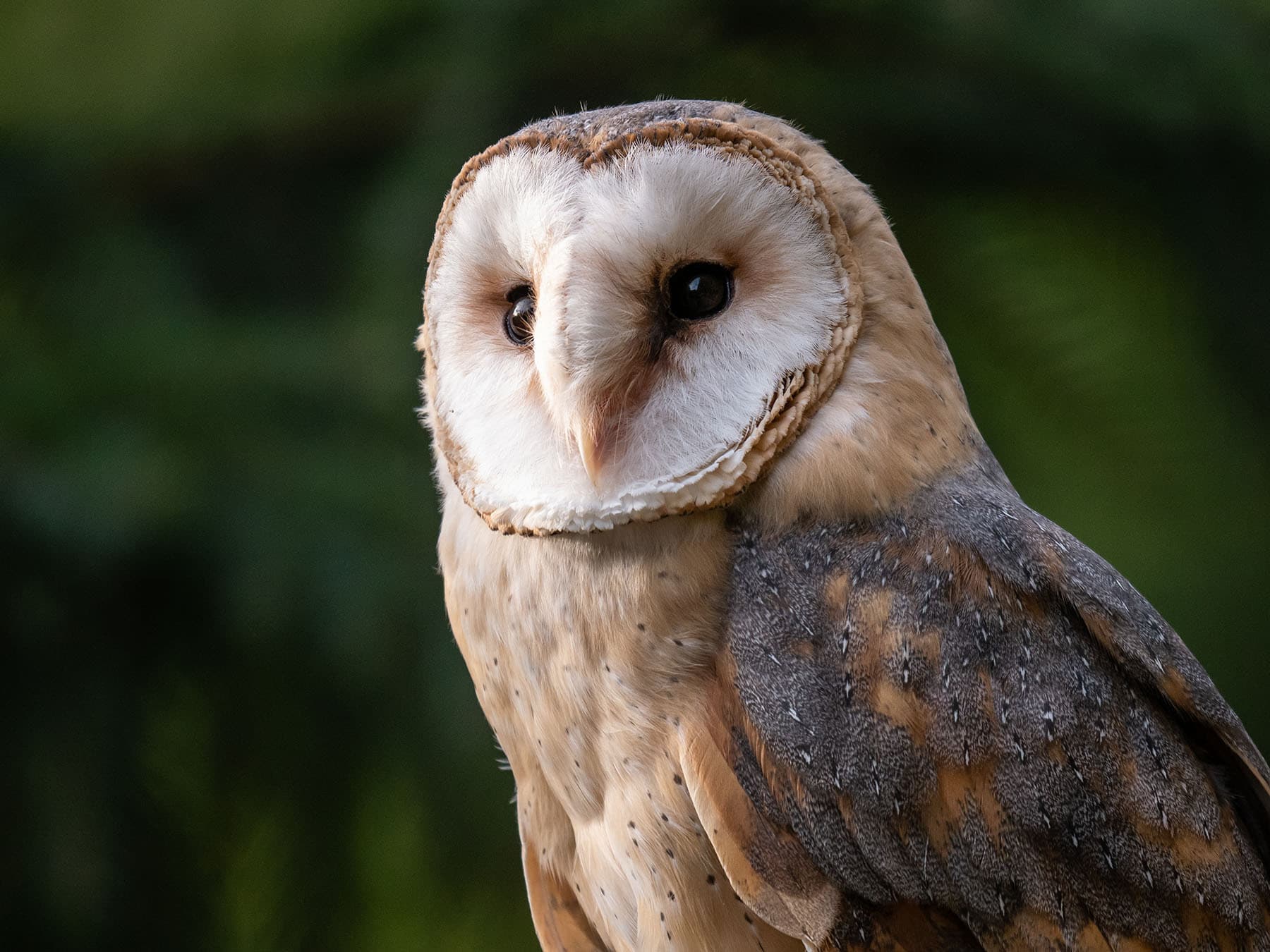
Barn Owl
Tyto albaLC
A rare resident of farmland and marshes, hunting silently at dusk over the Pevensey Levels and downland field margins.
Nov–Sep
Spotted something?
Upload a photo to identify it
Identify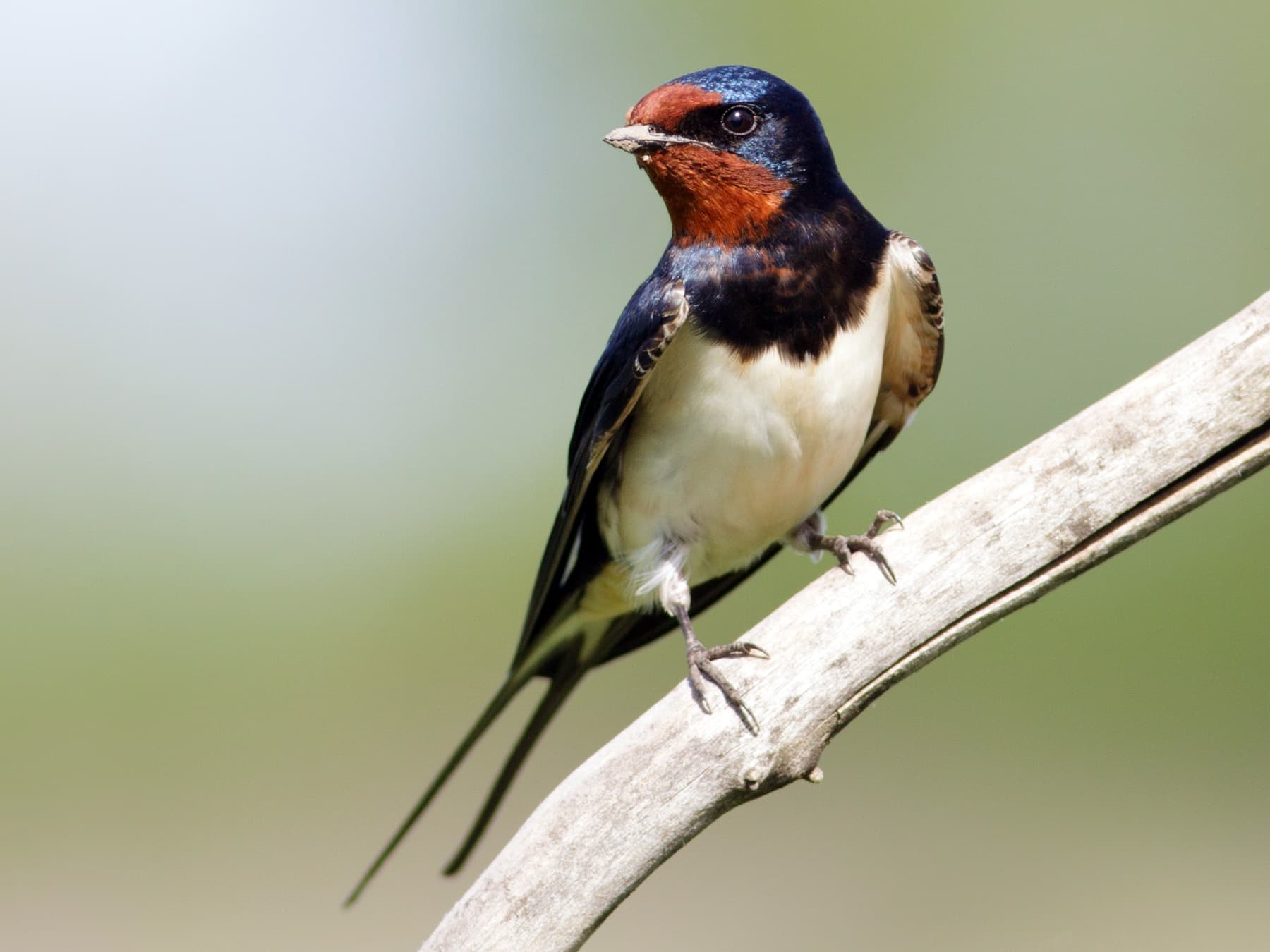
Barn Swallow
Hirundo rusticaLC
A common summer breeder arriving from March, nesting in barns and outbuildings across the Low Weald. Gathers in large pre-migration flocks in autumn.
Mar–Nov
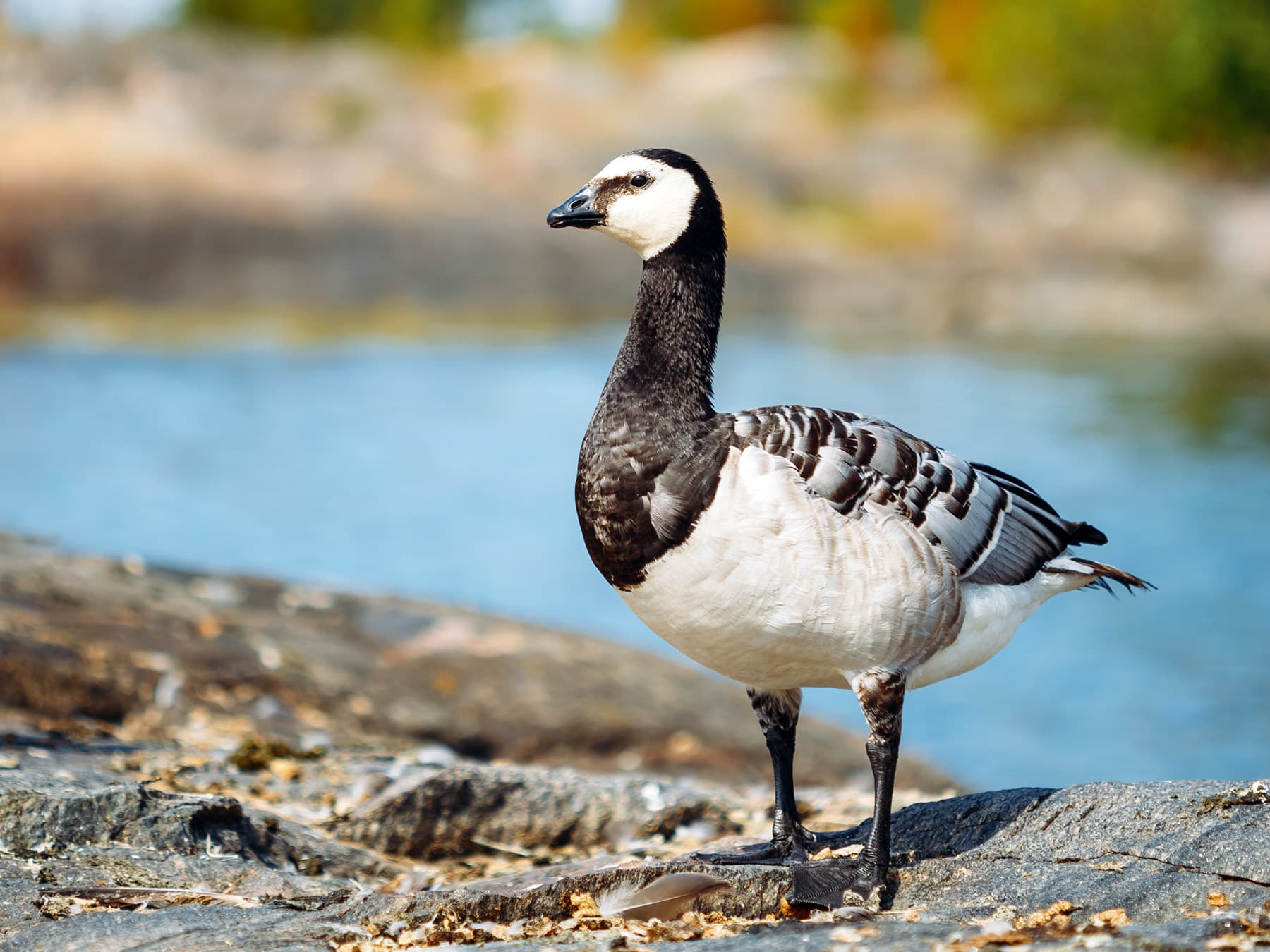
Barnacle Goose
Branta leucopsisLC
A rare resident, with feral birds present on coastal marshes and reservoirs. Numbers increase in autumn and winter with possible wild arrivals.
Sep–May
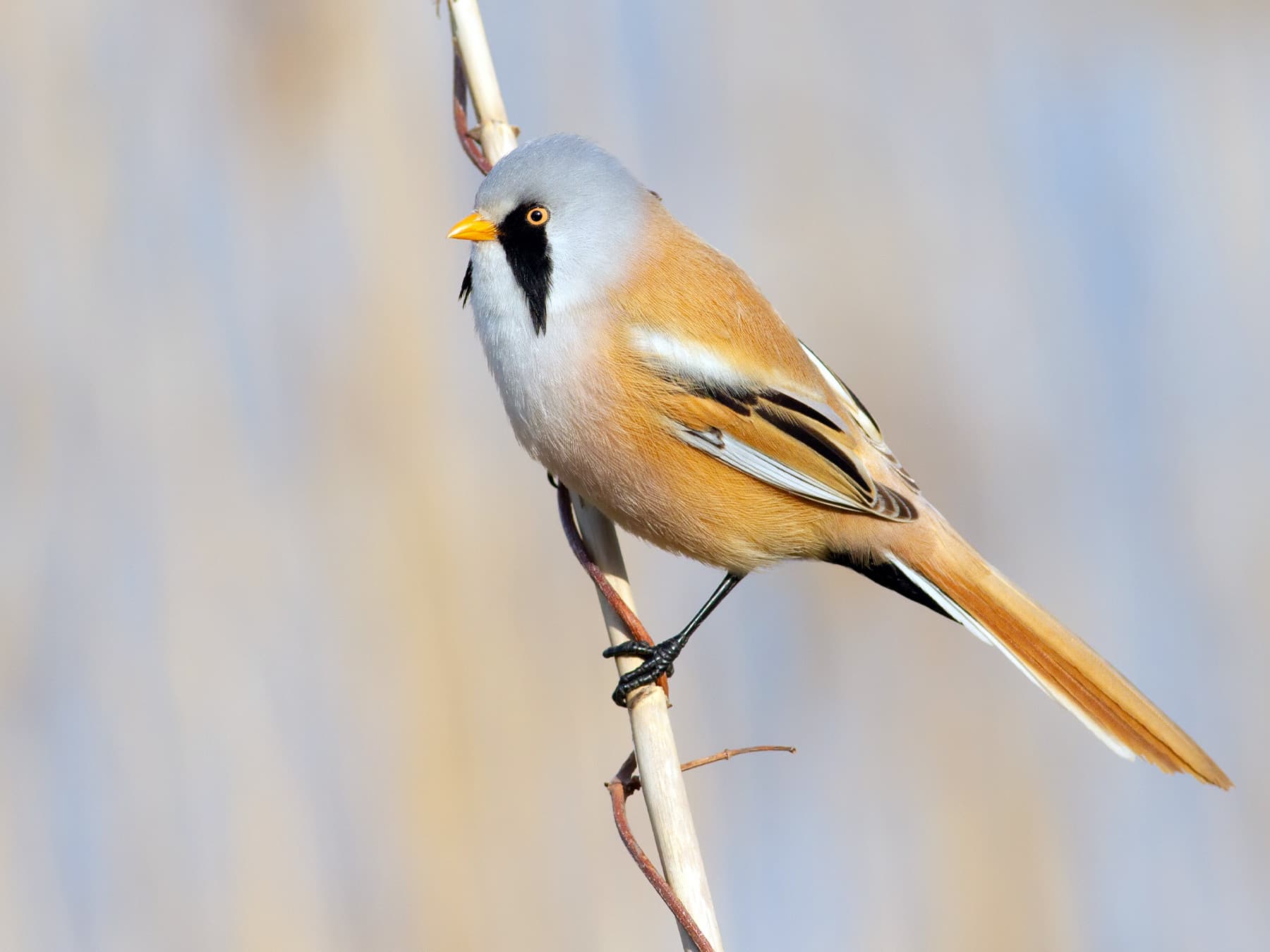
Bearded Tit
Panurus biarmicusLC
A rare but prized resident of extensive reedbeds, with sites like Rye Harbour offering the best chances. Listen for its distinctive pinging call.
Year-round
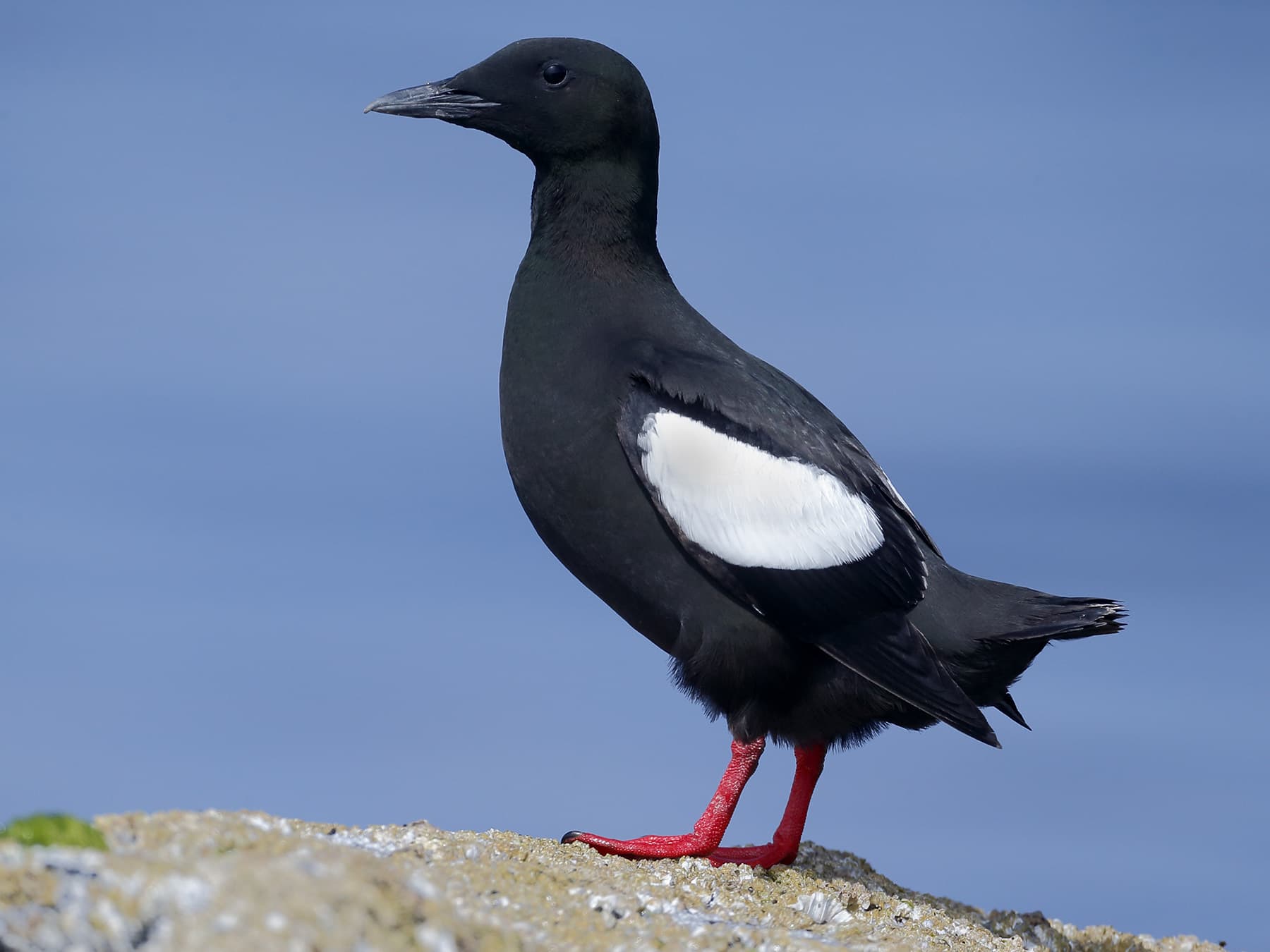
Black Guillemot
Cepphus grylleLC
A very rare visitor to inshore waters, occasionally recorded in winter. Well south of its usual breeding range in northern Britain.
Dec
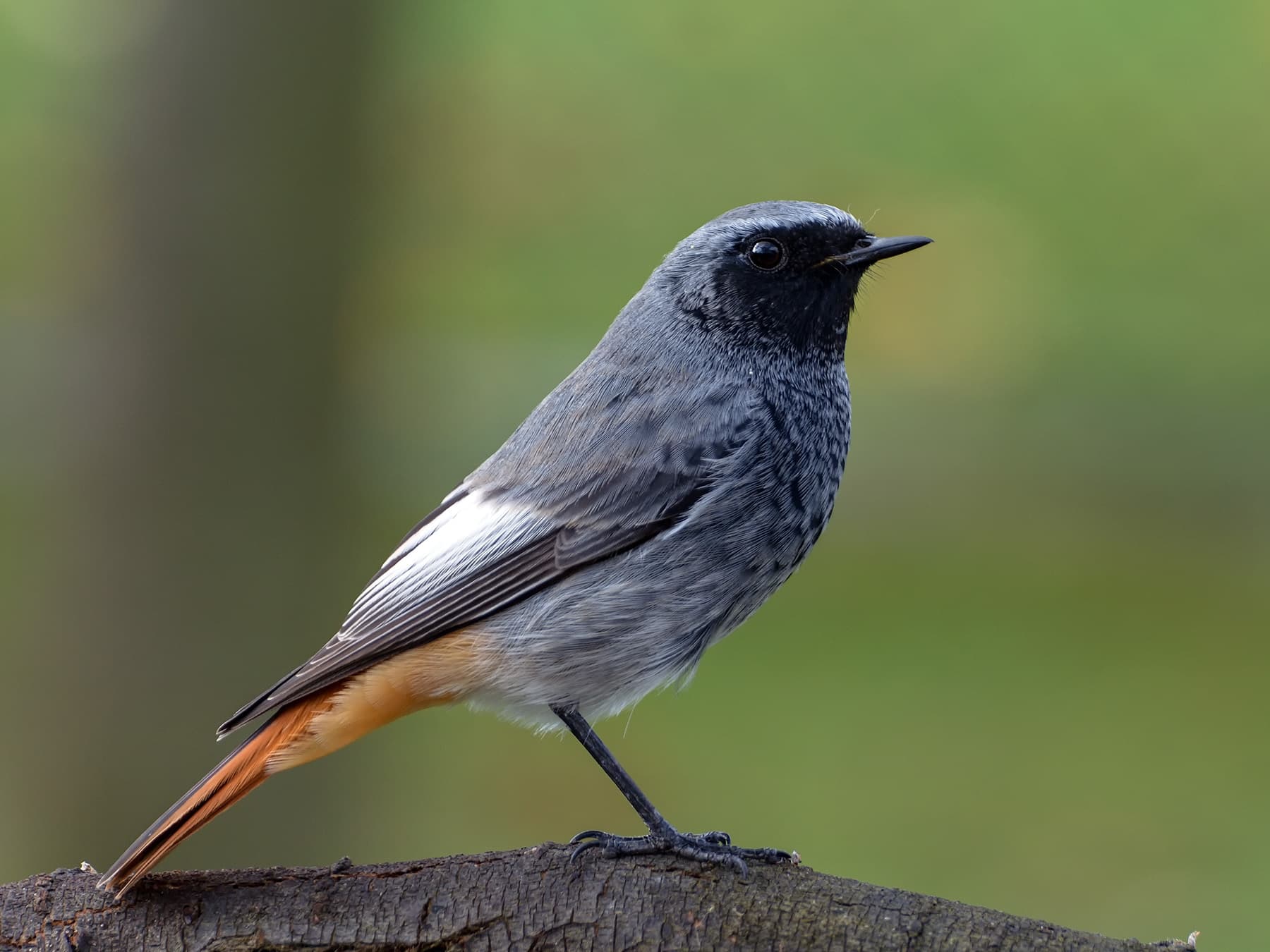
Black Redstart
Phoenicurus ochrurosLC
A rare winter visitor favouring coastal cliffs and buildings around Brighton and Beachy Head from October to early spring.
Oct–Apr
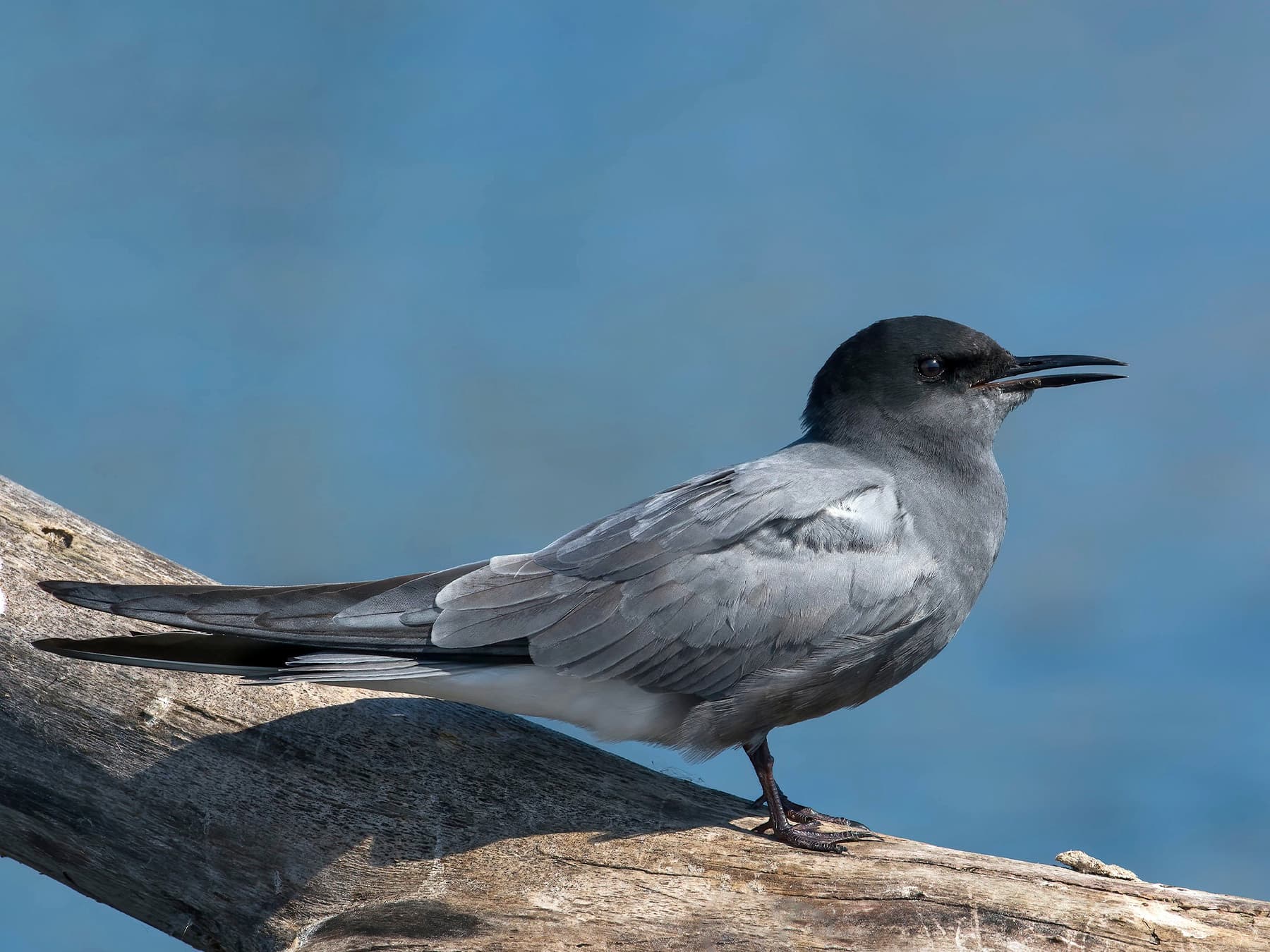
Black Tern
Chlidonias nigerLC
A rare passage visitor in May and September, occasionally seen hawking over coastal lagoons and reservoirs such as Arlington or Bewl Water.
May–Sep
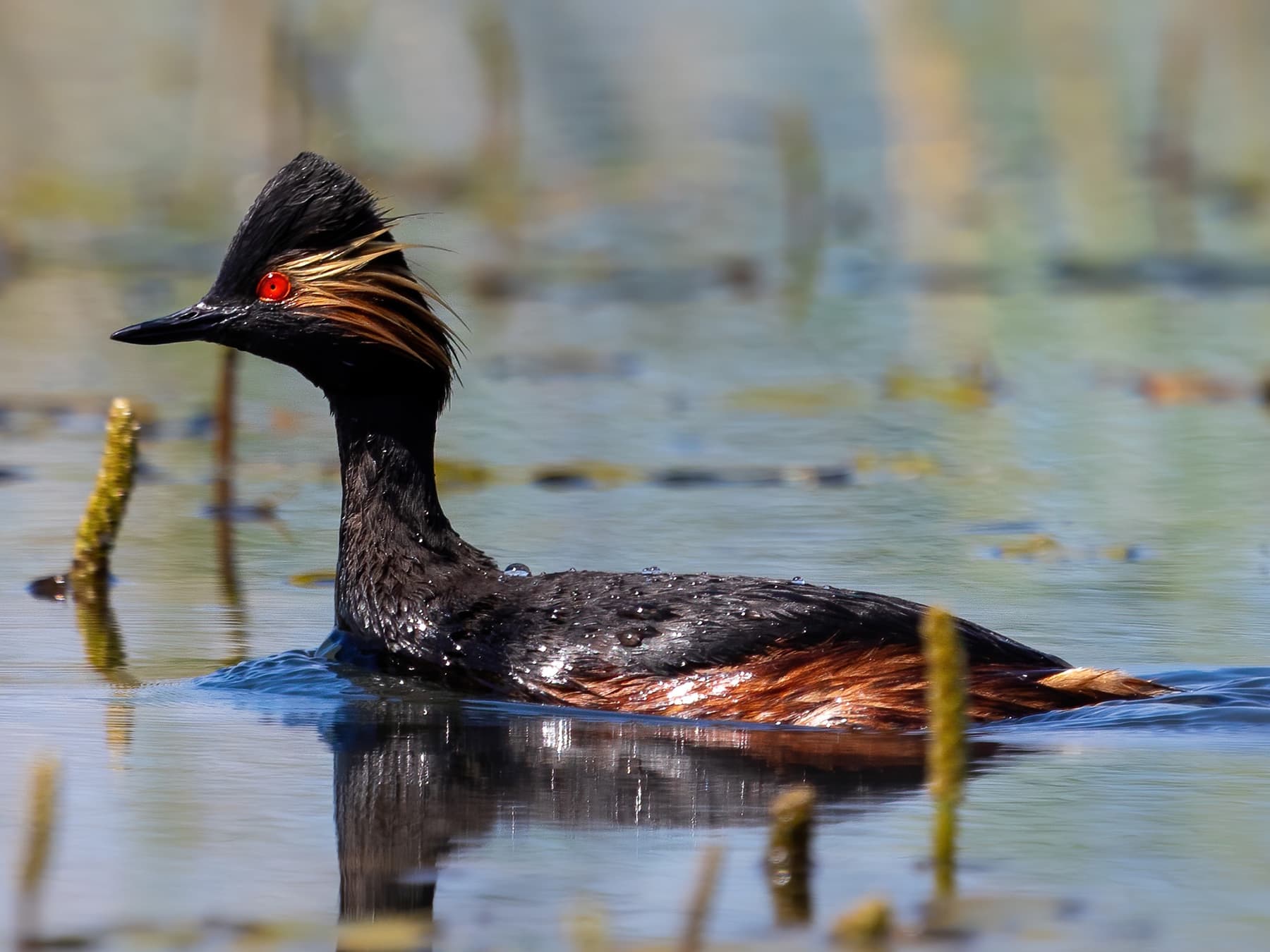
Black-necked Grebe
Podiceps nigricollisLC
A rare but near year-round presence on sheltered coastal waters and reservoirs. Numbers are small, with a brief gap in midsummer.
Jul–May
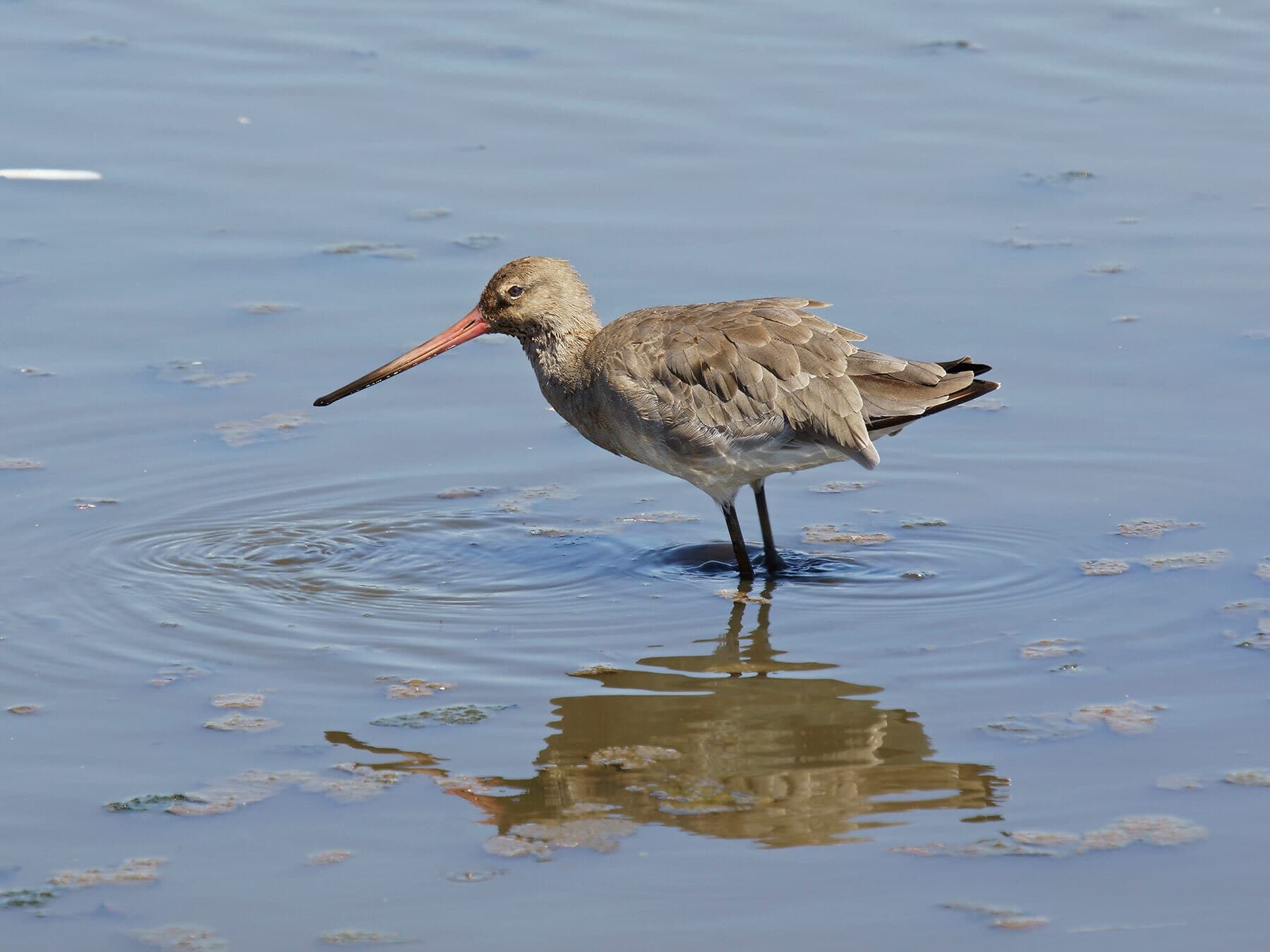
Black-tailed Godwit
Limosa limosaNT
A rare but increasingly regular wader at coastal pools and grazing marshes. Rye Harbour and the Pevensey Levels offer the best chances of sightings.
Mar–Jan
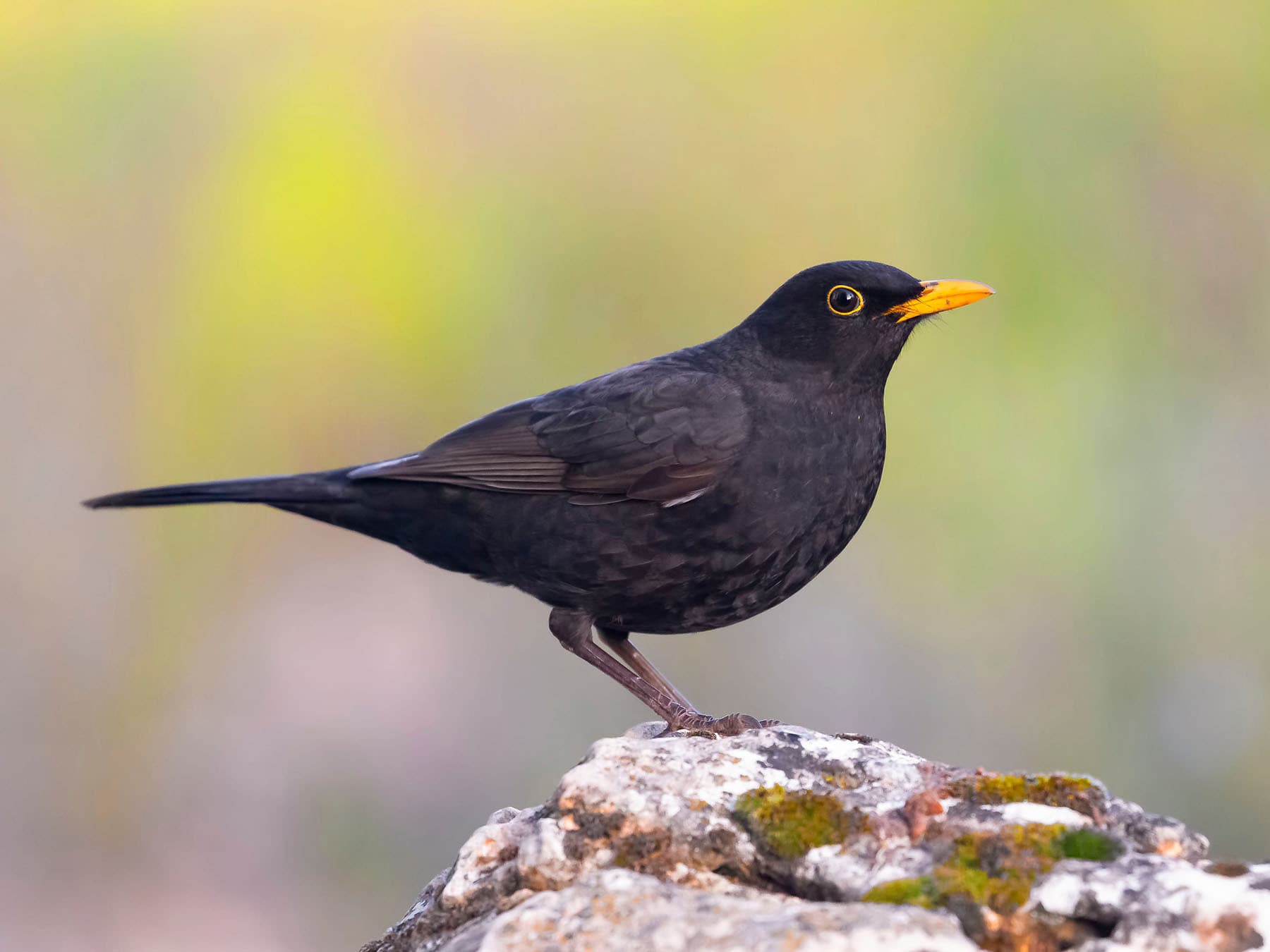
Blackbird
Turdus merulaLC
Abundant in gardens, woodlands and hedgerows throughout the year. One of the most familiar birds across East Sussex.
Year-round
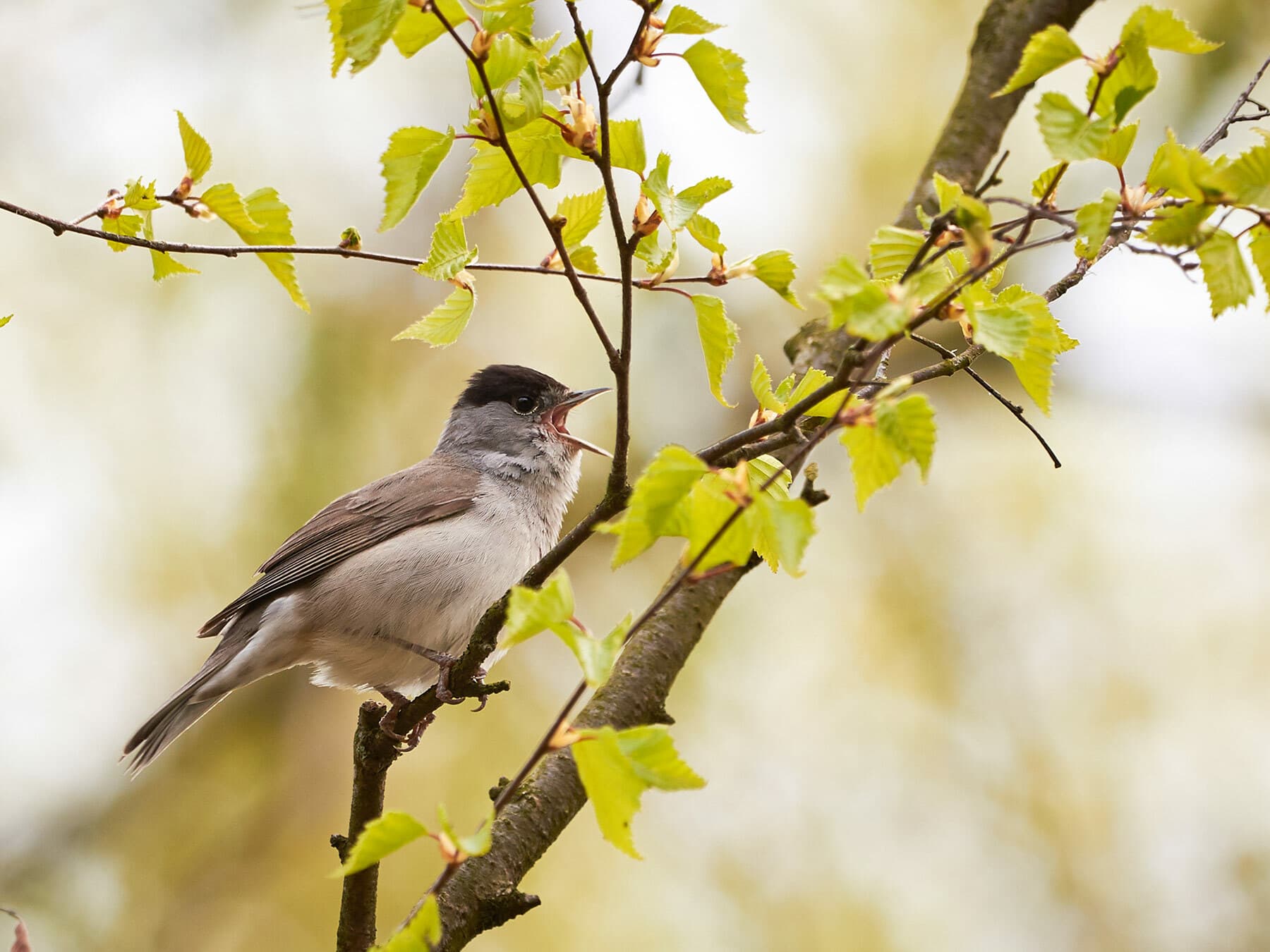
Blackcap
Sylvia atricapillaLC
Resident all year, increasingly visiting garden feeders in winter. A rich songster in spring woodlands and scrubby hedgerows.
Year-round
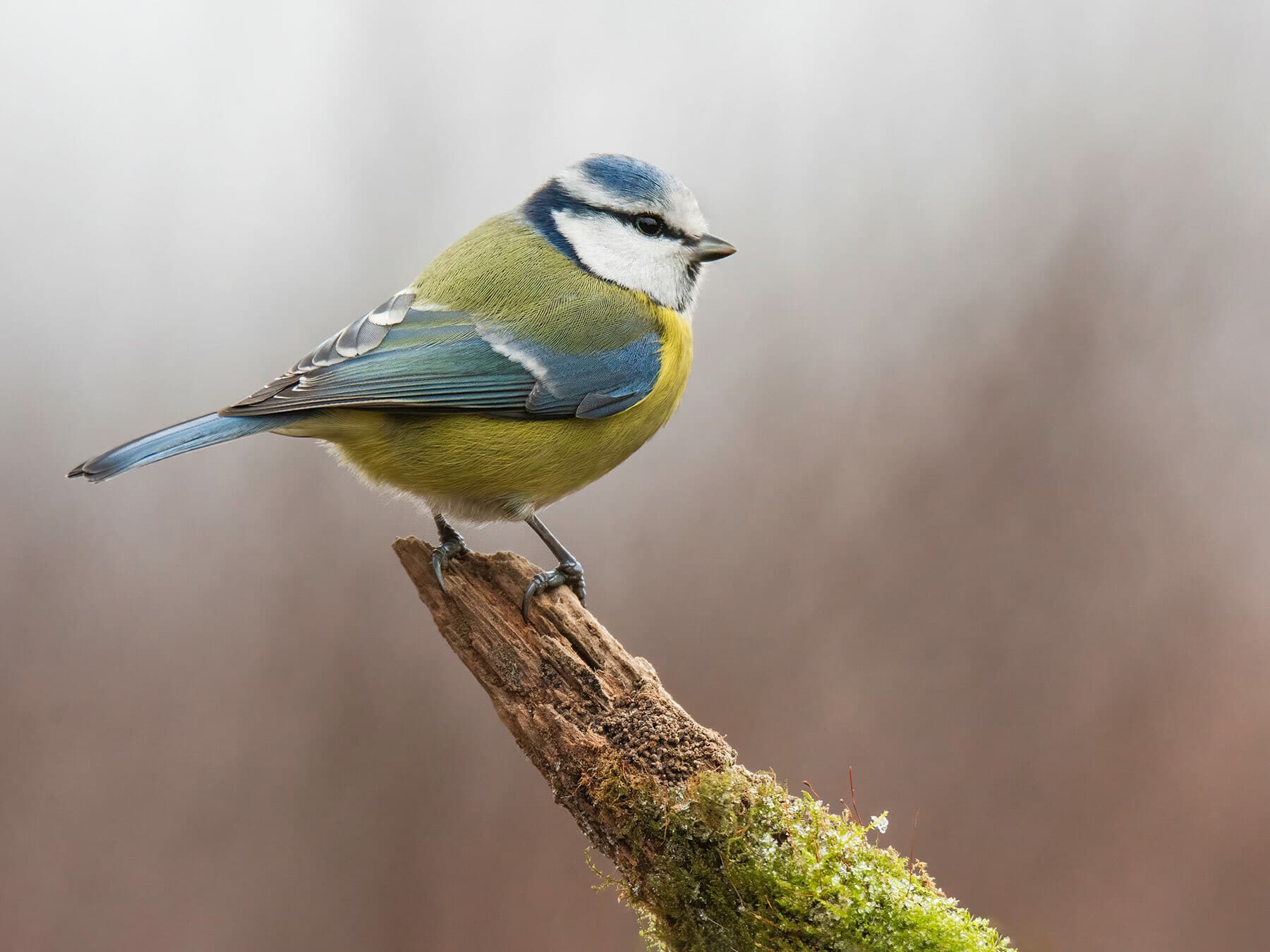
Blue Tit
Cyanistes caeruleusLC
A familiar garden resident found year-round. Readily takes to nest boxes and is one of the most frequent visitors to bird feeders across the county.
Year-round
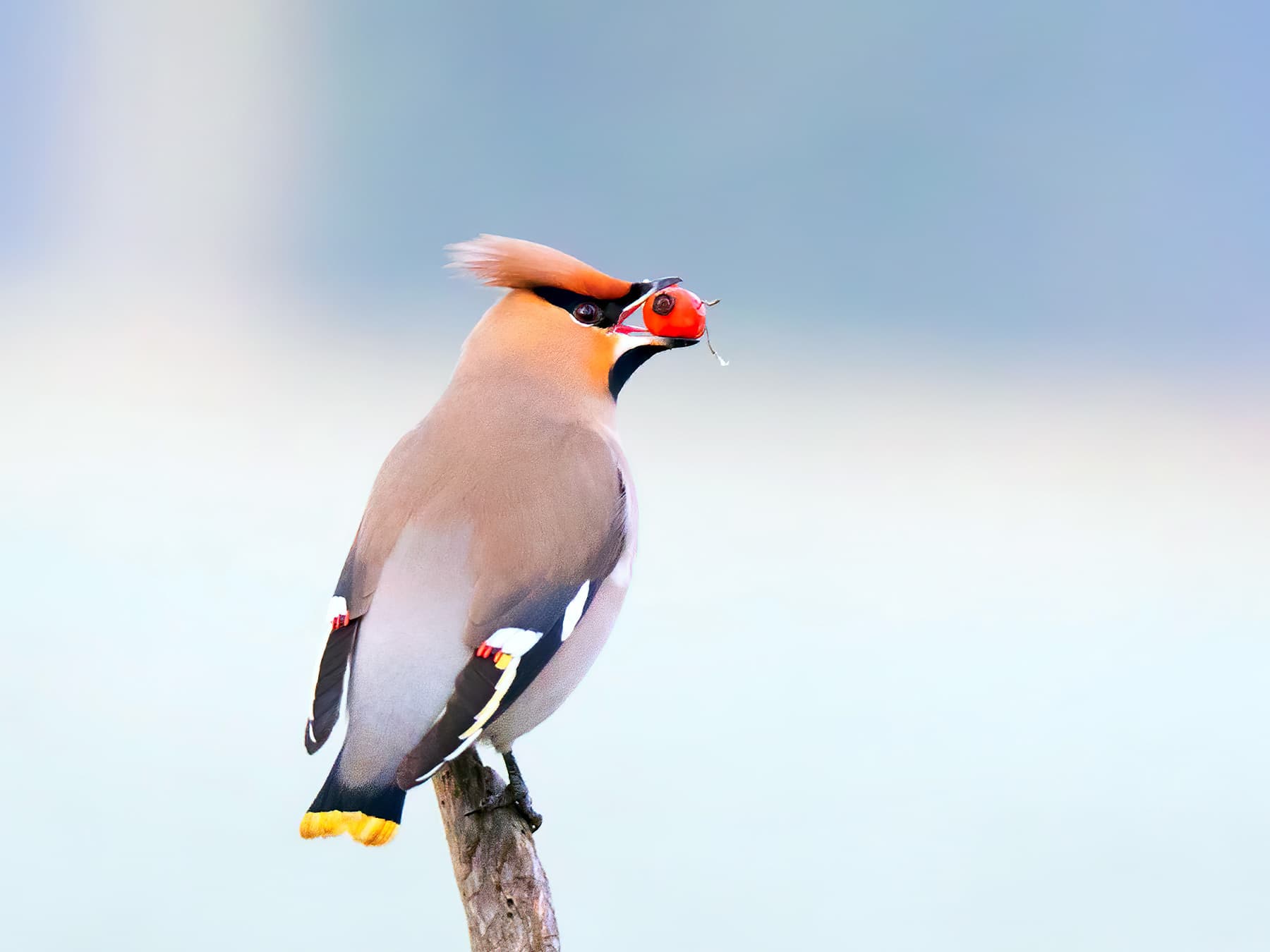
Bohemian Waxwing
Bombycilla garrulusLC
A rare winter visitor, appearing in irruption years during December and January. Flocks descend on berry-laden trees in towns and gardens.
Dec–Jan
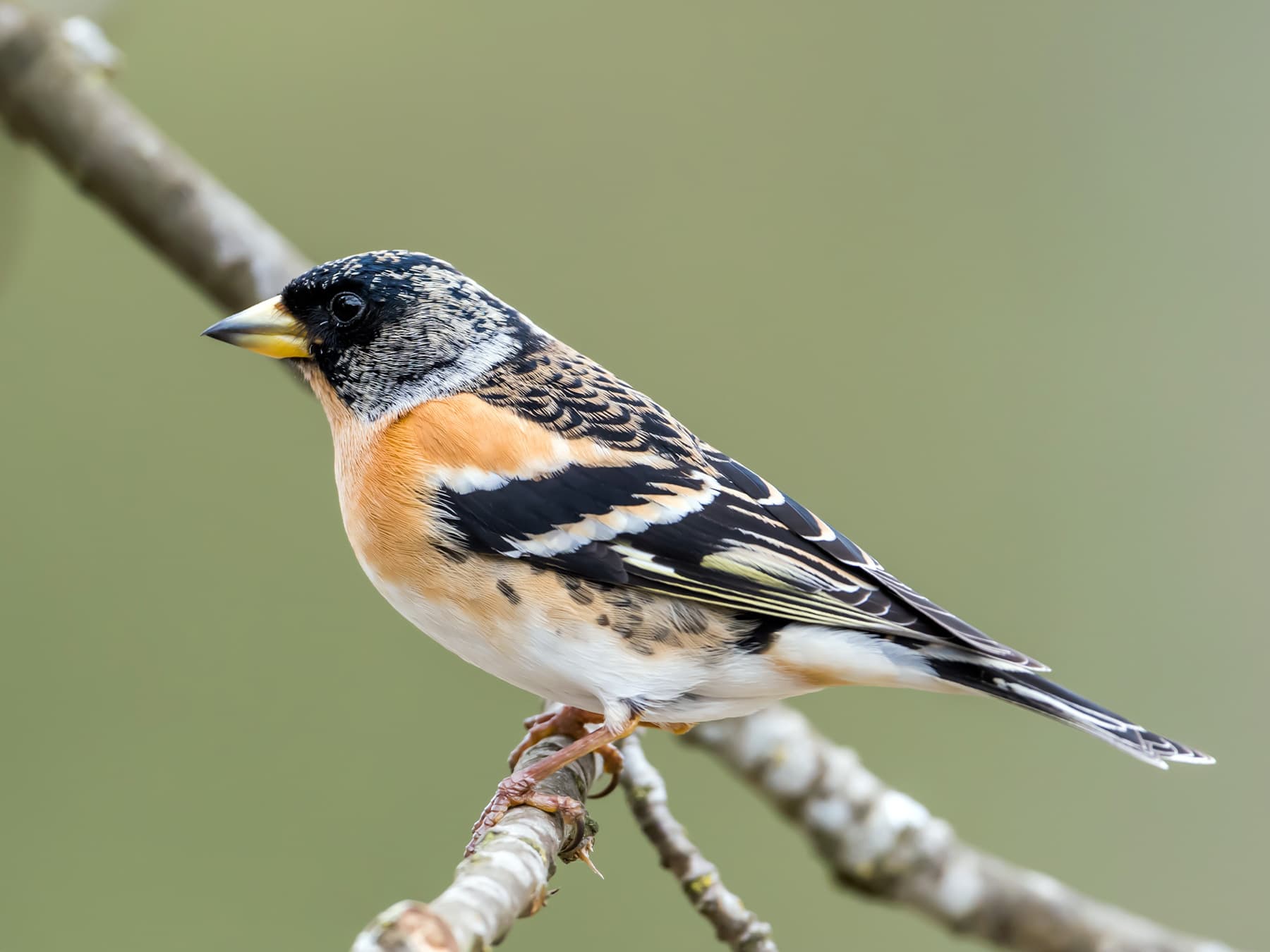
Brambling
Fringilla montifringillaLC
A rare non-breeding visitor from October to March, often found among chaffinch flocks in beech woodland and farmland stubble.
Oct–Mar
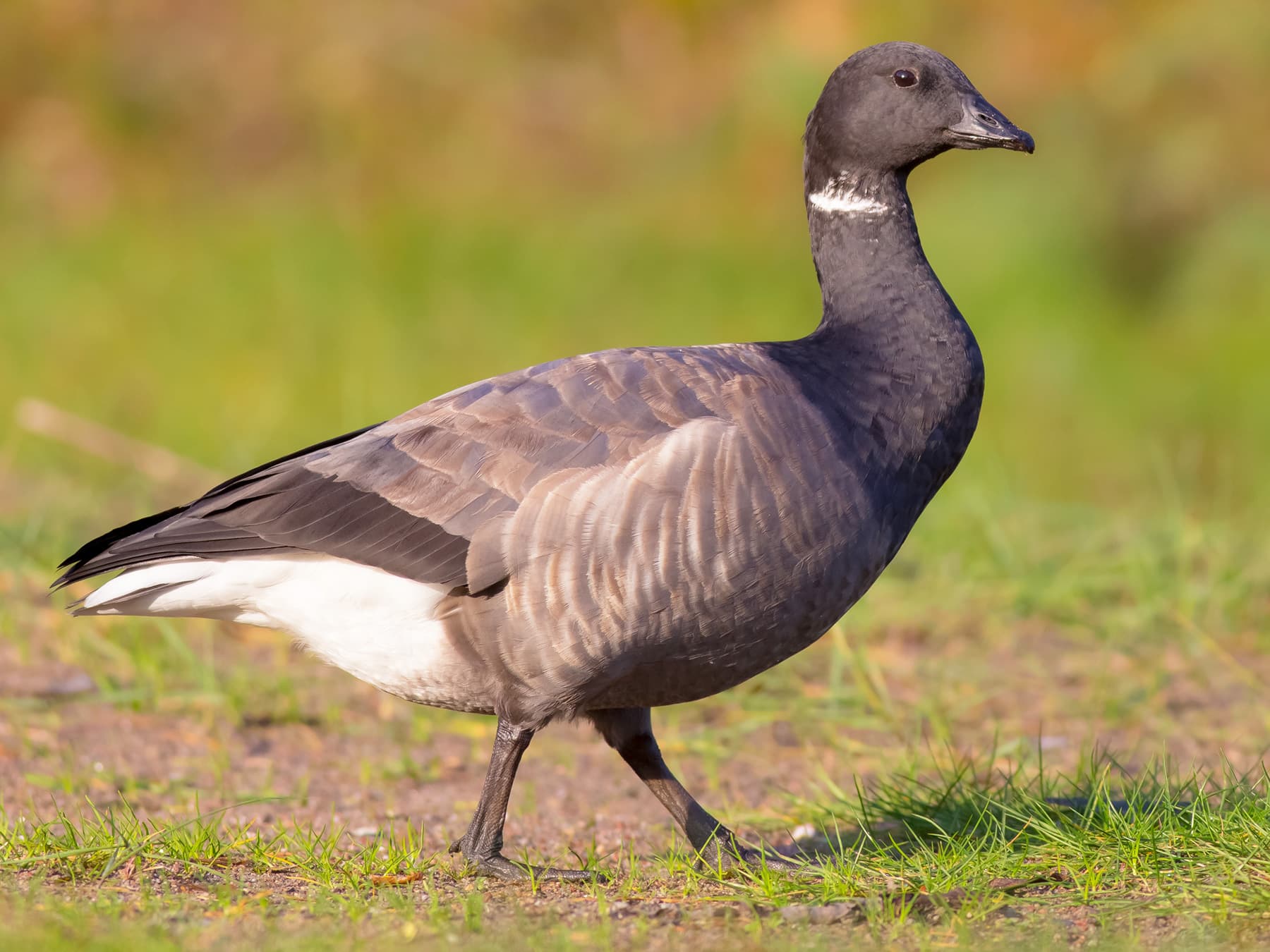
Brent Goose
Branta berniclaLC
A winter visitor to coastal harbours and grazing marshes, absent during summer. Rye Harbour and the Cuckmere are favoured feeding areas.
Sep–May
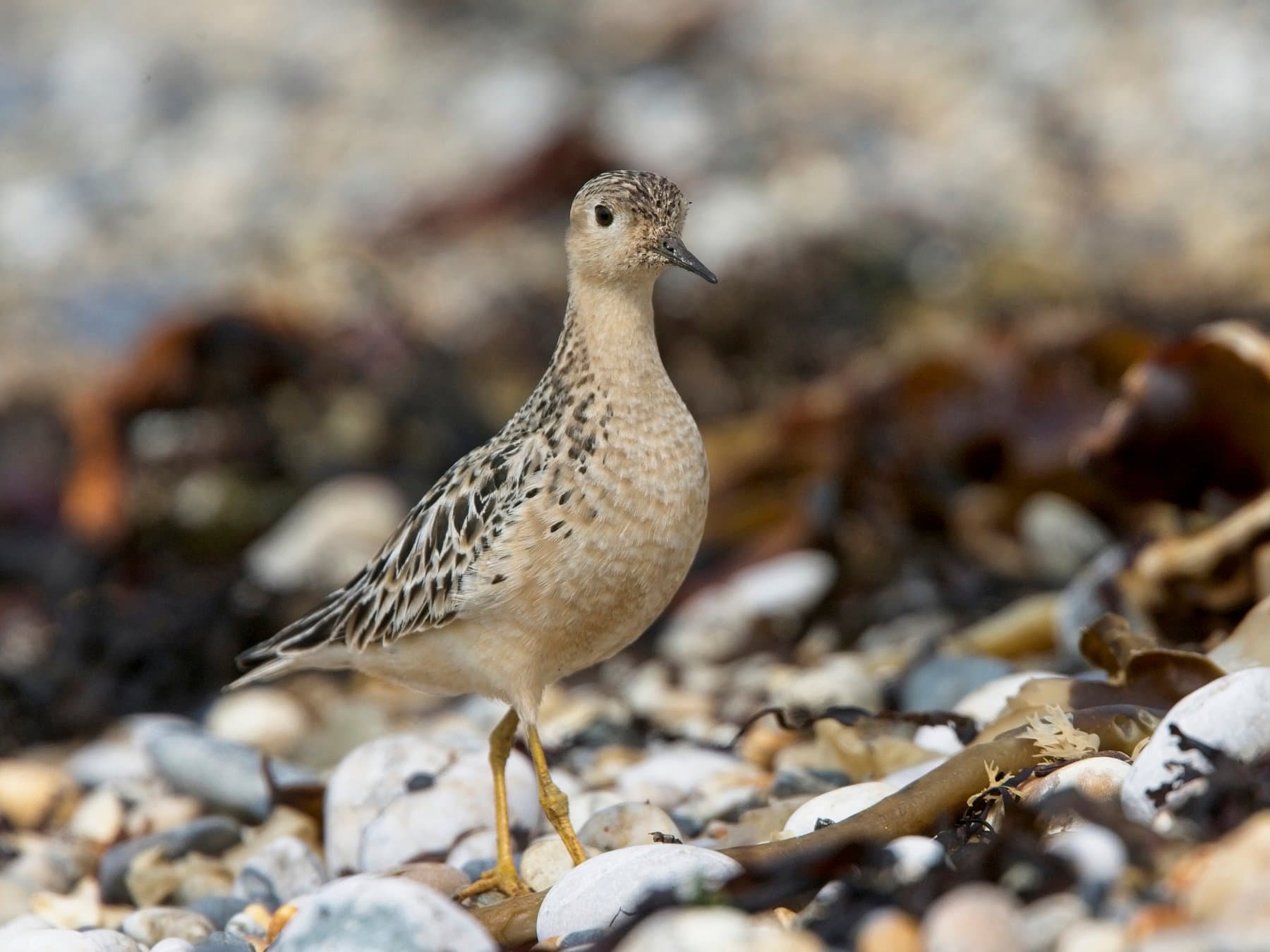
Buff-breasted Sandpiper
Calidris subruficollisVU
A rare Nearctic vagrant, very occasionally recorded on short grassland or coastal pools in September during Atlantic weather systems.
Sep