
Free to try · no sign-up for your first
Find out what bird it is. Then get to know it
What’s that bird?
The Birdfact app is coming to iPhone. Find out more
Bird fact
Nº 2A young Bar-tailed Godwit flew 13,560 km from Alaska to Tasmania without stopping, in 11 days
Source · Global Flyway Network, 2022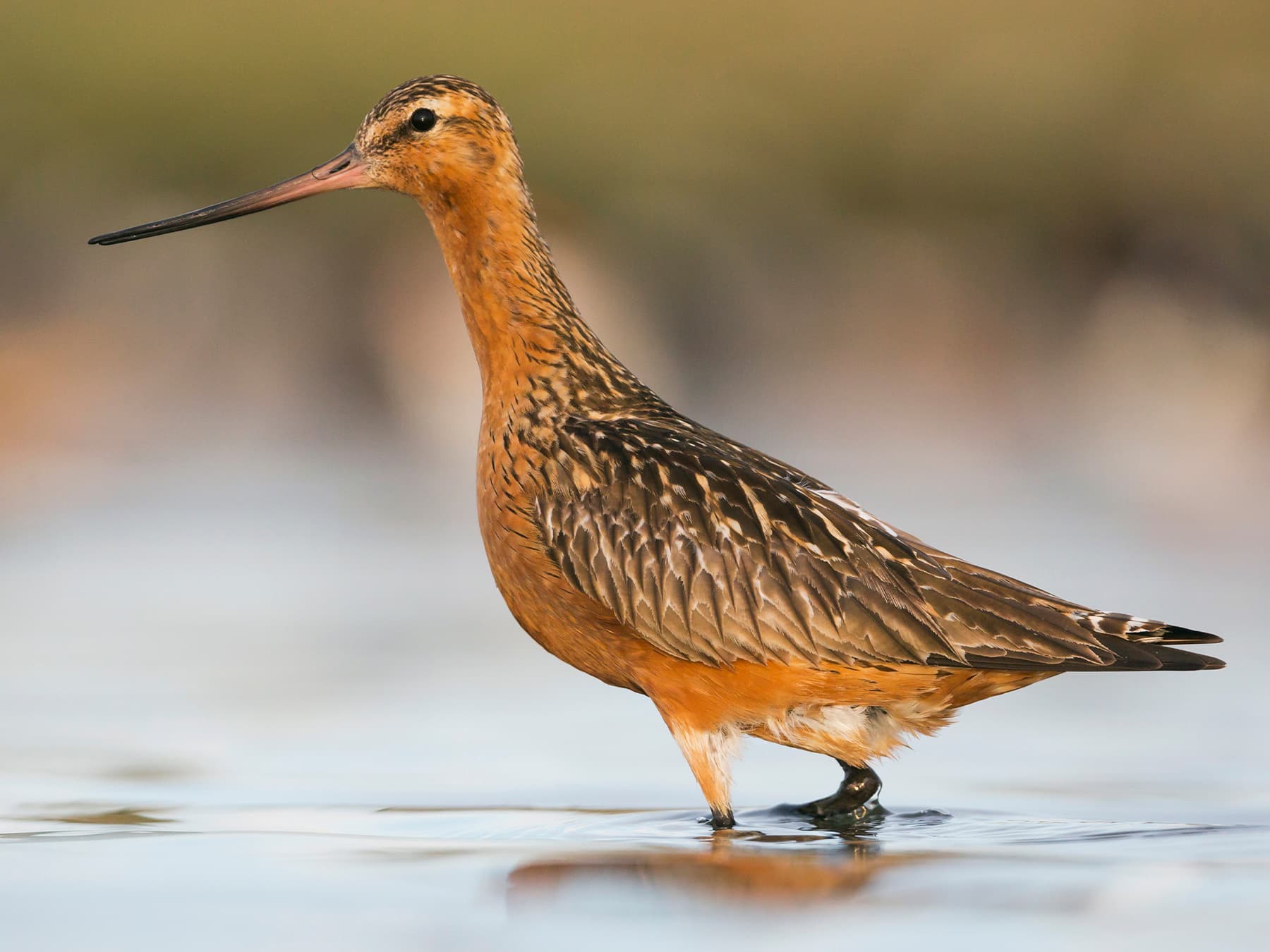
Most seen this month
GBIF records · October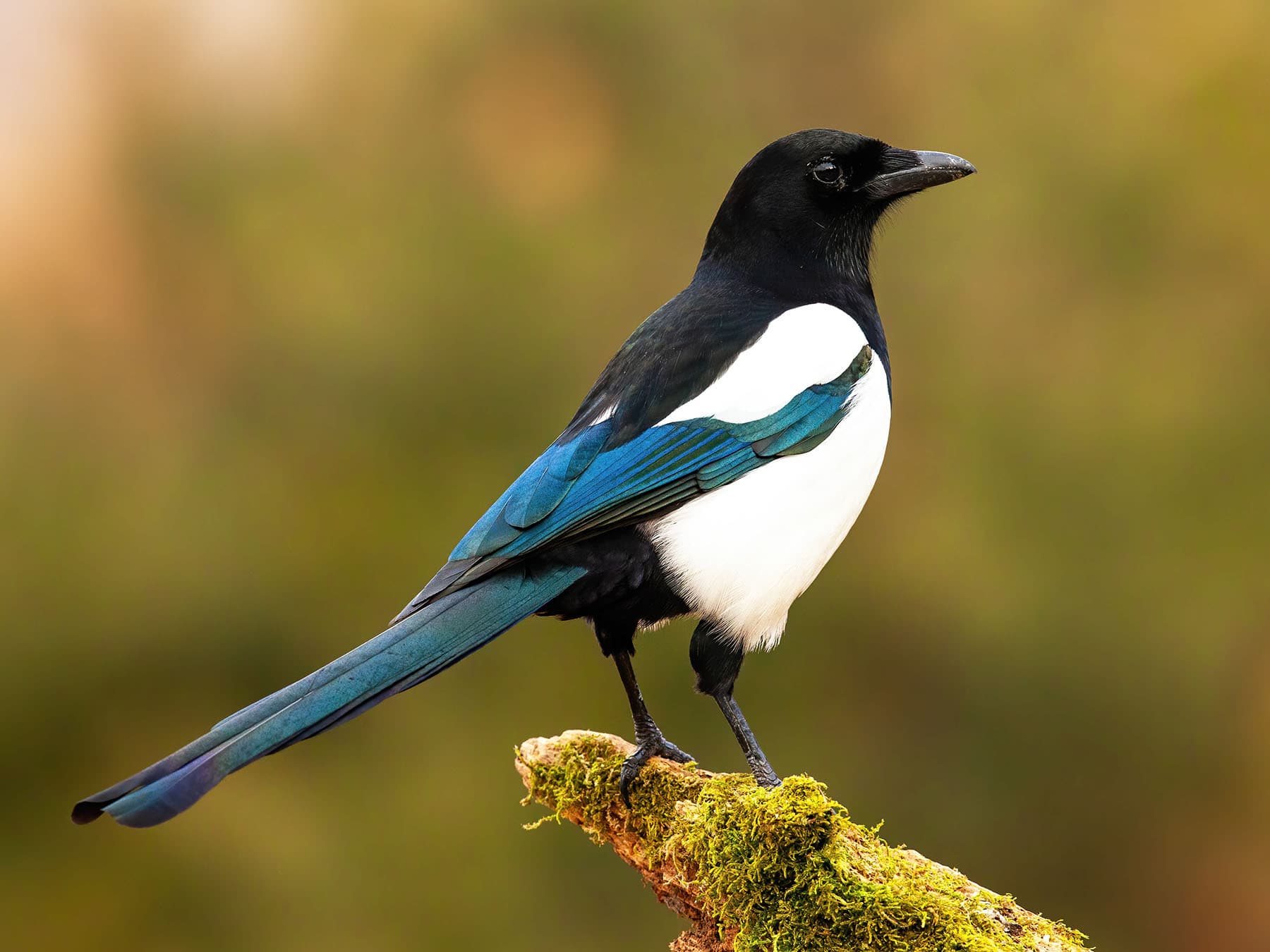
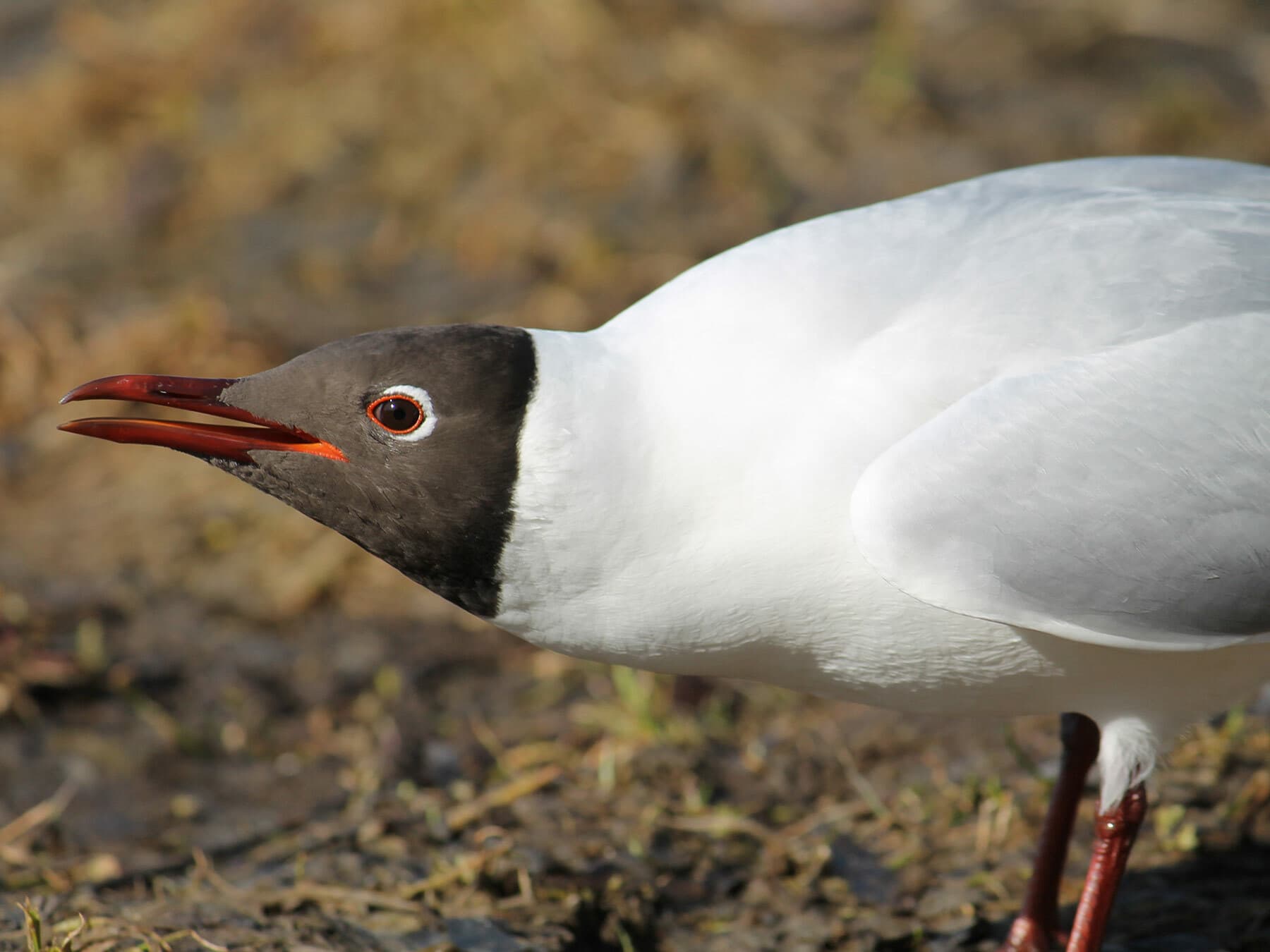
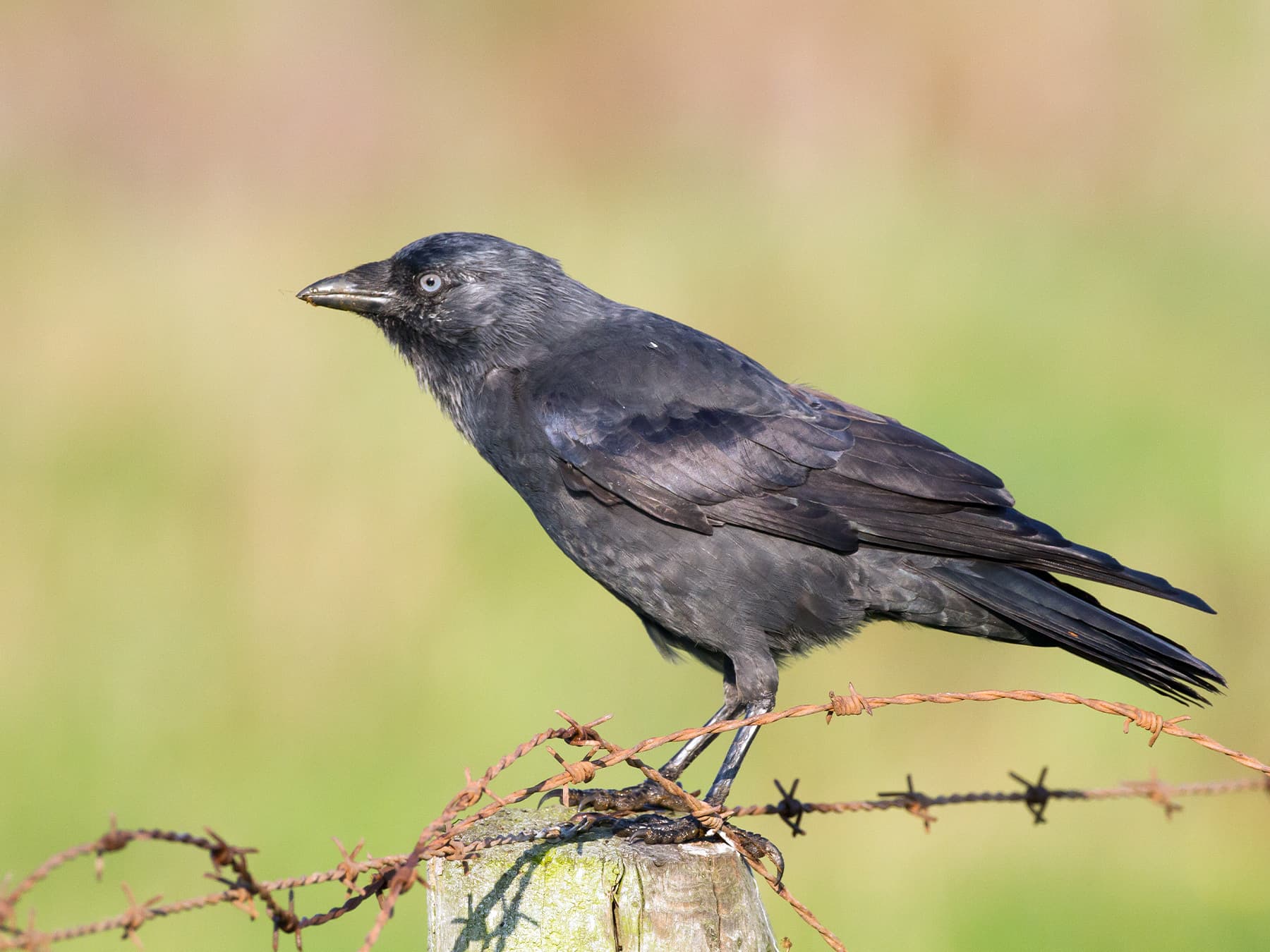
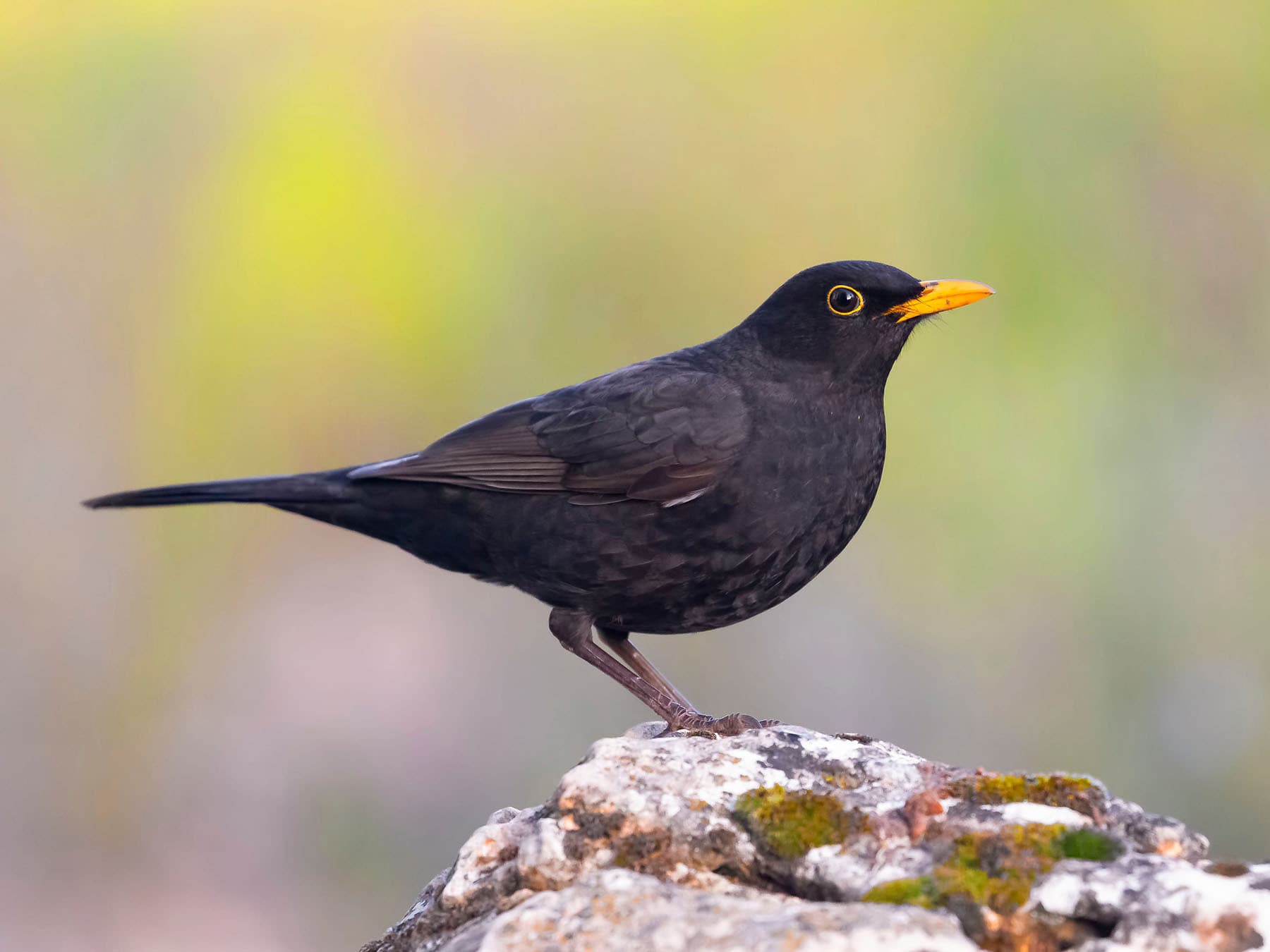
 Blue JayResident · 2.8% of records
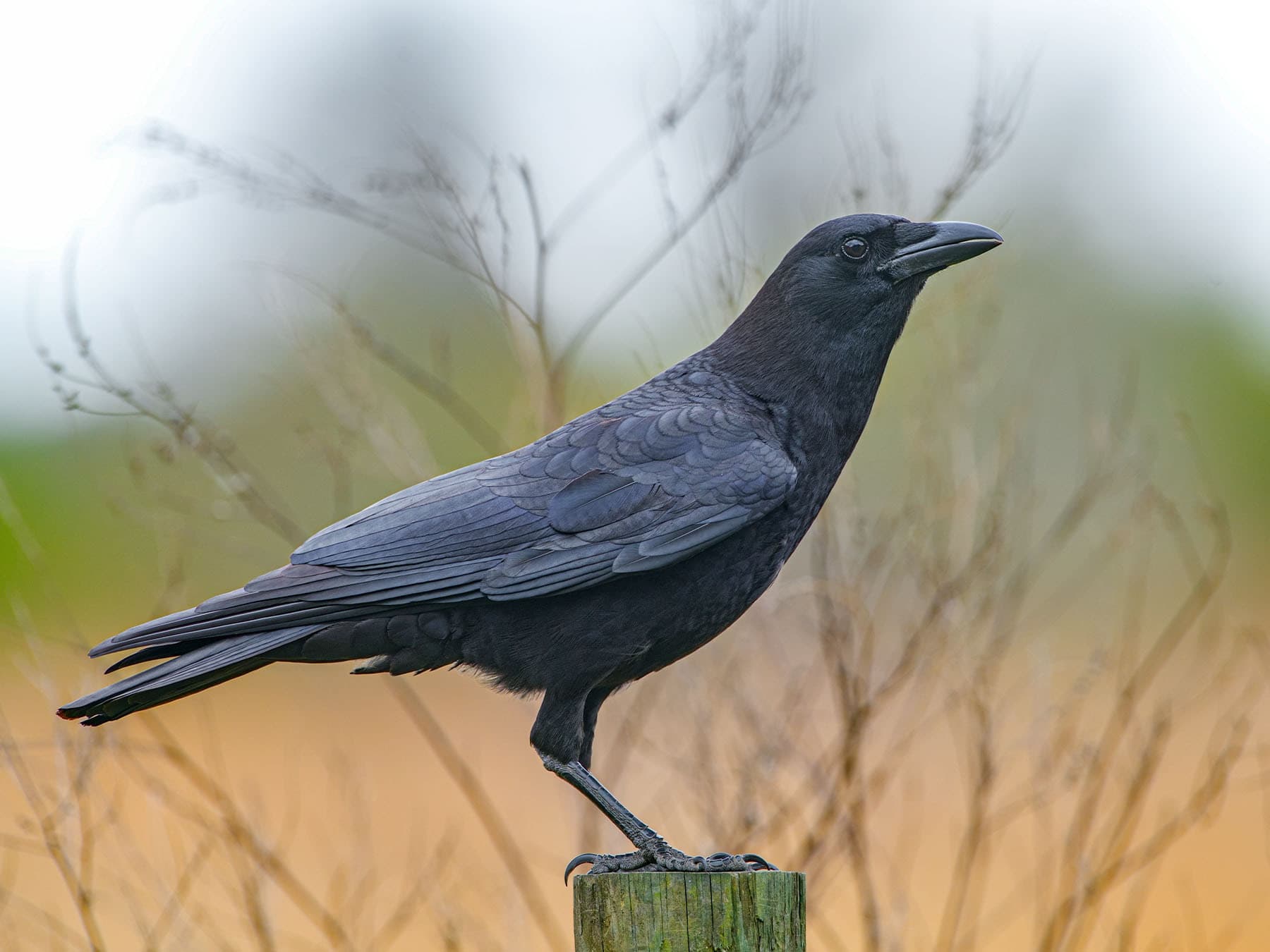 American CrowResident · 2.6% of records
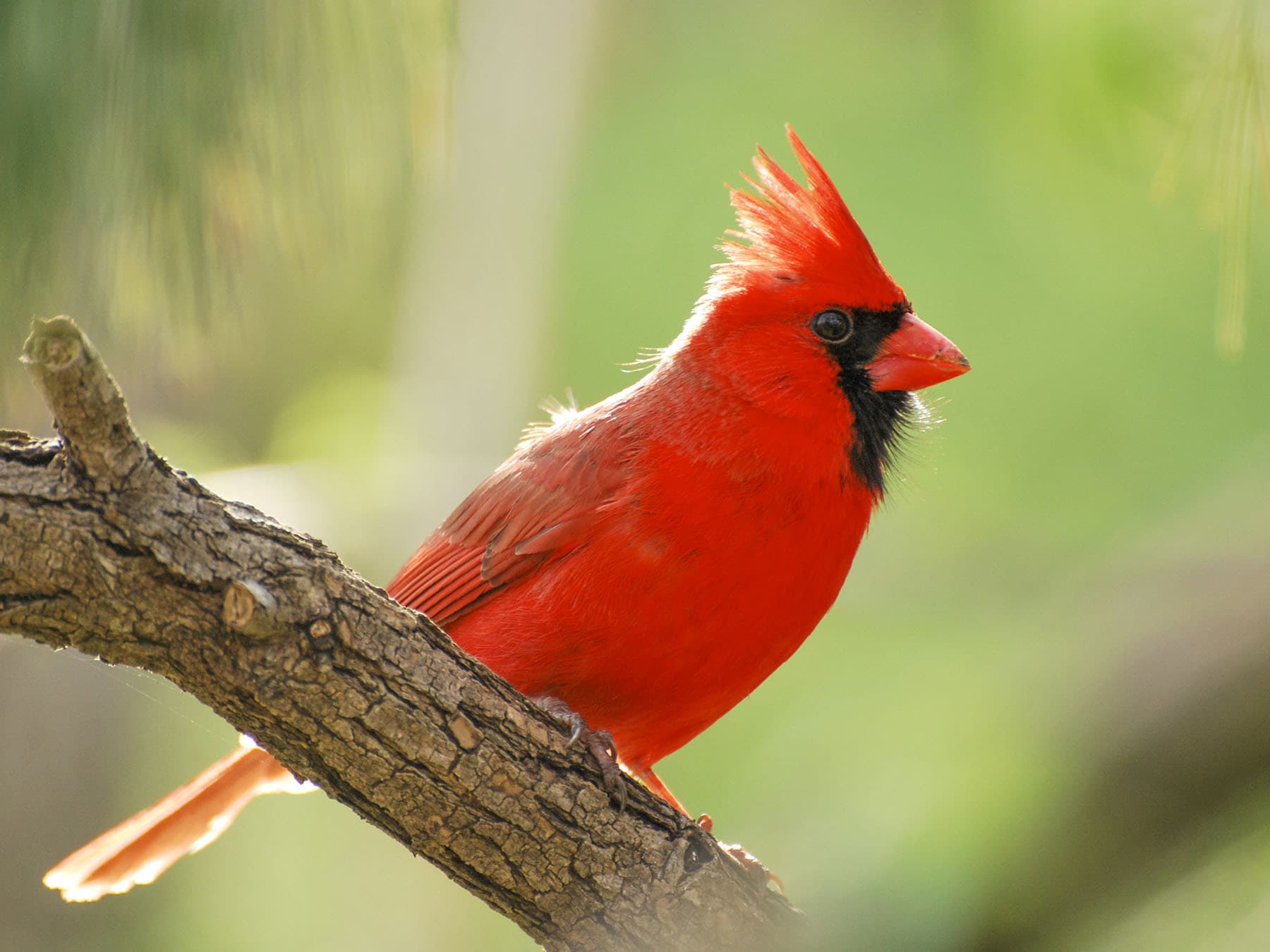 Northern CardinalResident · 2.3% of records
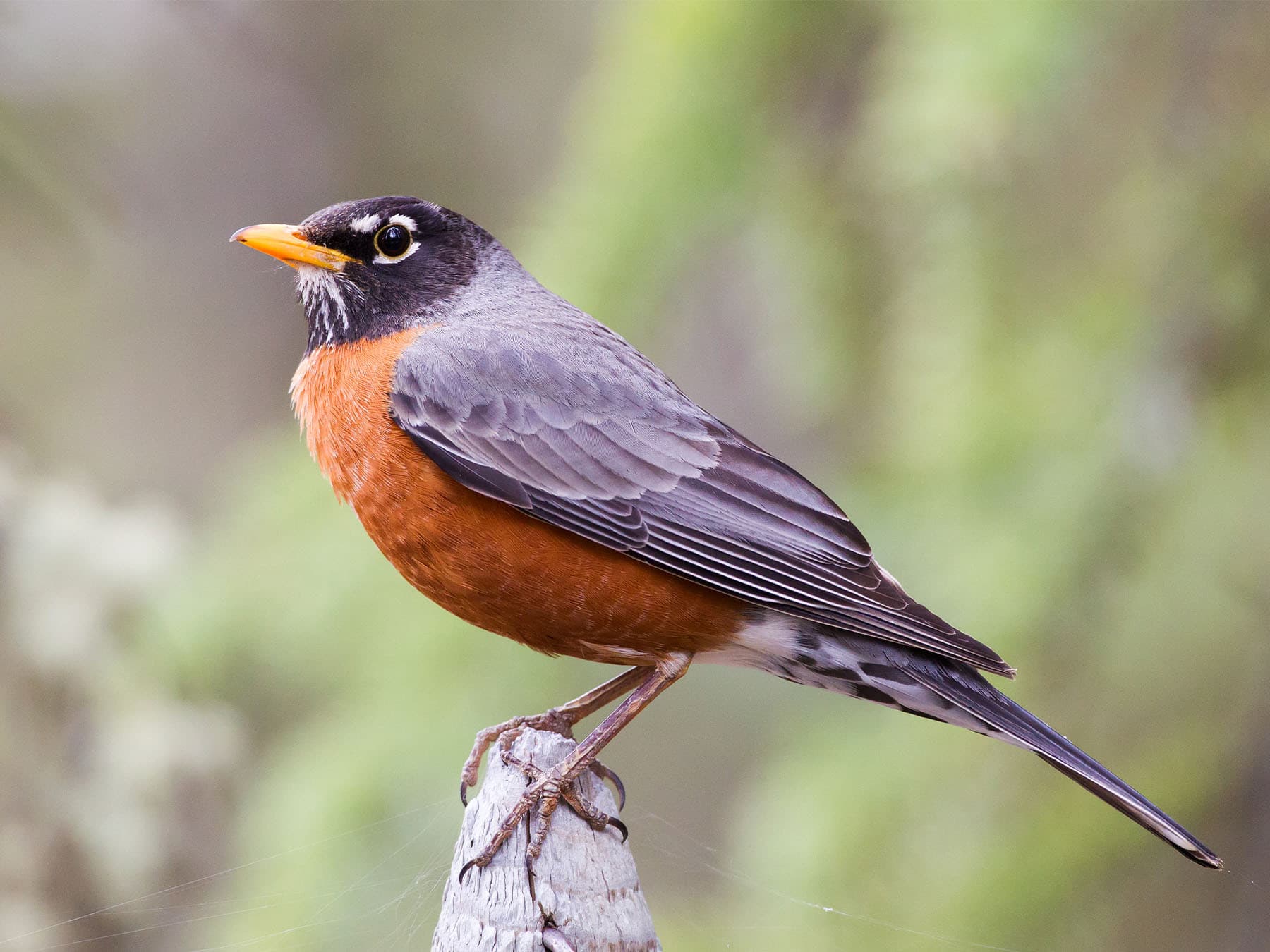 American RobinResident · 1.9% of records
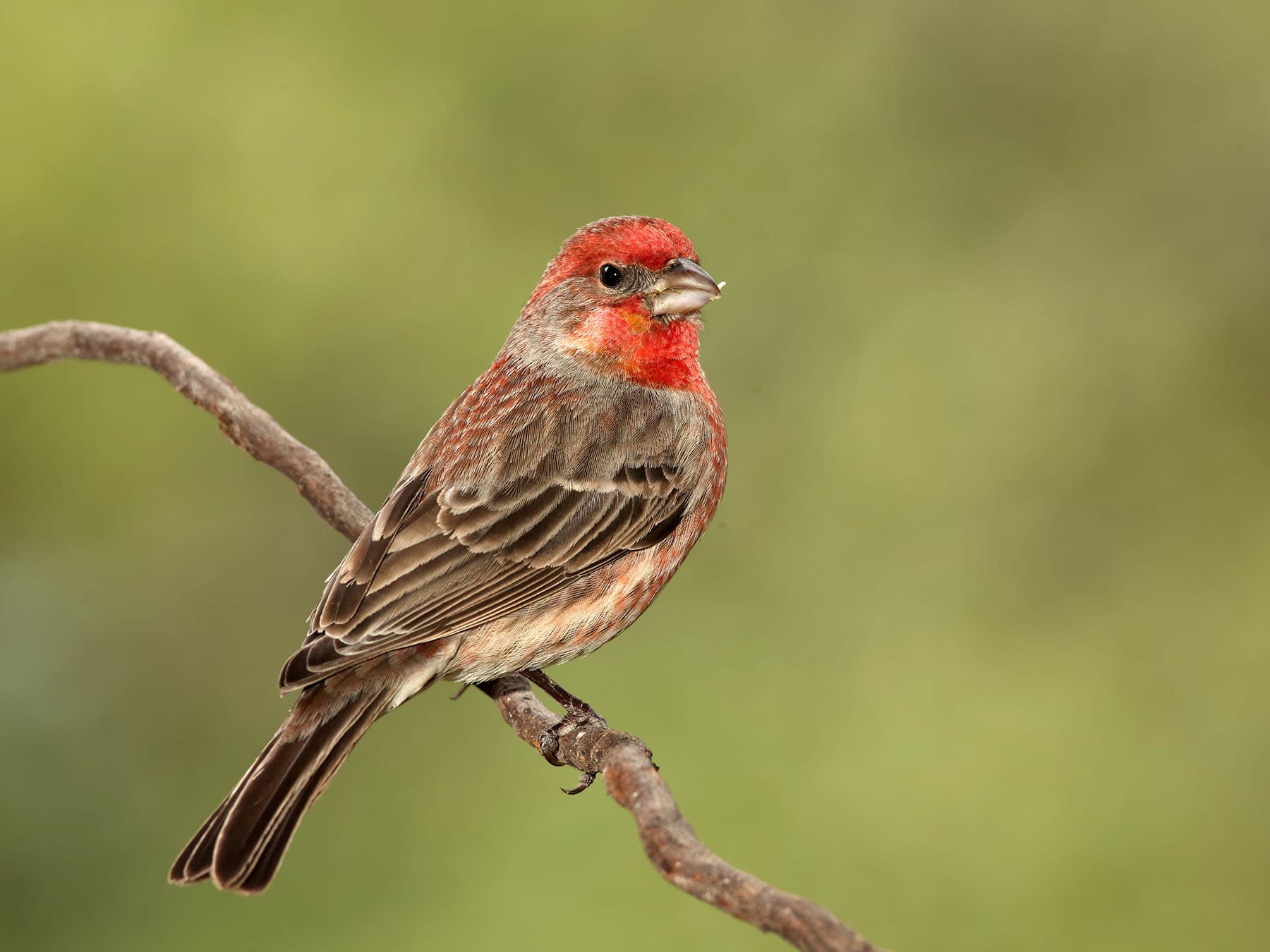 House FinchResident · 1.9% of records
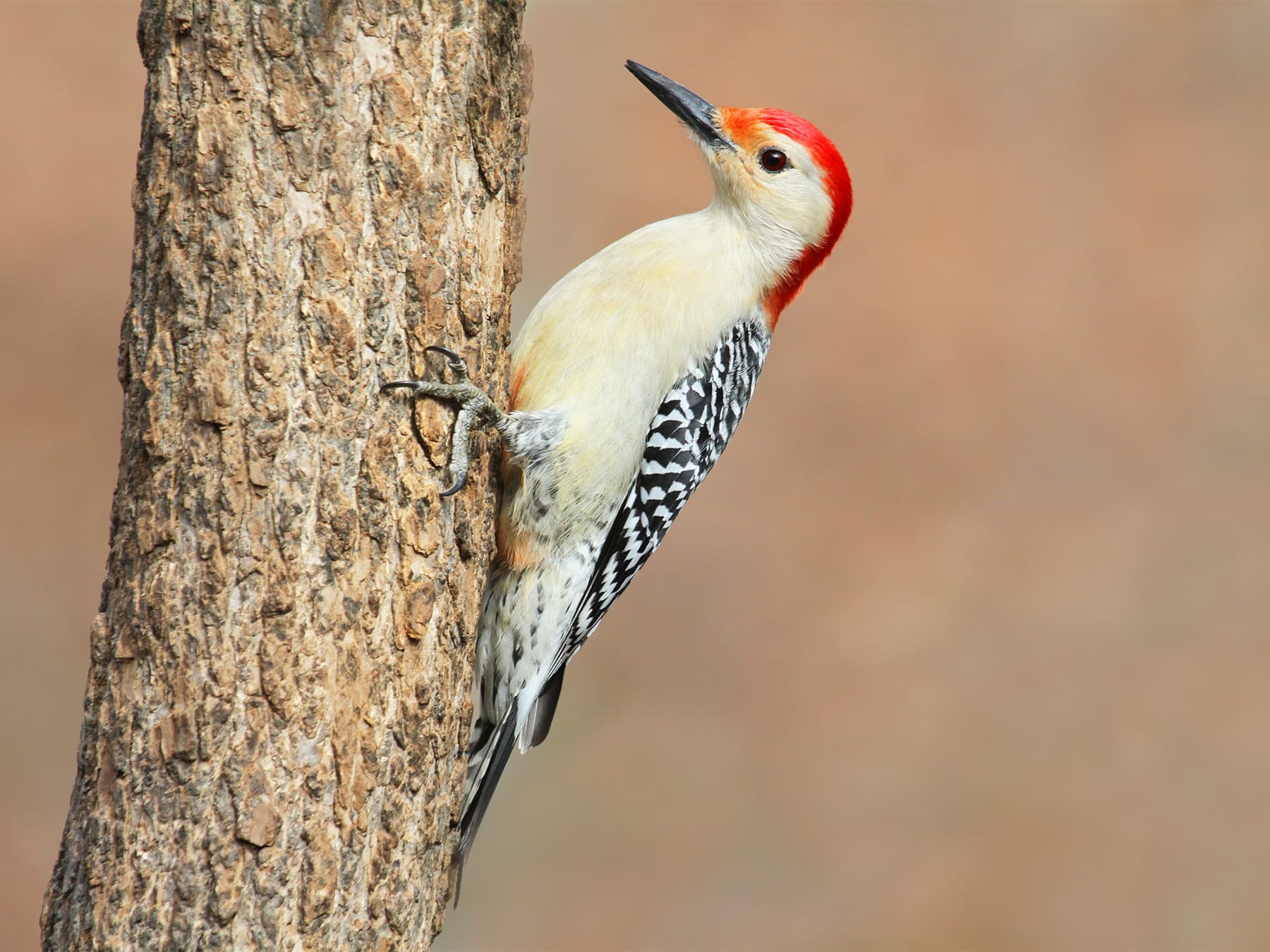 Red-bellied WoodpeckerResident · 1.8% of records
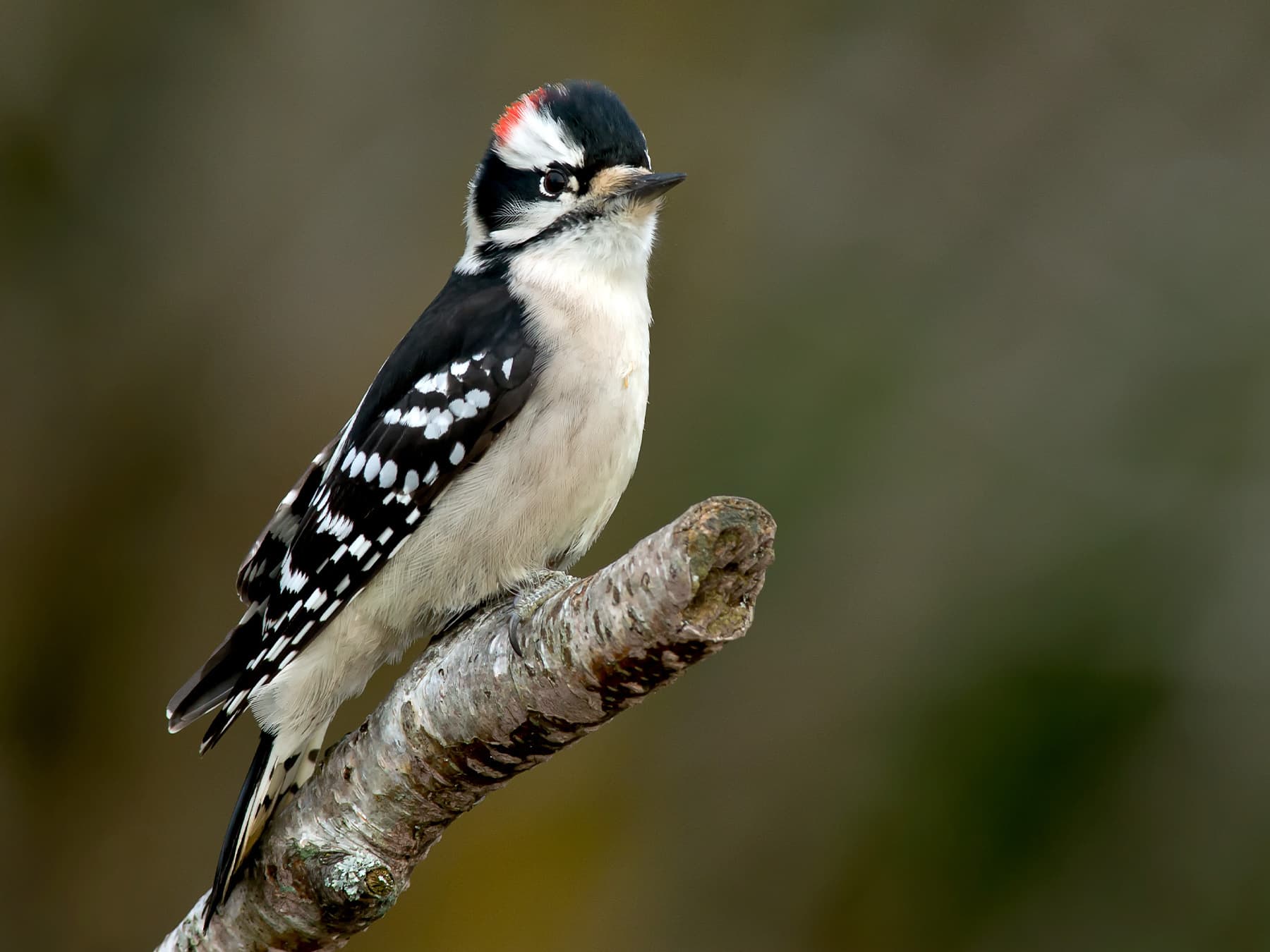 Downy WoodpeckerResident · 1.8% of records
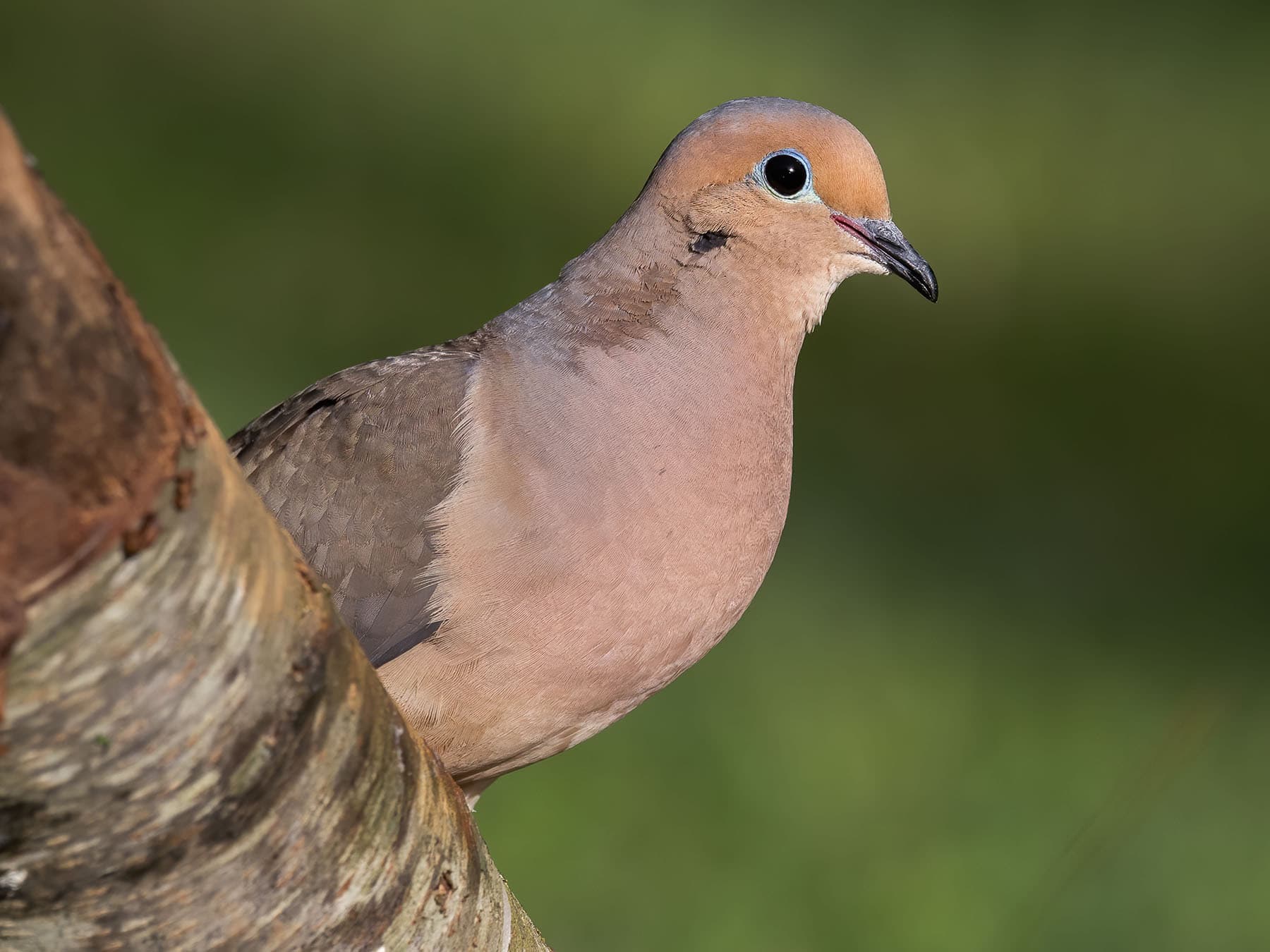 Mourning DoveResident · 1.8% of records
Share of all bird records this month. Birds in the UK · Birds in the US
Tell them apart
The one thing to look at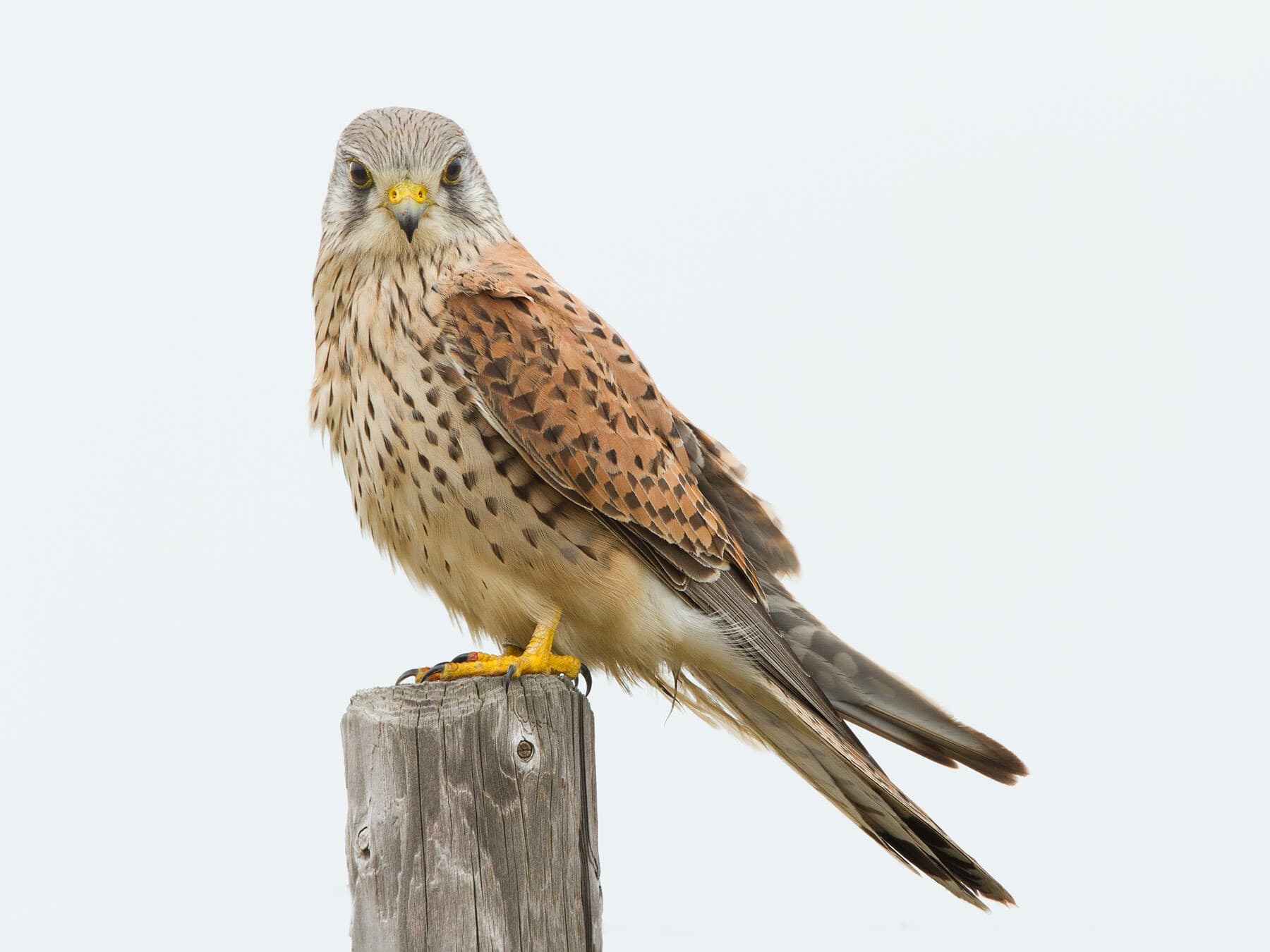
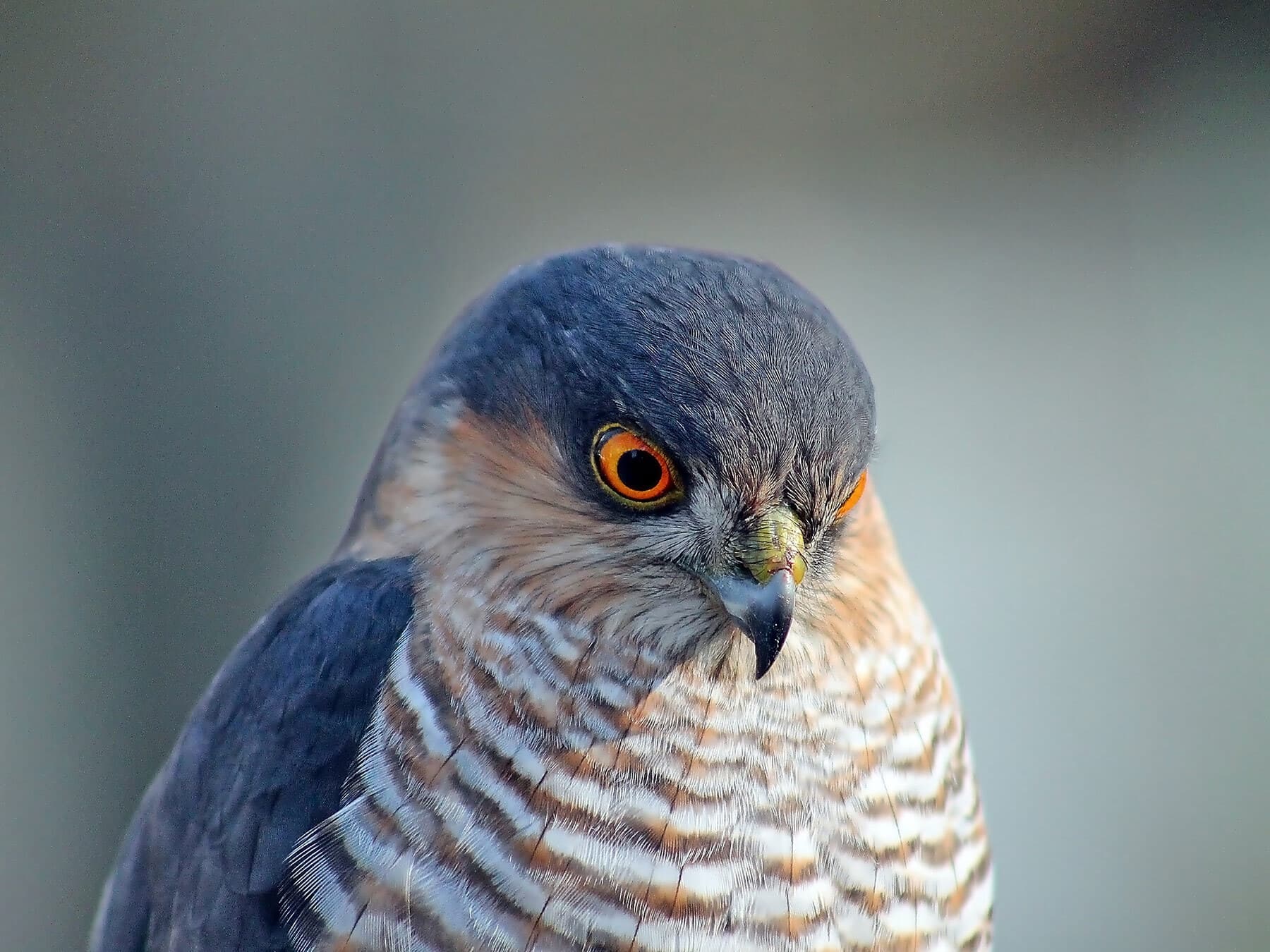
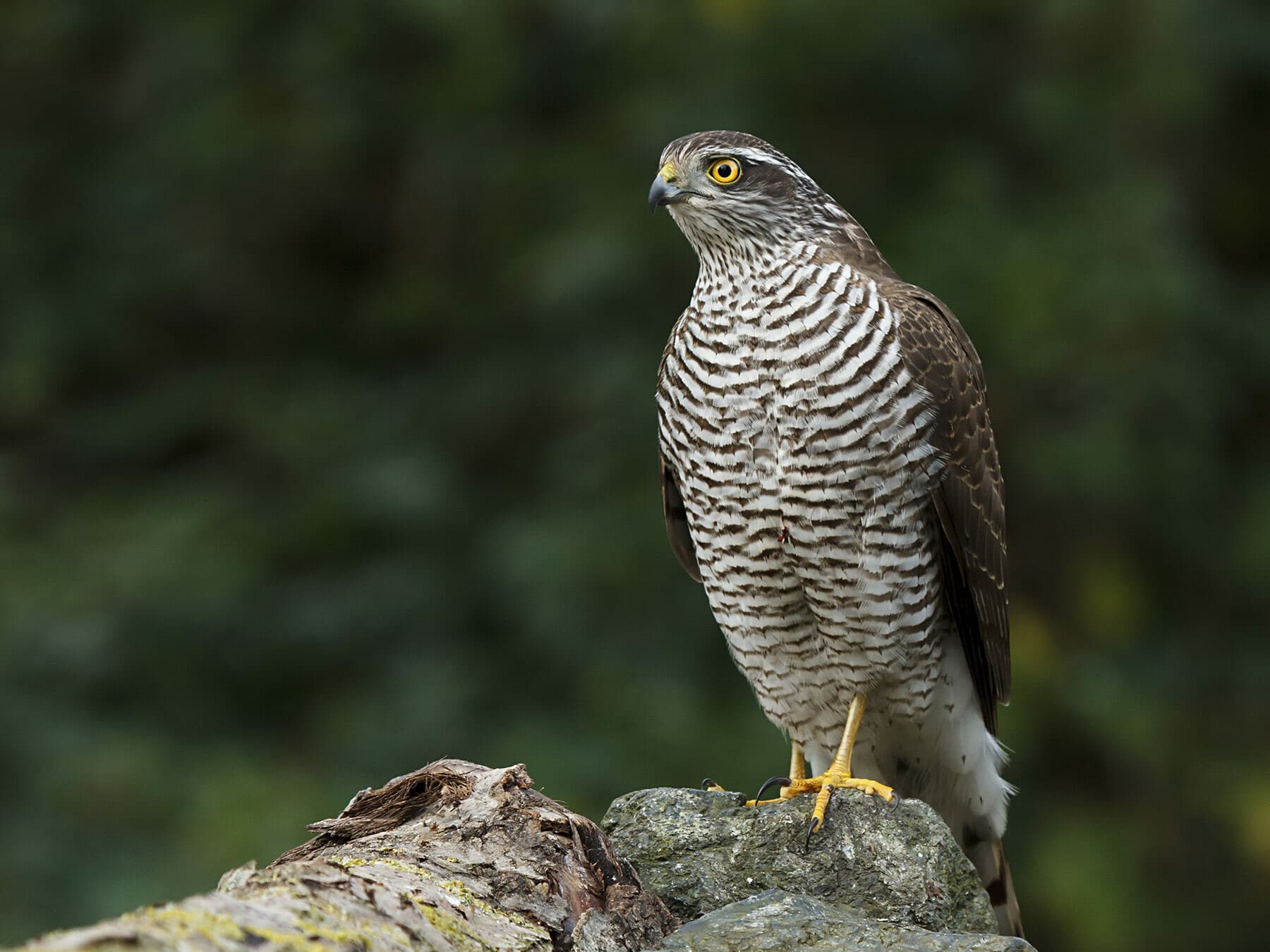 Kestrel or Sparrowhawk? Watch how it hunts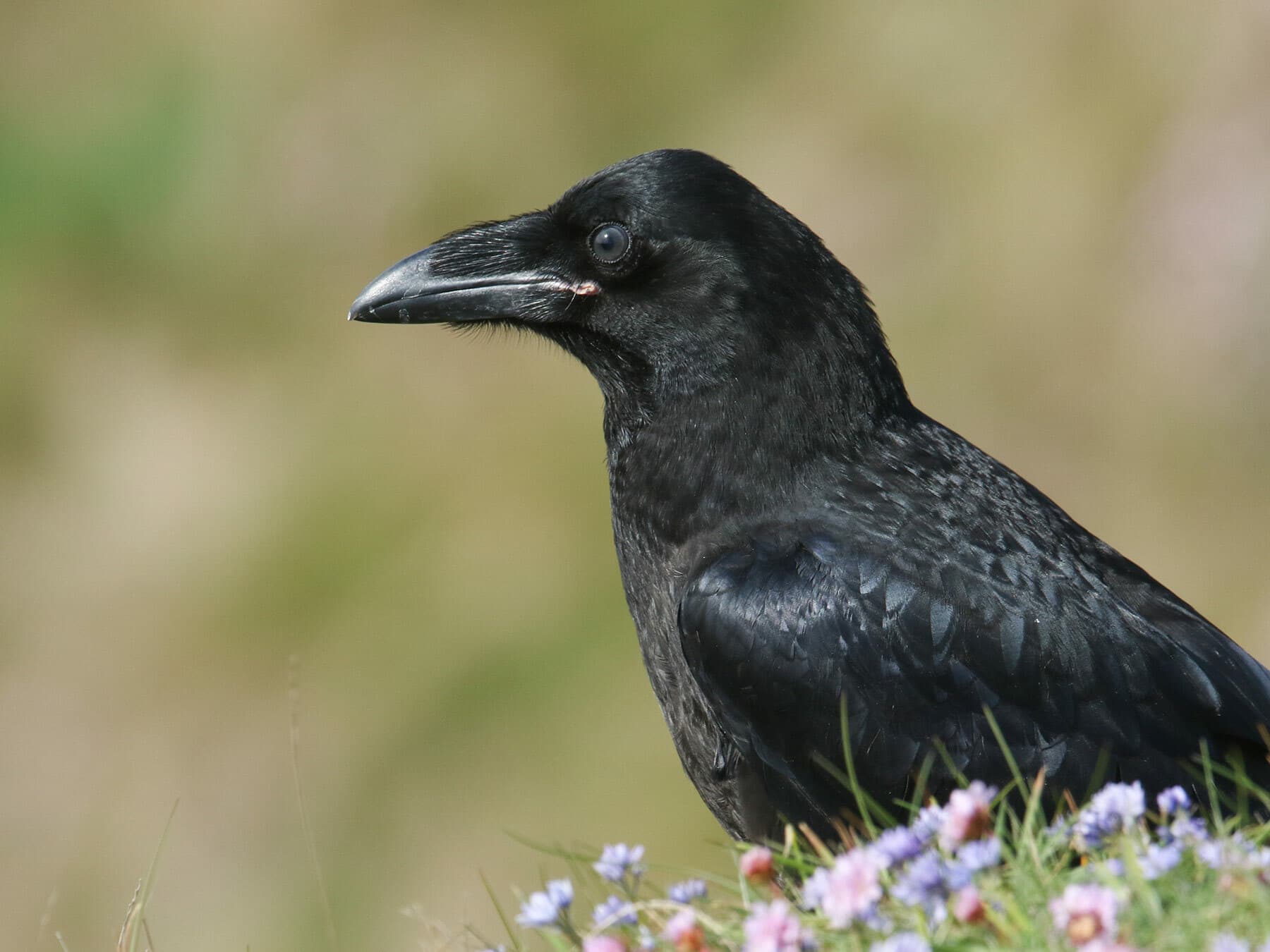
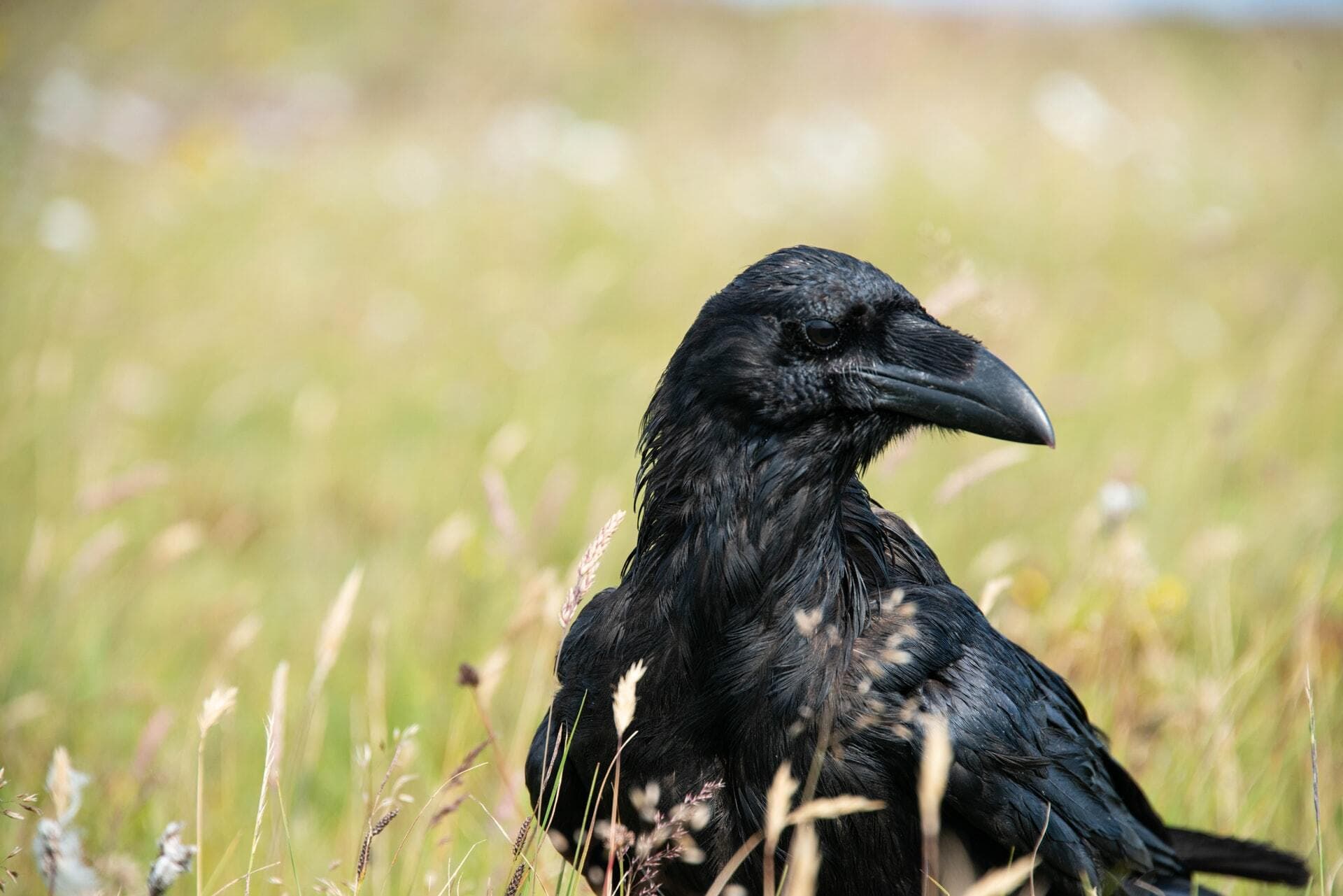
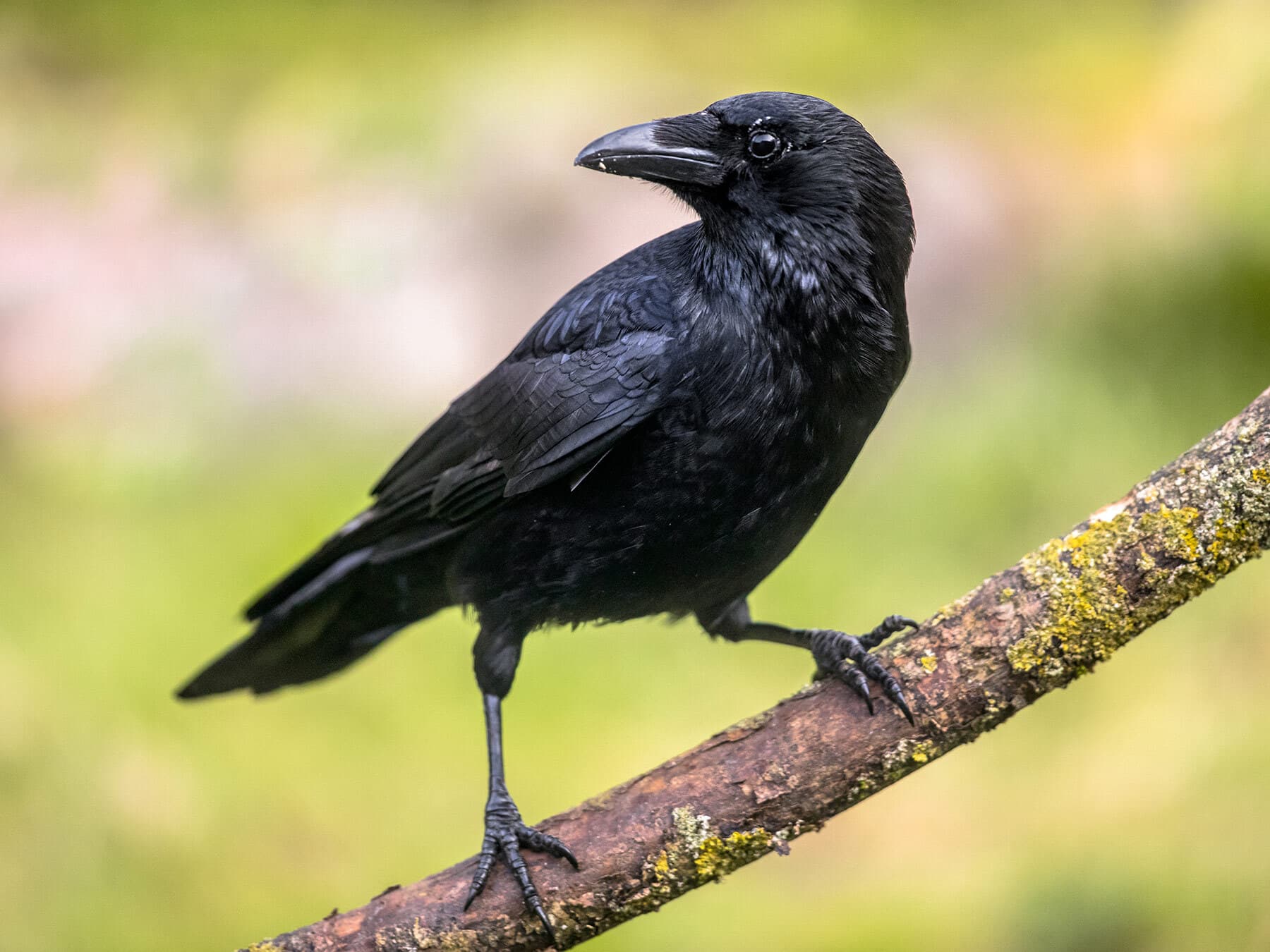 Raven or Crow? Look at the tail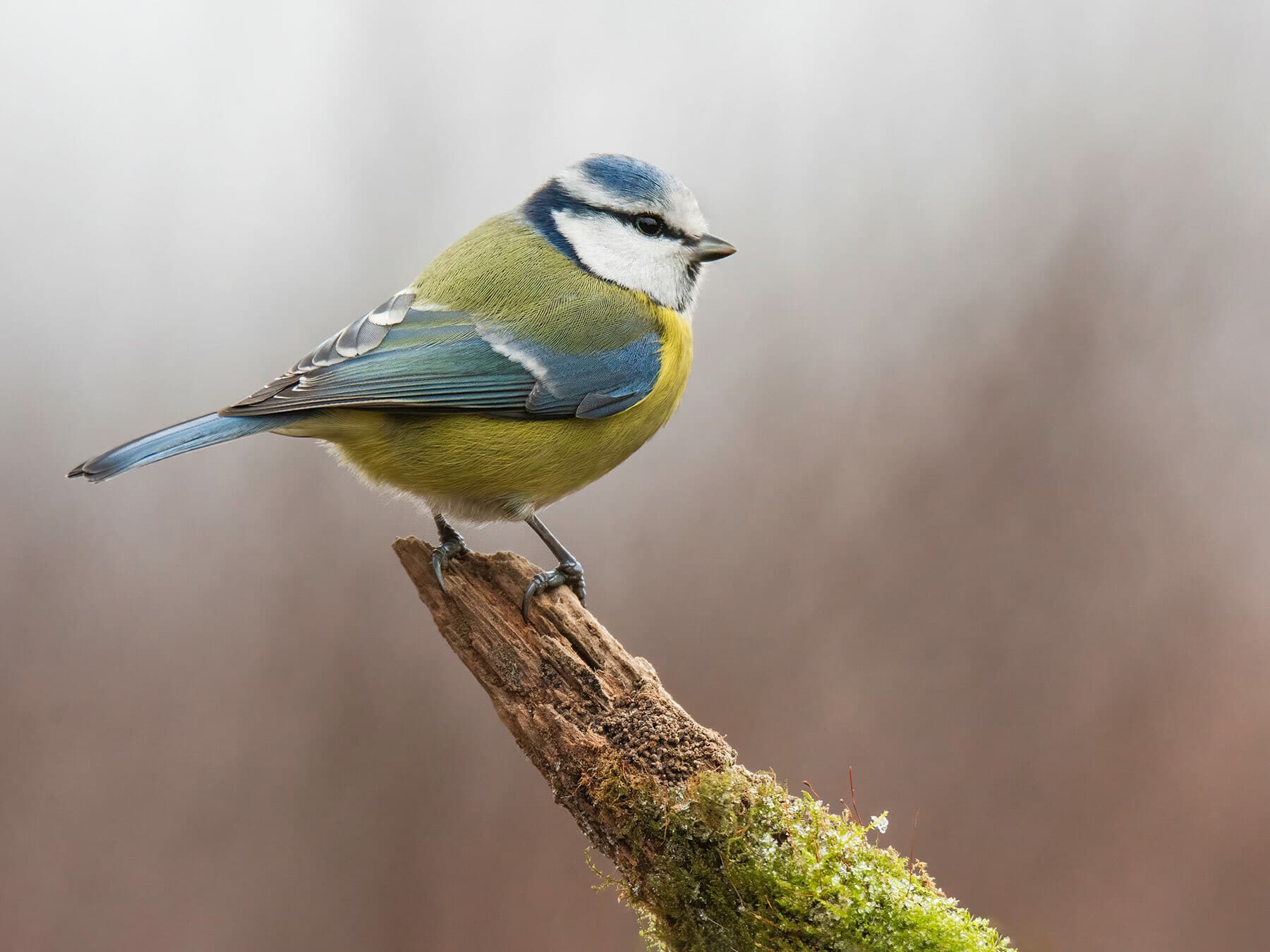
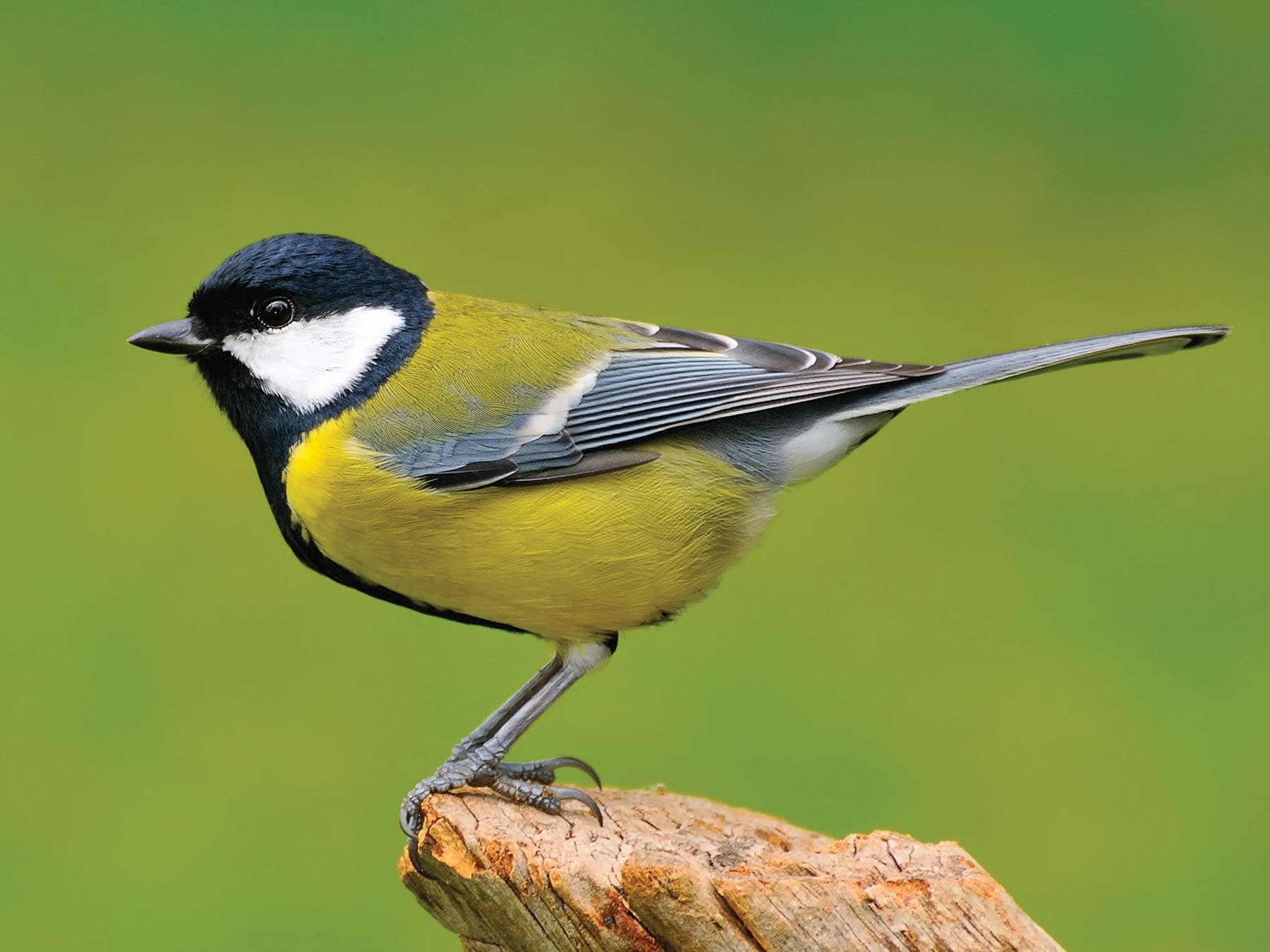 Blue Tit or Great Tit? Look at the head
Start here
4 guides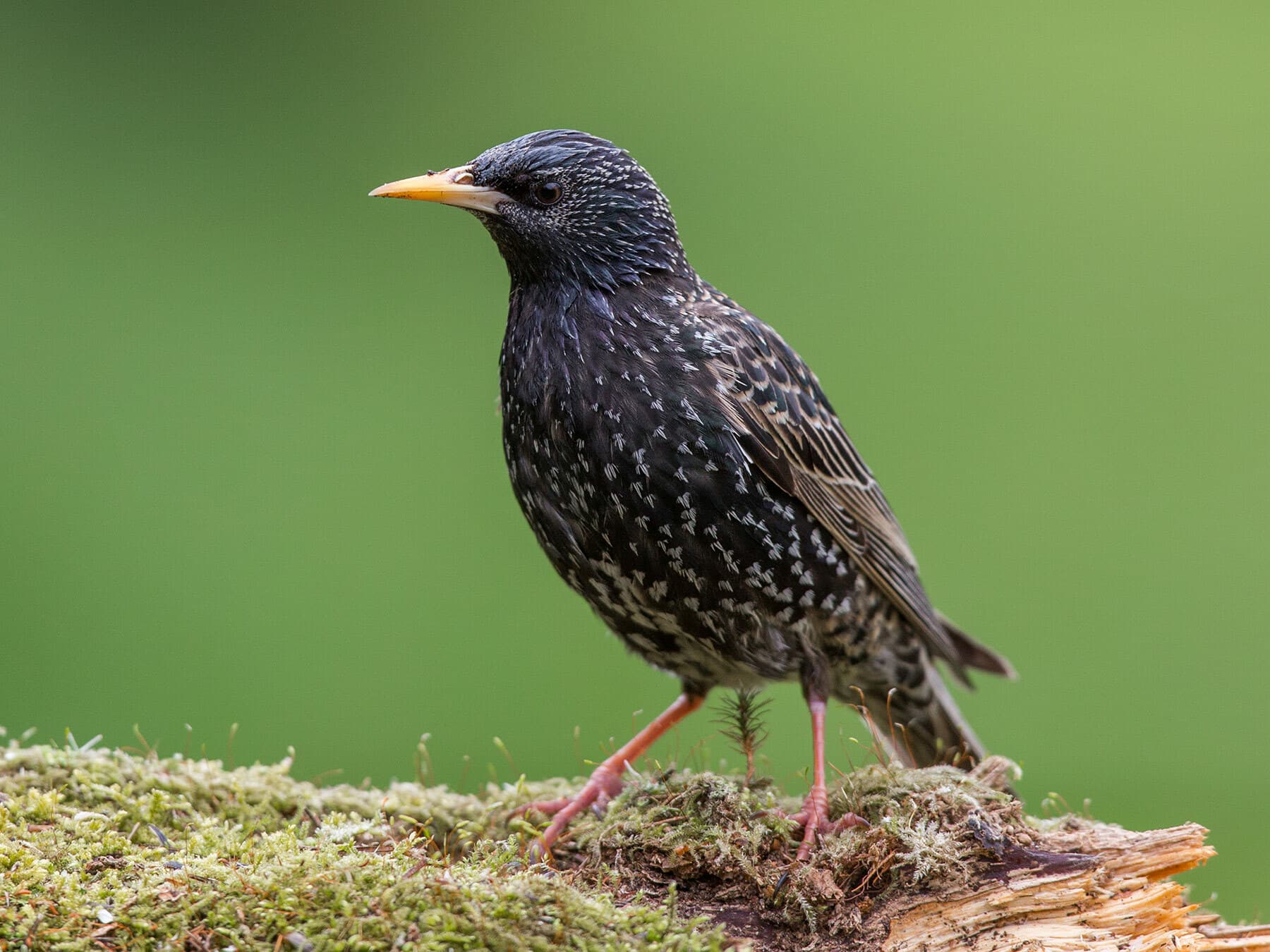 Collective nounsA murmuration of starlings, a parliament of owls: every group name and where it came from
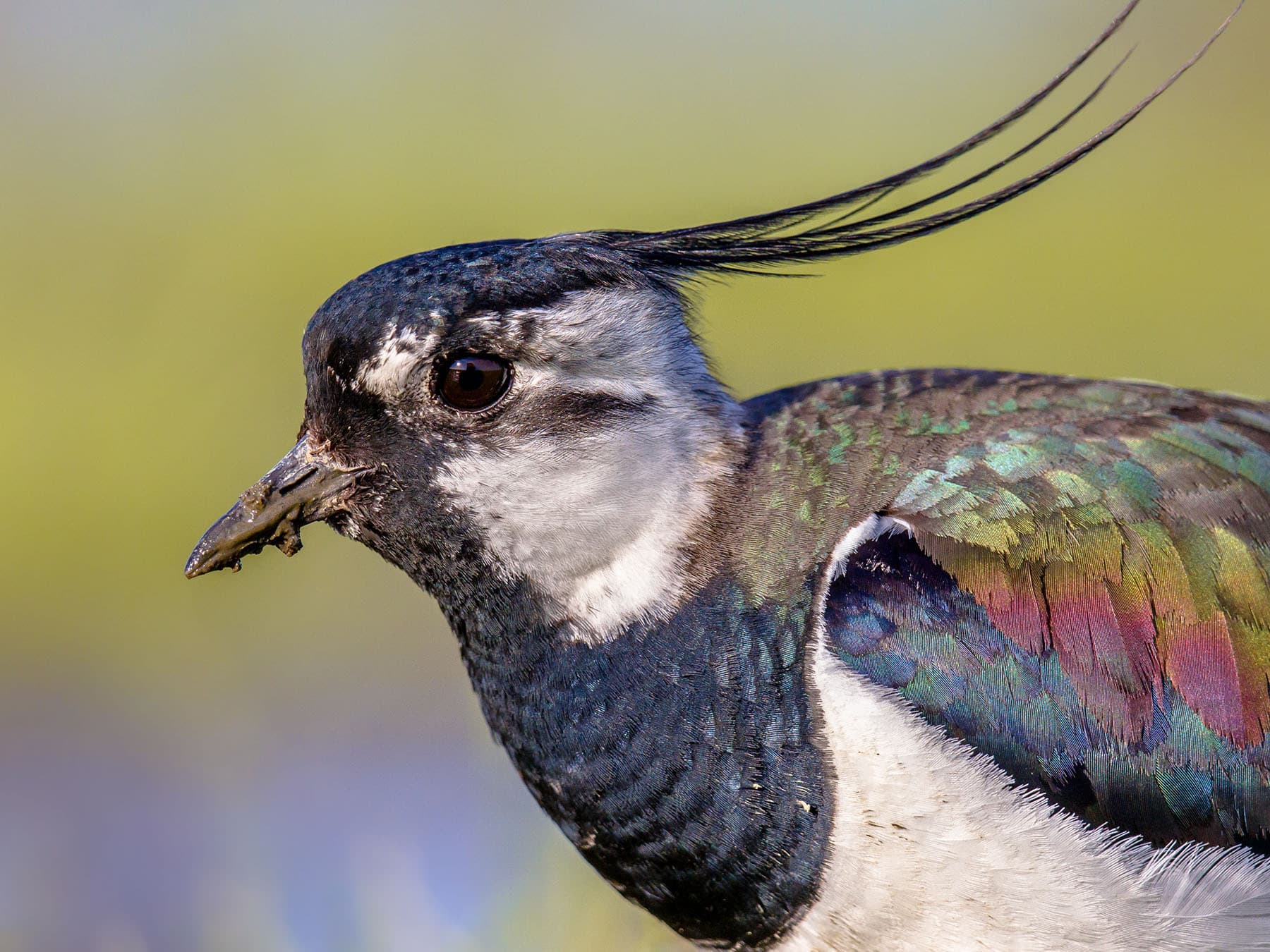 Where to see birdsWhat to look for in your county or state, month by month
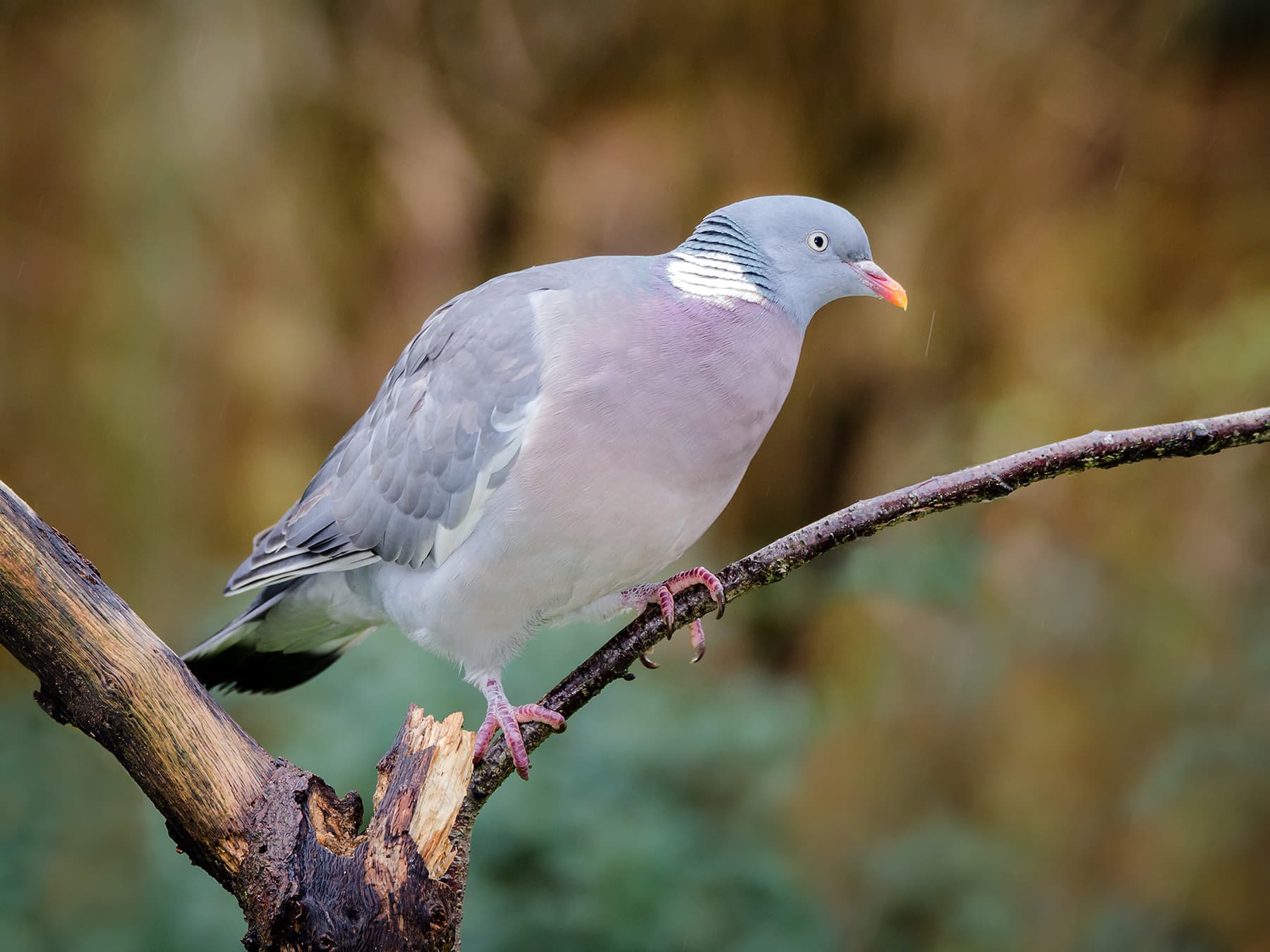 Male, female and youngHow to tell them apart, and what the young look like
- What birds eatWhat to put out, what not to, and what they eat in the wild
Most read
From search, September- 01Collective nounsWhat Is a Group of Ravens Called? Collective Nouns & The Meaning Behind Them
- 02Collective nounsWhat Is a Group of Turkeys Called? Flock, Rafter and Gang
- 03Young birdsBaby Pigeons: What They Look Like and How They Grow
- 04Collective nounsWhat Is a Group of Magpies Called? (A Tidings)
- 05NestingWillie Wagtail Nesting: A Complete Guide
- 06FolkloreIs Bird Poop Good Luck? A Look into the Myth and its Origins
Point your phone at the bird
- Photo or song
- Take a photo, or just listen.
- The one thing that proves it
- Every answer shows how we know, and its look-alike.
- Life-size in 3D
- Put the bird on your table at its real size.
- Your garden list
- Every bird you see, kept, with the date and place.