Birds in Worcestershire
Explore 181 species found in this region.
Worcestershire is a rewarding county for birdwatchers, with 179 recorded species found across its diverse habitats, from the wetlands of the Severn and Avon river valleys to the wooded slopes of the Malvern Hills. The county supports an impressive range of birdlife throughout the year, including notable species such as Northern Lapwing, Eurasian Woodcock, and Mandarin Duck, alongside winter visitors like Pink-footed Goose and Common Merganser. Whether exploring farmland, reservoirs, or ancient woodland, birders will find plenty to discover in this quintessentially English landscape.
Visiting in April? Look out for Arctic Tern and Bar-tailed Godwit arriving this month, and Barn Owl and Cattle Egret depart for the season.


Showing 1–23 of 181 species
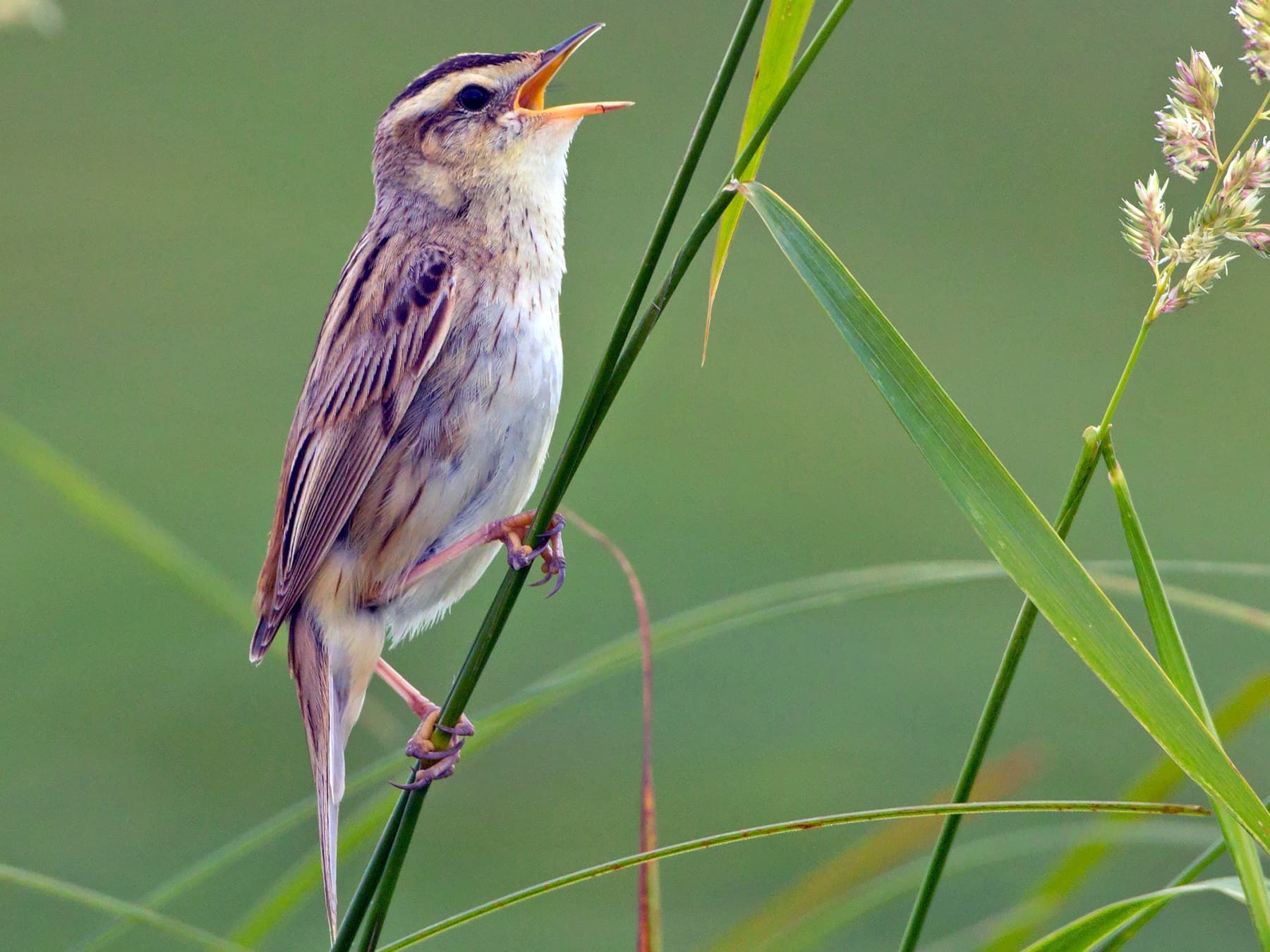
Aquatic Warbler
Acrocephalus paludicolaVU
An exceptionally rare passage migrant, with occasional summer records. One of Europe's most threatened warblers, favouring marshy wetland edges.
Jun–Jul
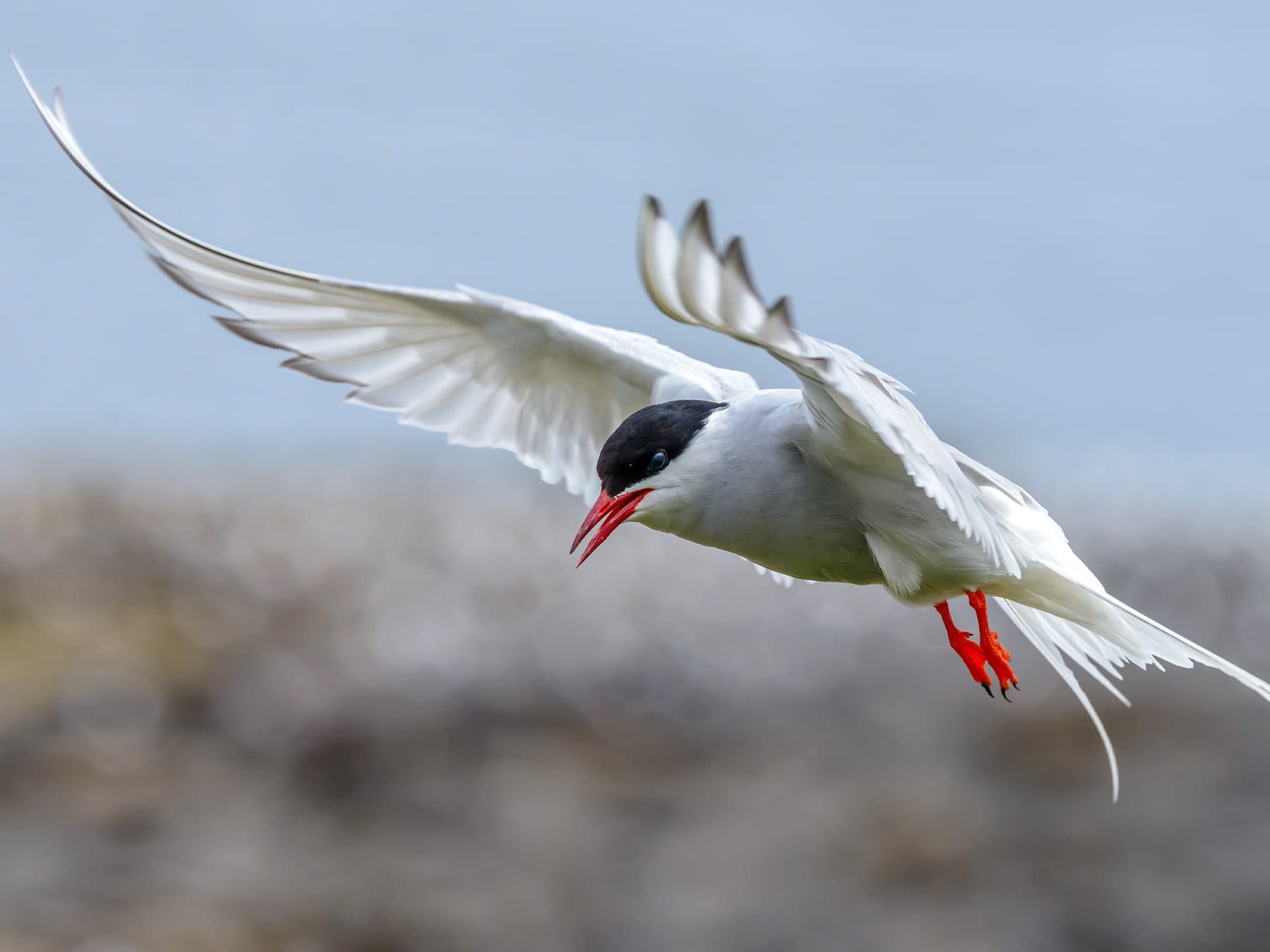
Arctic Tern
Sterna paradisaeaLC
A rare spring passage migrant, occasionally noted over county reservoirs in April en route to northern breeding grounds.
Apr
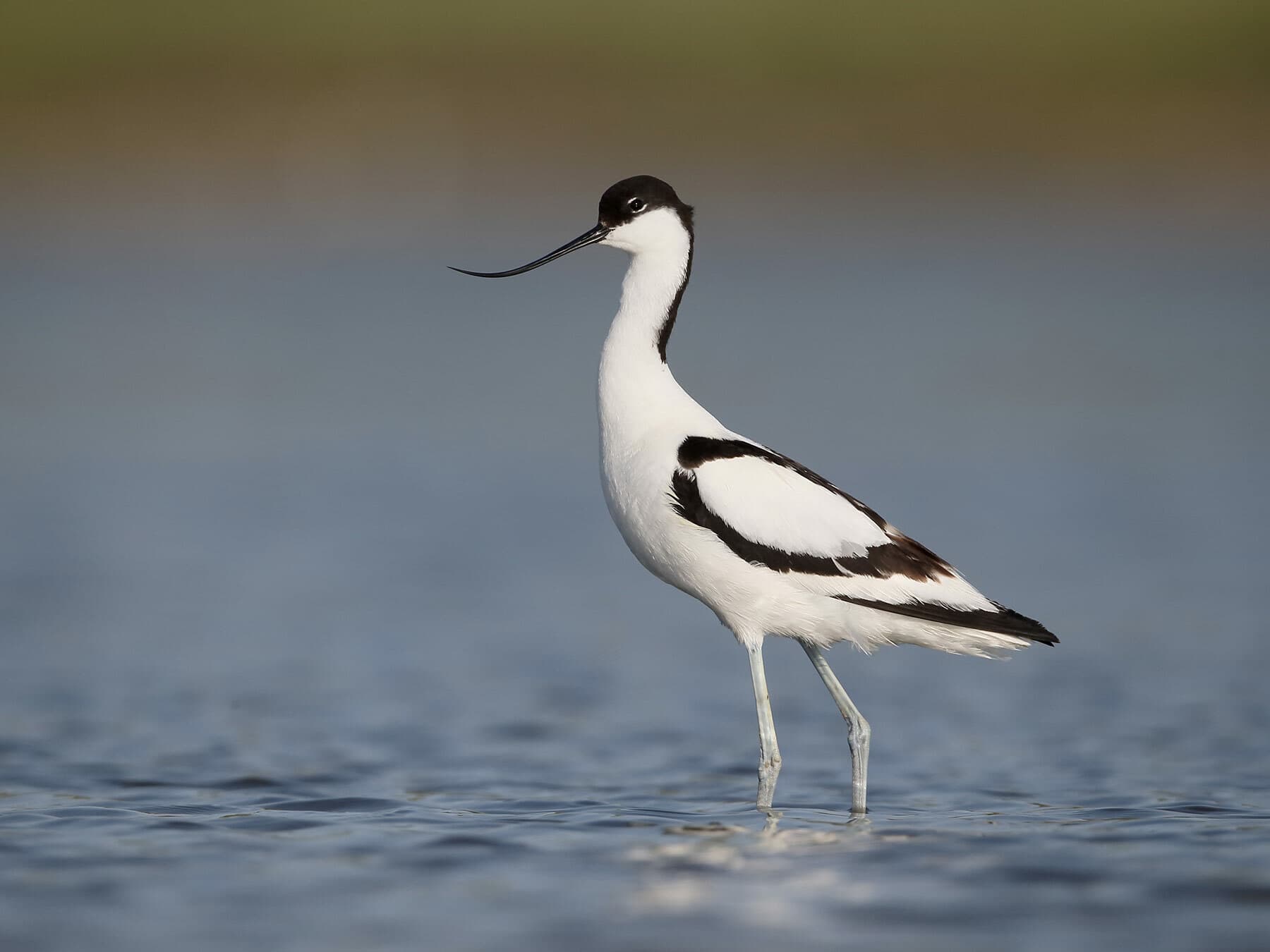
Avocet
Recurvirostra avosettaLC
An uncommon breeder at shallow pools and scrapes, mainly at Upton Warren, present from late winter through to autumn.
Feb–Oct
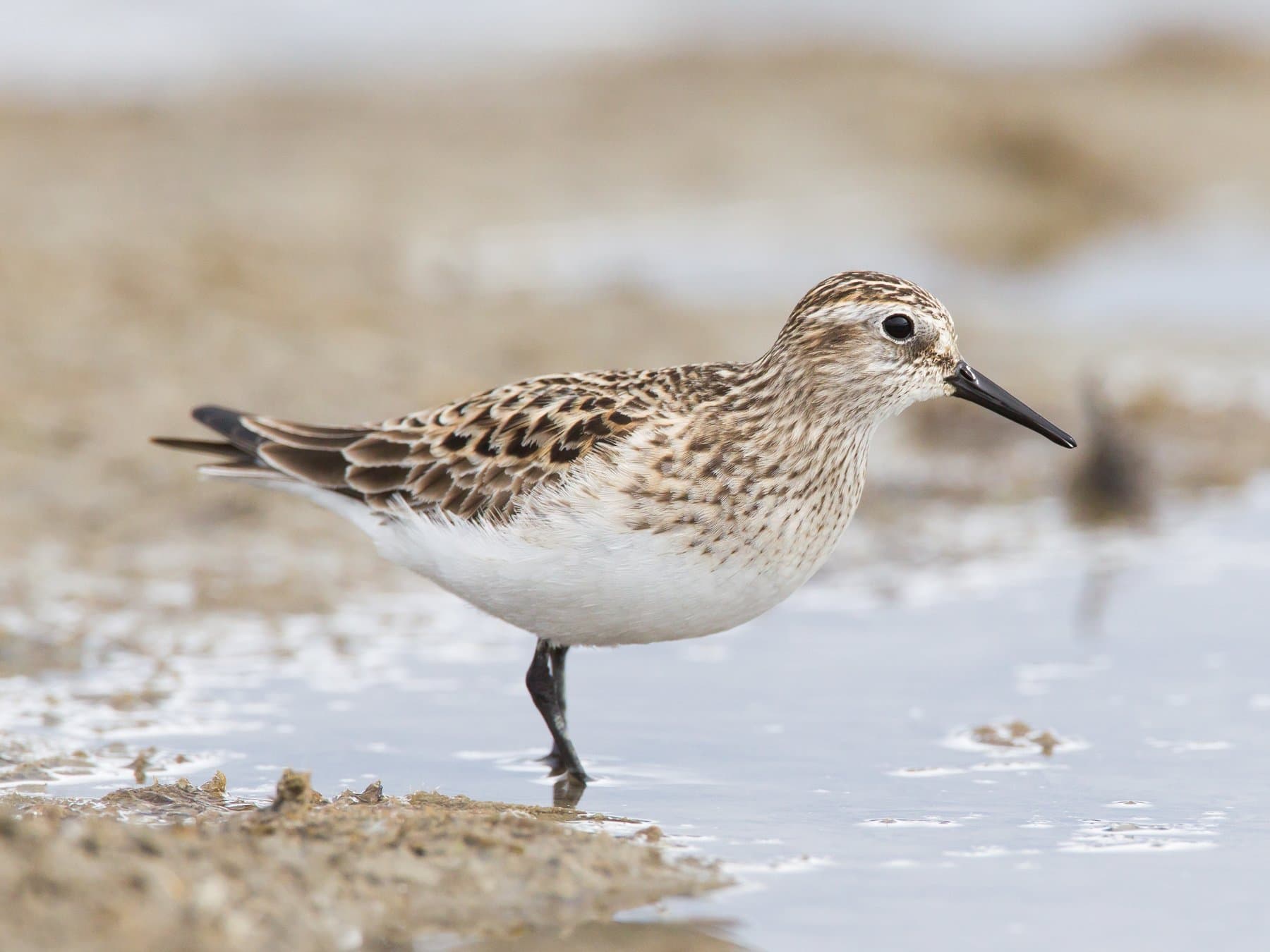
Baird's Sandpiper
Calidris bairdiiLC
A Nearctic vagrant, exceptionally rare in Worcestershire with records in September at reservoir margins.
Sep
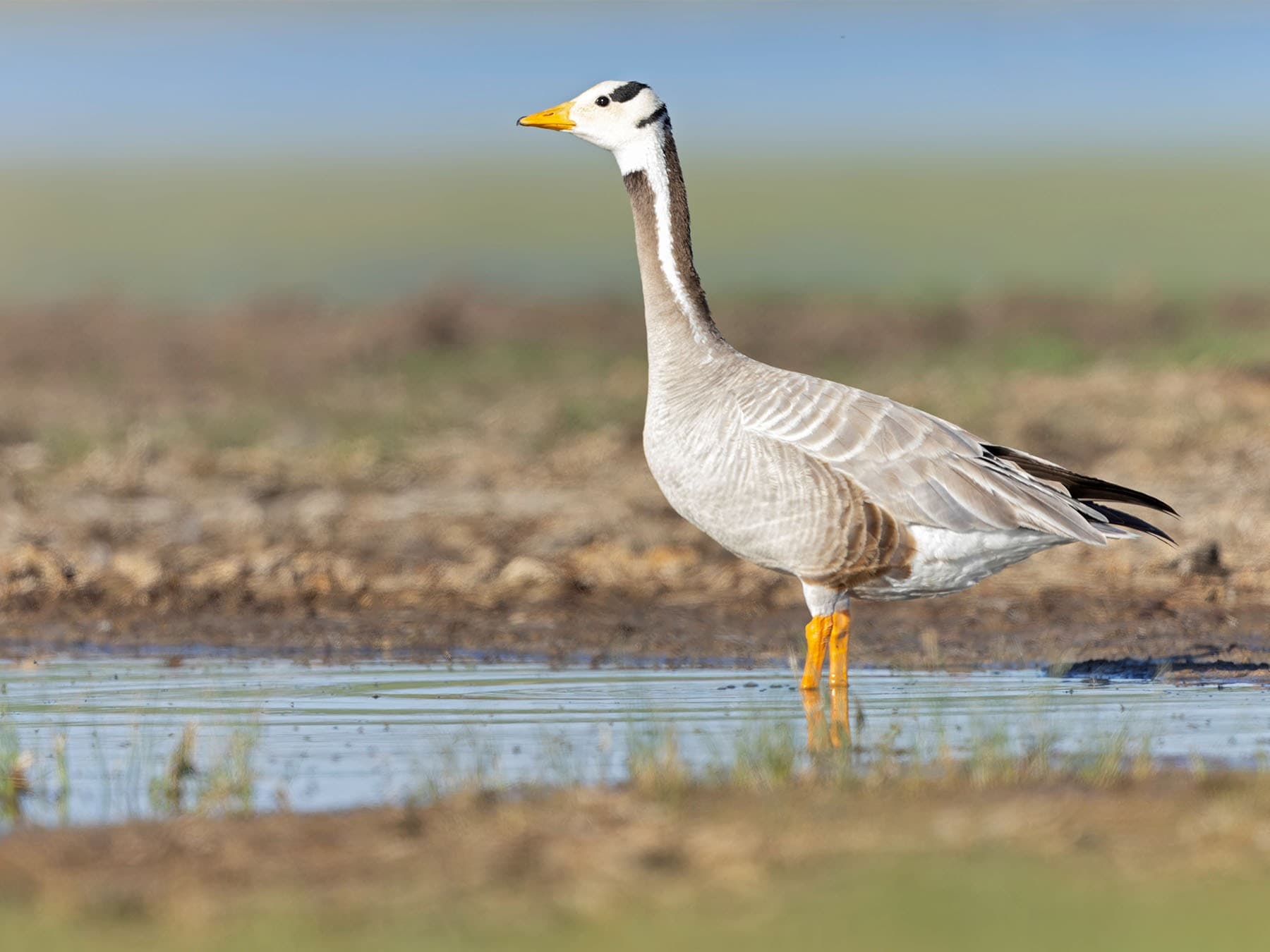
Bar-headed Goose
Anser indicusLC
A rare passage visitor, occasionally recorded in August. Most sightings likely involve escapees from wildfowl collections.
Aug
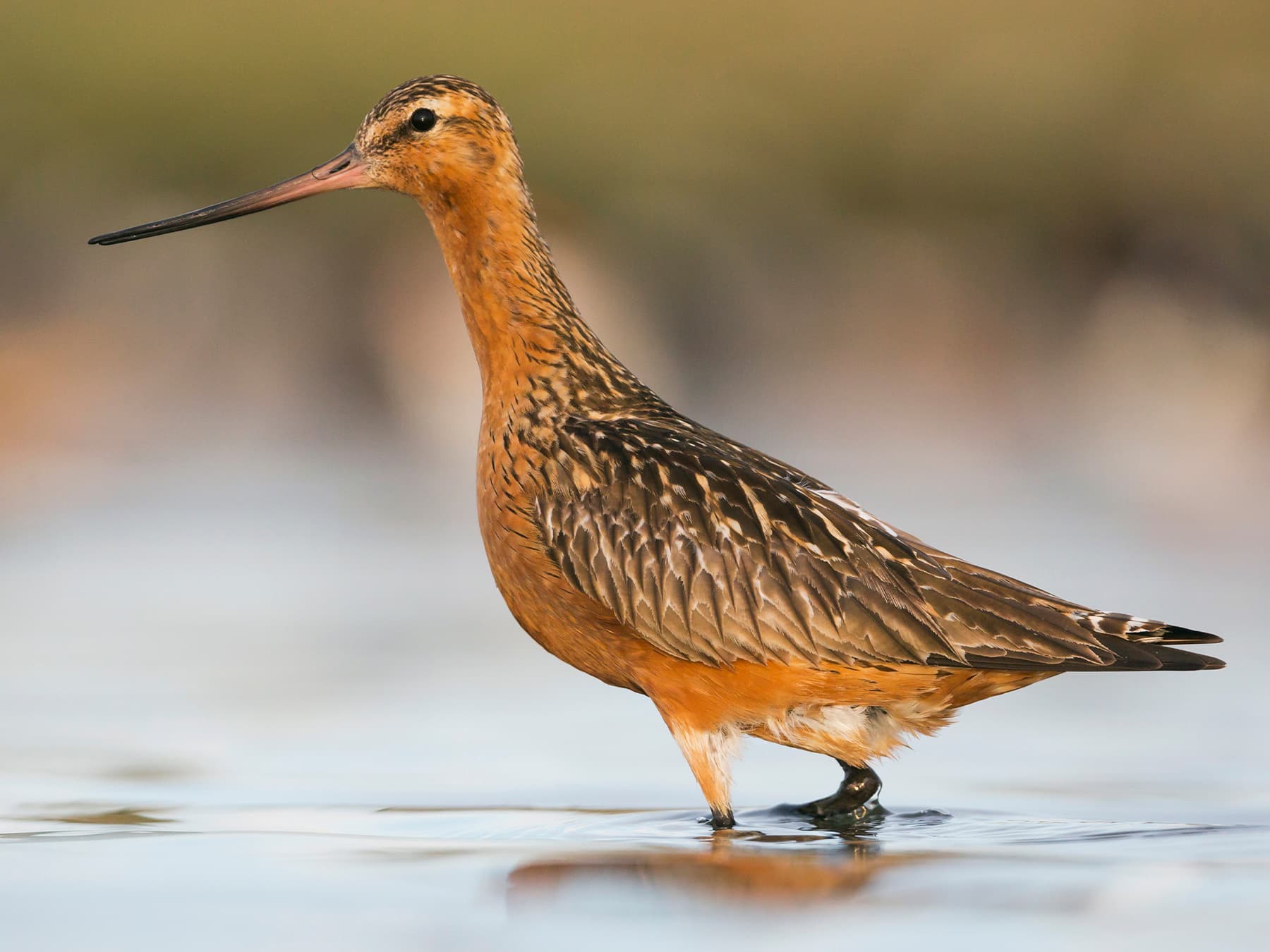
Bar-tailed Godwit
Limosa lapponicaNT
A rare spring passage migrant, occasionally stopping at flooded fields and reservoir margins in April and May en route to Arctic breeding grounds.
Apr–May
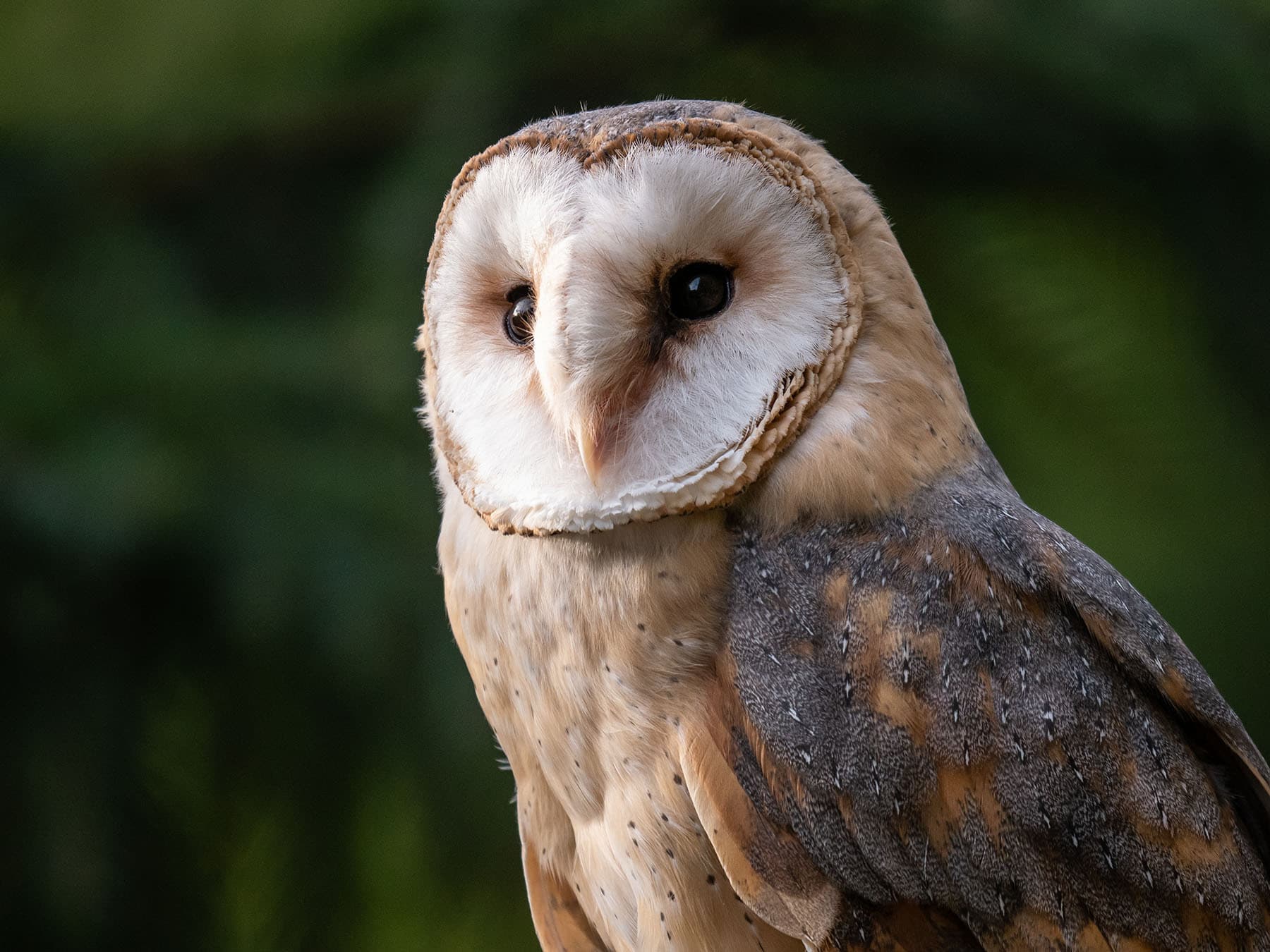
Barn Owl
Tyto albaLC
A scarce resident of farmland and rough grassland, hunting along hedgerows and field edges at dusk.
Jun–Mar
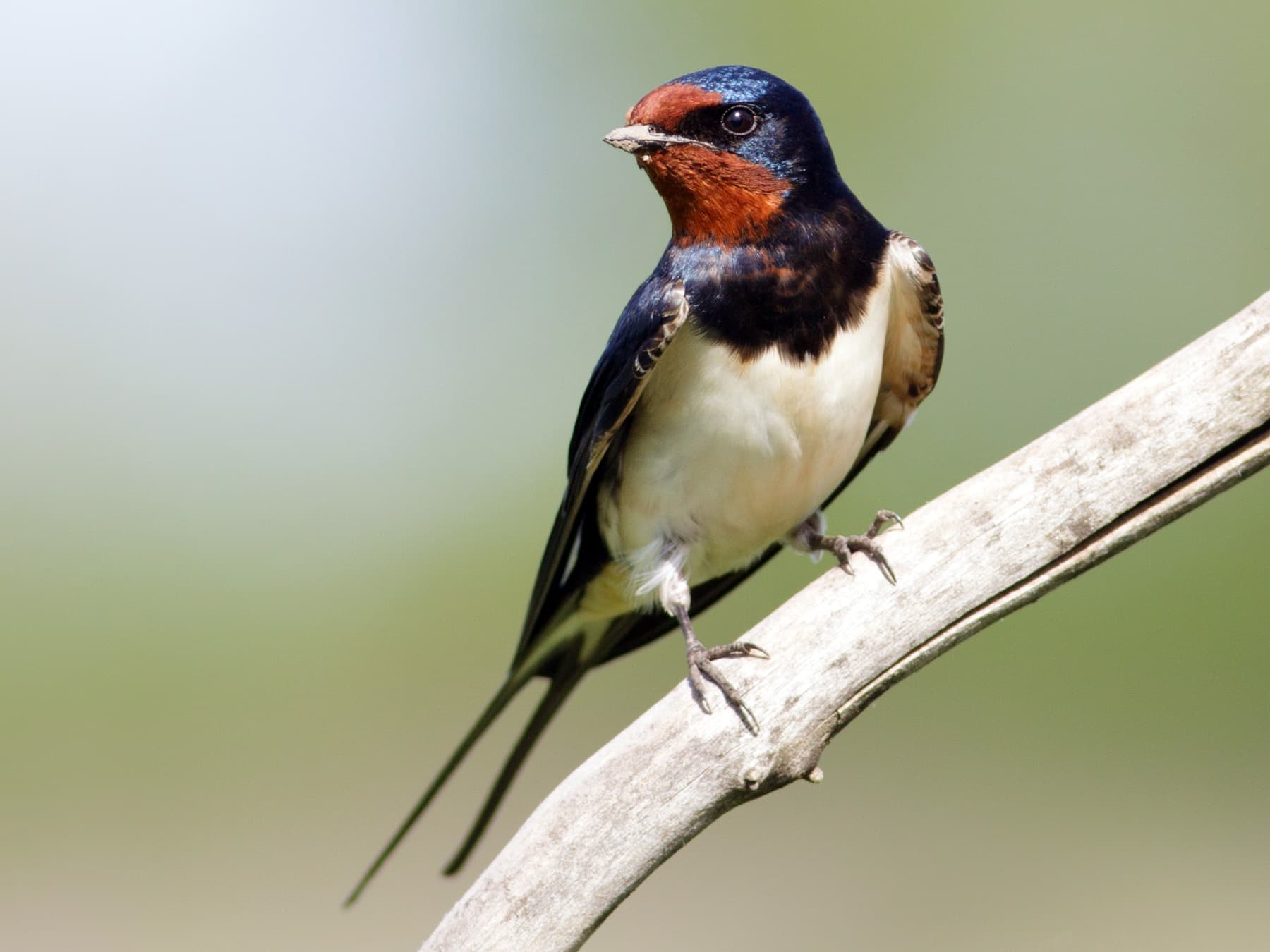
Barn Swallow
Hirundo rusticaLC
A common summer visitor breeding in barns and outbuildings across the county from March to October. Numbers have declined in recent decades.
Mar–Oct
Spotted something?
Upload a photo to identify it
Identify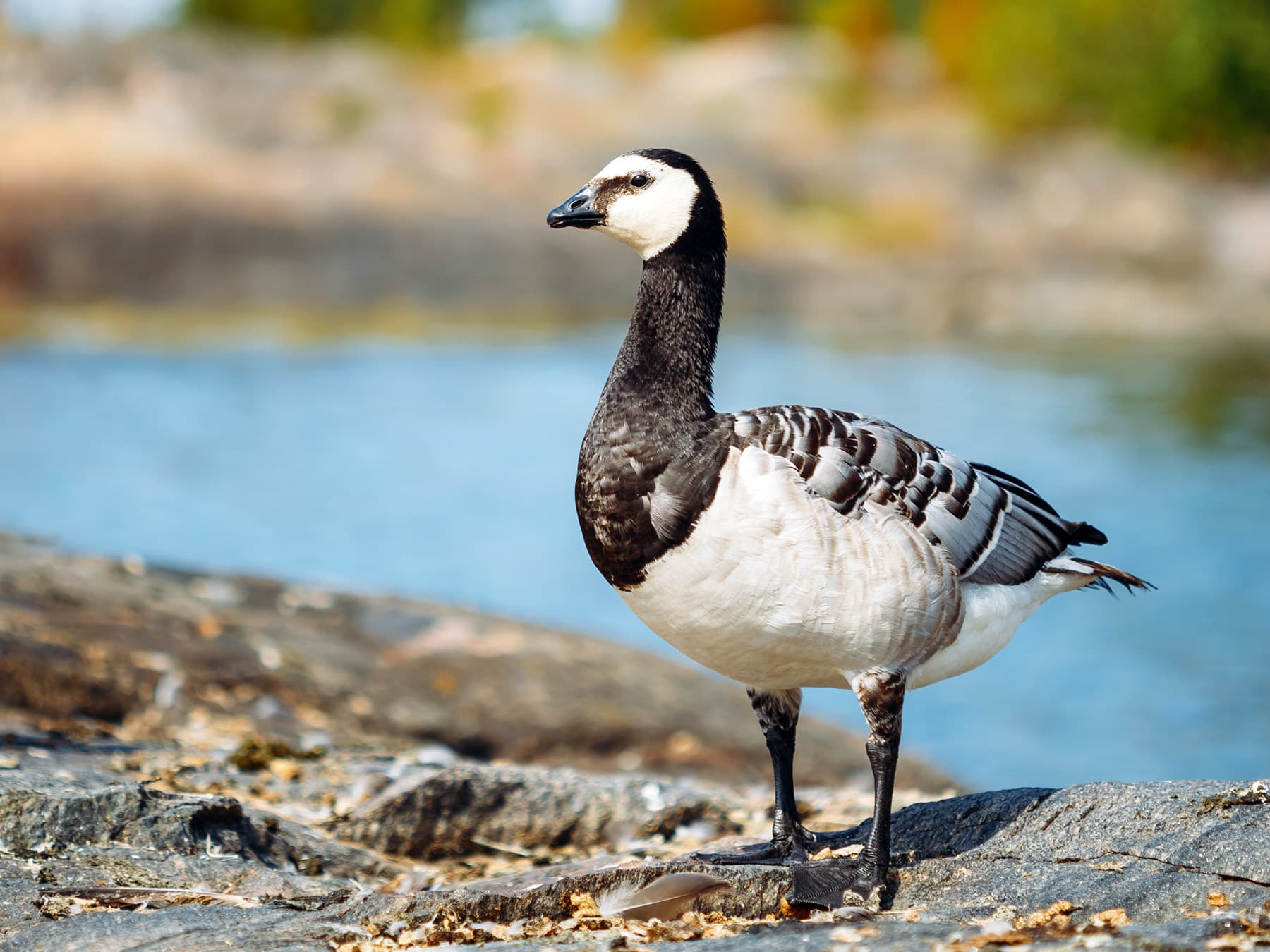
Barnacle Goose
Branta leucopsisLC
A rare passage visitor noted in January and October. Most records likely involve feral birds or storm-displaced individuals.
Oct–Jan
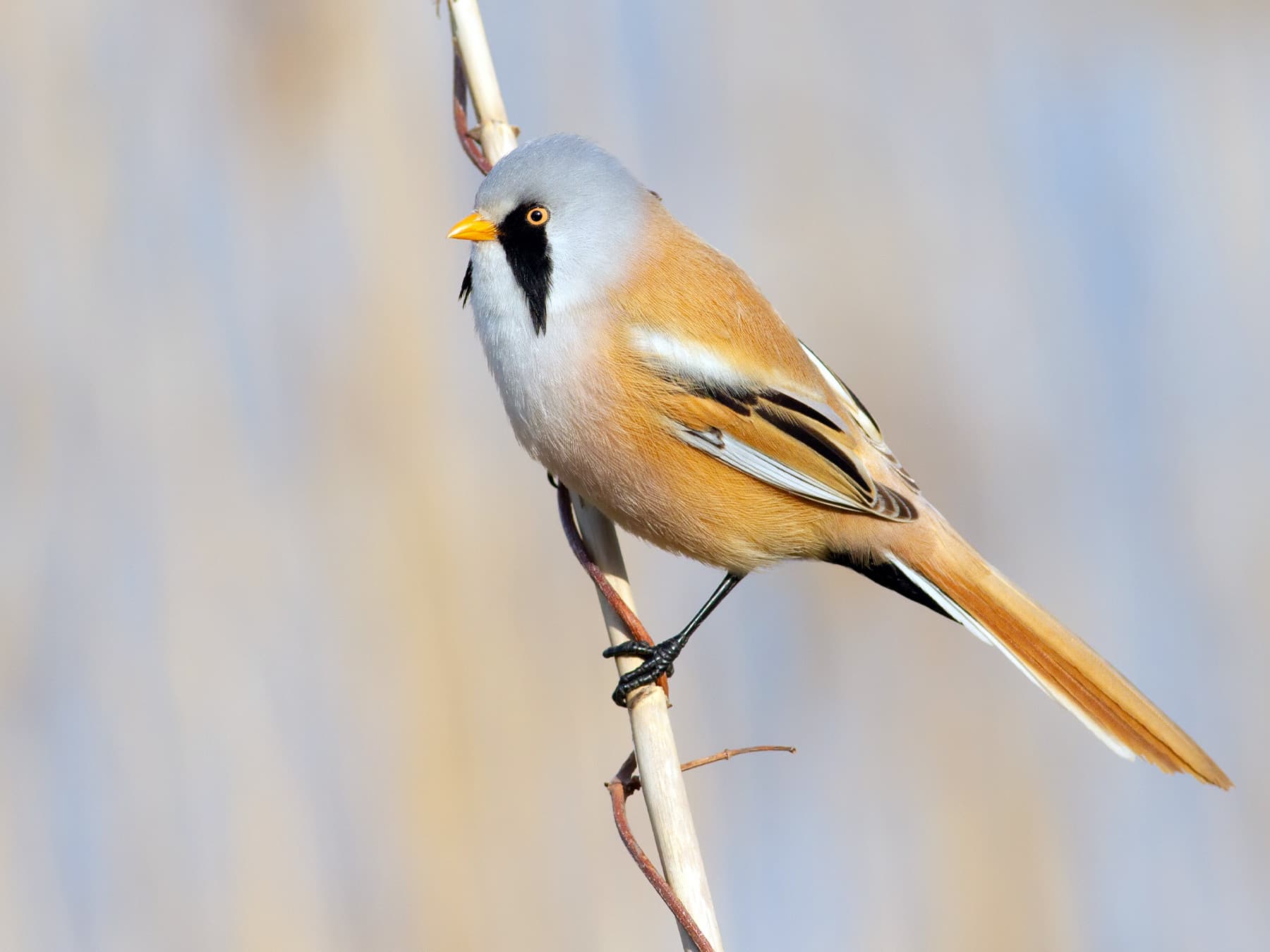
Bearded Tit
Panurus biarmicusLC
A rare autumn passage visitor, occasionally turning up at reedbed sites in October and November during dispersal movements.
Oct–Nov
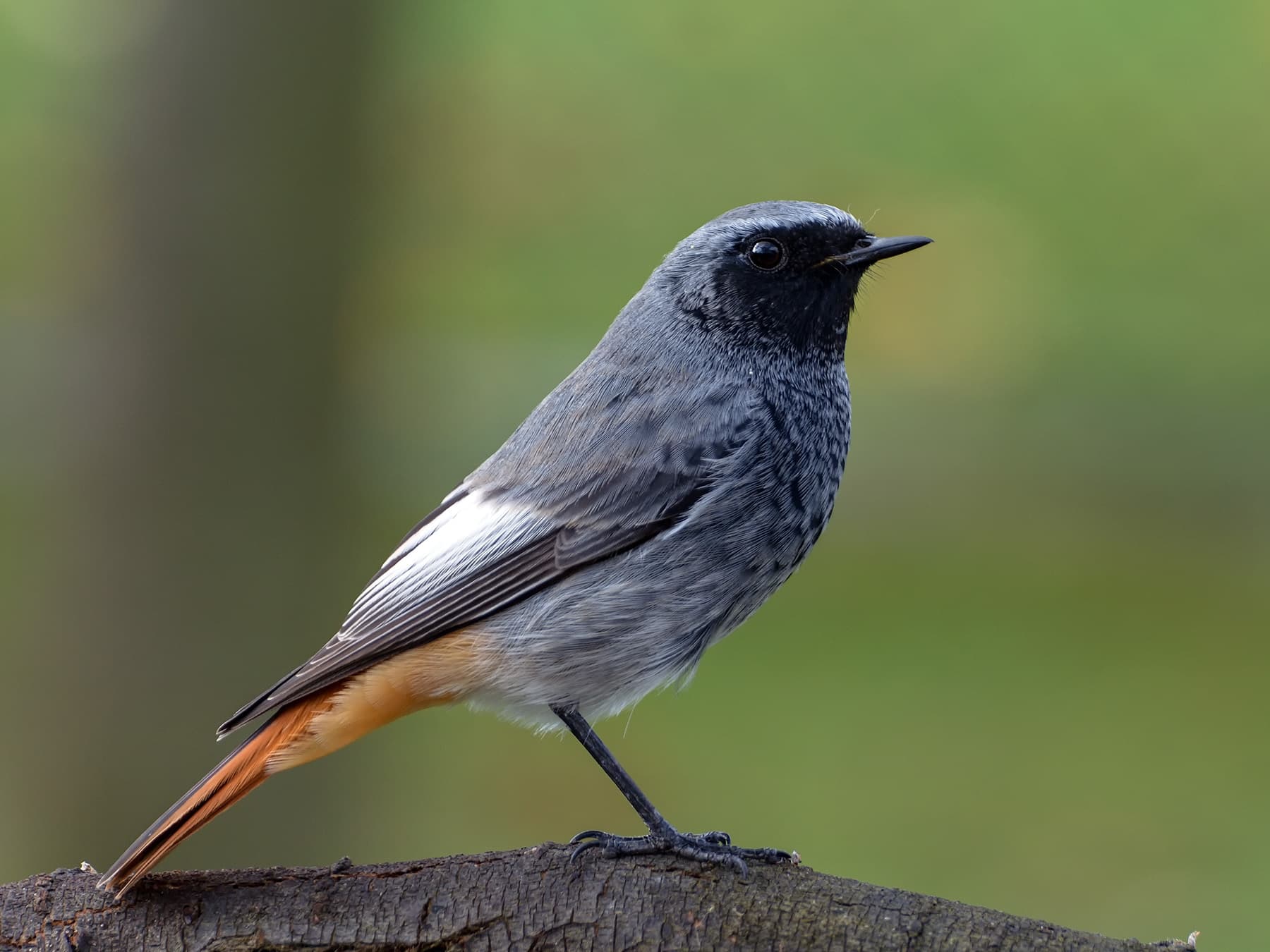
Black Redstart
Phoenicurus ochrurosLC
A rare passage visitor with occasional winter records. May turn up around industrial sites or buildings, its preferred urban habitat.
Dec
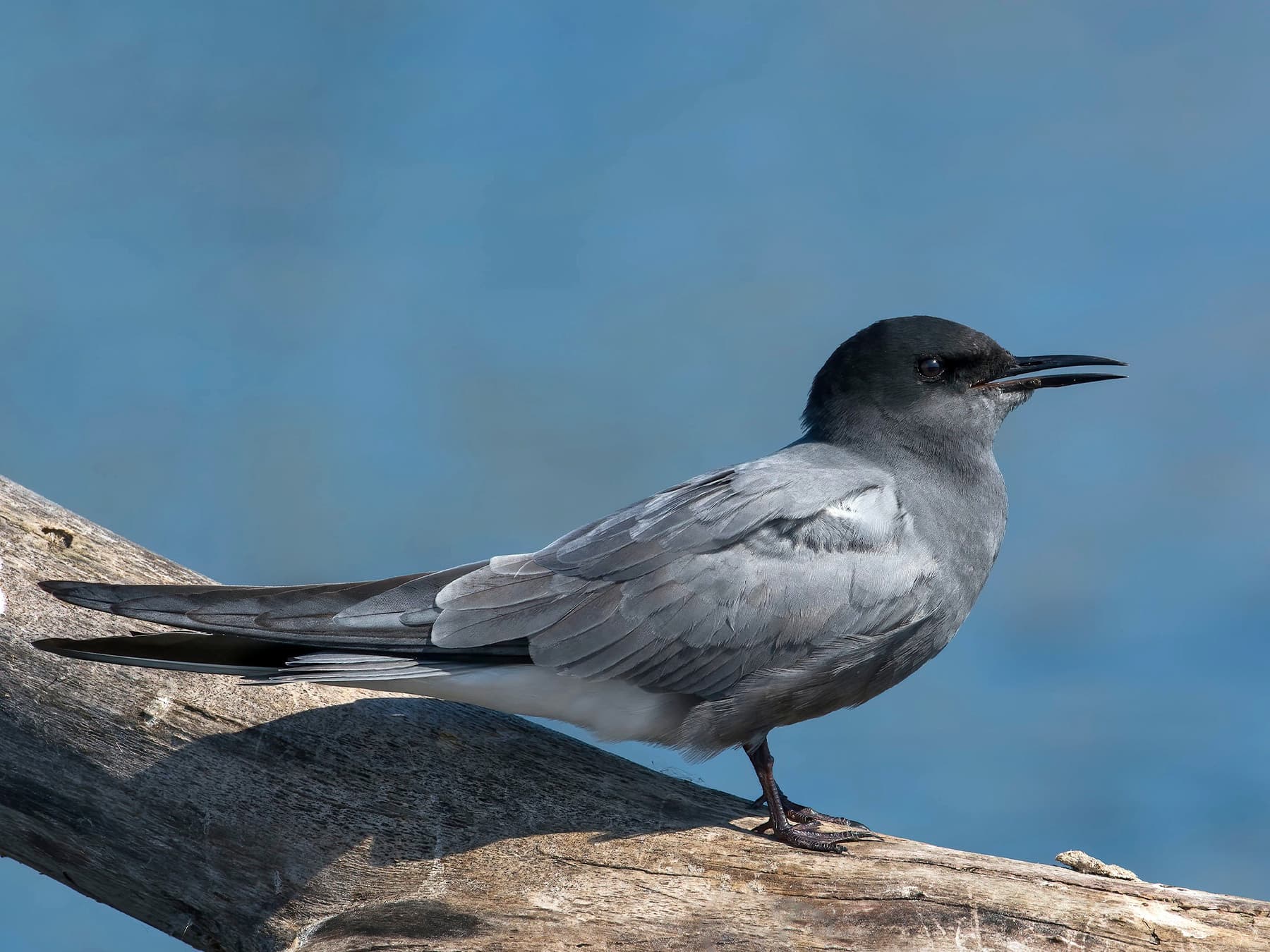
Black Tern
Chlidonias nigerLC
A rare passage migrant, appearing over reservoirs and gravel pits in May and again in late summer. Elegant dark plumage is distinctive.
May–Sep
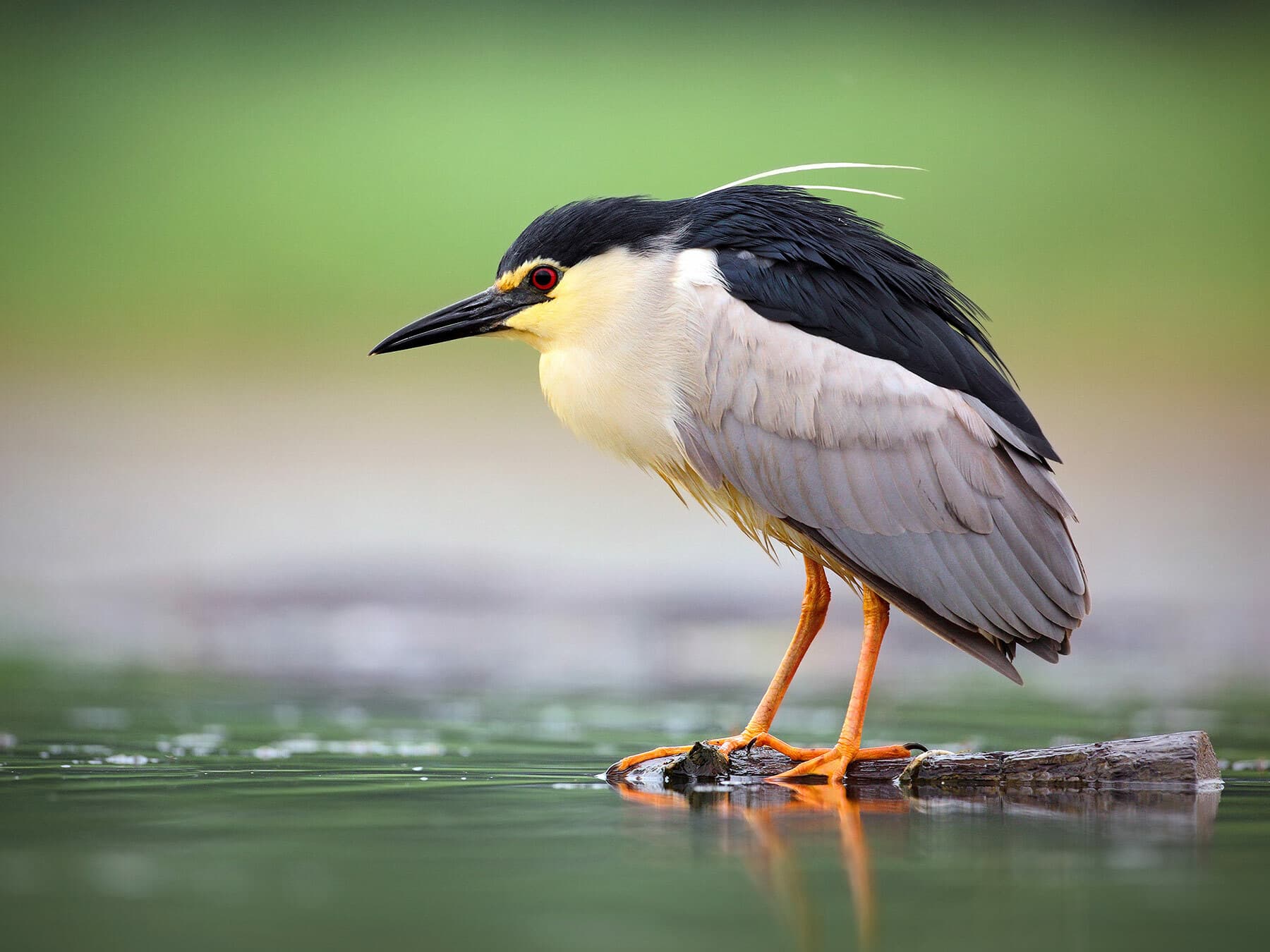
Black-crowned Night-heron
Nycticorax nycticoraxLC
An uncommon passage visitor in July, occasionally noted at wetland fringes. Crepuscular habits make detection difficult at Worcestershire sites.
Jul
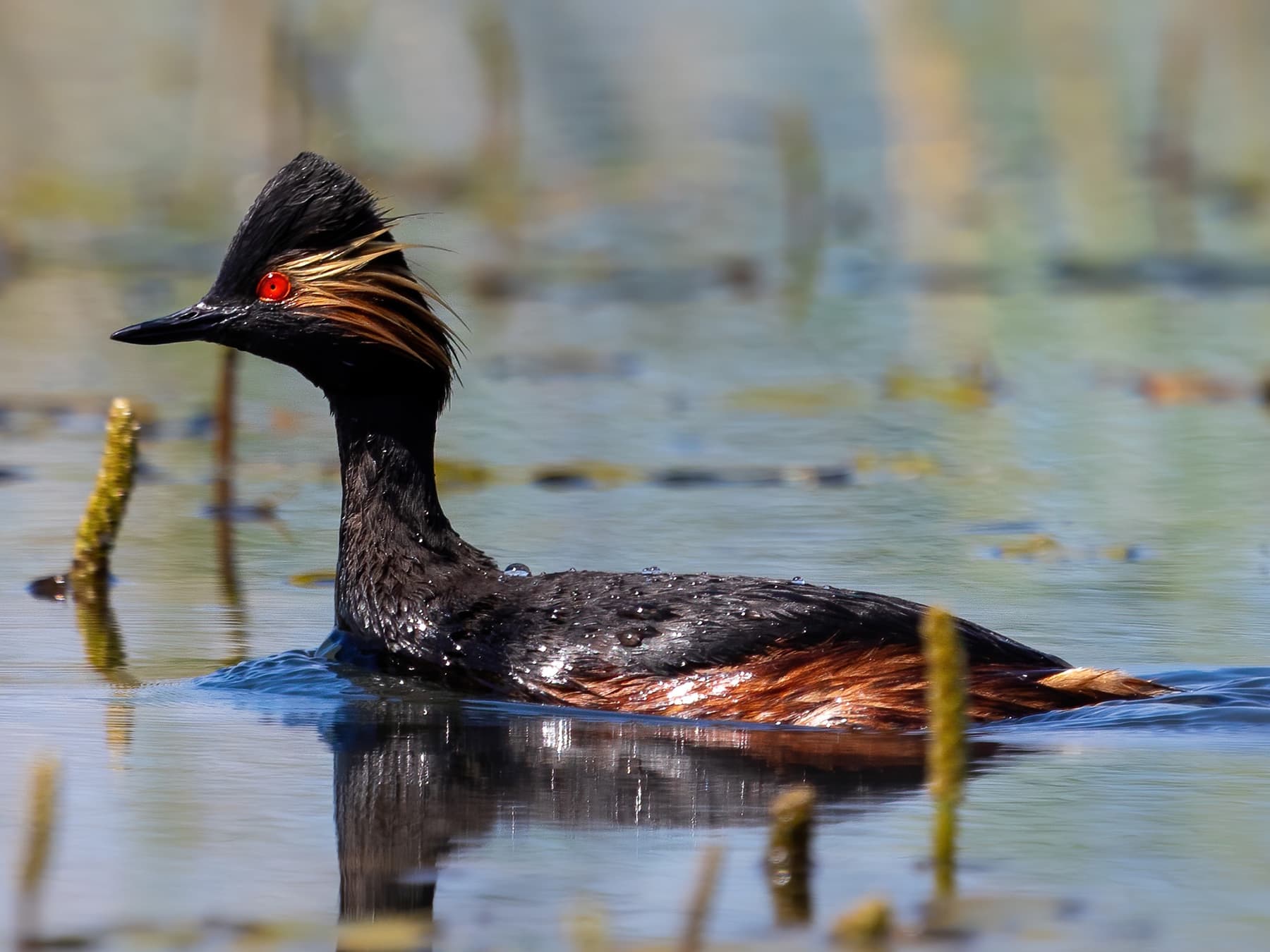
Black-necked Grebe
Podiceps nigricollisLC
A rare passage visitor, occasionally spotted on reservoirs and pools in April and November. Upton Warren is a favoured site for this scarce grebe.
Nov–Apr
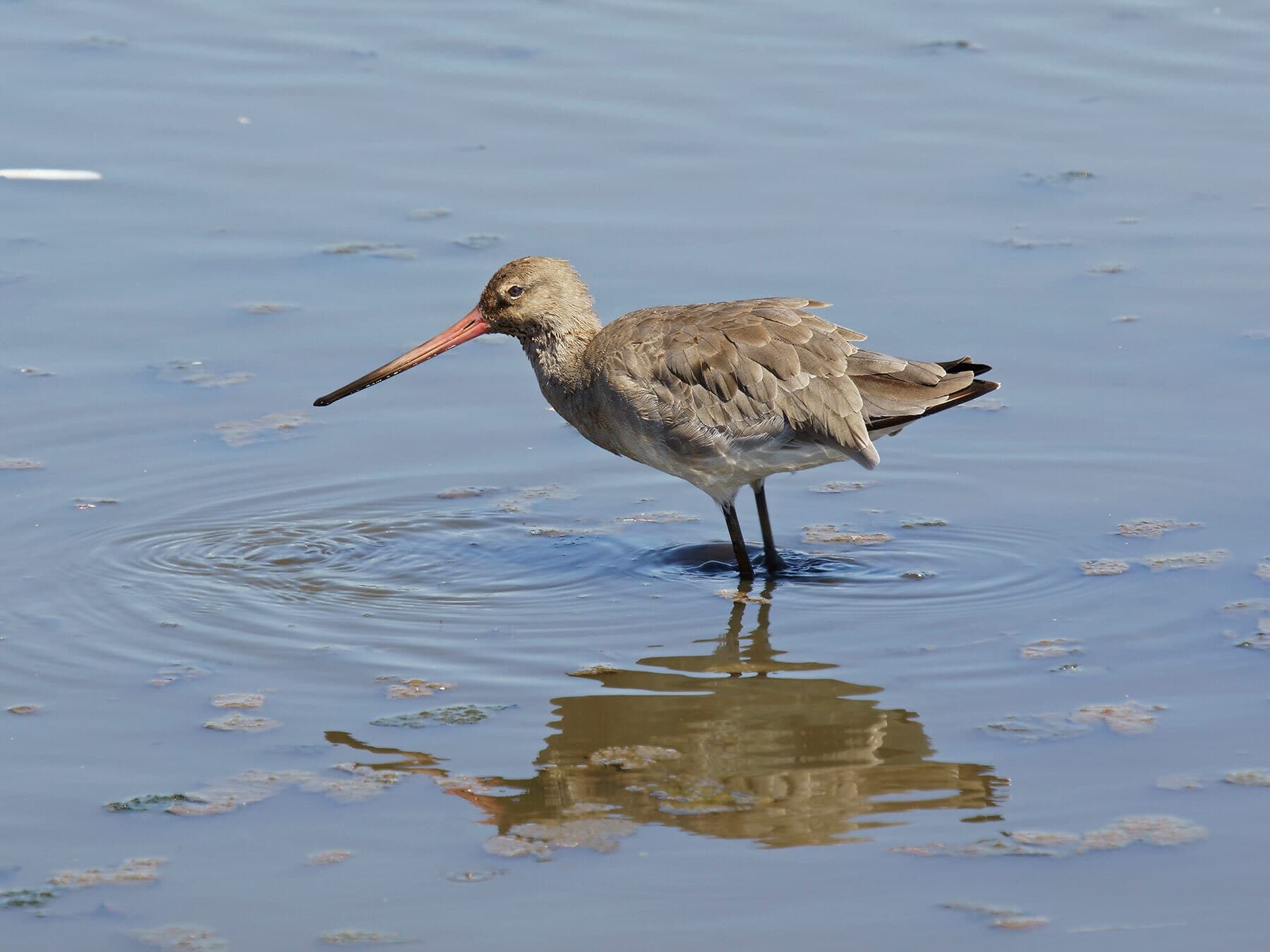
Black-tailed Godwit
Limosa limosaNT
A rare breeder present March to September on wet grasslands. The county's flood meadows provide important habitat.
Mar–Sep
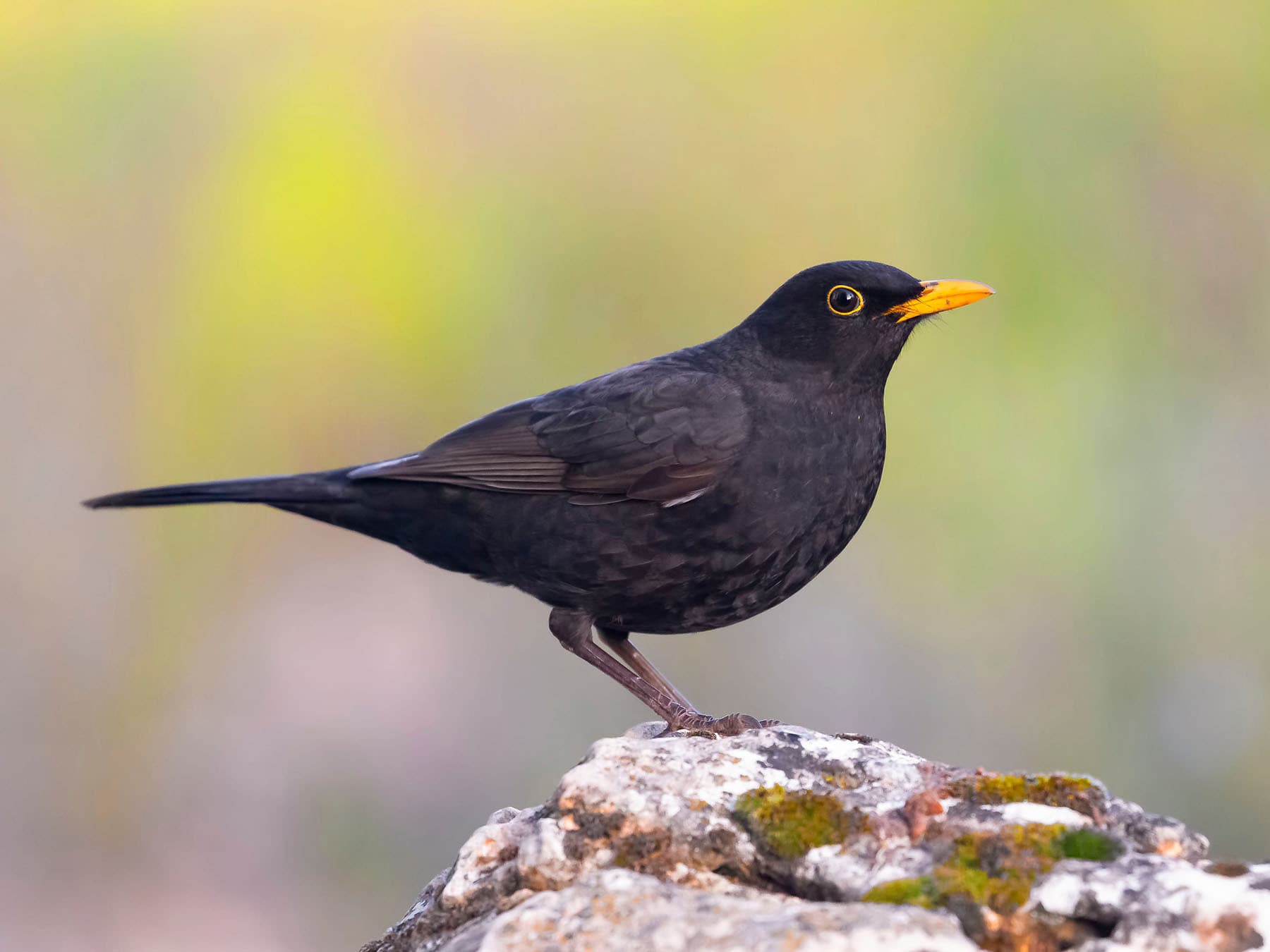
Blackbird
Turdus merulaLC
One of the county's most abundant and familiar birds, thriving in gardens, hedgerows and woodland. Numbers are boosted in winter by continental migrants.
Year-round
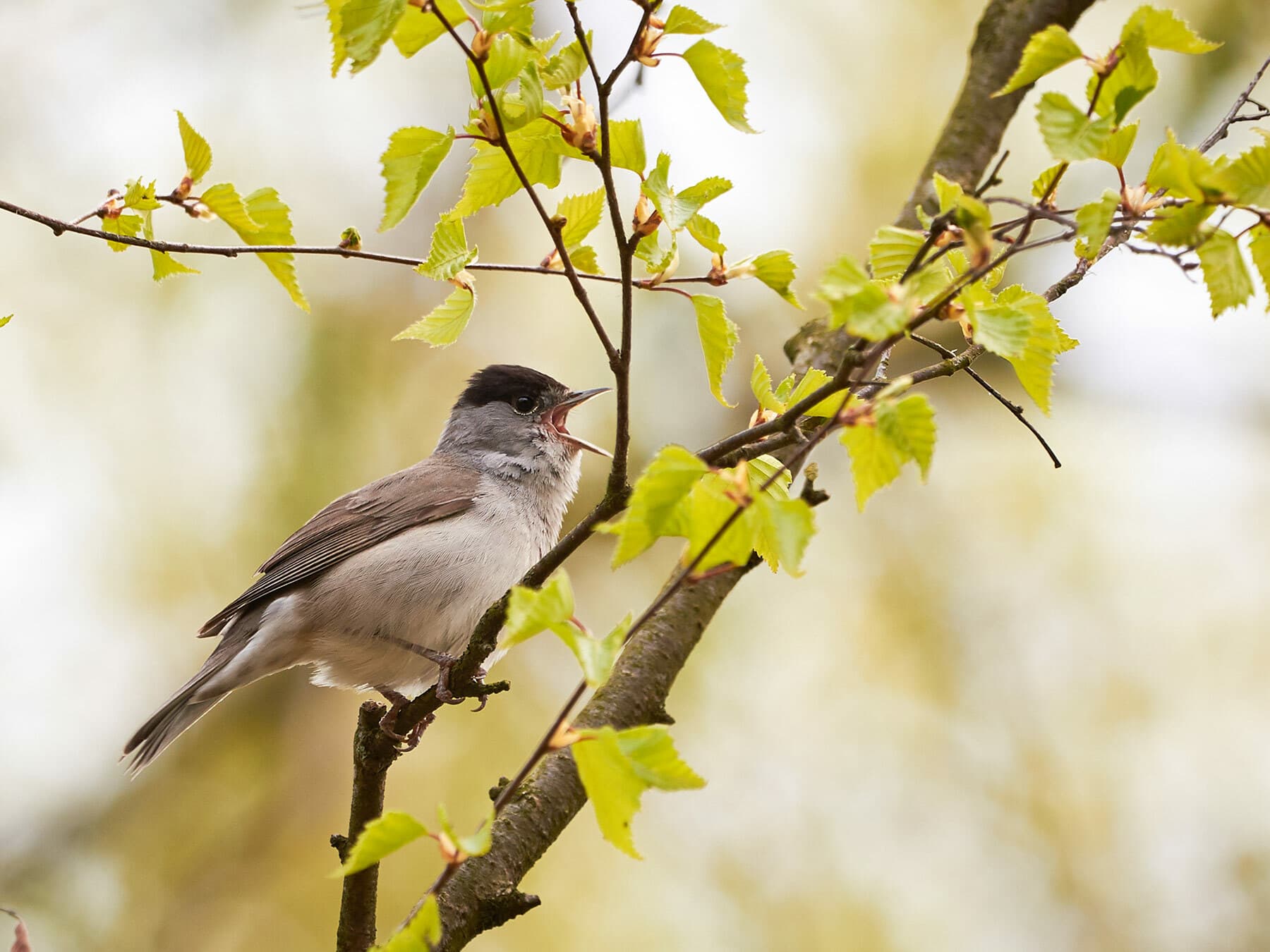
Blackcap
Sylvia atricapillaLC
Common year-round, breeding in woodland and scrub. Wintering birds from central Europe supplement the population, visiting gardens for berries and fruit.
Year-round
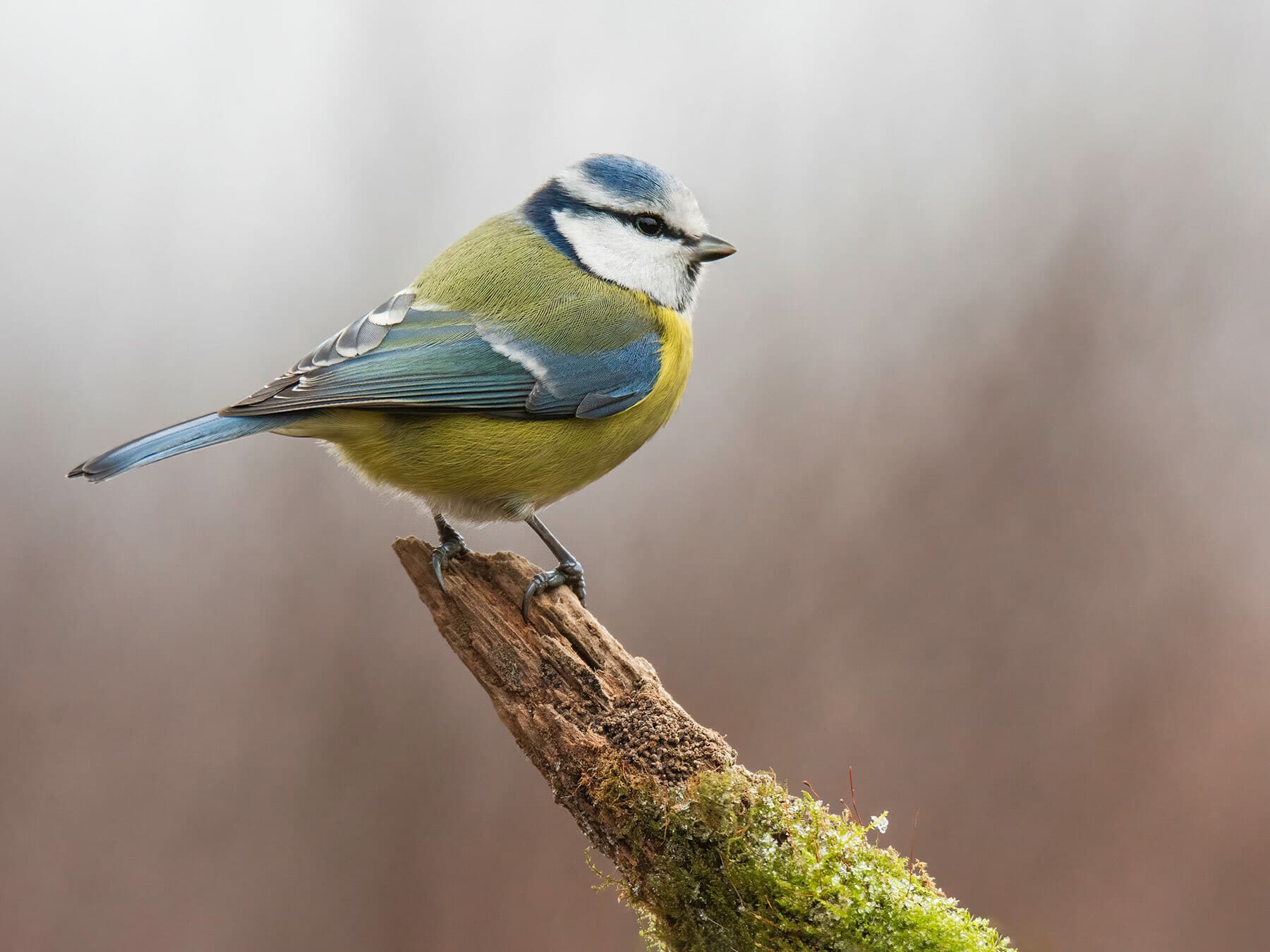
Blue Tit
Cyanistes caeruleusLC
One of the most abundant garden birds in the county, present year-round. A regular visitor to feeders and a keen user of nest boxes.
Year-round
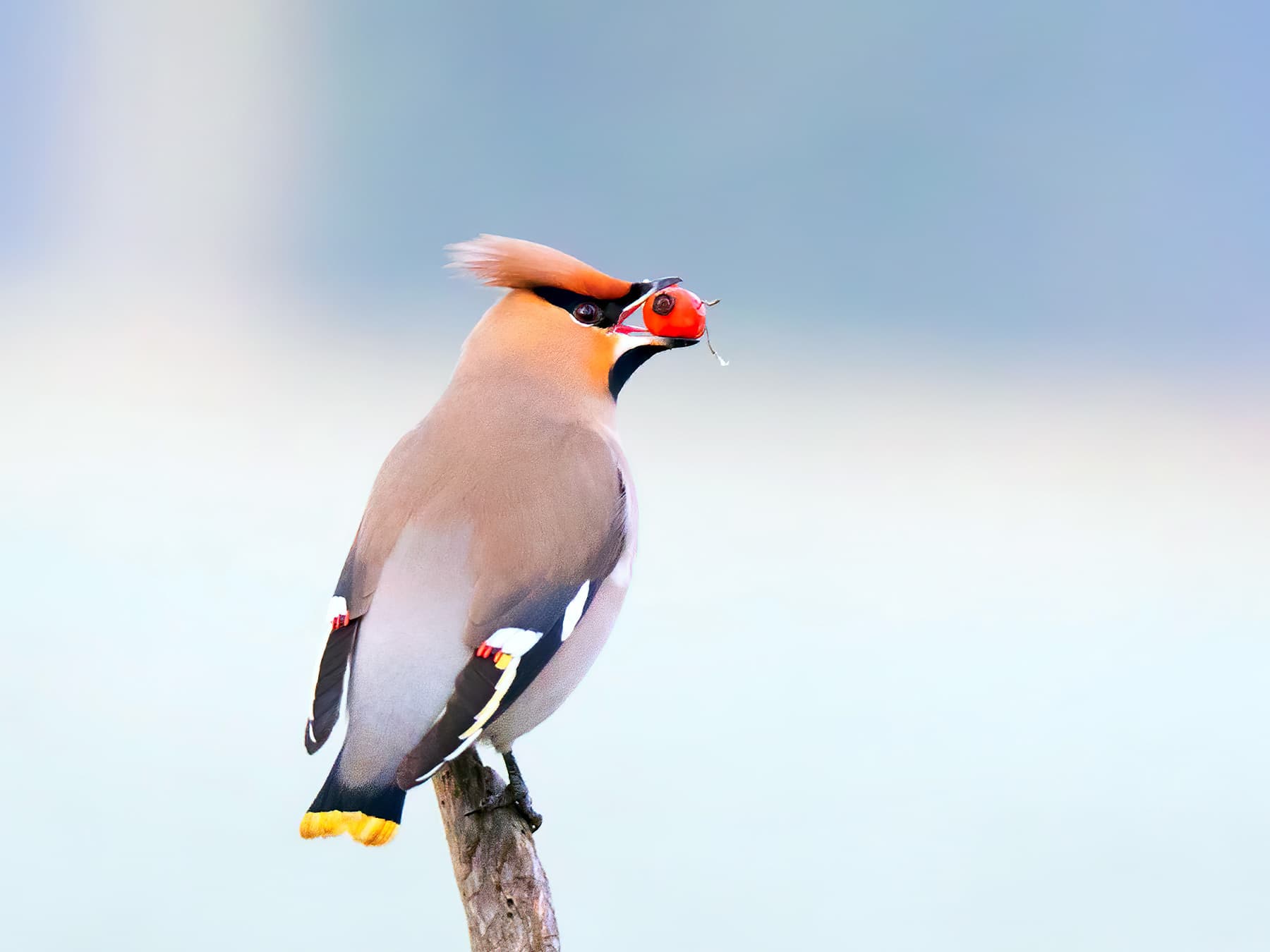
Bohemian Waxwing
Bombycilla garrulusLC
An irruptive winter visitor, rarely reaching Worcestershire. In invasion years, small flocks may feed on berry-laden trees in towns.
Jan
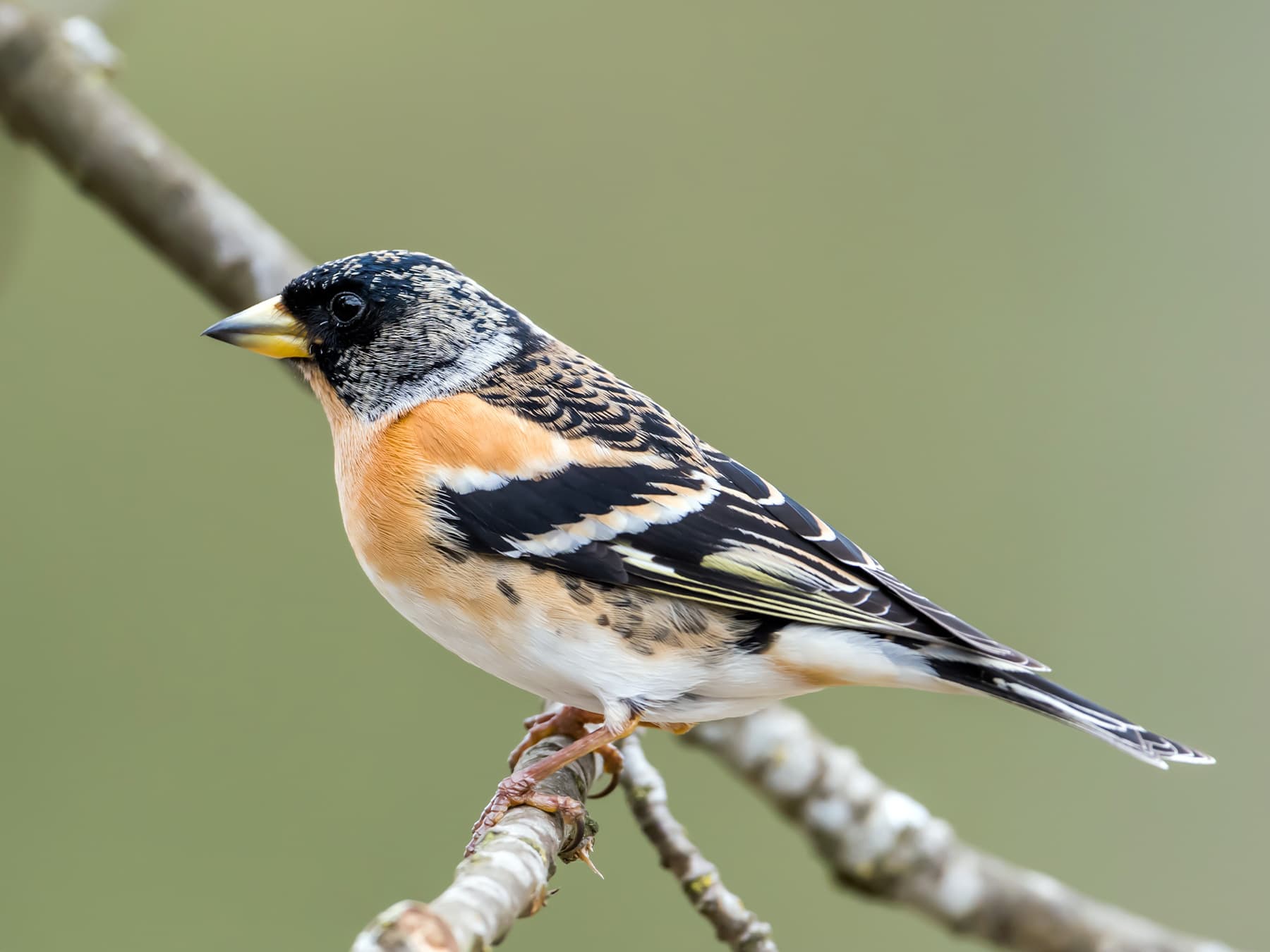
Brambling
Fringilla montifringillaLC
A rare winter visitor from Scandinavia, occasionally joining chaffinch flocks on farmland and beneath beech trees from October to April. Numbers vary annually.
Oct–Apr
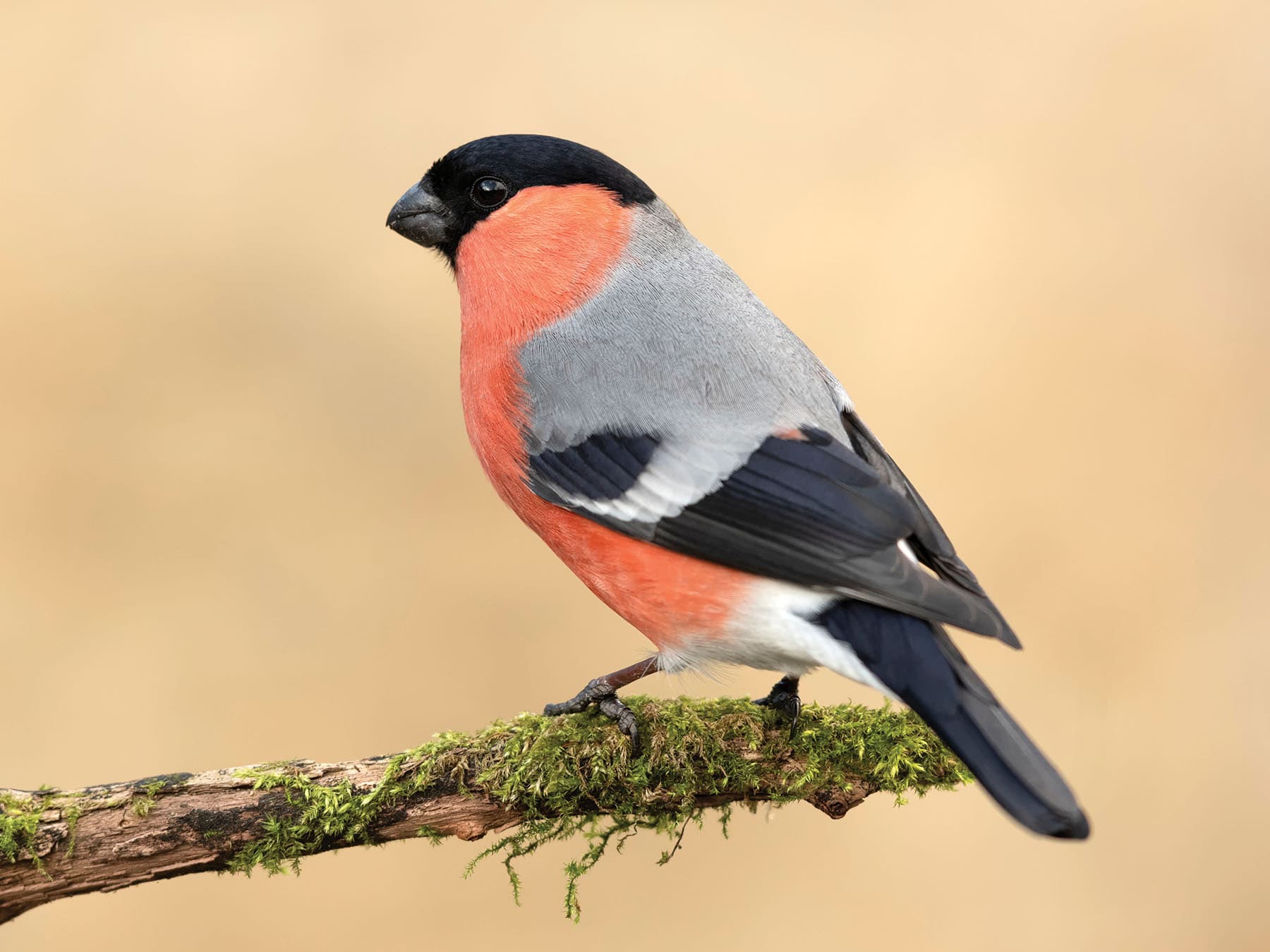
Bullfinch
Pyrrhula pyrrhulaLC
An uncommon but widespread resident of hedgerows, orchards, and woodland edges. Often visits garden feeders, especially in winter.
Year-round
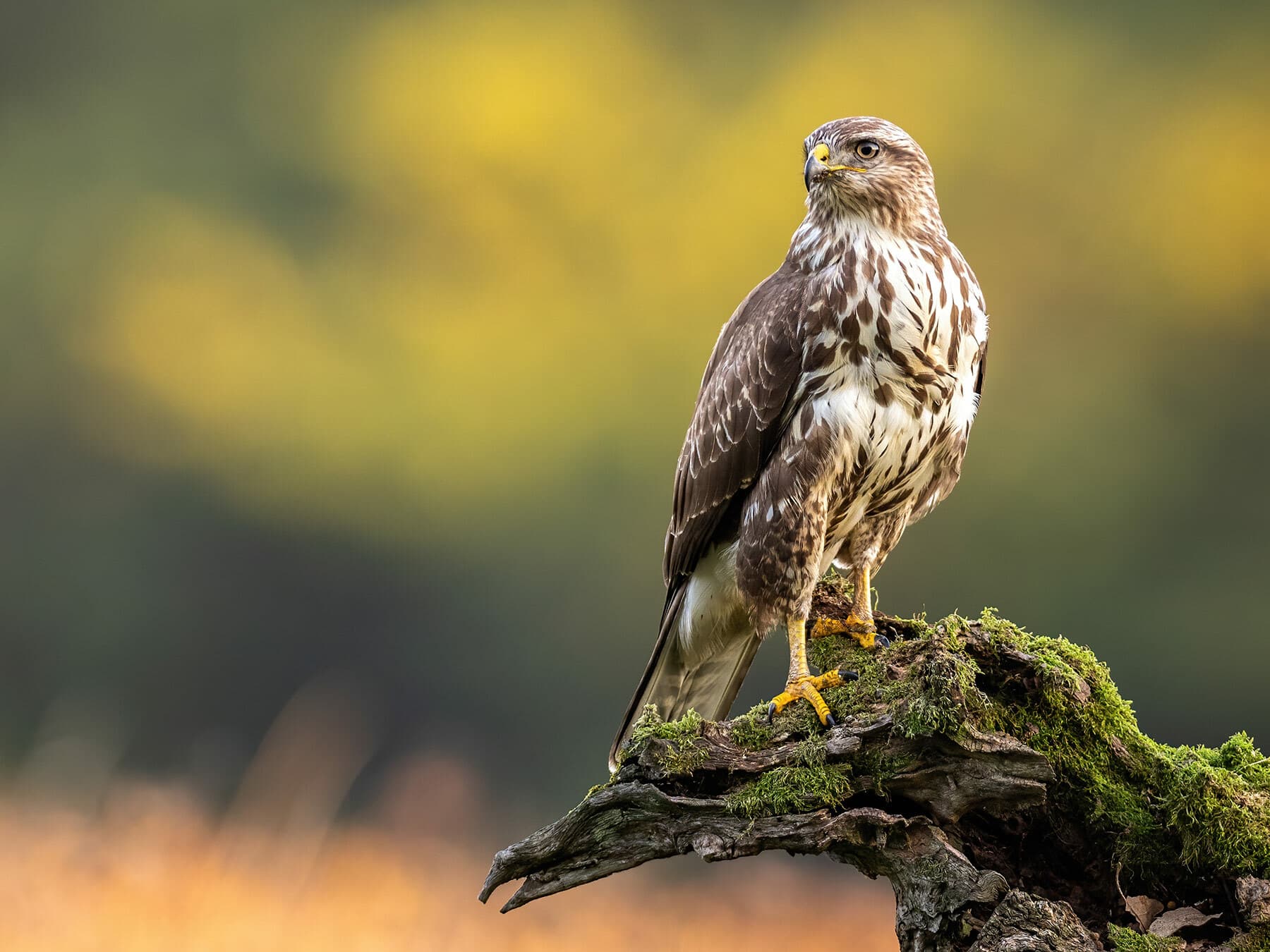
Buzzard
Buteo buteoLC
A common and conspicuous raptor, soaring over farmland and woodland edges year-round. Has increased dramatically across Worcestershire since the 1990s.
Year-round
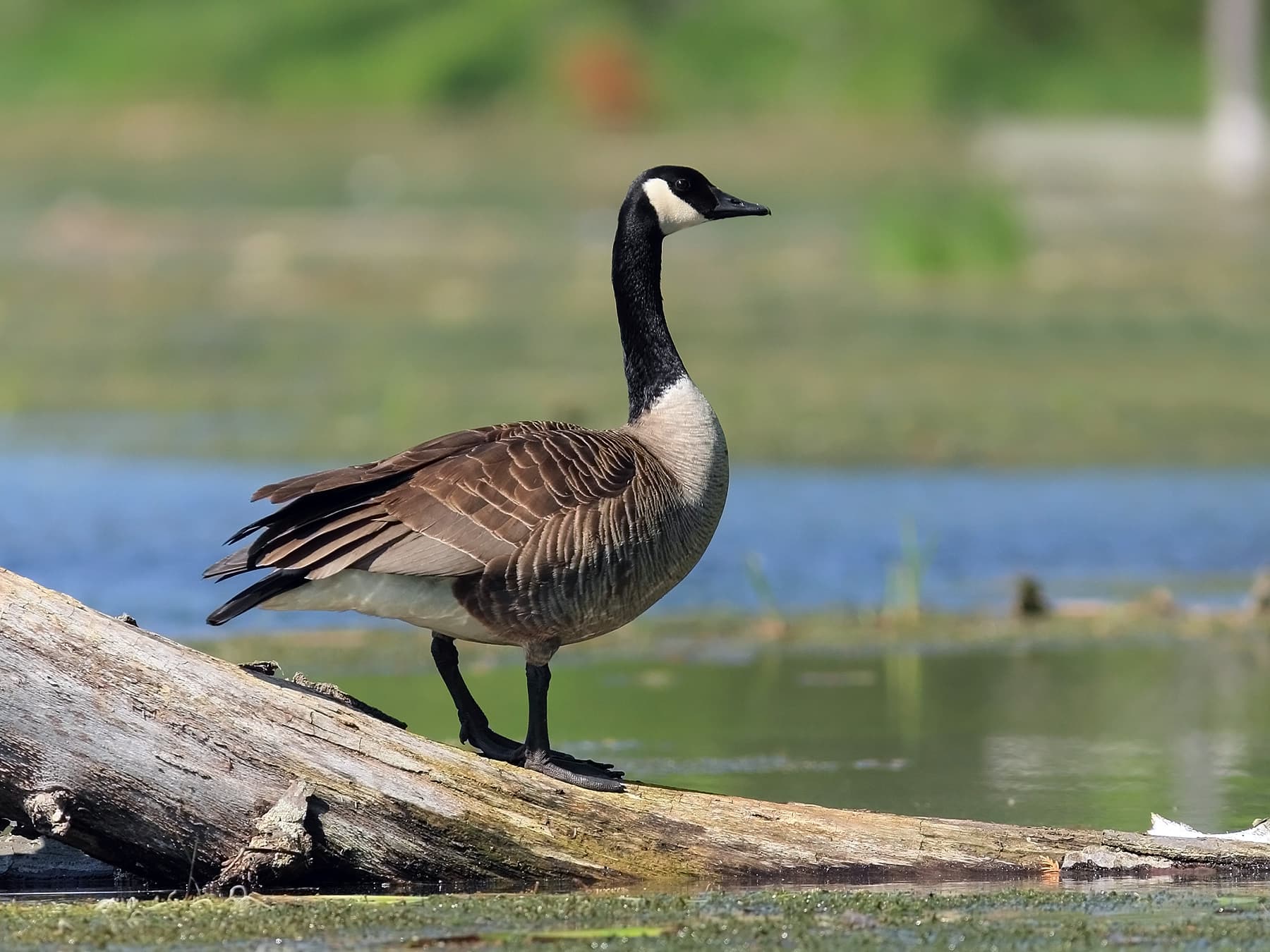
Canada Goose
Branta canadensisLC
A common resident on lakes, rivers and gravel pits throughout the county, often gathering in large moulting flocks in summer.
Year-round