Birds in Nottinghamshire
Explore 180 species found in this region.
Nottinghamshire supports a rich diversity of birdlife, with 177 species recorded across the county's varied habitats, from the ancient woodlands of Sherwood Forest to the wetlands of the Trent Valley. The county's rivers, reservoirs, and gravel pits attract notable species such as Common Merganser, Northern Pintail, and Mandarin Duck, while farmland and heathland provide important habitat for Northern Lapwing and Eurasian Woodcock. Whether you're exploring urban parks where Great Tits and Magpies thrive or venturing to wilder areas in search of scarcer visitors like the Great Grey Shrike, Nottinghamshire offers rewarding birding throughout the year.
Visiting in April? Look out for Arctic Tern and Bar-tailed Godwit arriving this month, and Eurasian Woodcock and Golden Plover depart for the season.


Showing 1–23 of 180 species
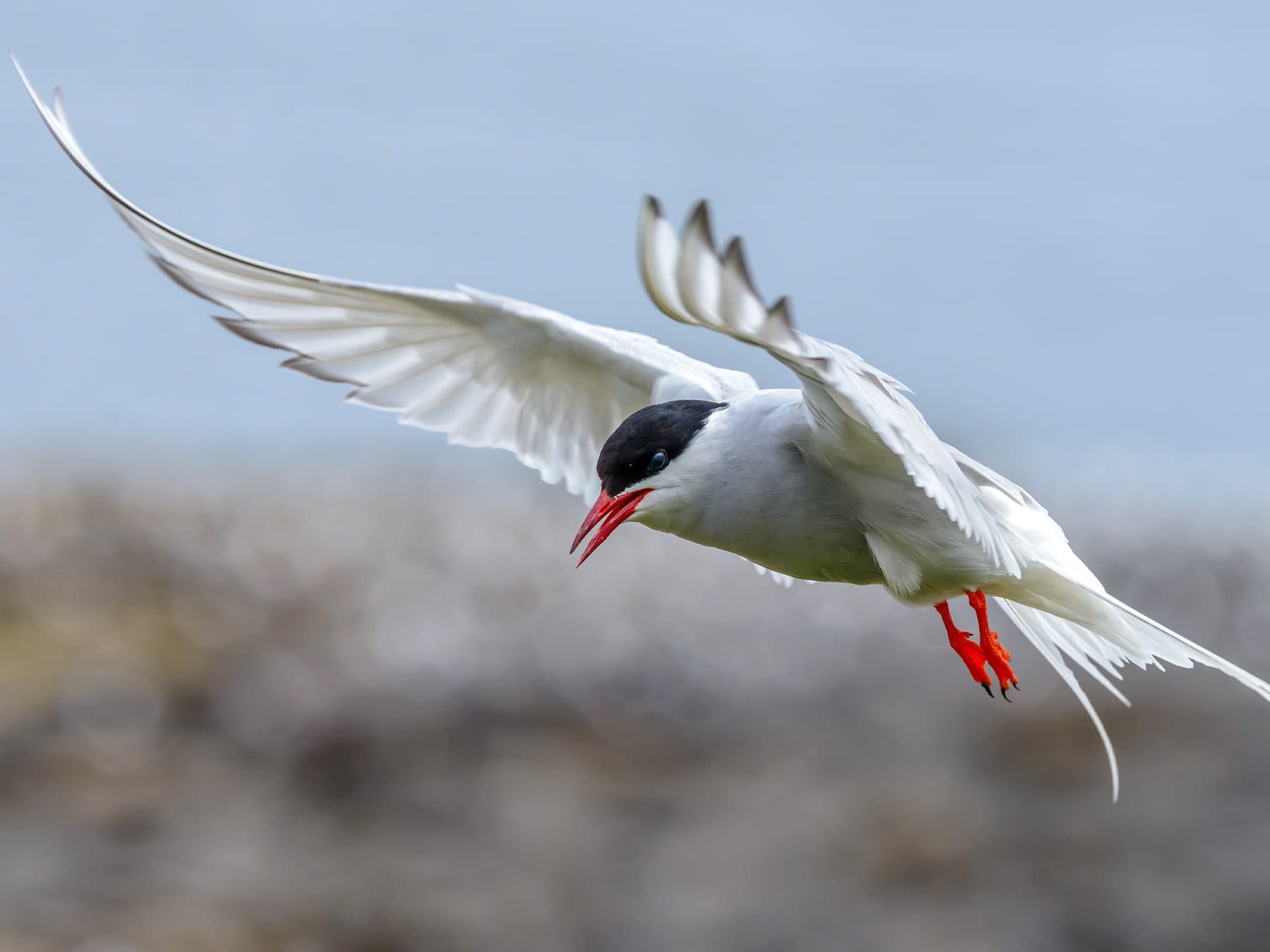
Arctic Tern
Sterna paradisaeaLC
A rare spring passage migrant in April and May, occasionally seen over gravel pits and reservoirs heading north.
Apr–May
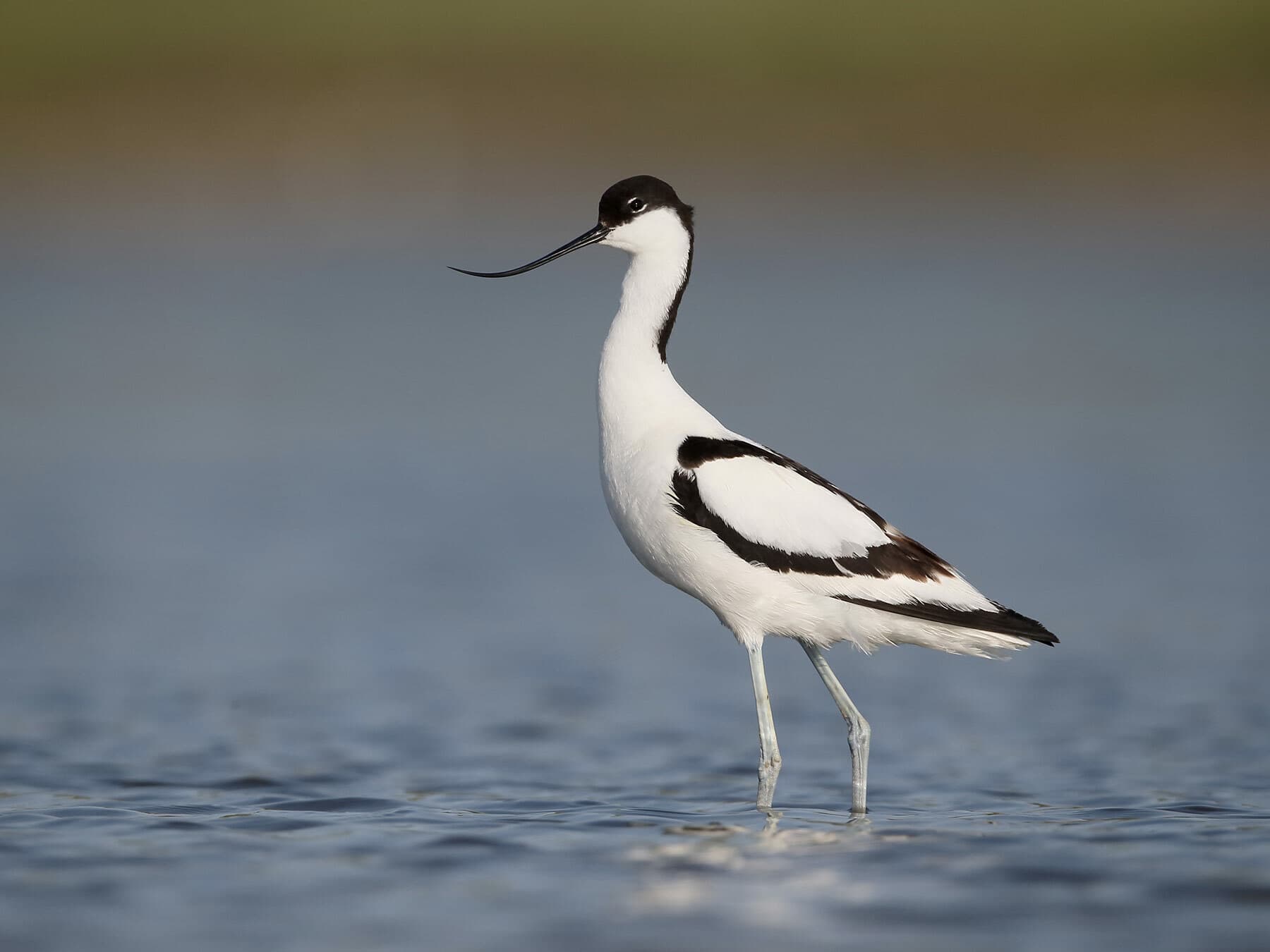
Avocet
Recurvirostra avosettaLC
An uncommon breeder present from March to August, nesting at wetland reserves such as Langford Lowfields and Attenborough.
Mar–Aug
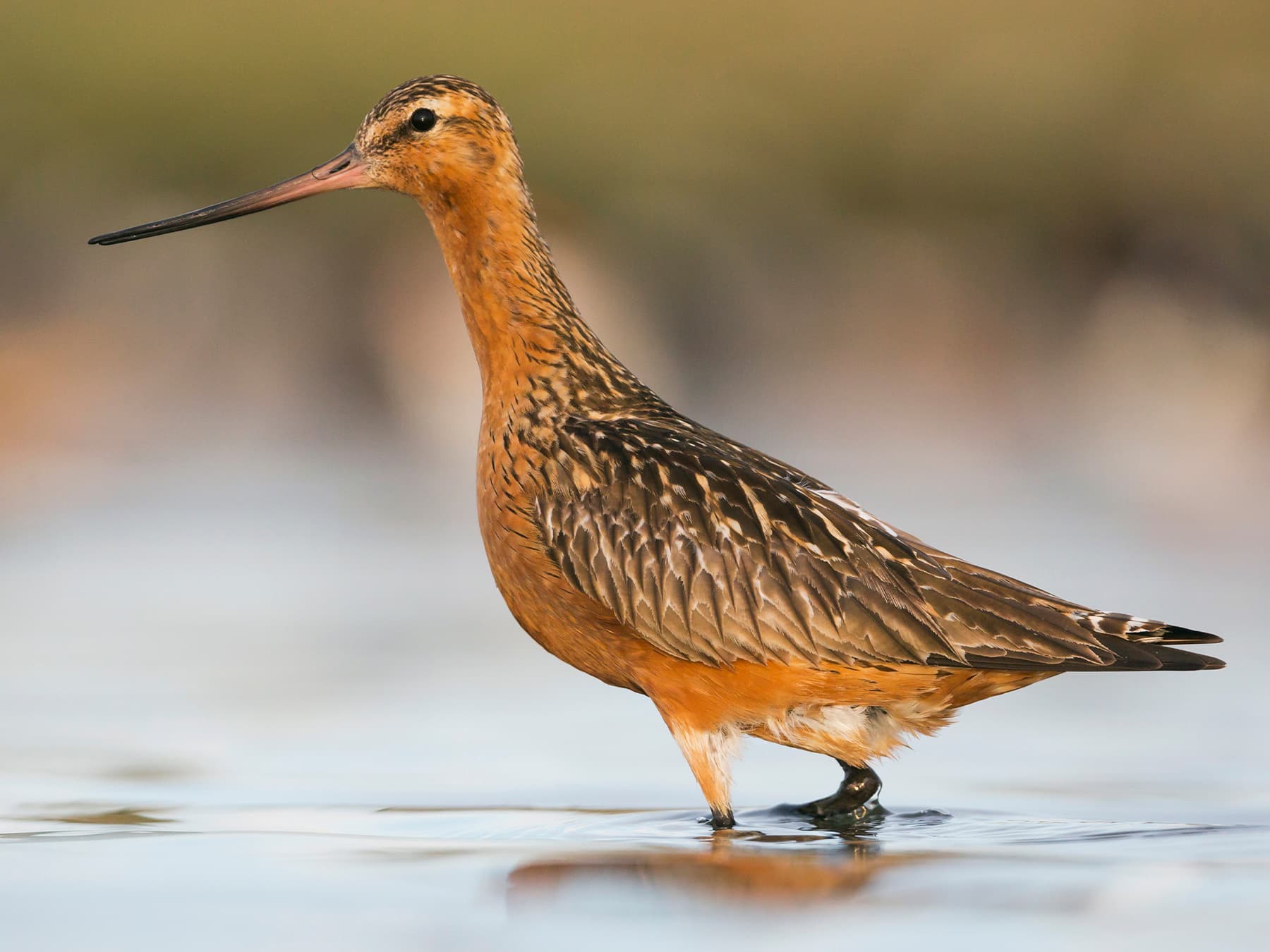
Bar-tailed Godwit
Limosa lapponicaNT
A rare spring passage visitor, occasionally stopping at wetland reserves like Attenborough in April on its way to Arctic breeding grounds.
Apr
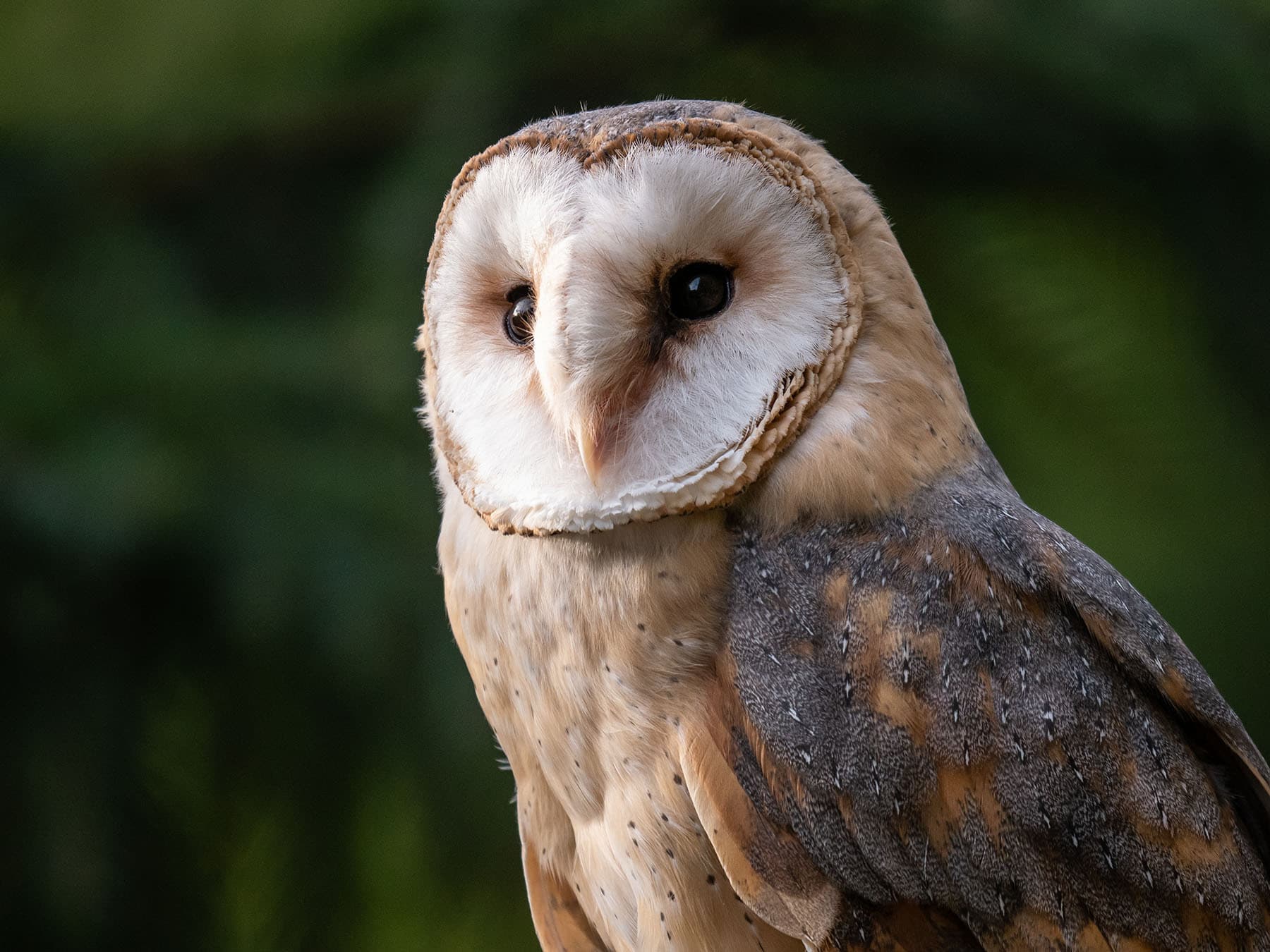
Barn Owl
Tyto albaLC
A scarce resident favouring the county's farmland and river valleys. Nest box schemes along the Trent corridor have helped support this ghostly hunter.
Year-round
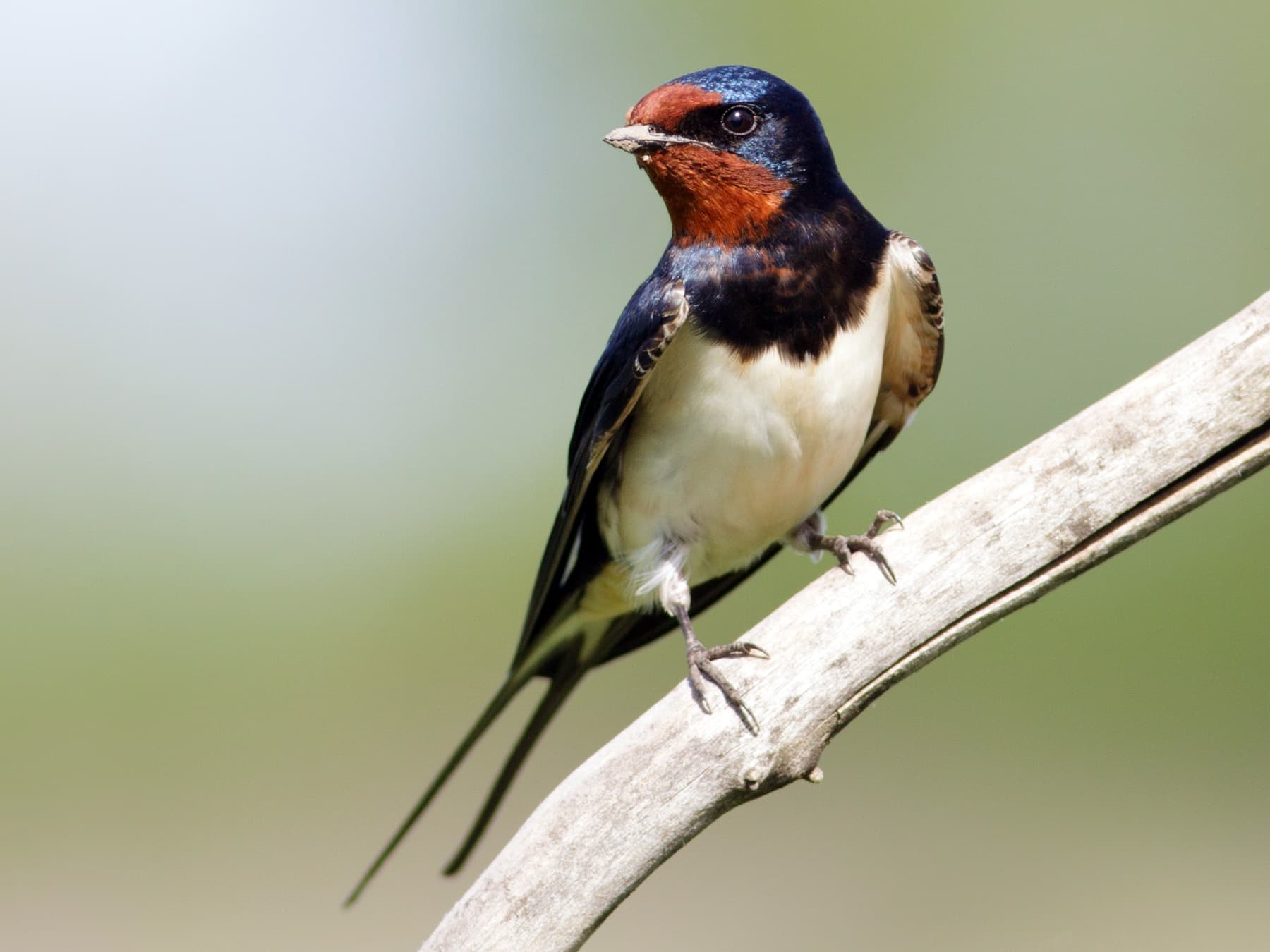
Barn Swallow
Hirundo rusticaLC
A common summer visitor from April to October, nesting in farm buildings and barns. Numbers have declined but it remains widespread.
Apr–Oct
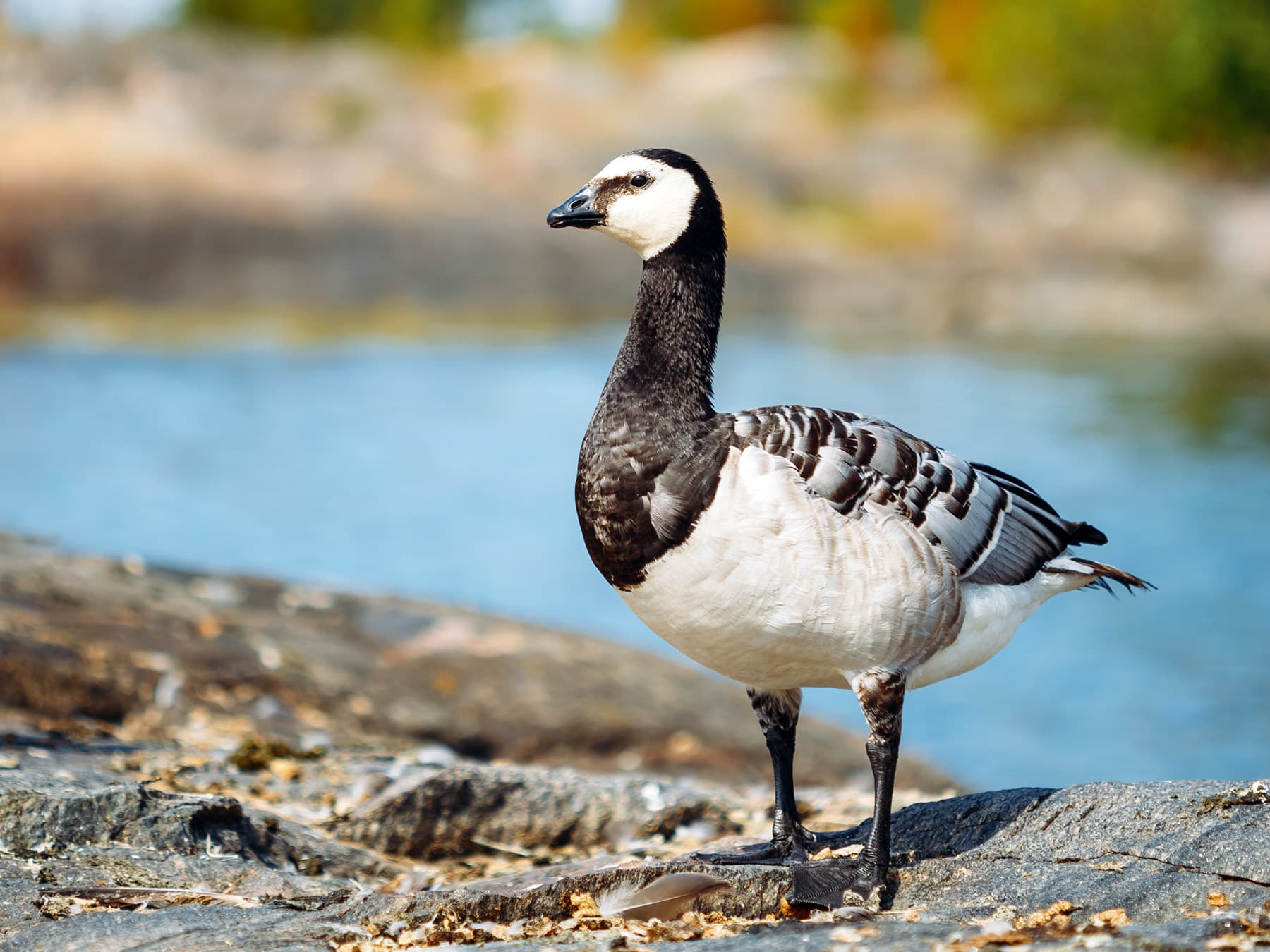
Barnacle Goose
Branta leucopsisLC
Rare resident, with most birds likely of feral origin. Small numbers frequent parkland lakes and gravel pits, mainly from autumn through spring.
Jan–Sep
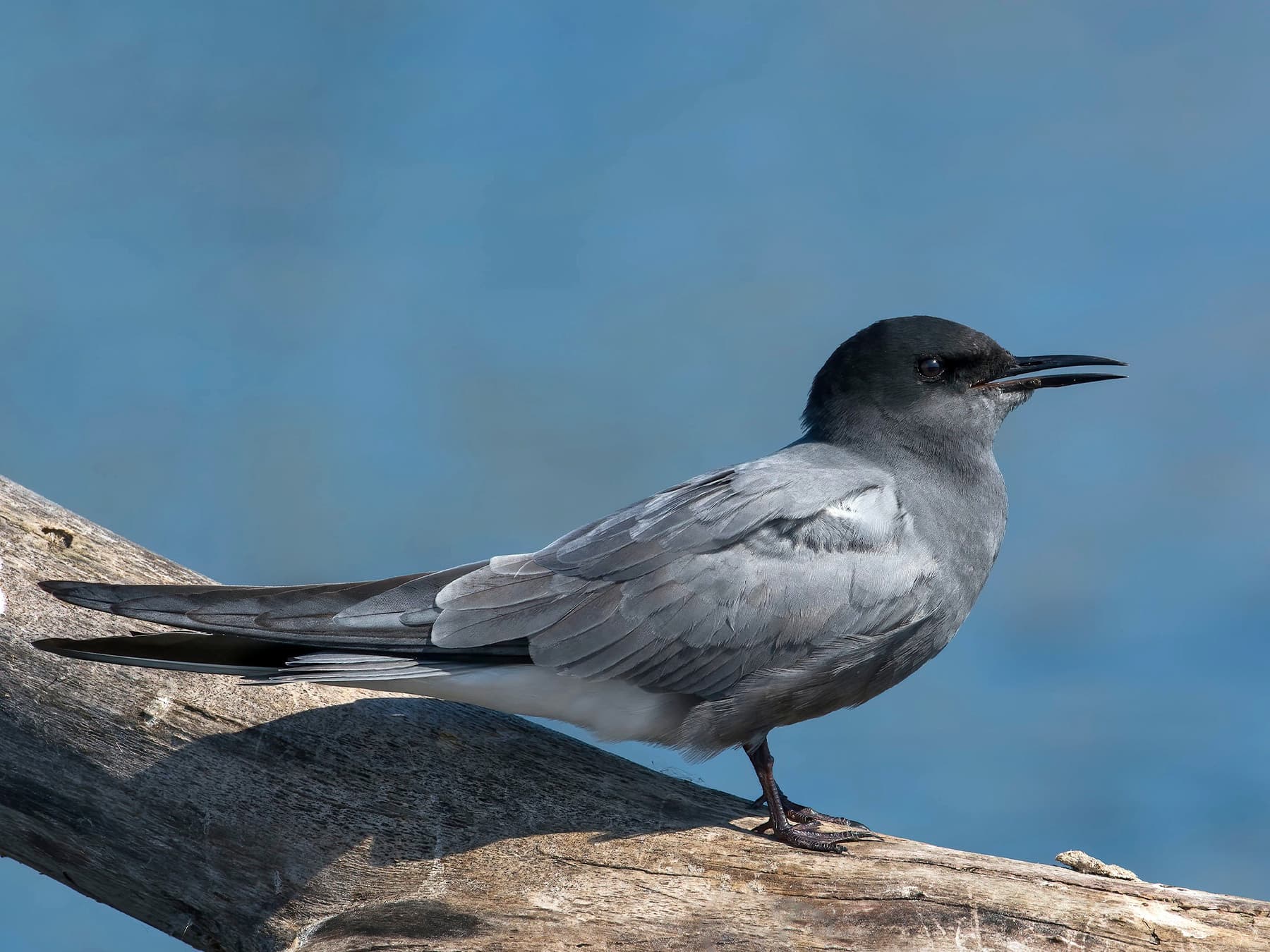
Black Tern
Chlidonias nigerLC
A rare passage migrant in spring and autumn, hawking insects over gravel pits and reservoirs. A graceful sight at Attenborough or Langford Lowfields.
Apr–Sep
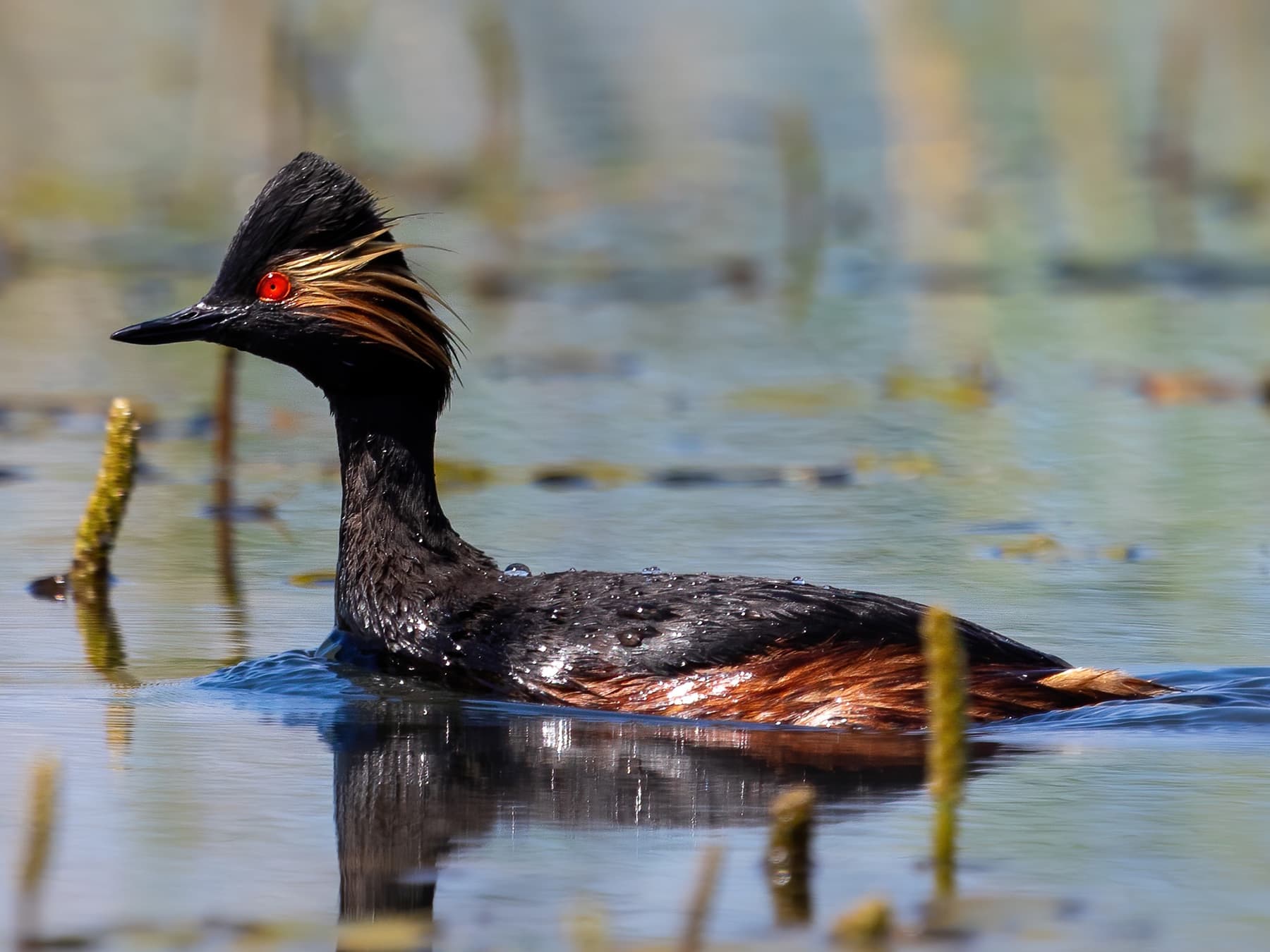
Black-necked Grebe
Podiceps nigricollisLC
A rare breeder present from March to October at sheltered lakes and gravel pits, with Attenborough a favoured site.
Mar–Oct
Spotted something?
Upload a photo to identify it
Identify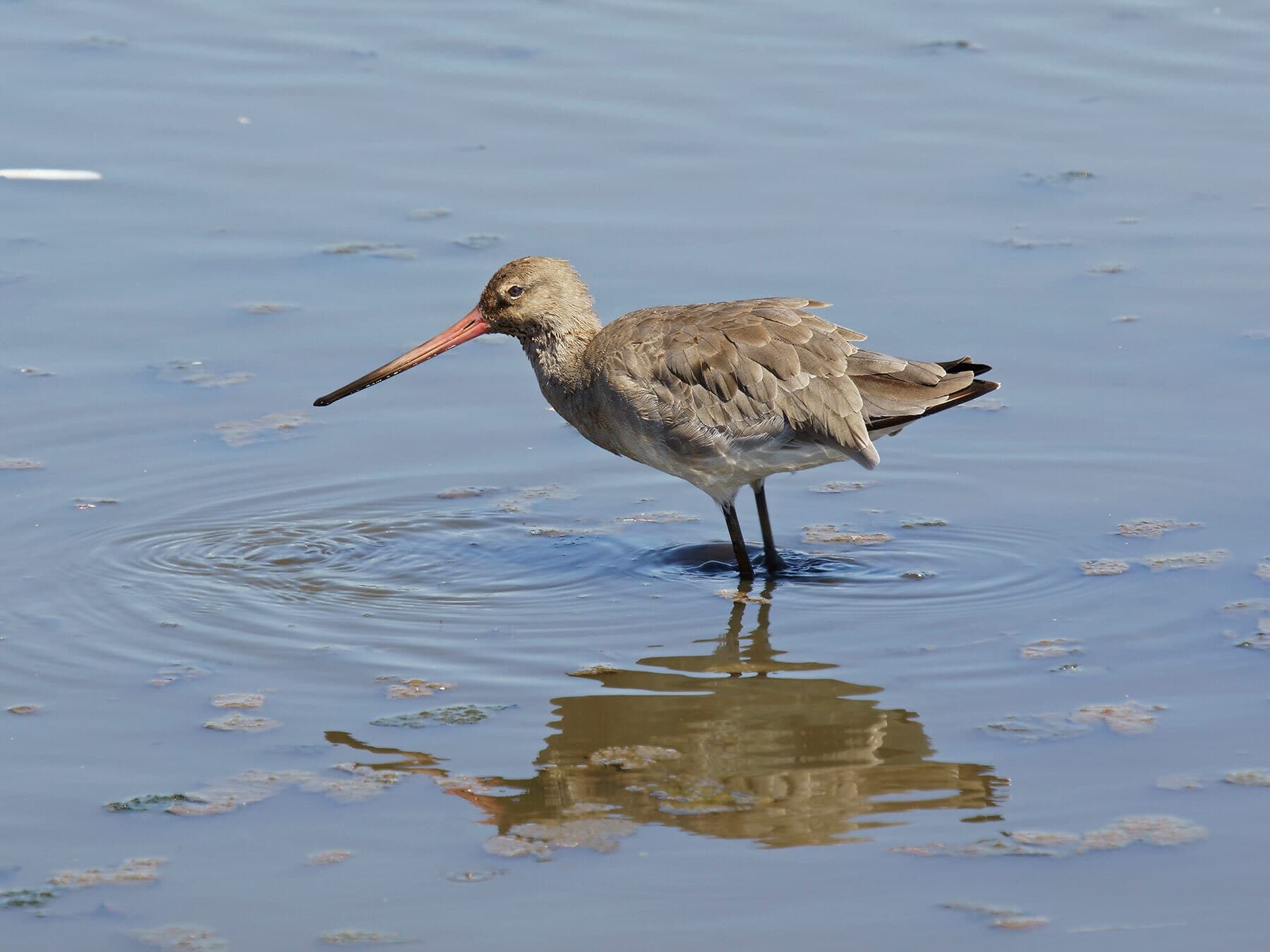
Black-tailed Godwit
Limosa limosaNT
A rare breeder at managed wetland reserves, present from April to October. Langford Lowfields is a key county site.
Apr–Oct
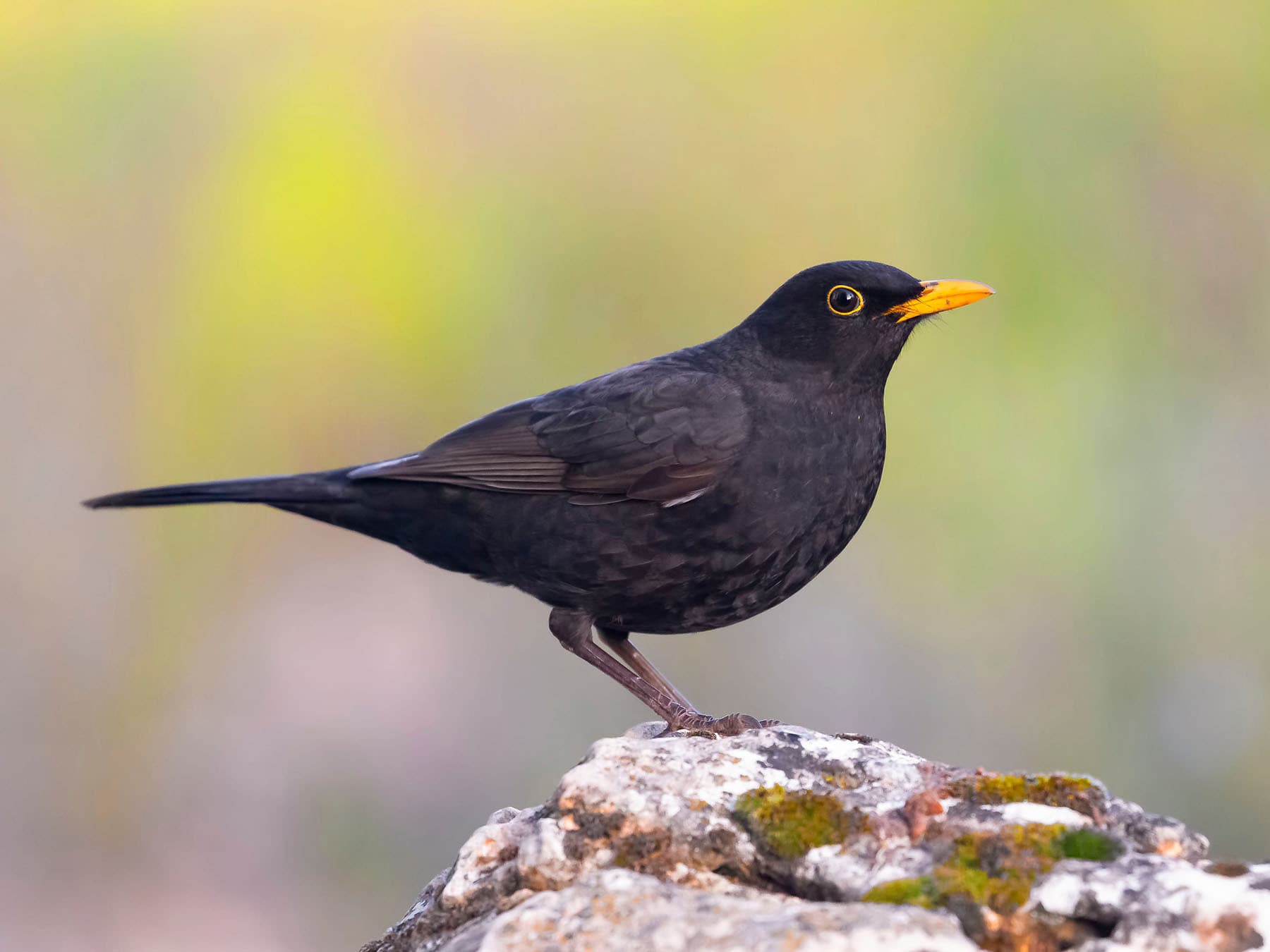
Blackbird
Turdus merulaLC
One of the county's most familiar birds, abundant in gardens, parks and hedgerows throughout the year.
Year-round
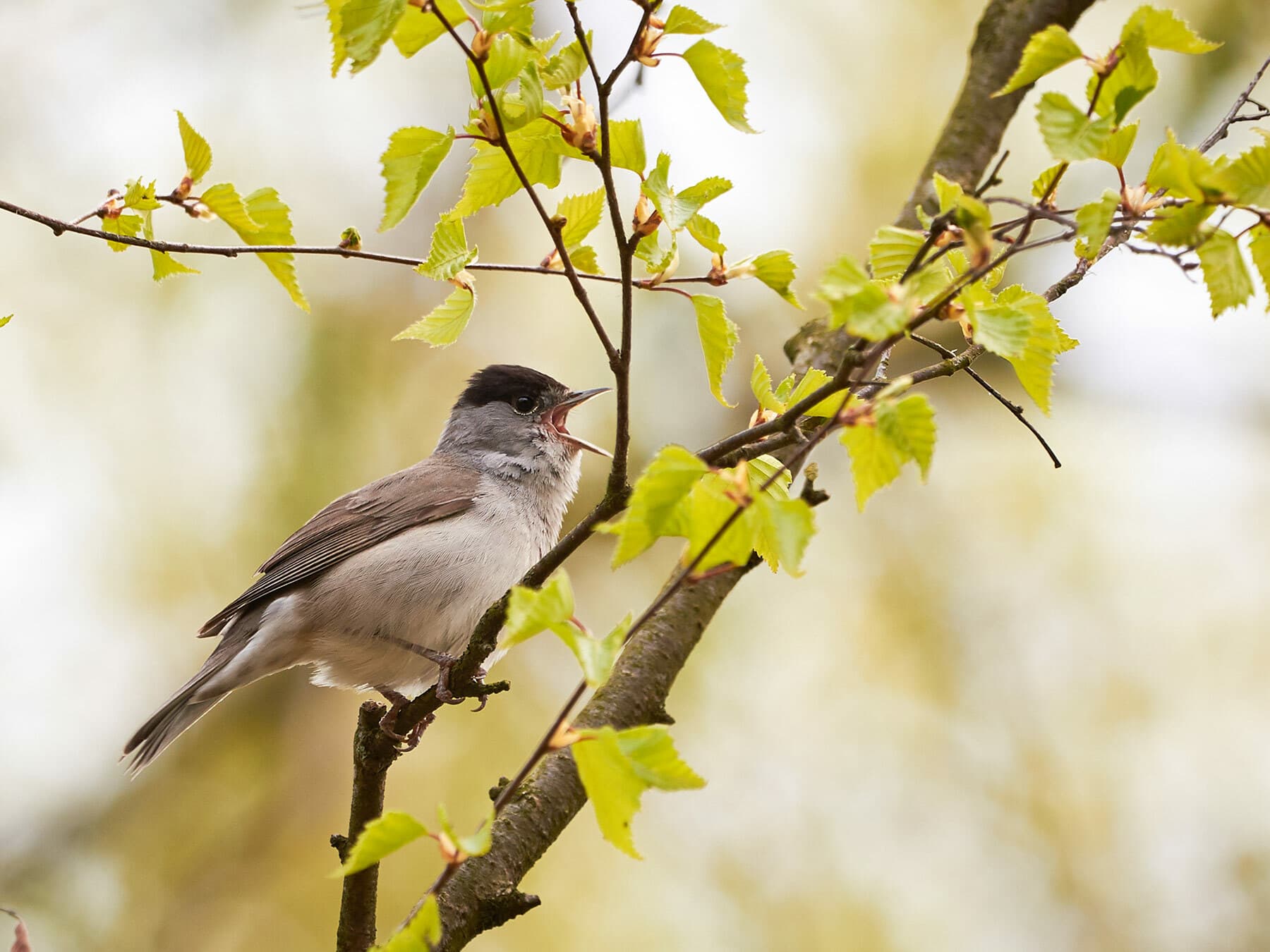
Blackcap
Sylvia atricapillaLC
A common year-round warbler found in woodlands, hedgerows and gardens. Increasingly overwinters, often visiting feeders in colder months.
Year-round
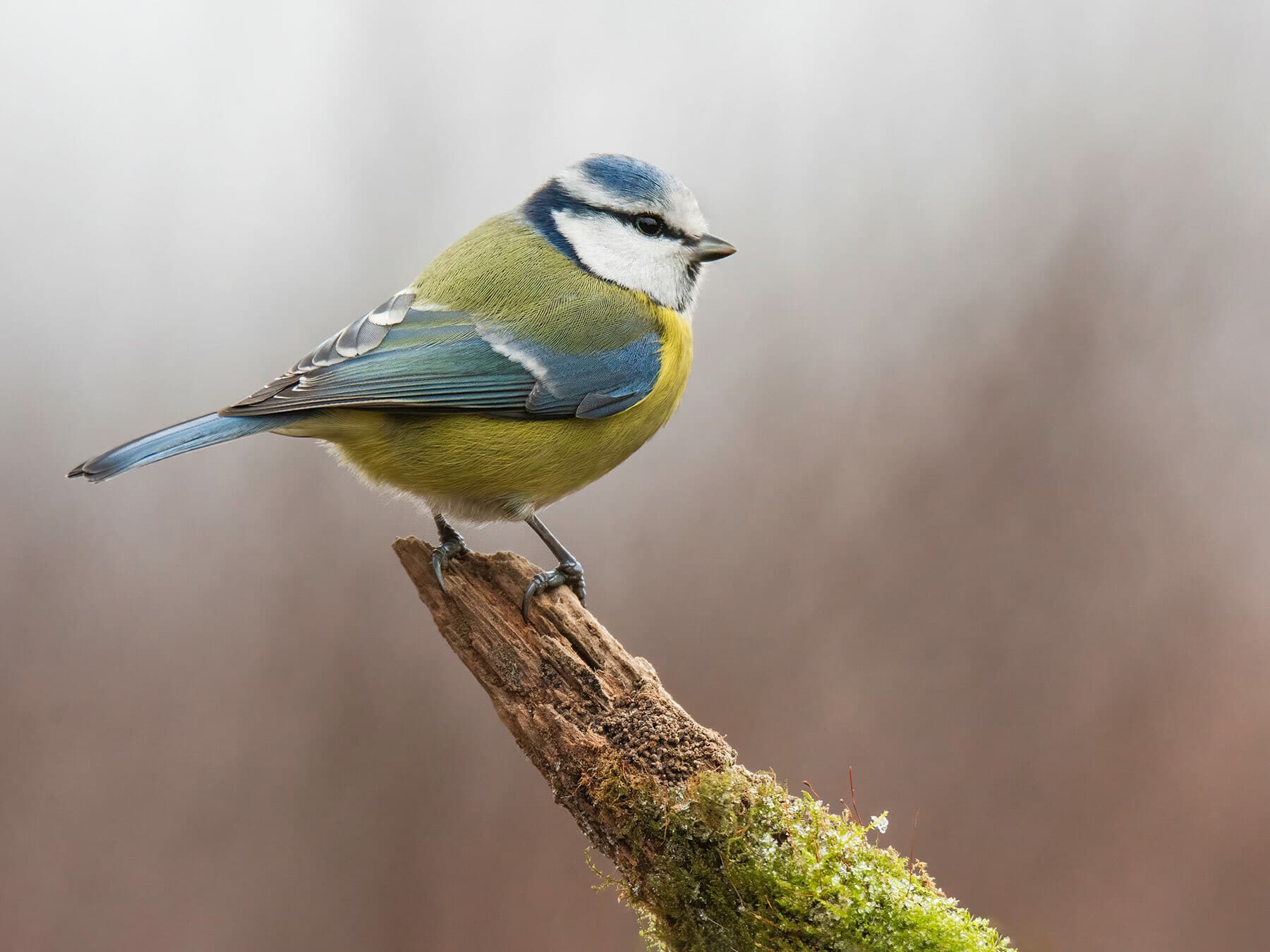
Blue Tit
Cyanistes caeruleusLC
One of the county's most familiar garden birds, present year-round. Readily uses nest boxes and is a regular at feeders.
Year-round
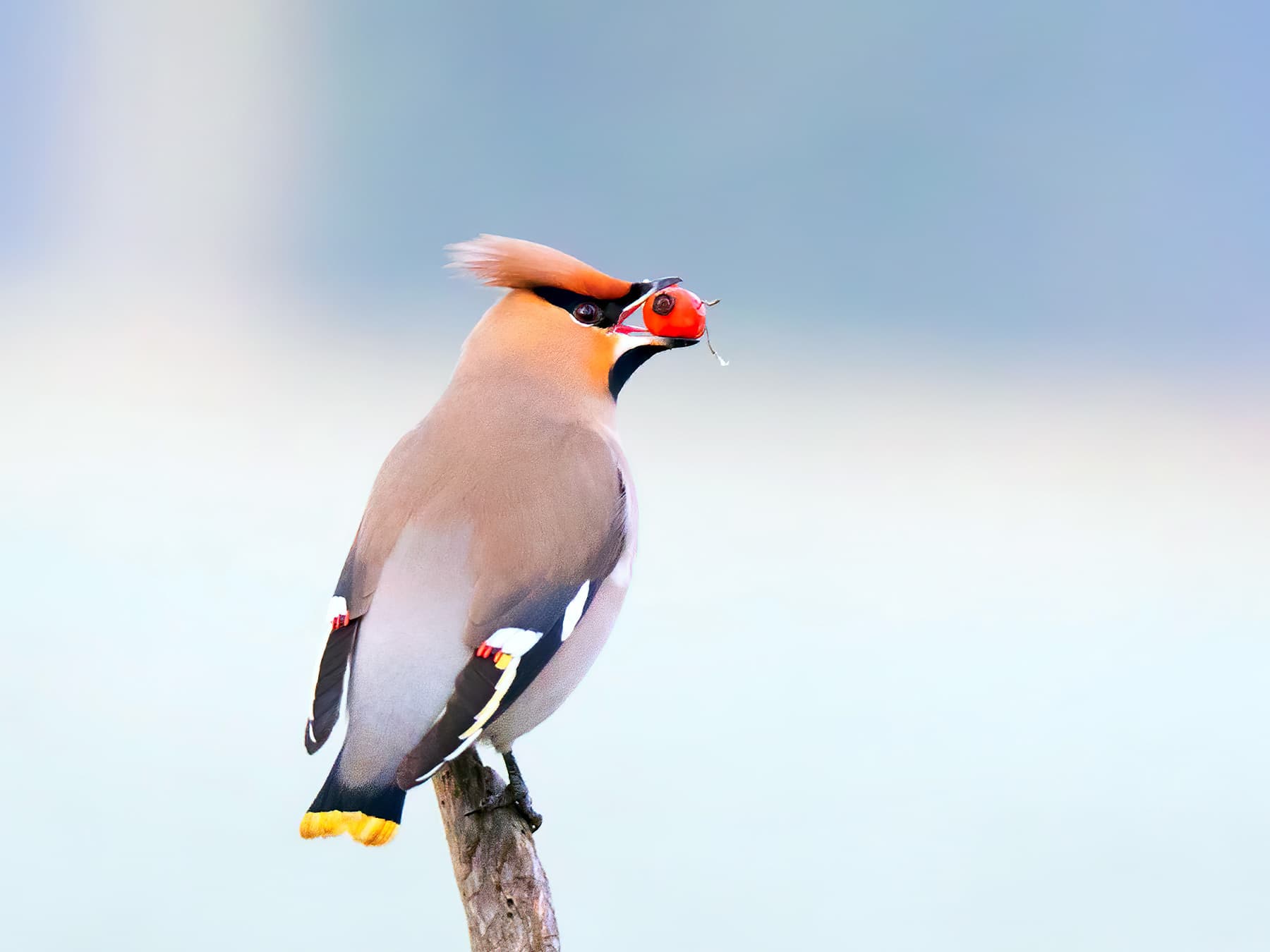
Bohemian Waxwing
Bombycilla garrulusLC
A rare irruptive winter visitor, occasionally descending on berry-laden trees in Nottingham's suburbs. Most likely in January and February during invasion years.
Jan–Feb
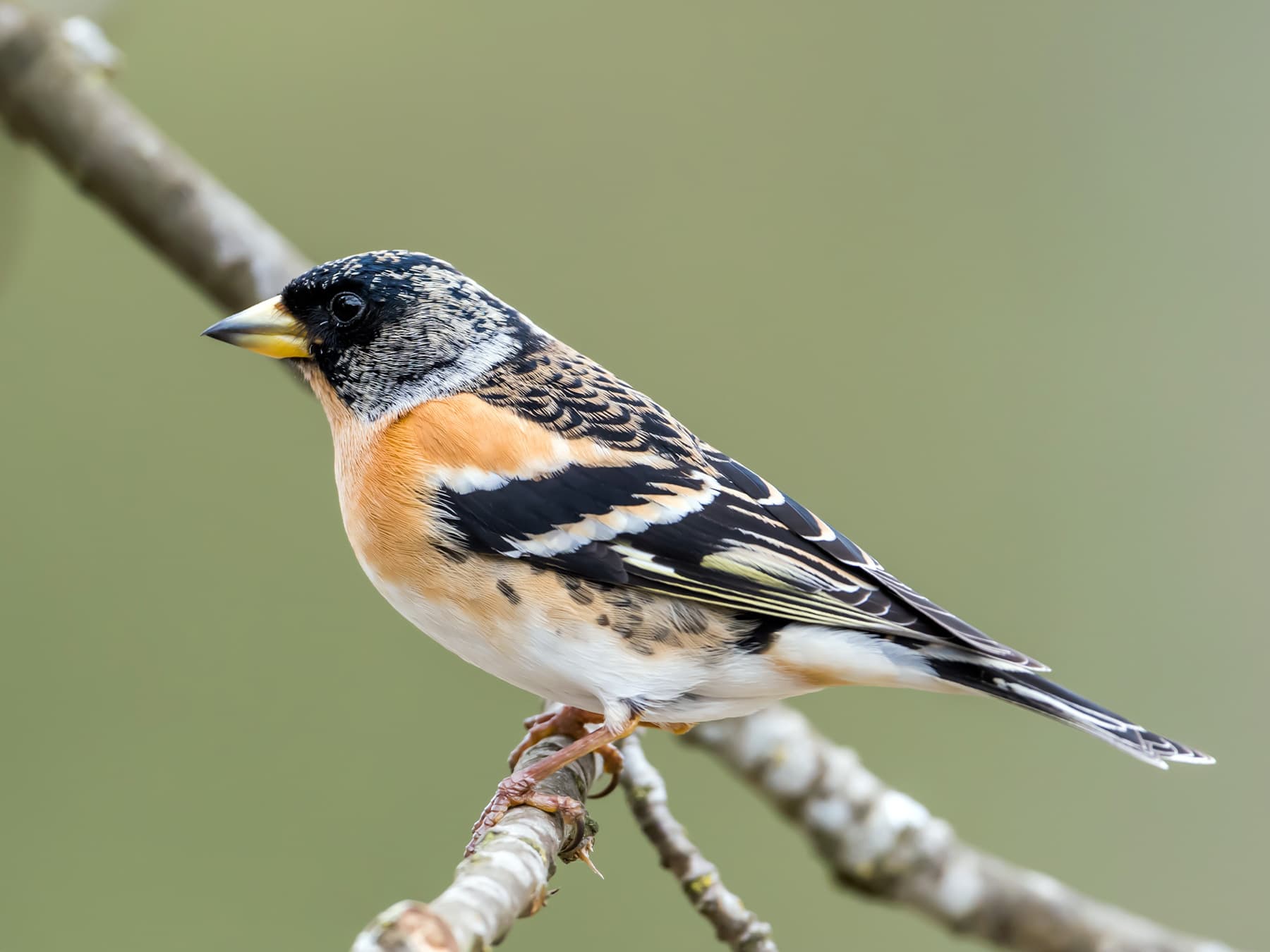
Brambling
Fringilla montifringillaLC
A rare winter visitor from Scandinavia, sometimes joining Chaffinch flocks in beech woodland and farmland. Numbers vary greatly between years.
Oct–Apr
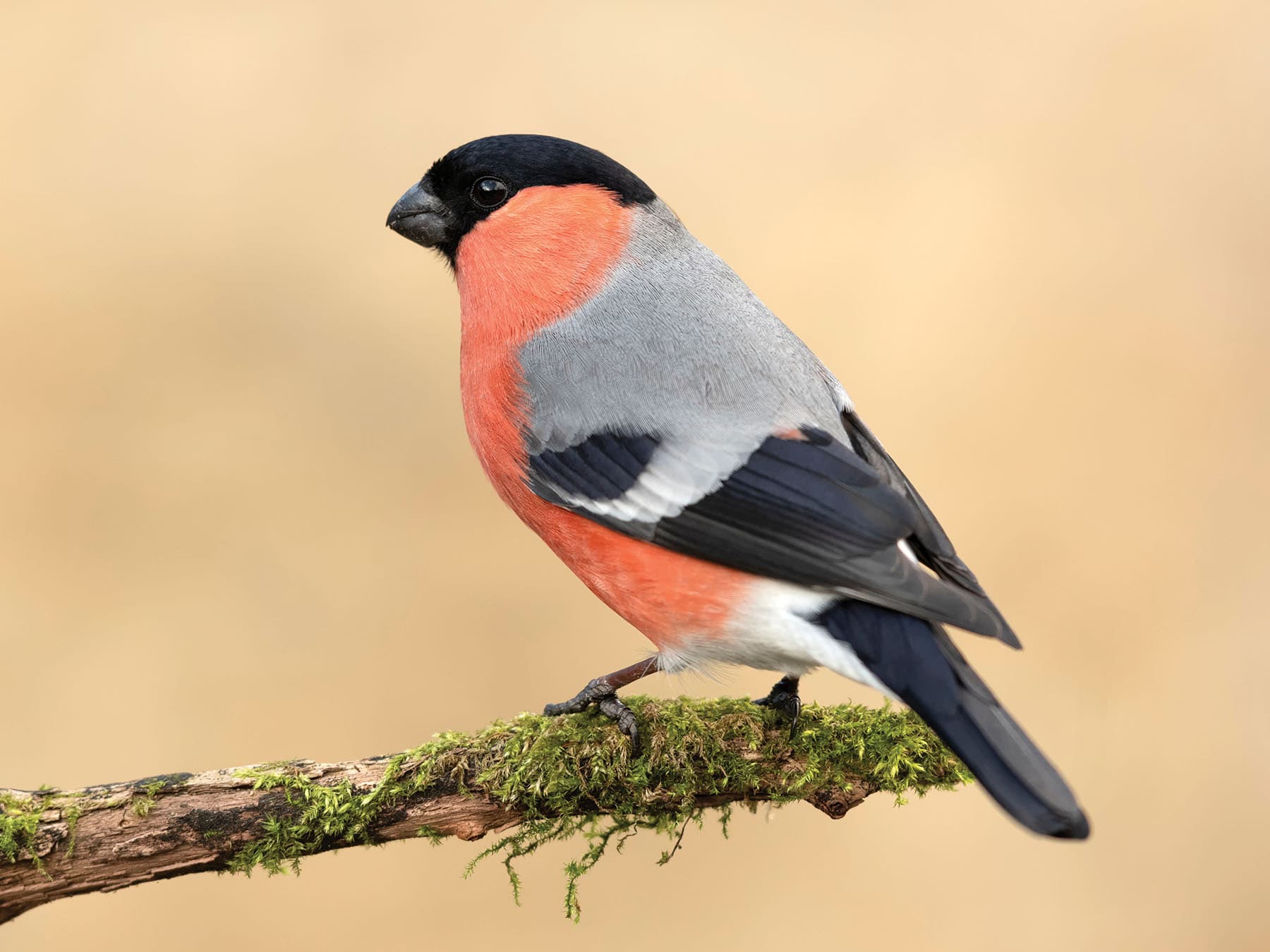
Bullfinch
Pyrrhula pyrrhulaLC
An uncommon but year-round resident of thick hedgerows and scrubby woodland. Shy and unobtrusive, often detected by its soft piping call.
Year-round
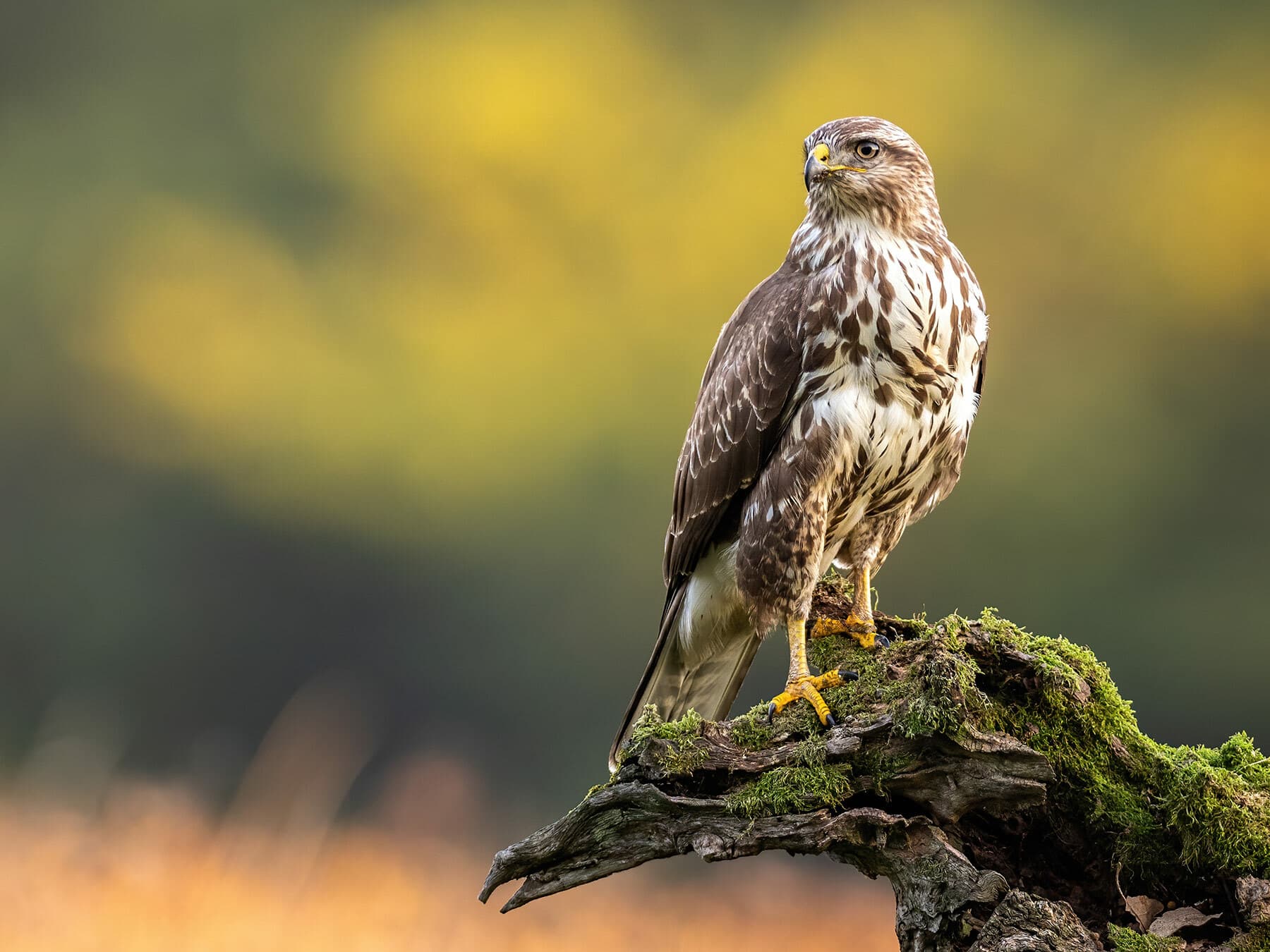
Buzzard
Buteo buteoLC
A common resident, frequently seen soaring over farmland and woodland. Has increased dramatically across the county since the 1990s.
Year-round
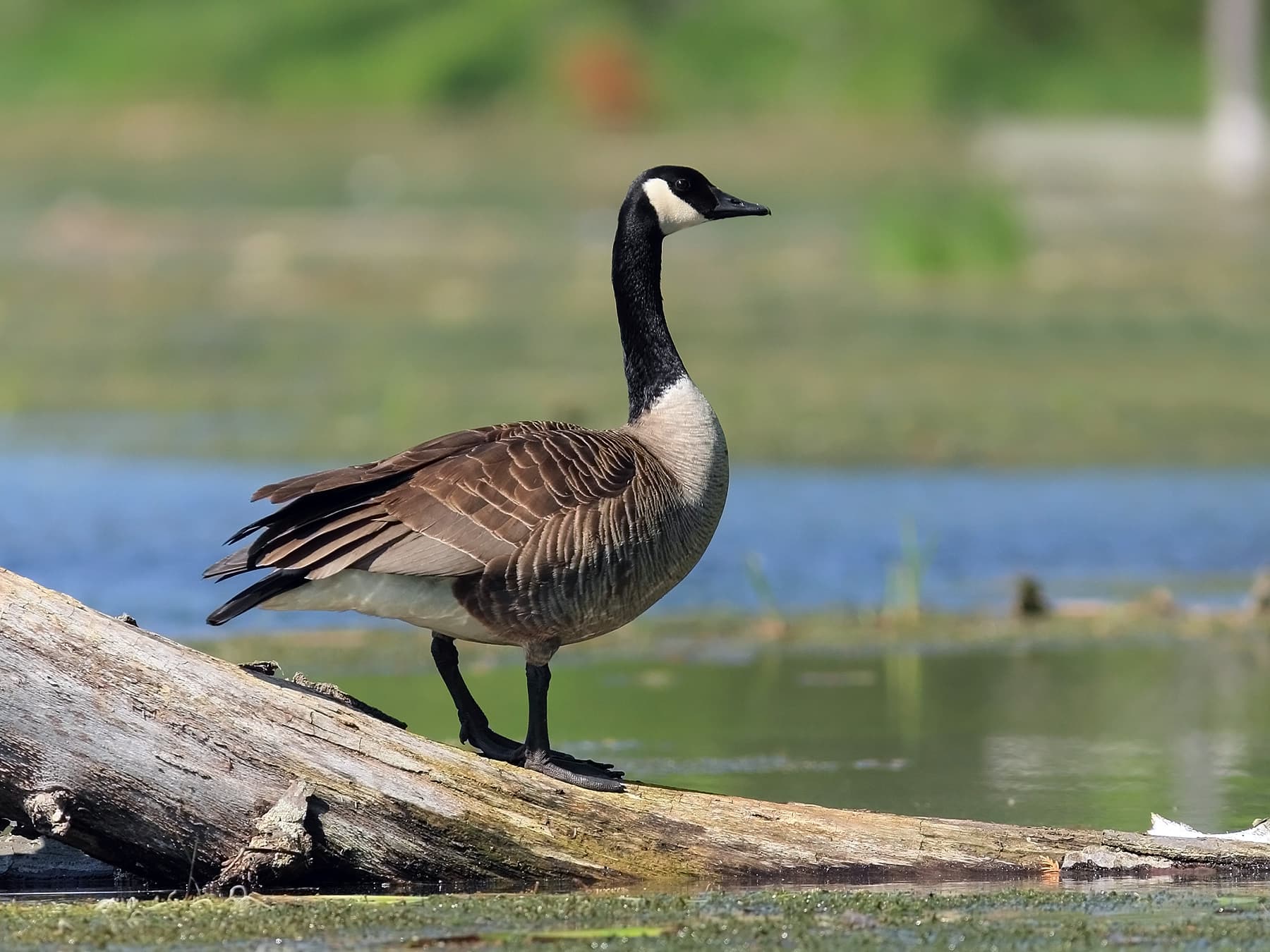
Canada Goose
Branta canadensisLC
Abundant resident on lakes, rivers and parkland throughout the county. Large flocks gather on the Trent valley gravel pits and urban waters year-round.
Year-round
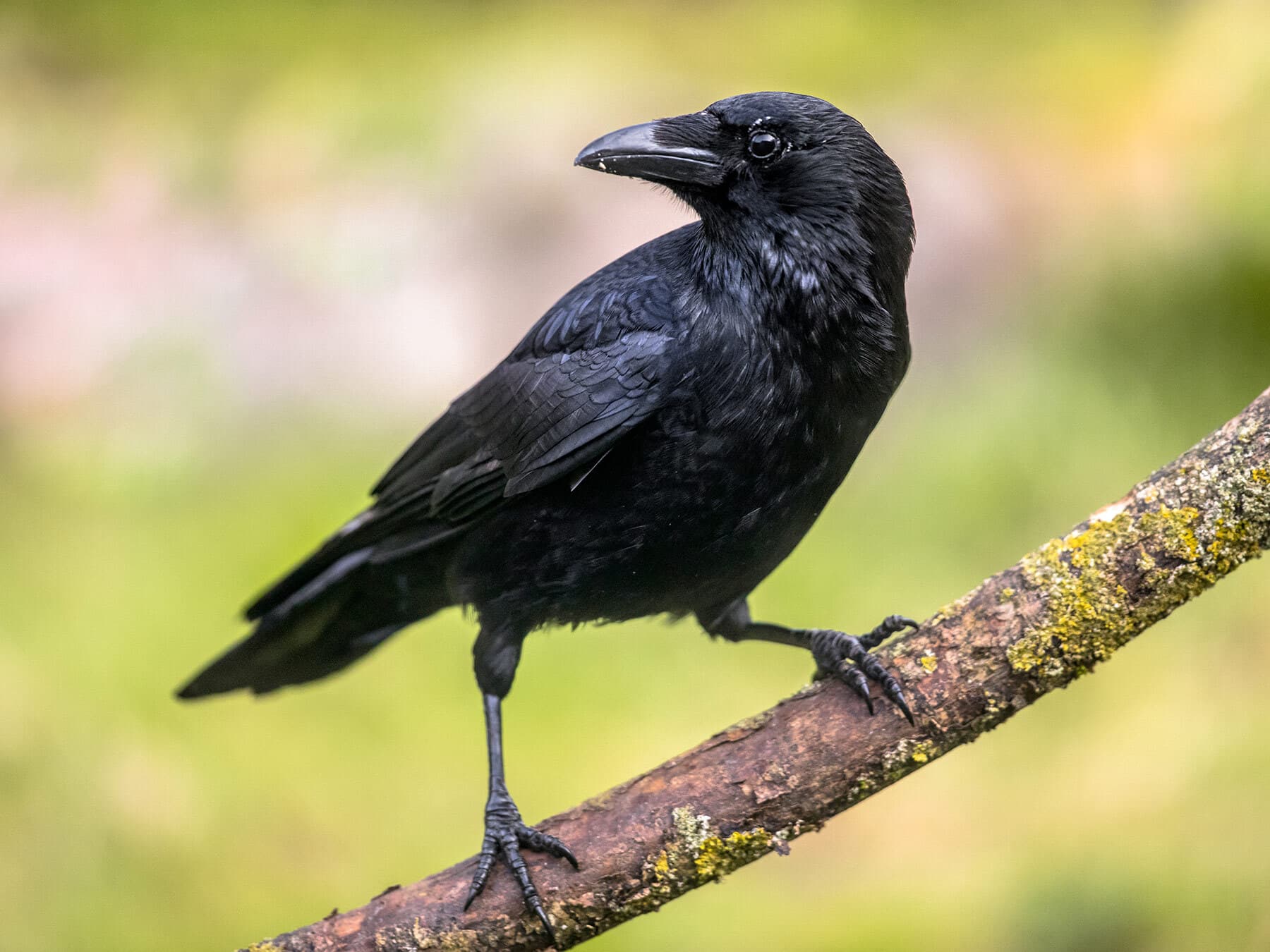
Carrion Crow
Corvus coroneLC
A common and adaptable resident found across all habitats, from city centres to farmland. Often gathers in large roosts in winter.
Year-round
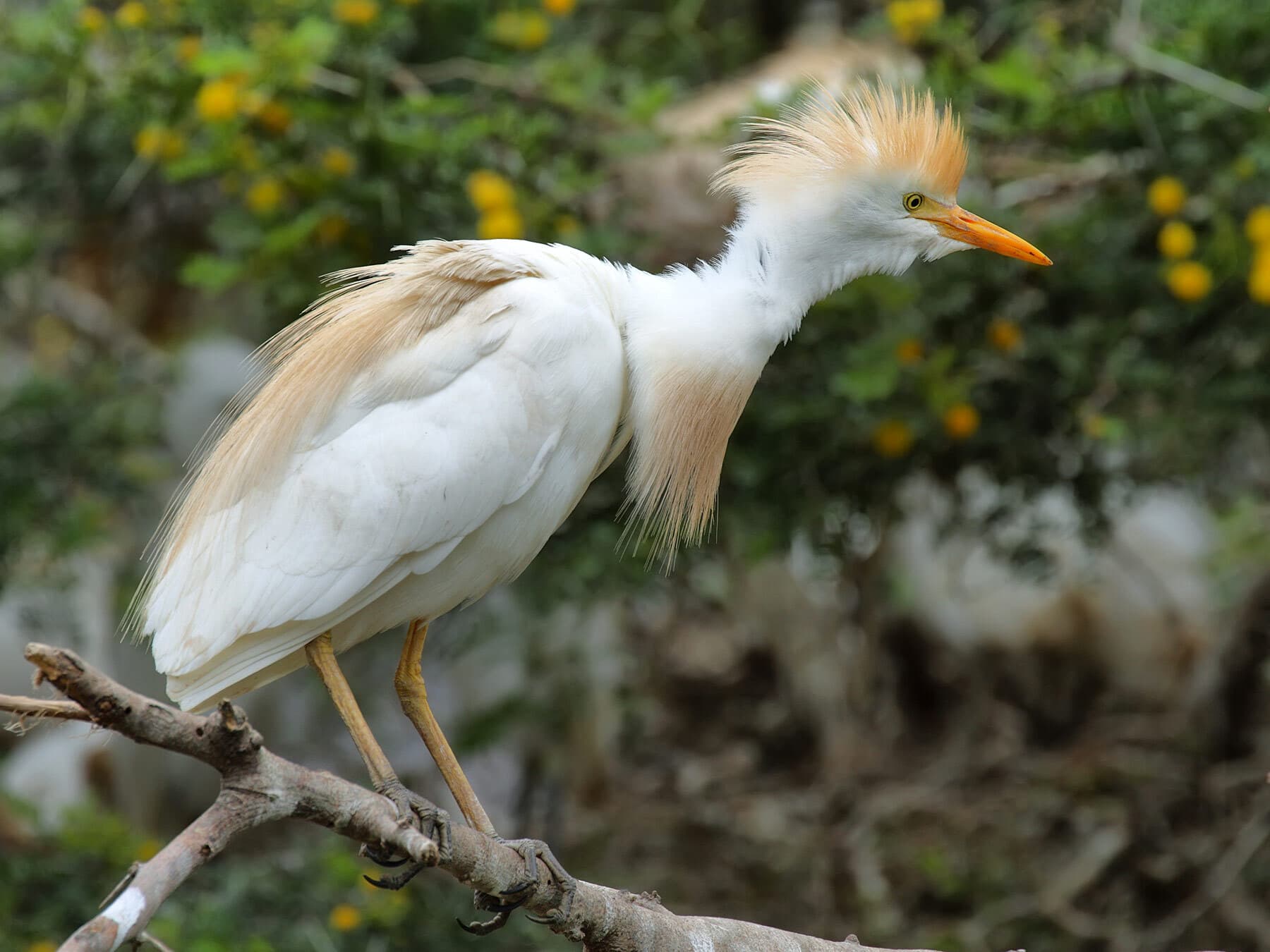
Cattle Egret
Bubulcus ibisLC
A rare but increasingly recorded species, reflecting a national range expansion. Favours damp pastures near livestock.
Jul–May
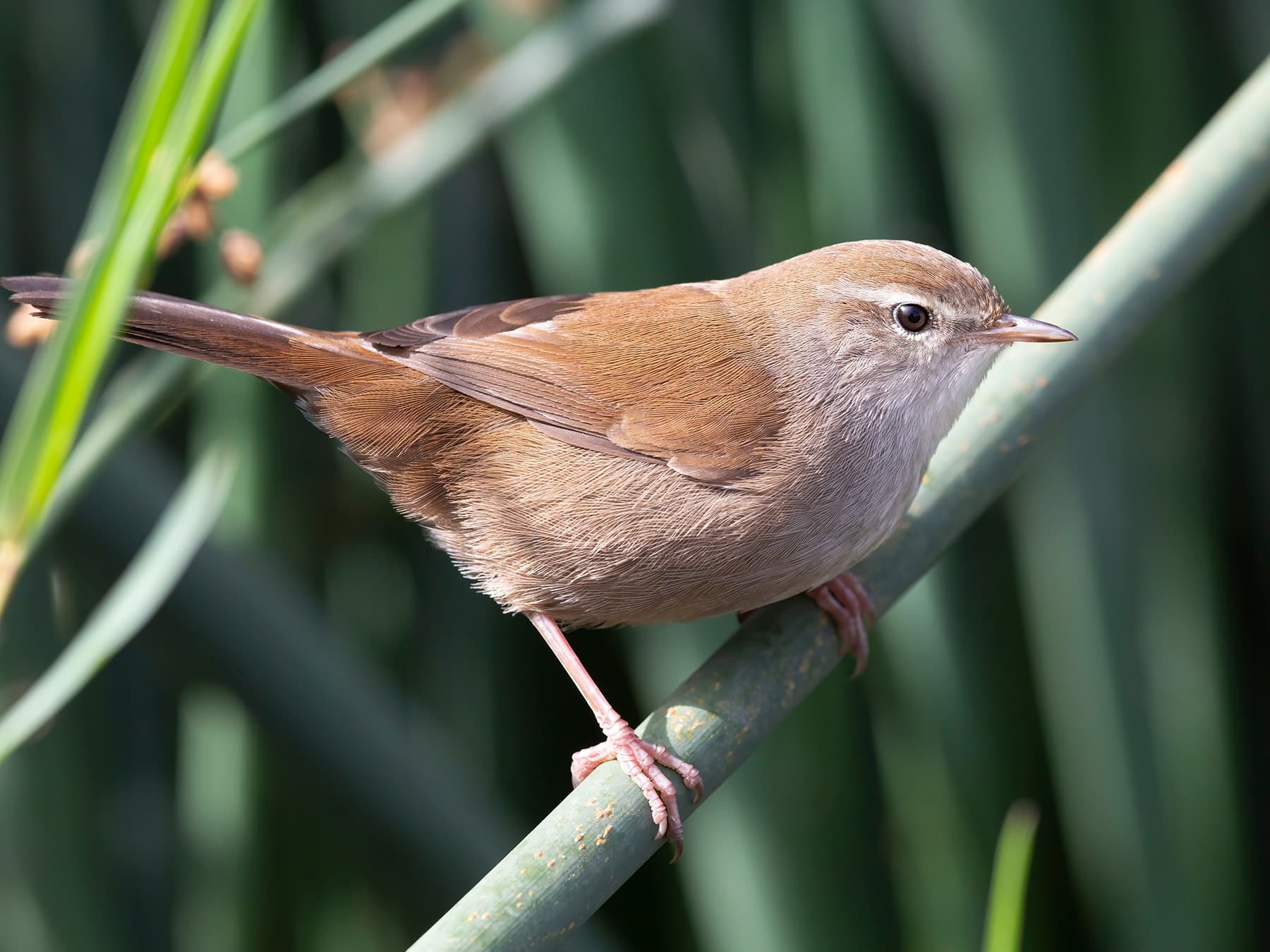
Cetti's Warbler
Cettia cettiLC
An uncommon but increasing resident of dense wetland scrub. More often heard than seen, with its explosive burst of song.
Year-round
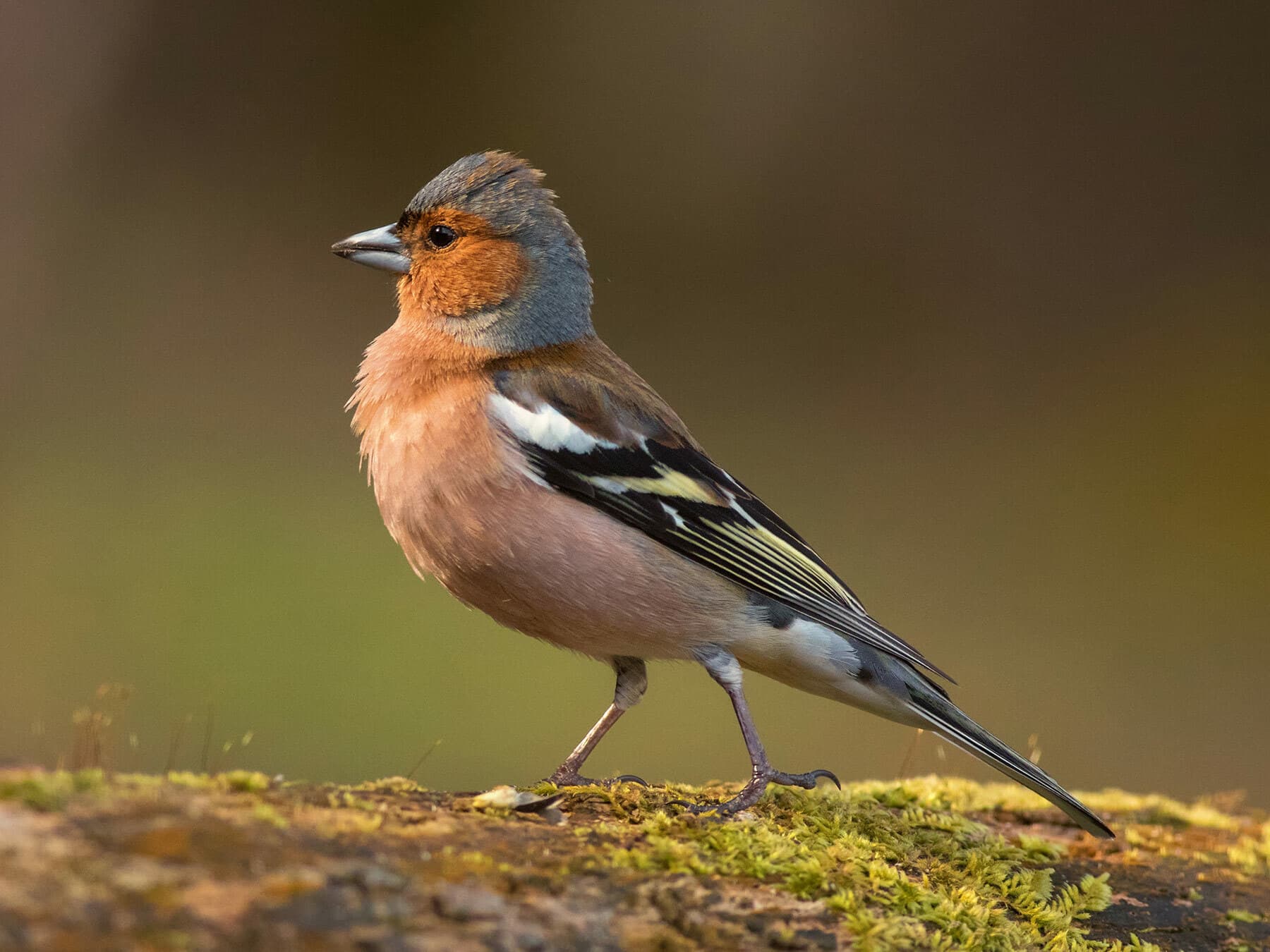
Chaffinch
Fringilla coelebsLC
A common and familiar resident of gardens, woodlands, and hedgerows throughout the county, present all year with a cheerful, ringing song.
Year-round
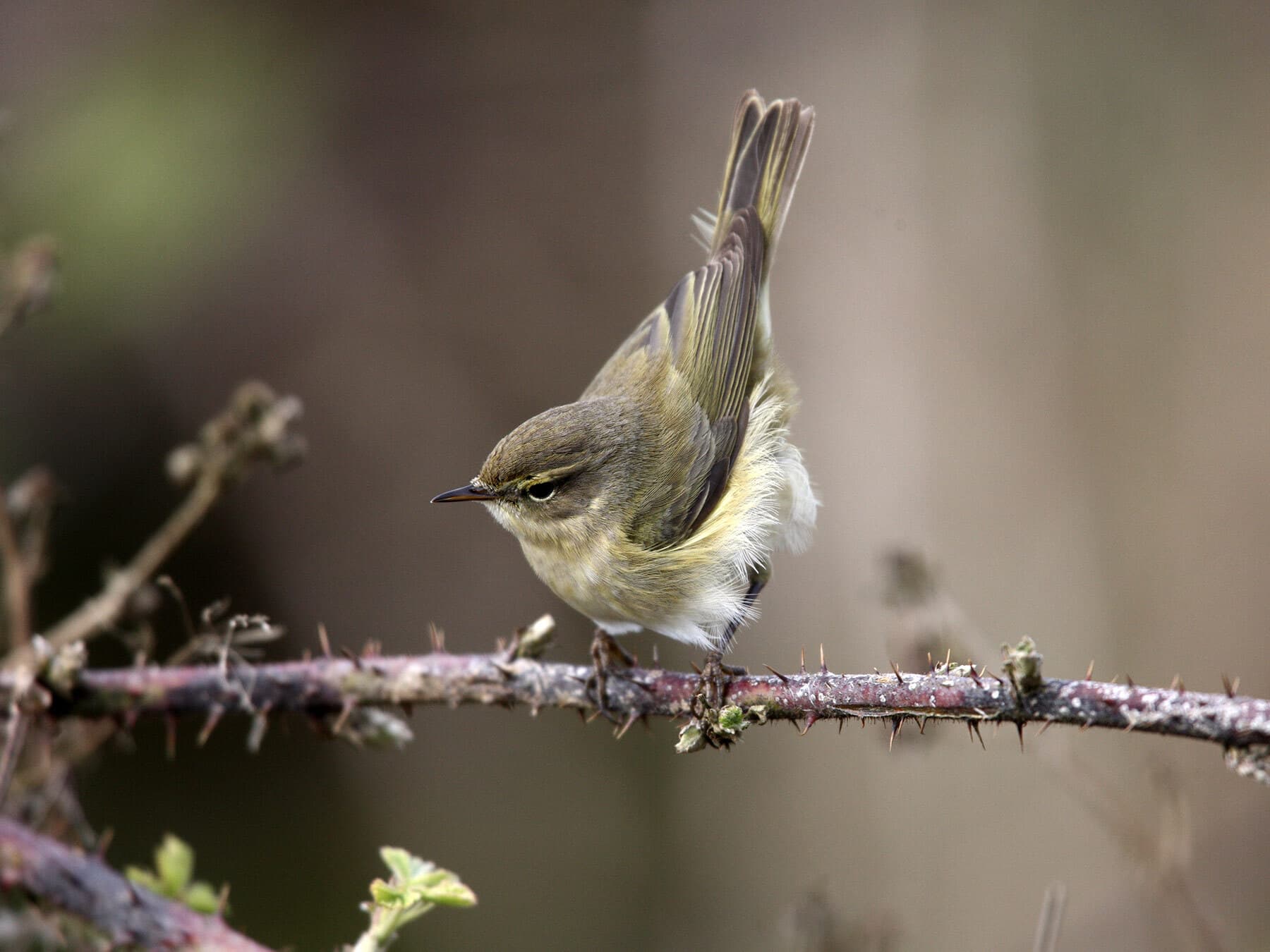
Chiffchaff
Phylloscopus collybitaLC
A common resident heard year-round, with numbers boosted by continental migrants in autumn. Its repetitive two-note song is a familiar woodland sound.
Year-round
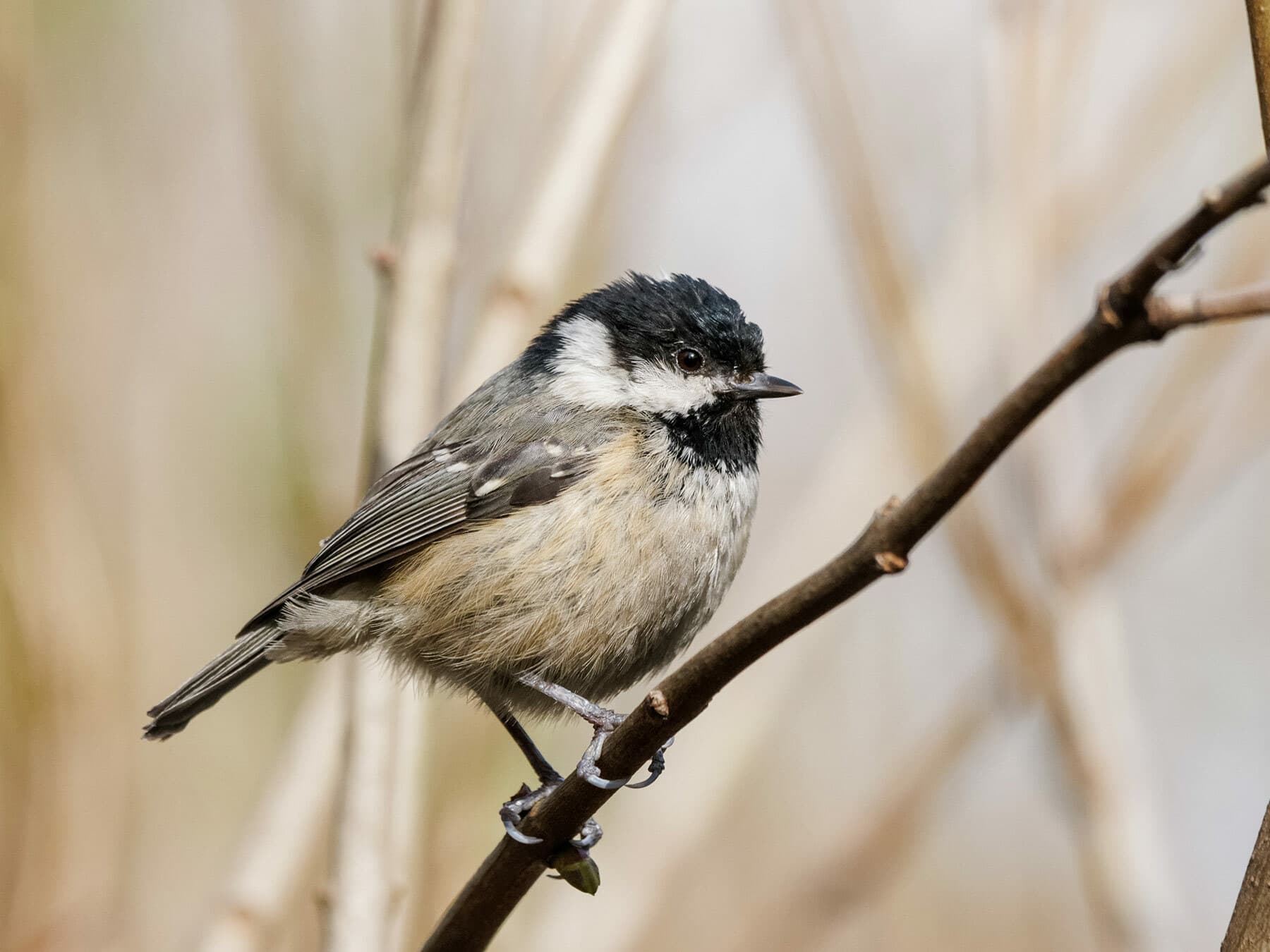
Coal Tit
Periparus aterLC
An uncommon resident favouring coniferous and mixed woodland. Regularly visits garden feeders, especially in winter months.
Year-round