Birds in East Riding of Yorkshire
Explore 233 species found in this region.
The East Riding of Yorkshire supports an impressive diversity of birdlife, with around 230 species recorded across its varied landscapes. From the dramatic chalk cliffs of Flamborough Head and Bempton to the expansive wetlands of the Humber Estuary, the region offers habitats that attract everything from breeding seabird colonies to scarce migrants such as Bluethroat and Great Grey Shrike. Wading birds like Northern Lapwing and Dotterel, along with coastal specialists such as Common Shelduck, make this county a rewarding destination for birdwatchers year-round.
Visiting in April? Look out for Arctic Tern and Barn Swallow arriving this month, and Bearded Tit and Greater White-fronted Goose depart for the season.


Showing 1–23 of 233 species
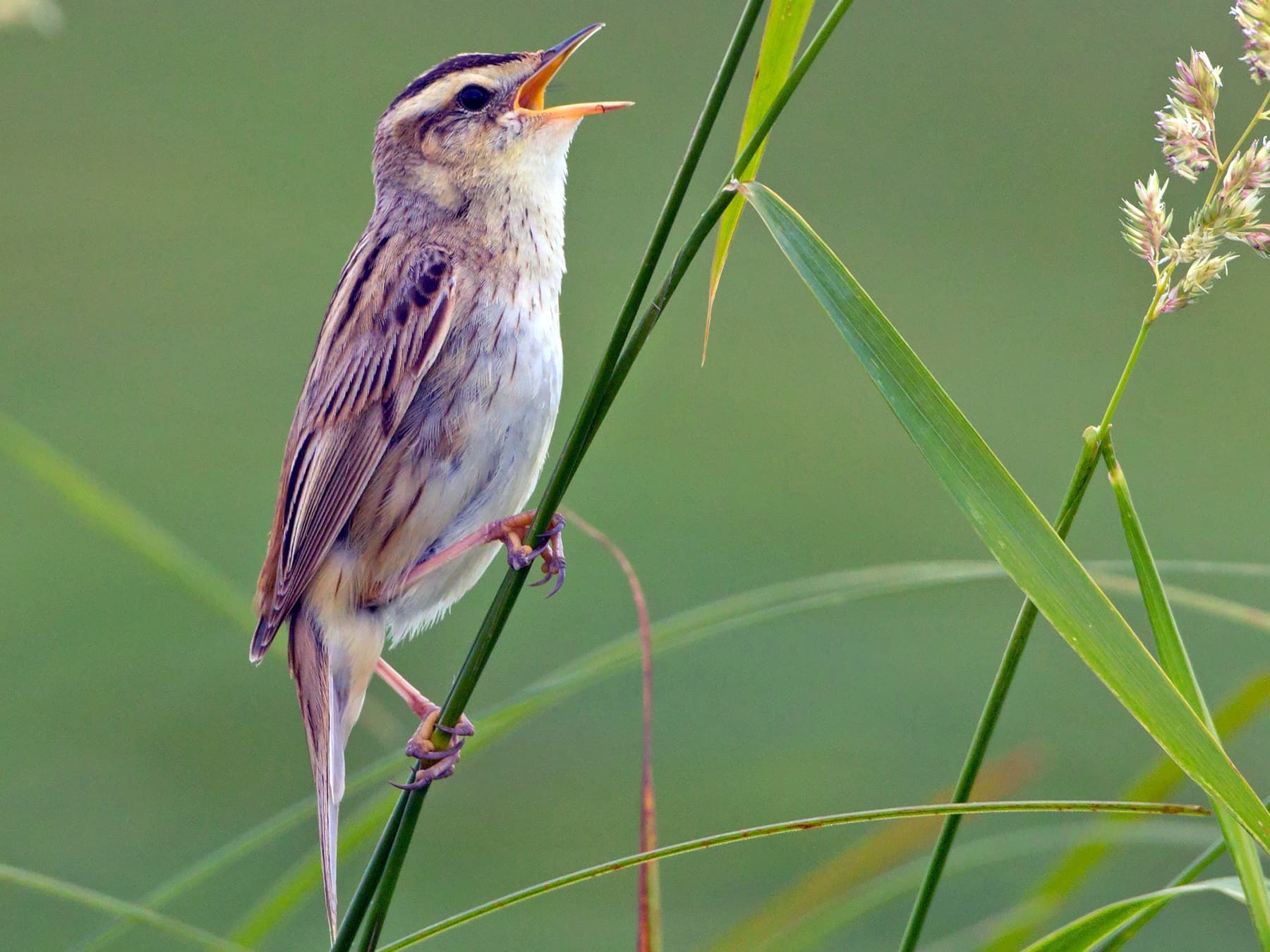
Aquatic Warbler
Acrocephalus paludicolaVU
An extremely rare passage migrant, with occasional June records likely involving overshooting spring migrants at coastal wetland sites.
Jun
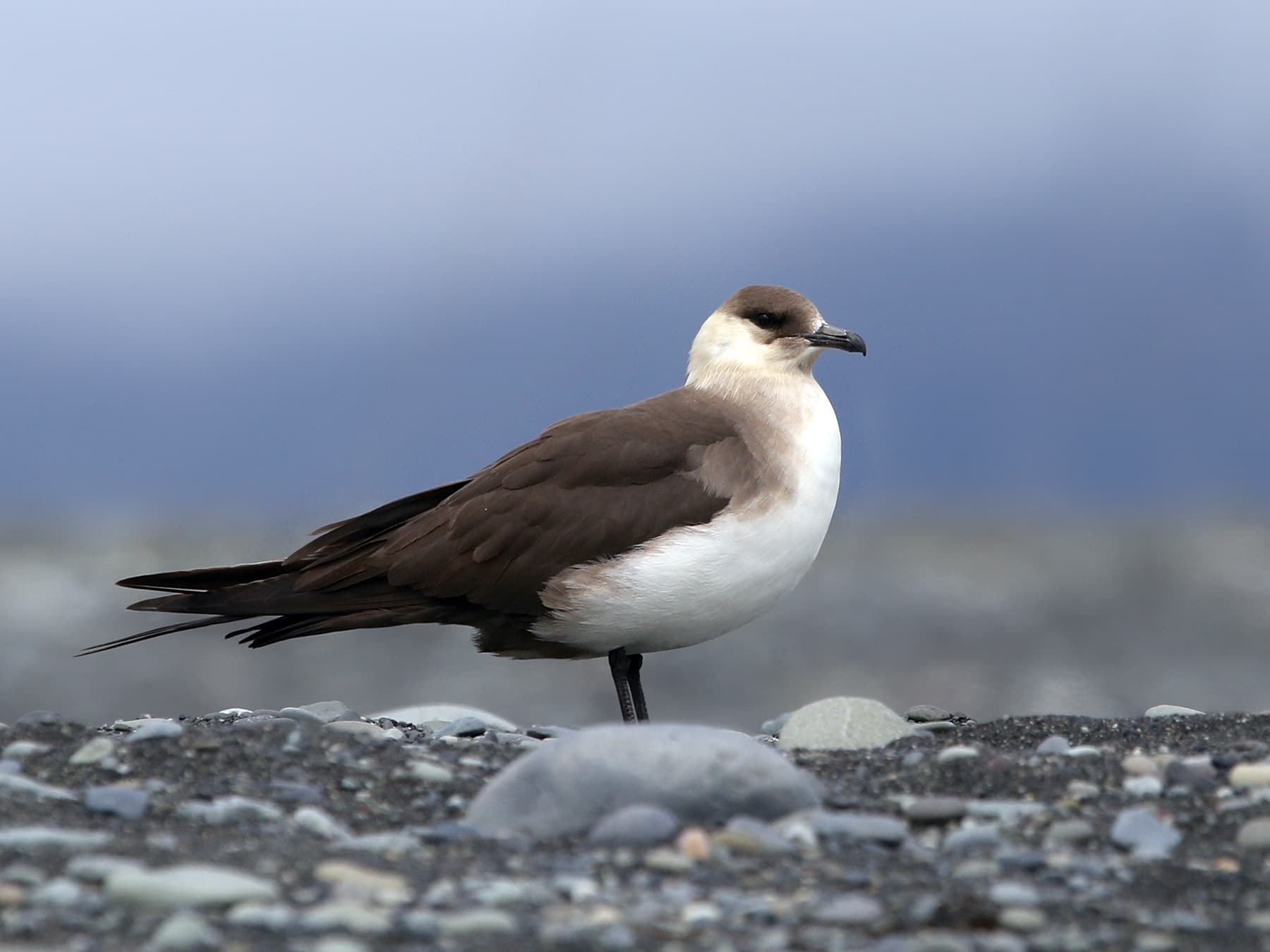
Arctic Jaeger
Stercorarius parasiticusLC
An uncommon but regular sight offshore from summer through autumn, harassing terns and gulls. Best seen from Flamborough and Spurn.
Jun–Nov
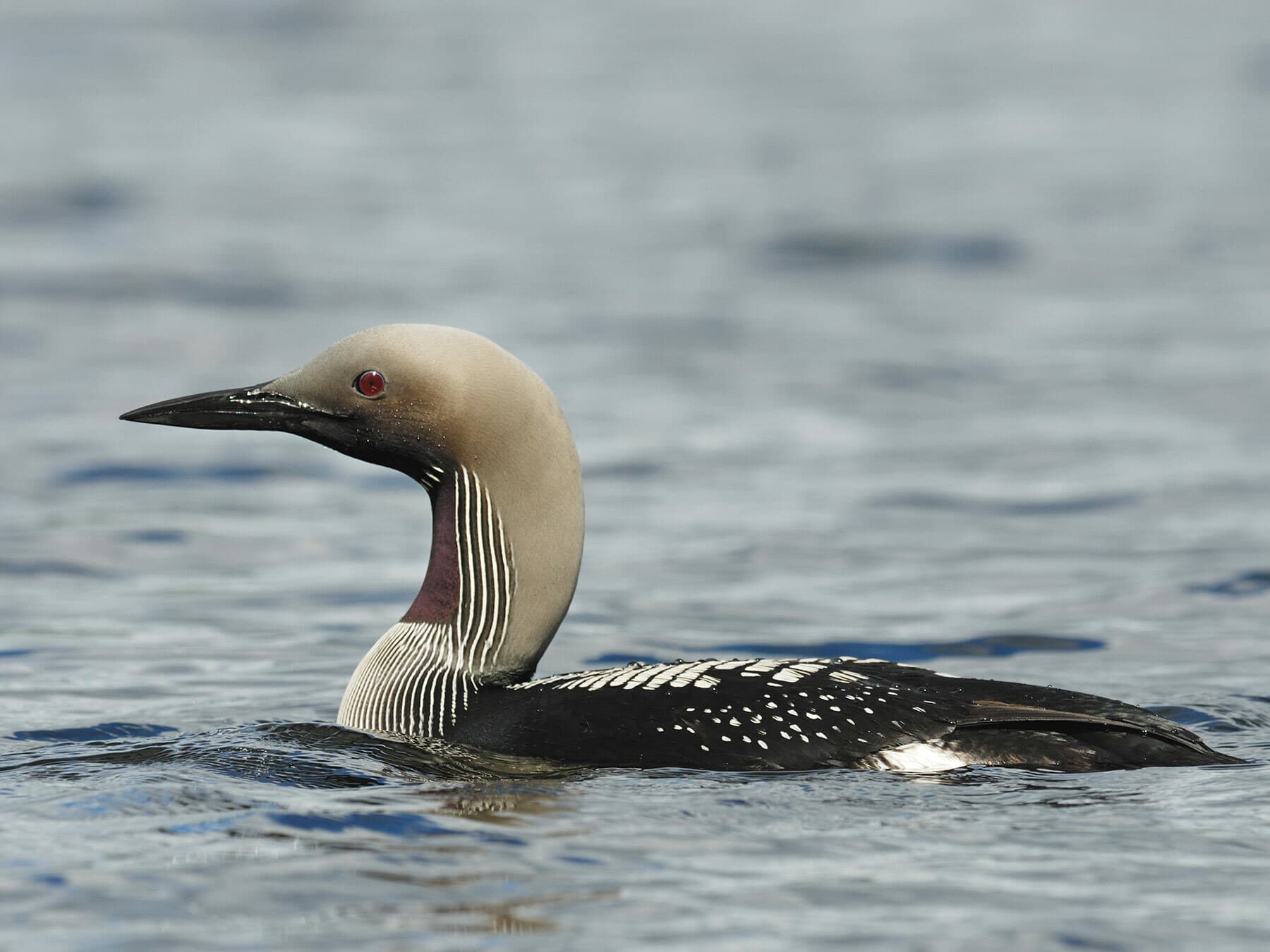
Arctic Loon
Gavia arcticaLC
A rare passage visitor in late autumn, occasionally spotted offshore at seawatching sites such as Flamborough and Spurn.
Nov–Dec
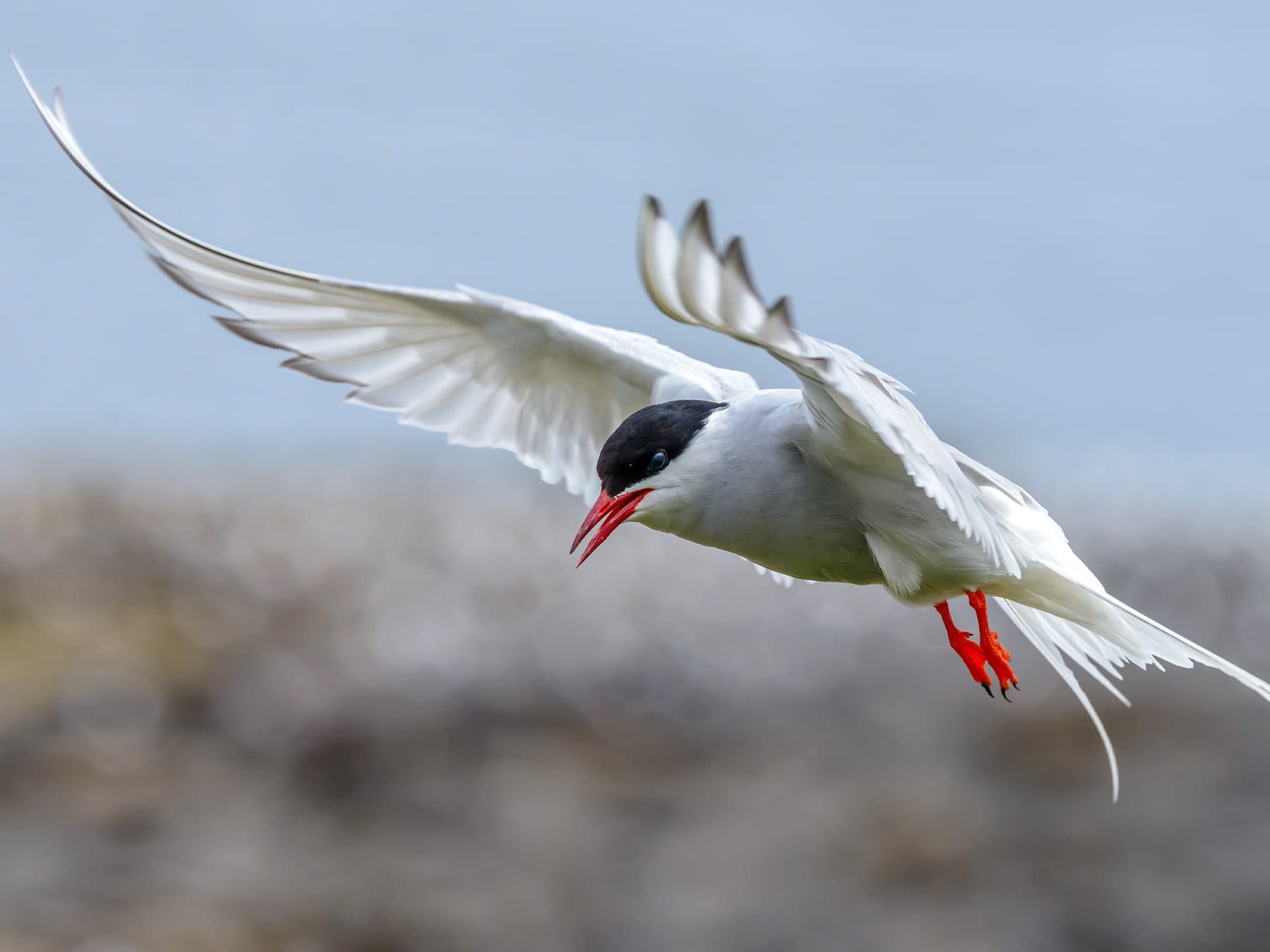
Arctic Tern
Sterna paradisaeaLC
Breeds in small numbers at coastal colonies from April. Passage birds are seen offshore at Flamborough and Spurn into autumn.
Apr–Oct
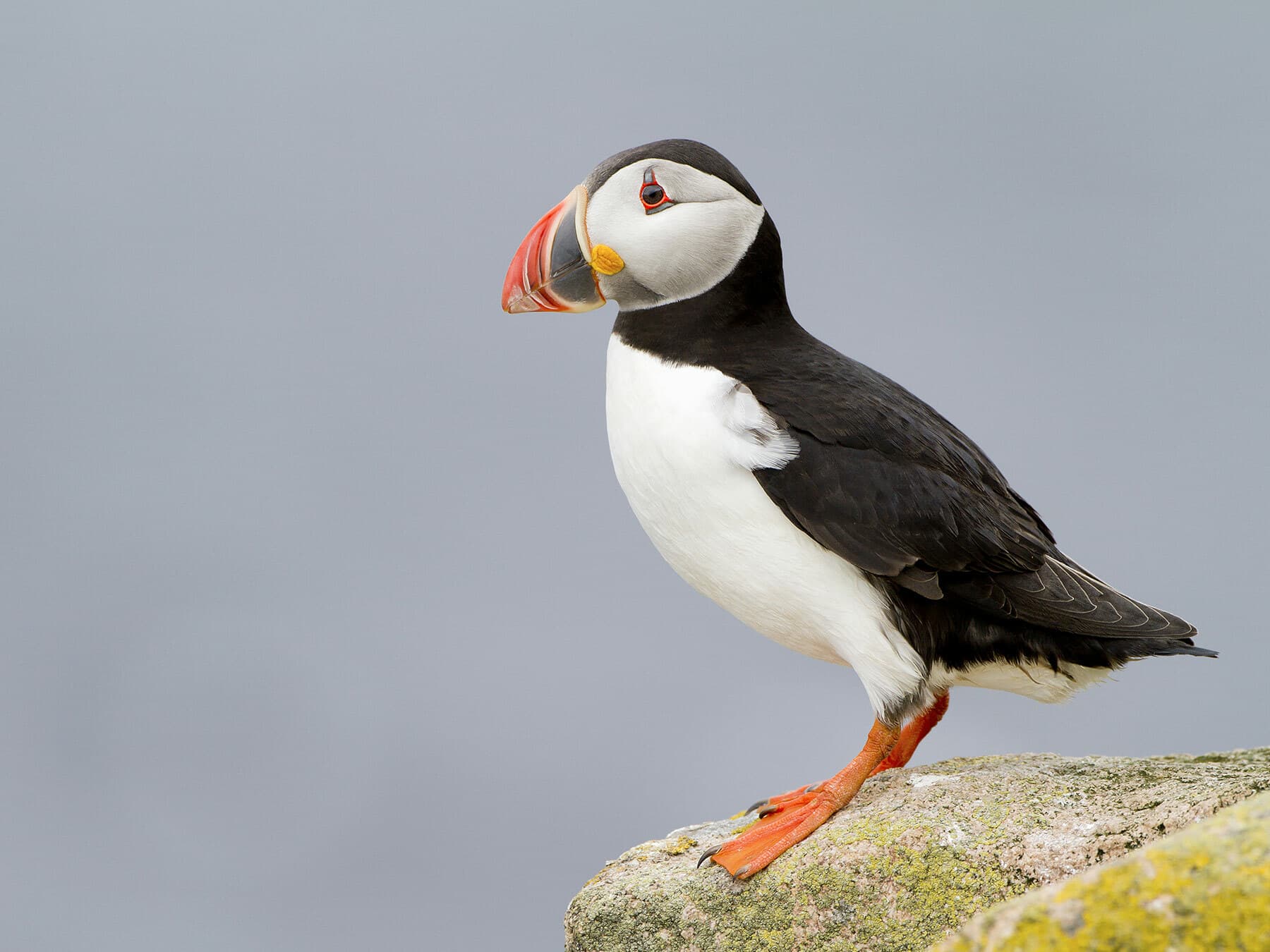
Atlantic Puffin
Fratercula arcticaVU
Breeds on the Flamborough and Bempton cliffs from spring, with birds visible offshore into autumn. A much-loved sight at the colony.
Mar–Dec
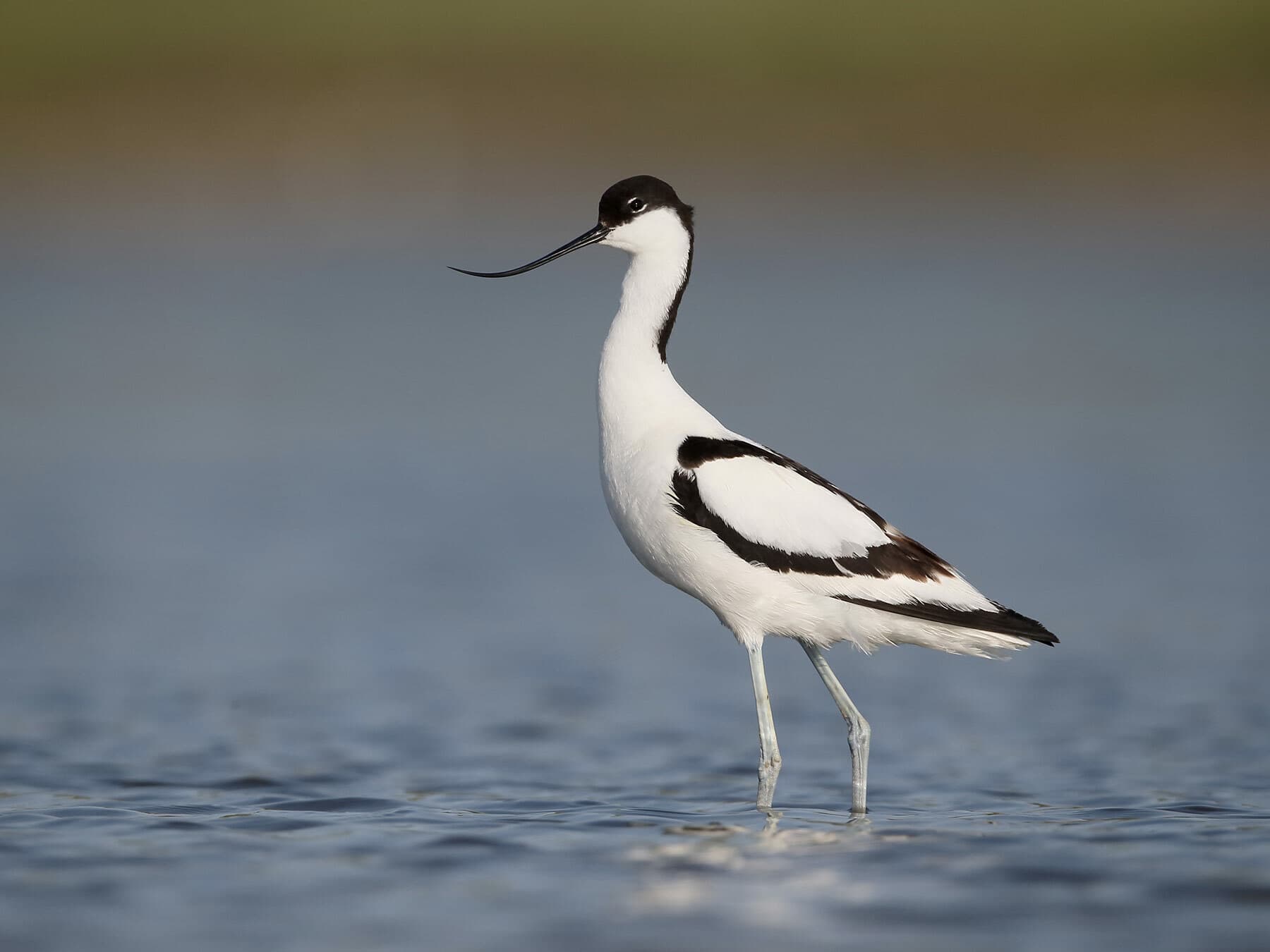
Avocet
Recurvirostra avosettaLC
An uncommon but iconic resident, breeding at key Humber estuary sites. Elegant black-and-white waders that sweep their upturned bills through shallow water.
Jan–Nov
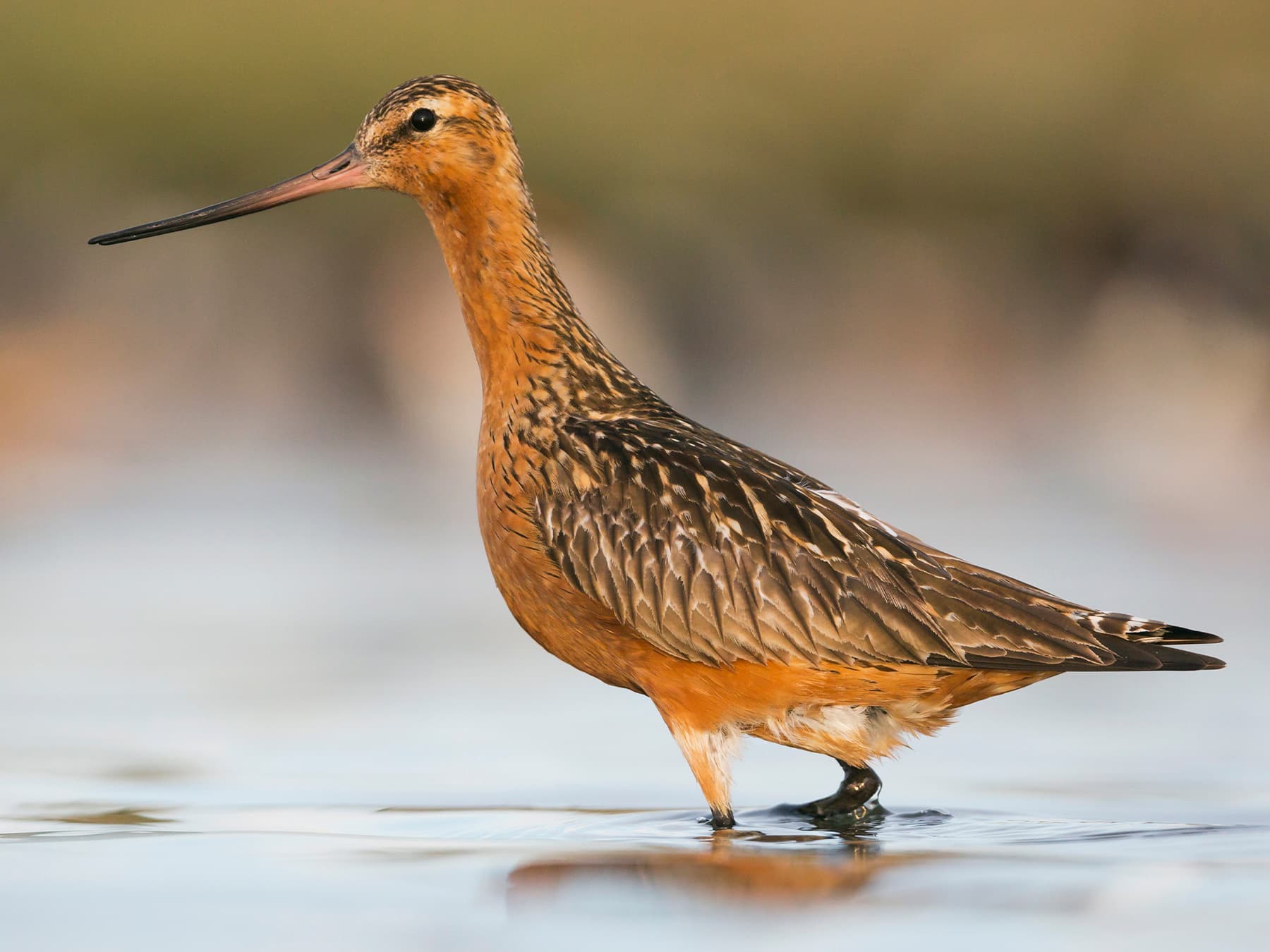
Bar-tailed Godwit
Limosa lapponicaNT
An uncommon wader of the Humber estuary and Spurn, most numerous in winter and on passage. Feeds on mudflats with its distinctive upturned bill.
Year-round
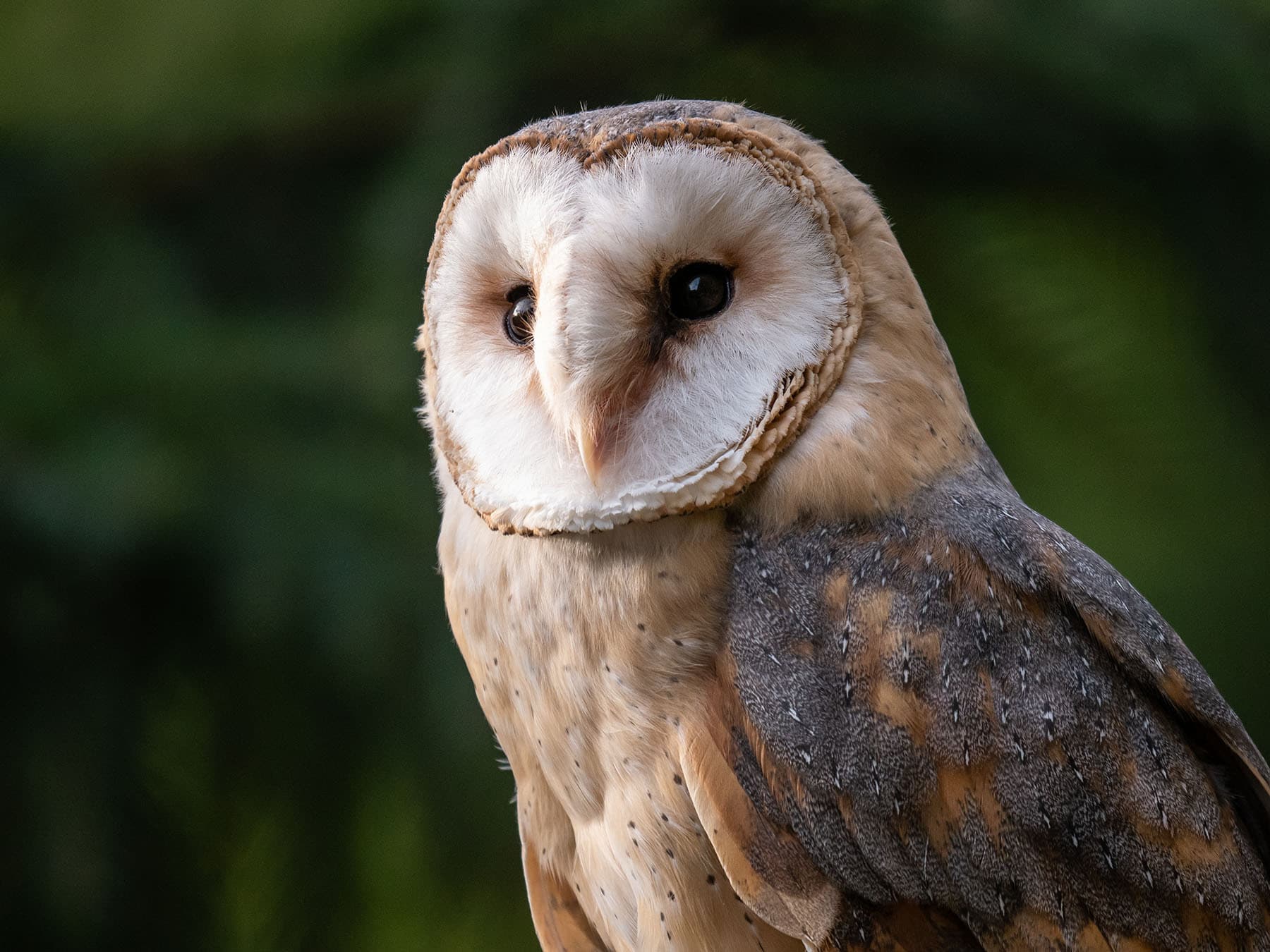
Barn Owl
Tyto albaLC
An uncommon year-round resident of open farmland, often hunting along field margins and roadside verges at dusk.
Year-round
Spotted something?
Upload a photo to identify it
Identify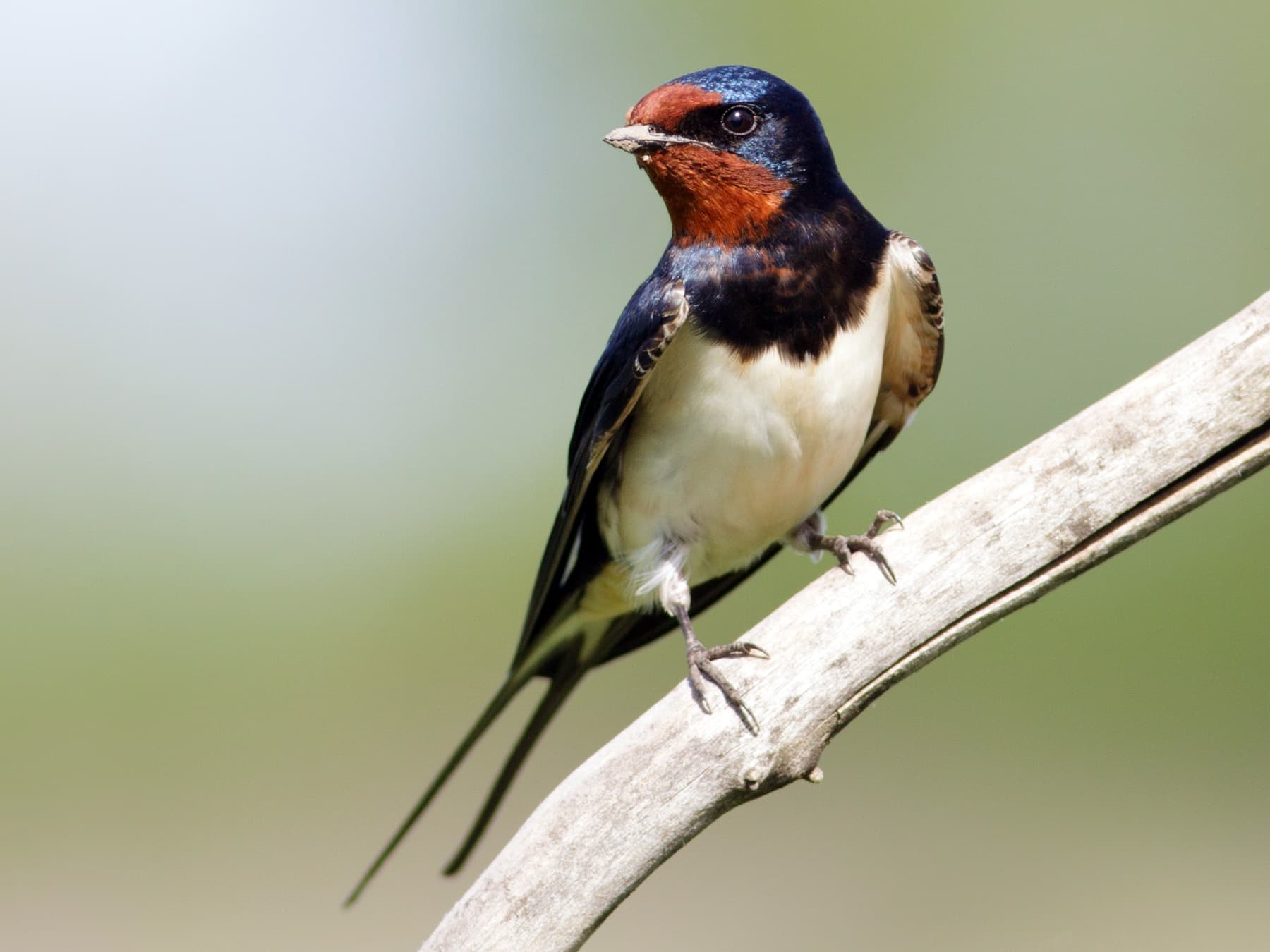
Barn Swallow
Hirundo rusticaLC
A familiar summer breeder around farmsteads and villages, arriving in April and lingering into November before its African migration.
Apr–Nov
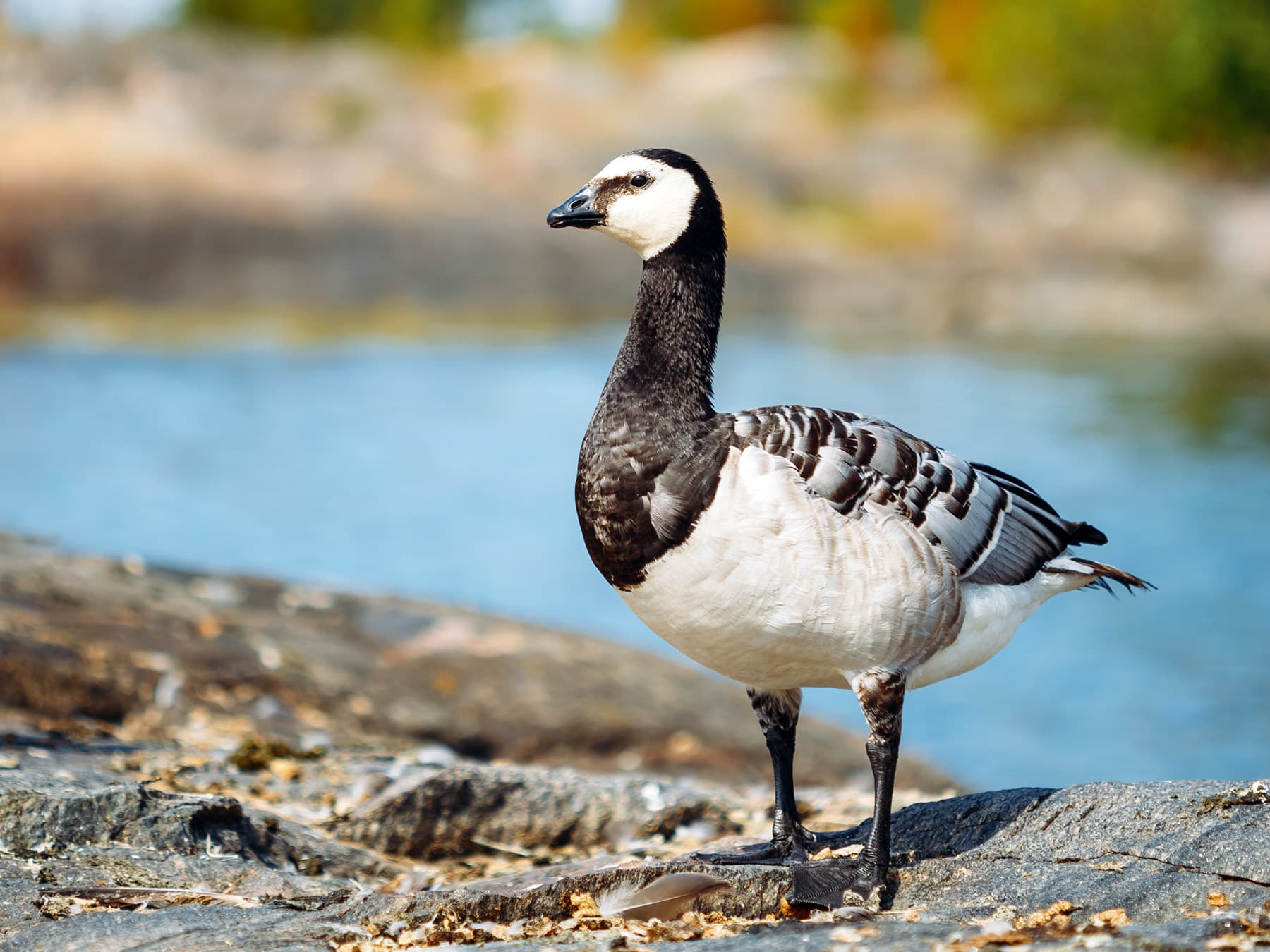
Barnacle Goose
Branta leucopsisLC
A rare resident, with feral birds present year-round and occasional wild Arctic migrants in winter.
Aug–Jun
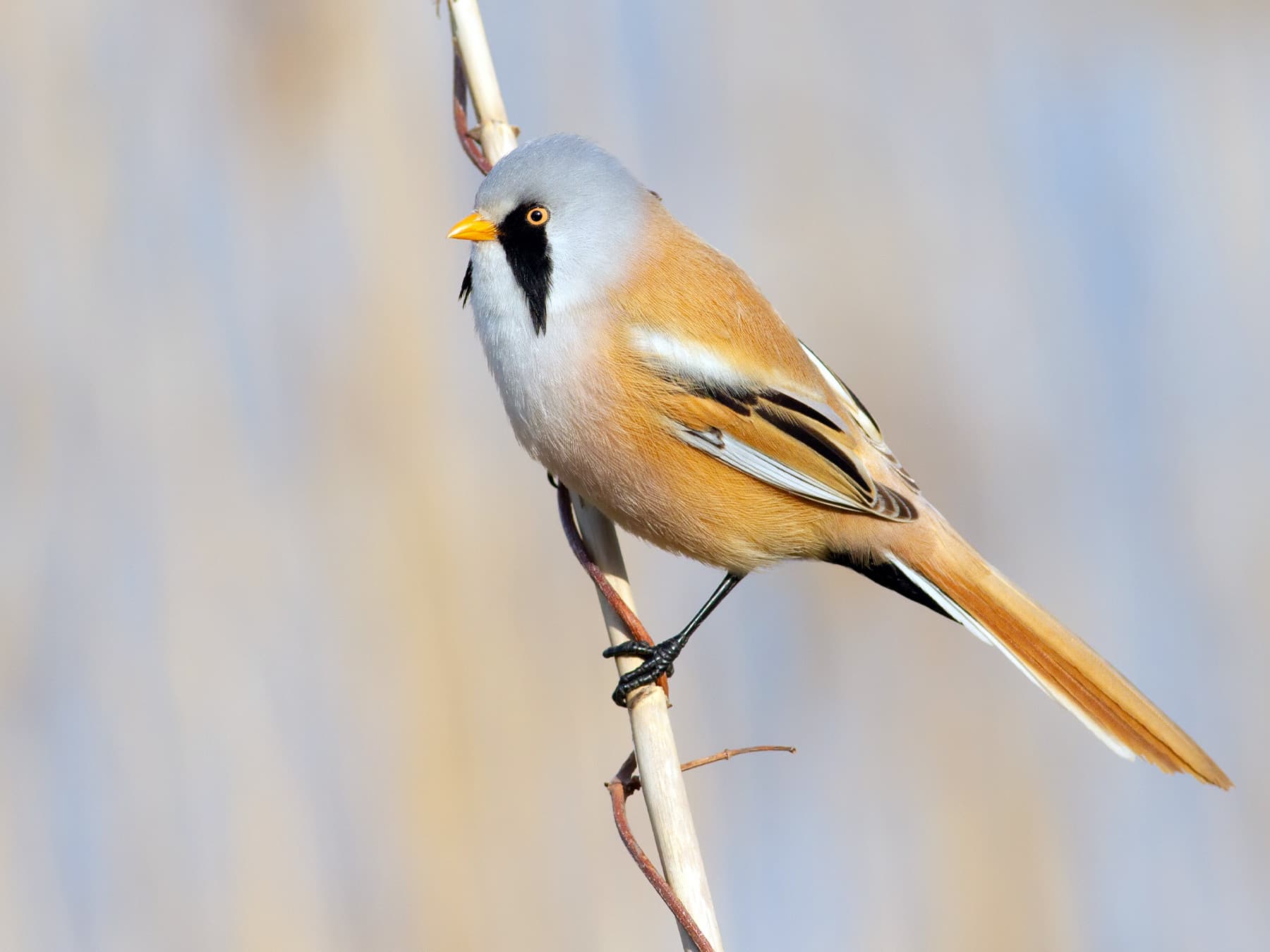
Bearded Tit
Panurus biarmicusLC
A rare but resident species, favouring extensive reedbeds at sites like Blacktoft Sands where its distinctive pinging call carries far.
Mar–Jan
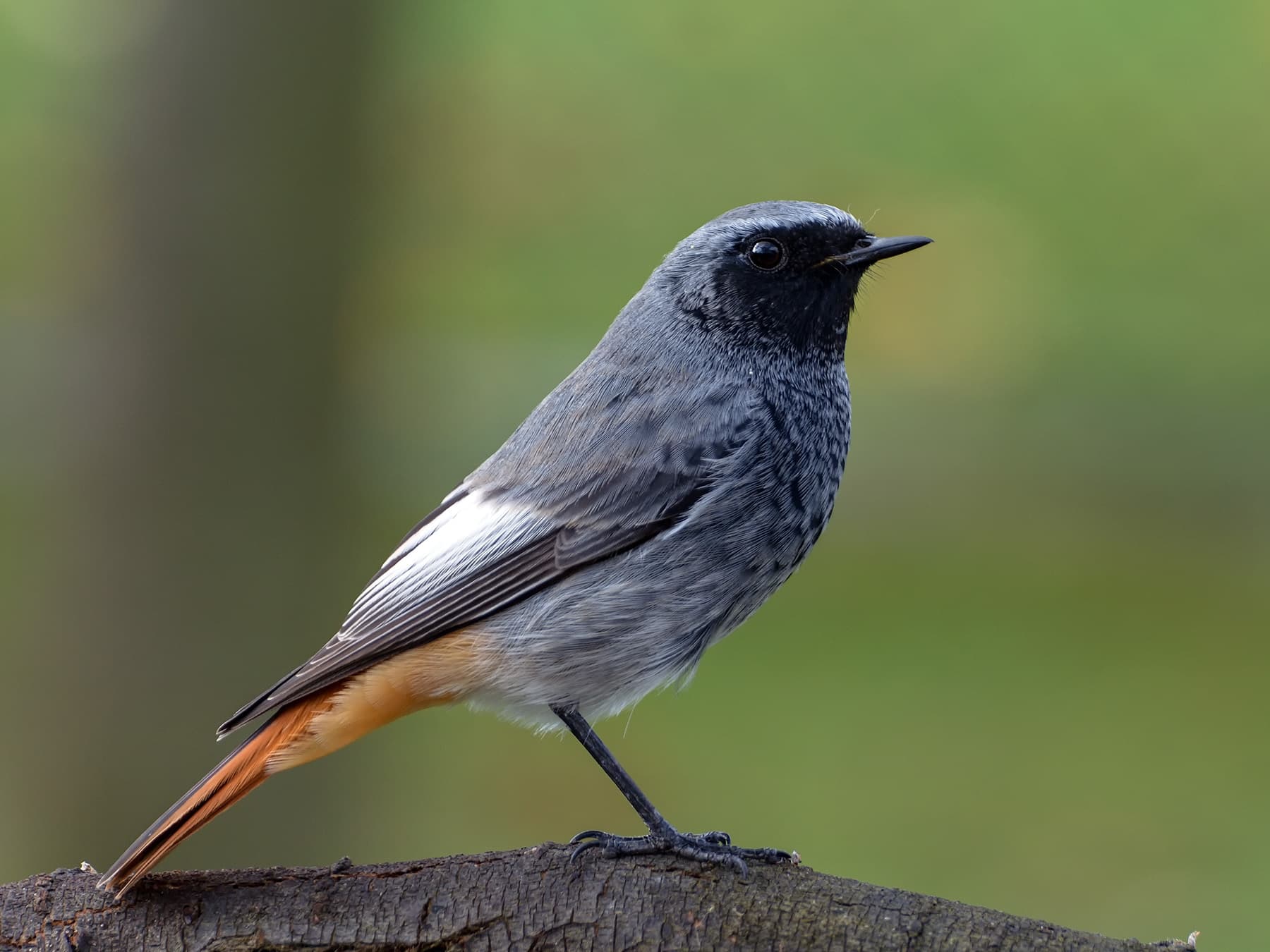
Black Redstart
Phoenicurus ochrurosLC
A rare but regular visitor, favouring coastal cliffs and urban structures. Recorded from spring through to late autumn at sites like Flamborough.
Mar–Nov
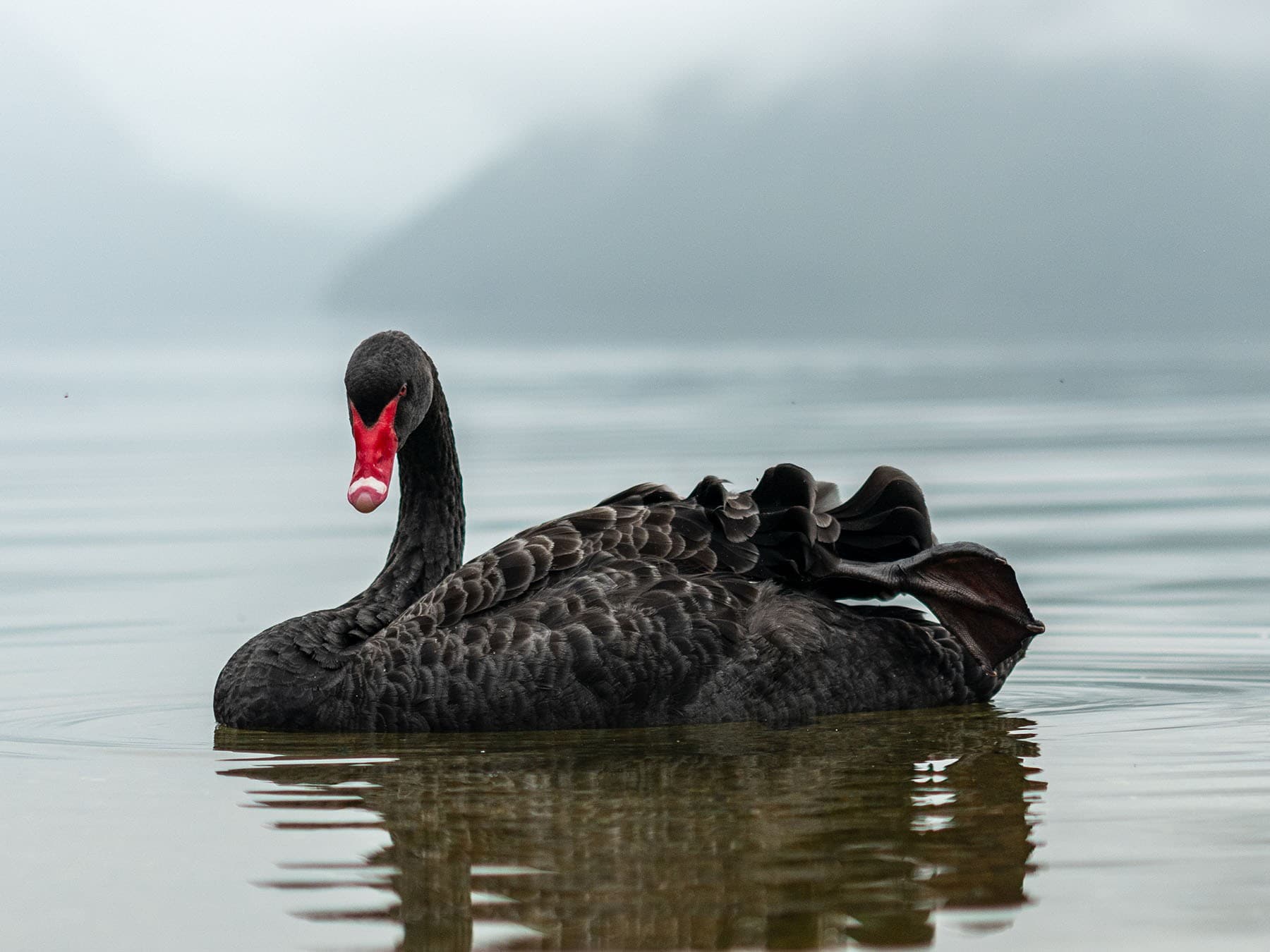
Black Swan
Cygnus atratusLC
A rare non-native vagrant, with occasional sightings likely involving escapees from wildfowl collections.
Oct–Jan
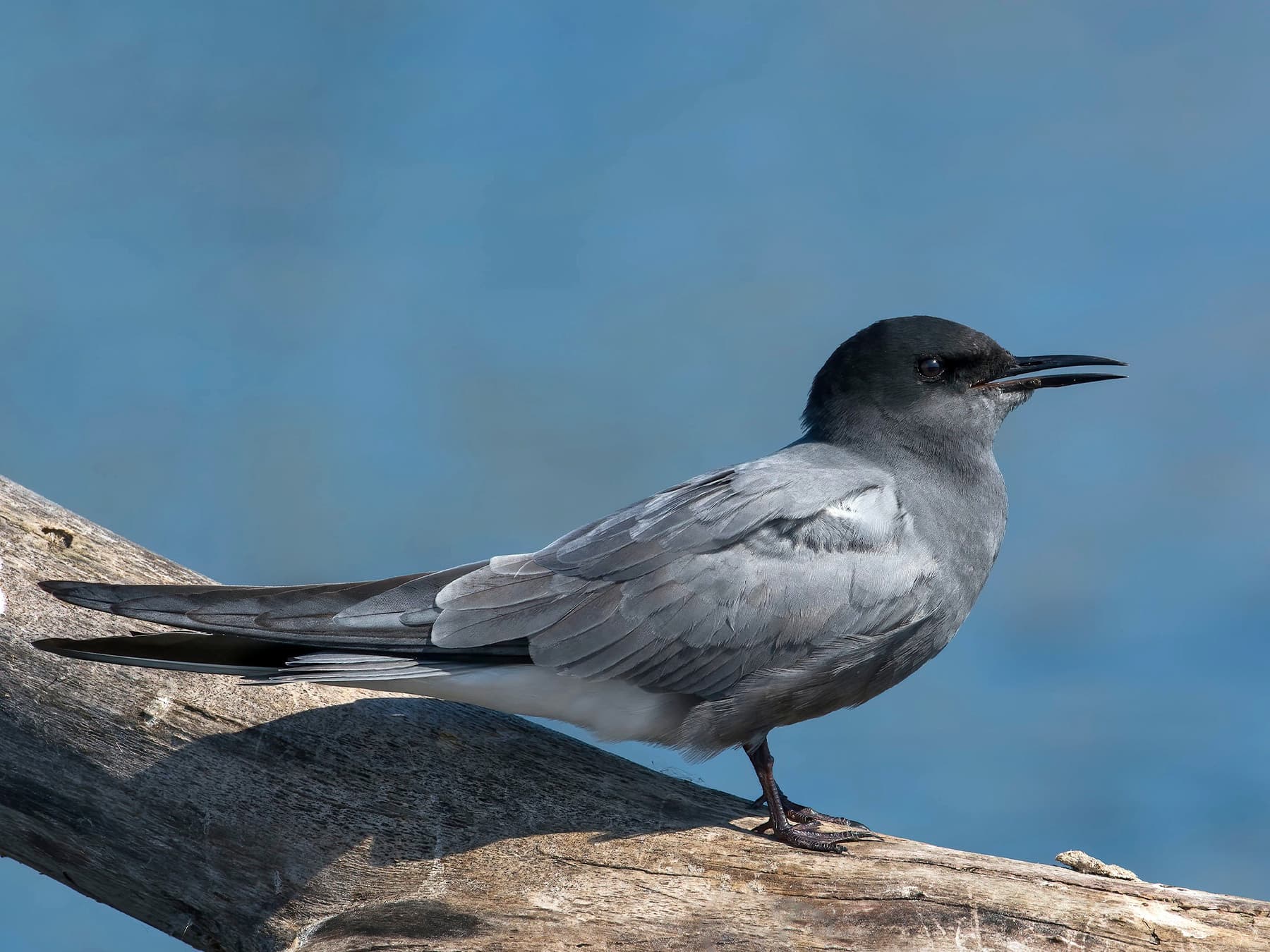
Black Tern
Chlidonias nigerLC
A rare autumn passage migrant, occasionally seen at Hornsea Mere and coastal pools in August and September.
Aug–Sep
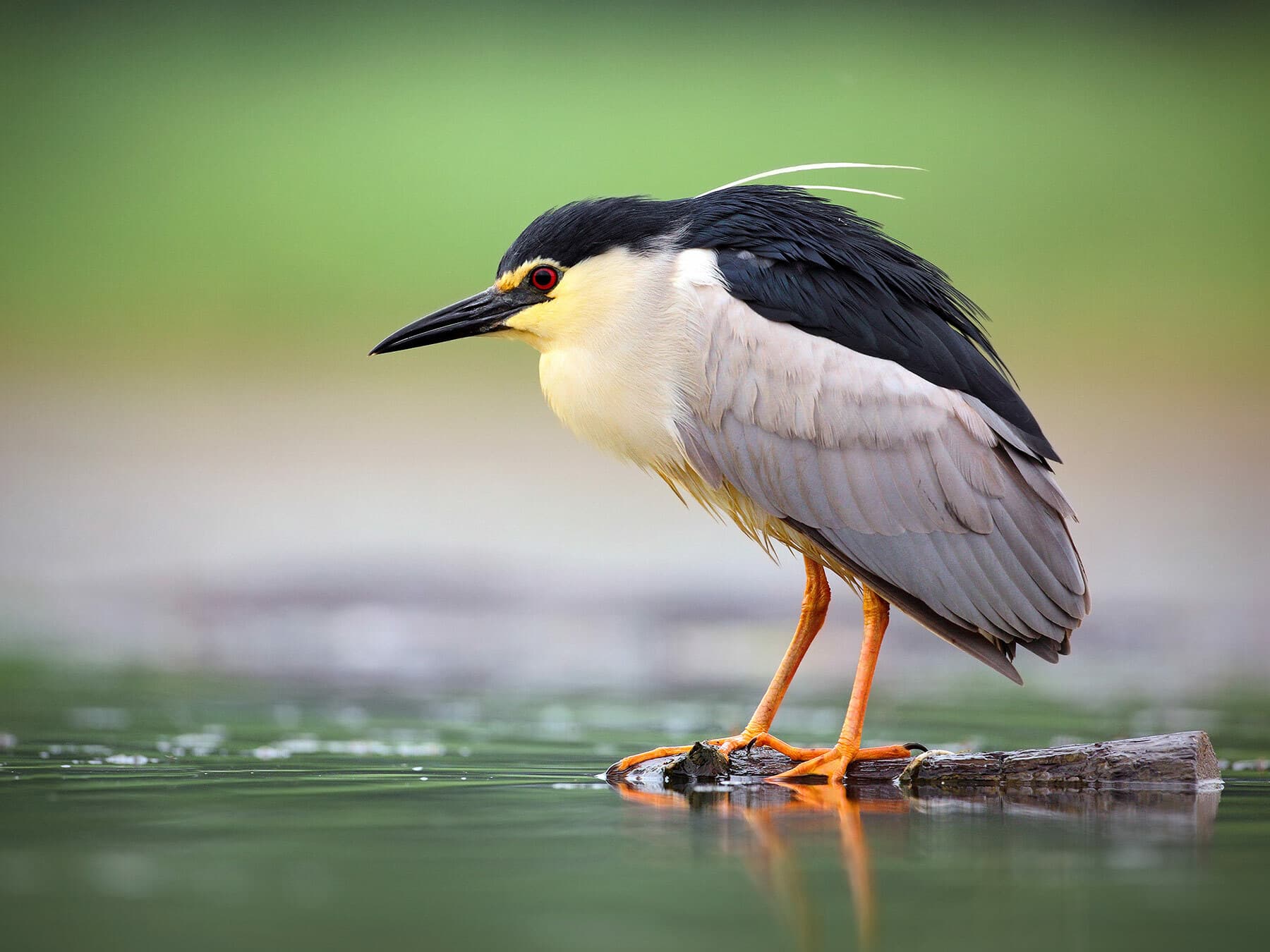
Black-crowned Night-heron
Nycticorax nycticoraxLC
A very rare passage visitor, with occasional August records. One of the region's most sought-after vagrant herons.
Aug
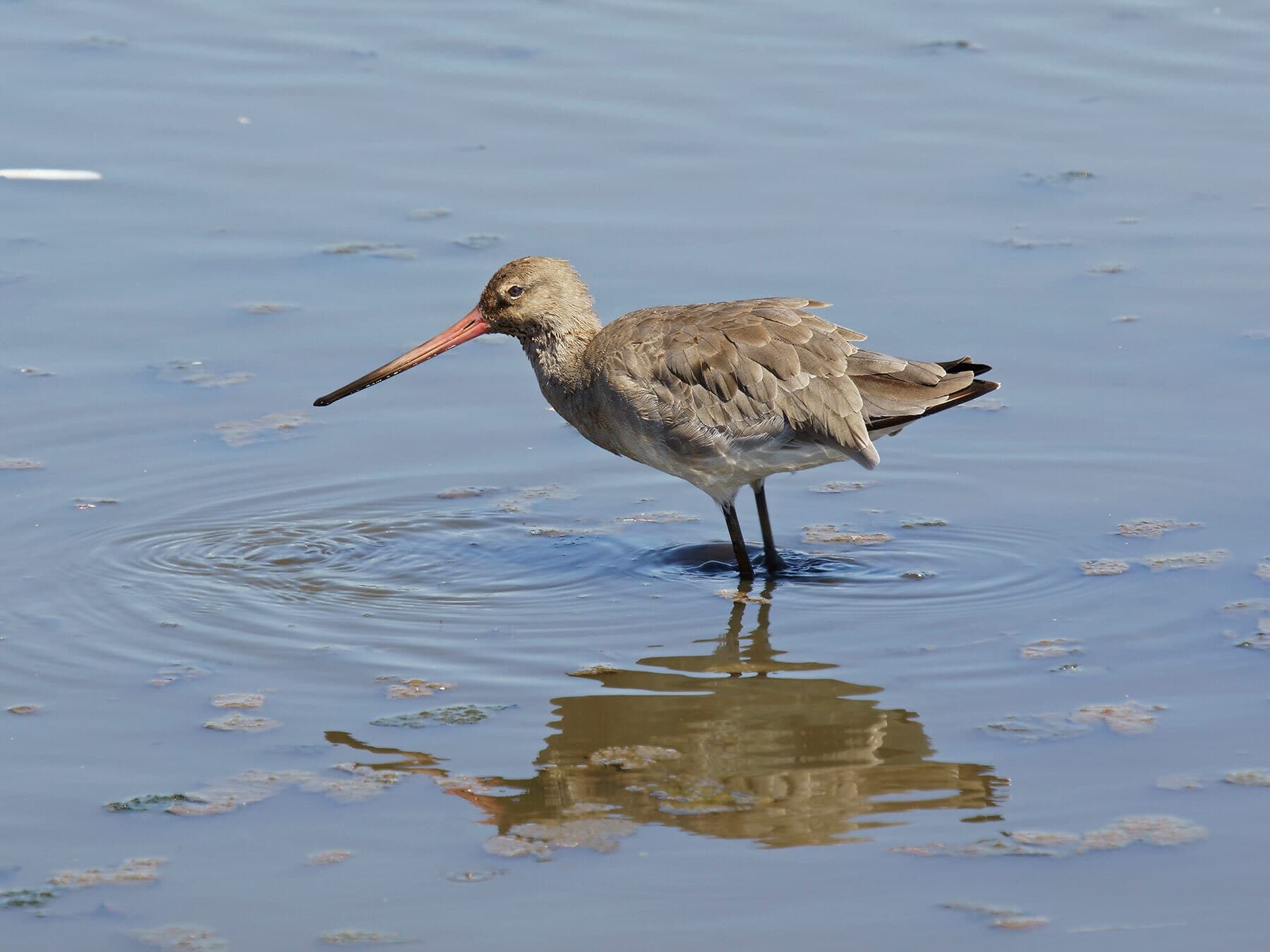
Black-tailed Godwit
Limosa limosaNT
Present year-round, with the Humber wetlands hosting important numbers. Breeds at select sites and gathers in flocks during autumn and winter.
Year-round
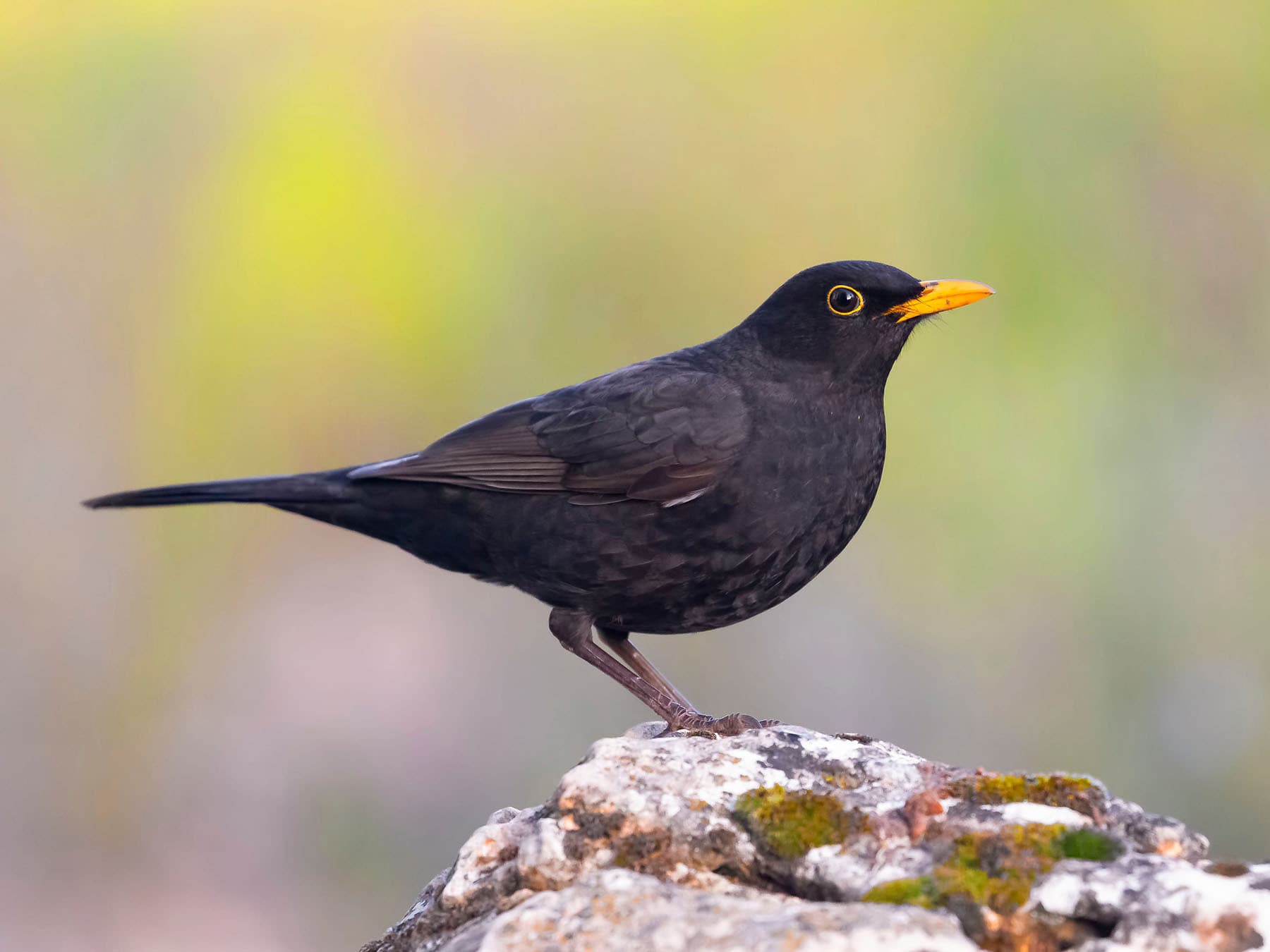
Blackbird
Turdus merulaLC
An abundant year-round resident of gardens, parks and woodland. Continental migrants boost numbers in autumn along the East Riding coast.
Year-round
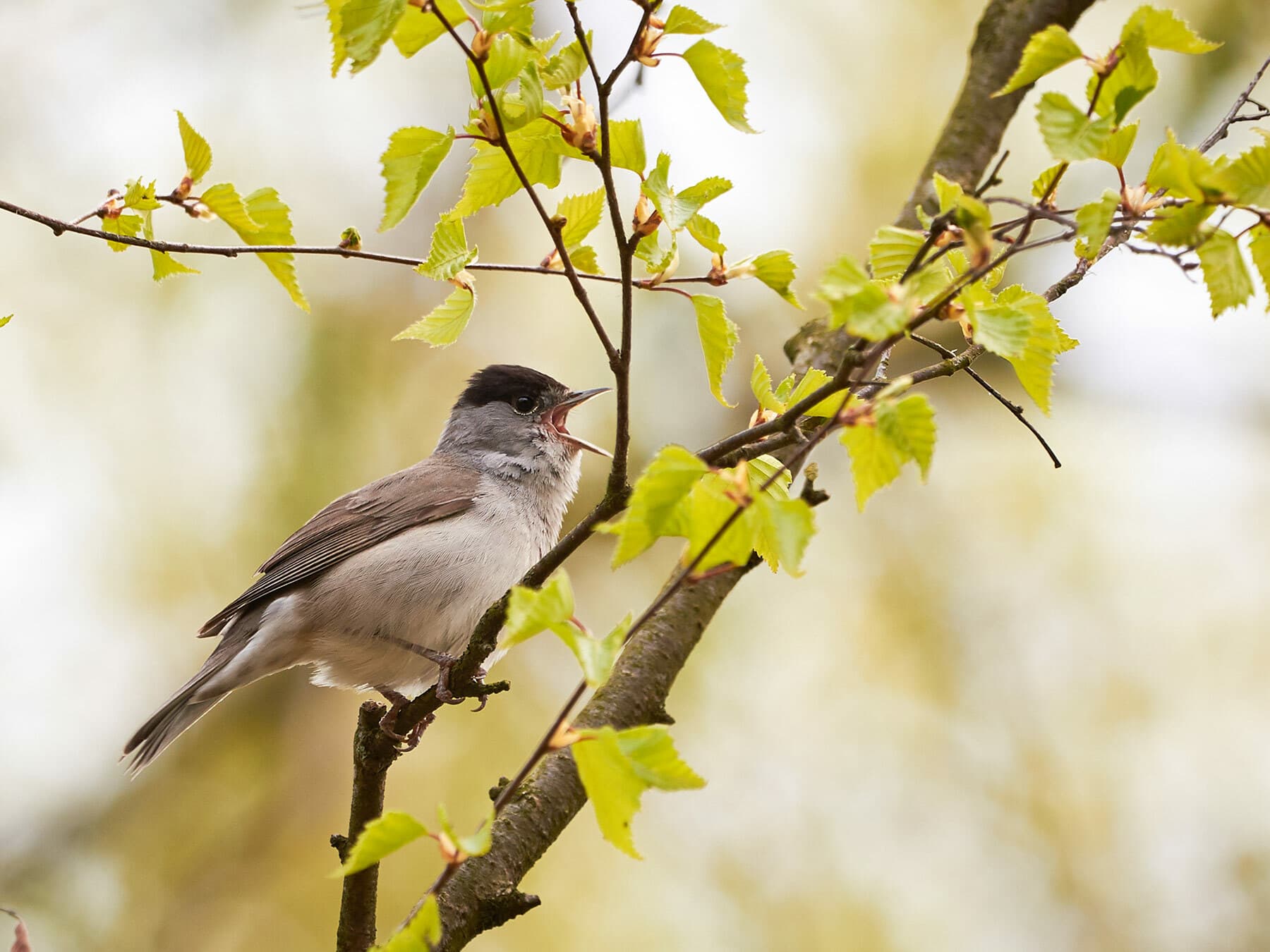
Blackcap
Sylvia atricapillaLC
An uncommon resident present all year; summer breeders are bolstered by wintering continental birds visiting garden feeders in the colder months.
Year-round
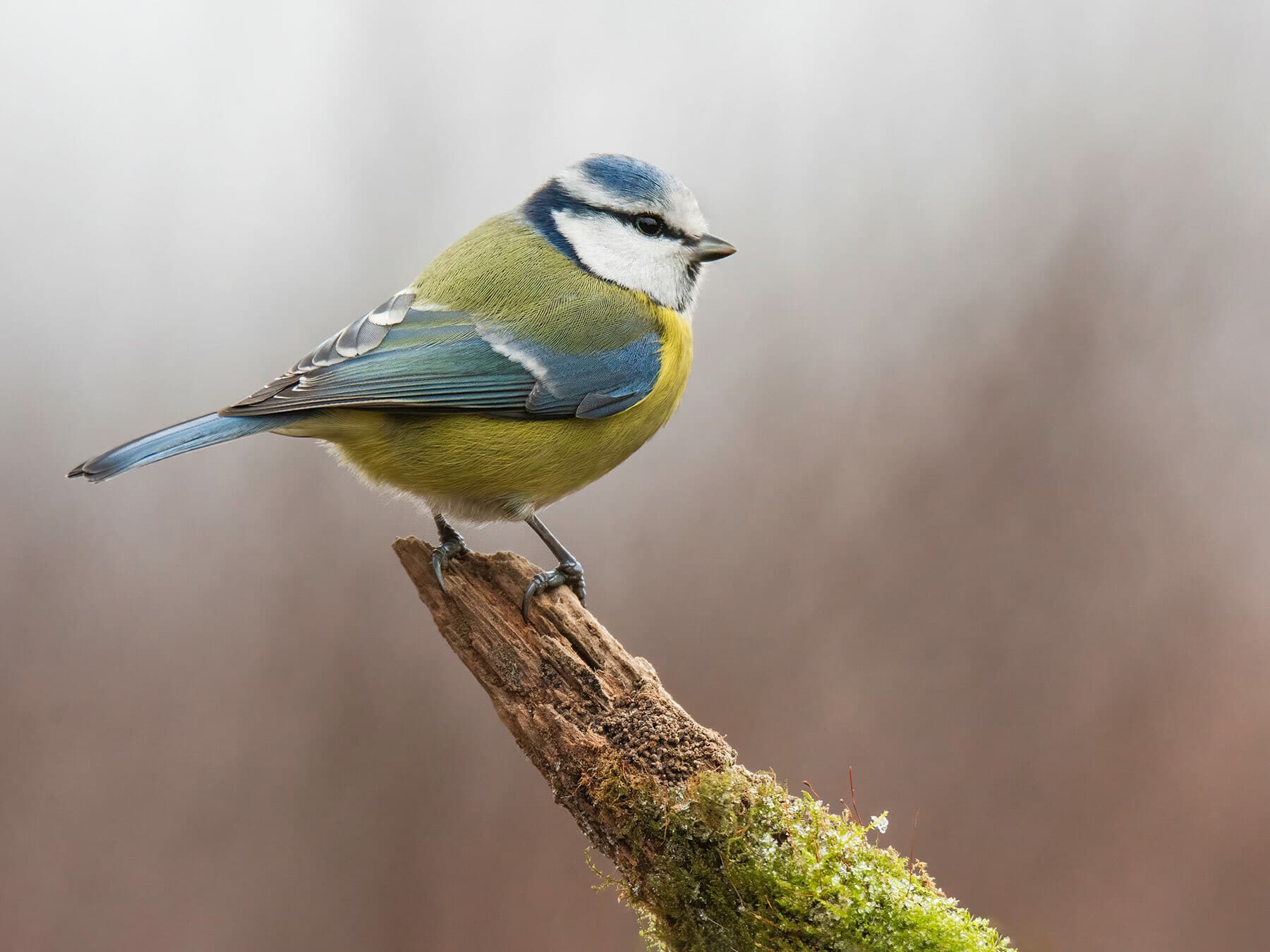
Blue Tit
Cyanistes caeruleusLC
A common and familiar resident throughout the East Riding, readily visiting garden feeders and nesting in boxes year-round.
Year-round
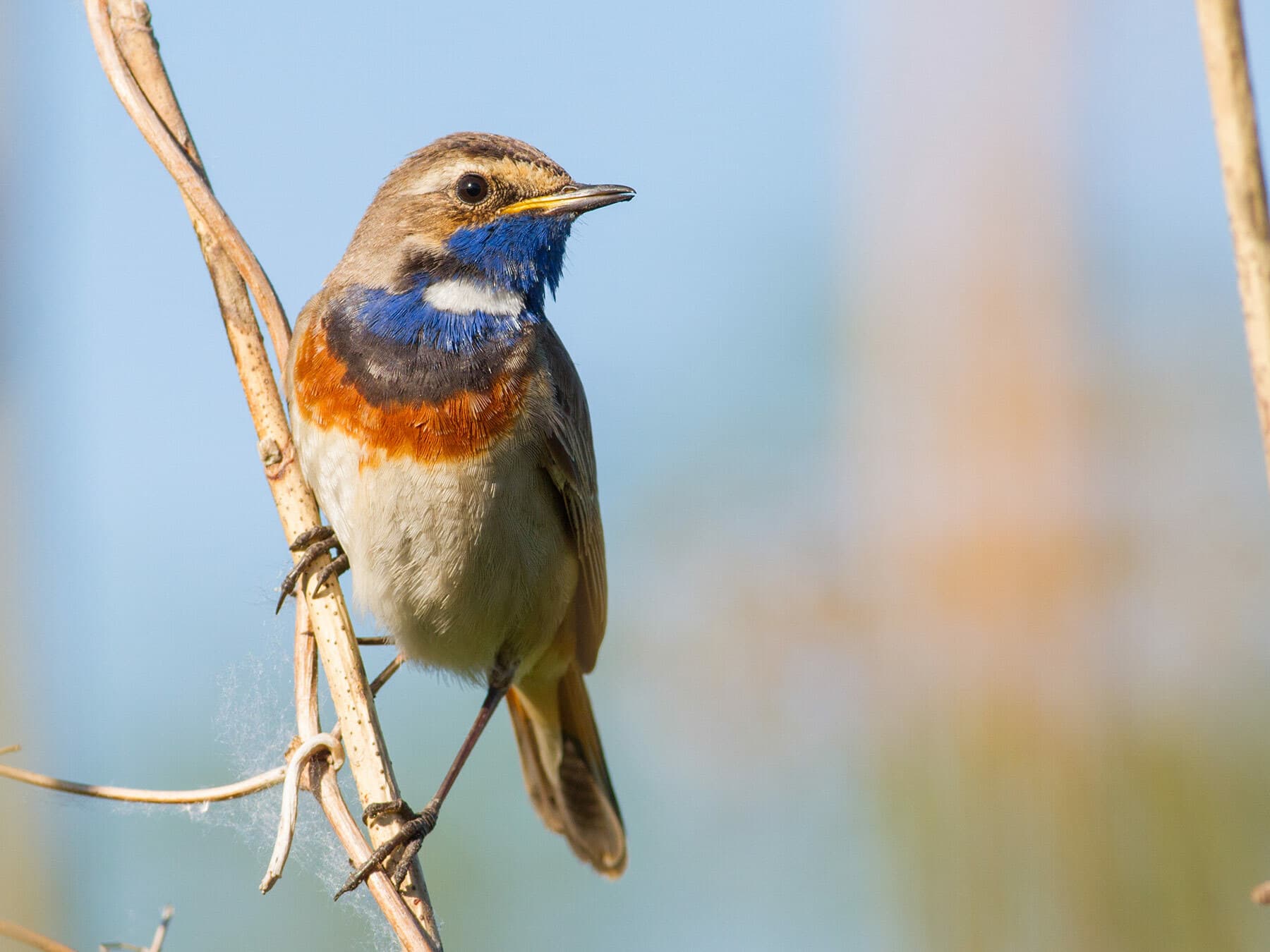
Bluethroat
Luscinia svecicaLC
A rare autumn passage migrant, occasionally recorded in September at coastal migration sites such as Spurn Point and Flamborough Head.
Sep
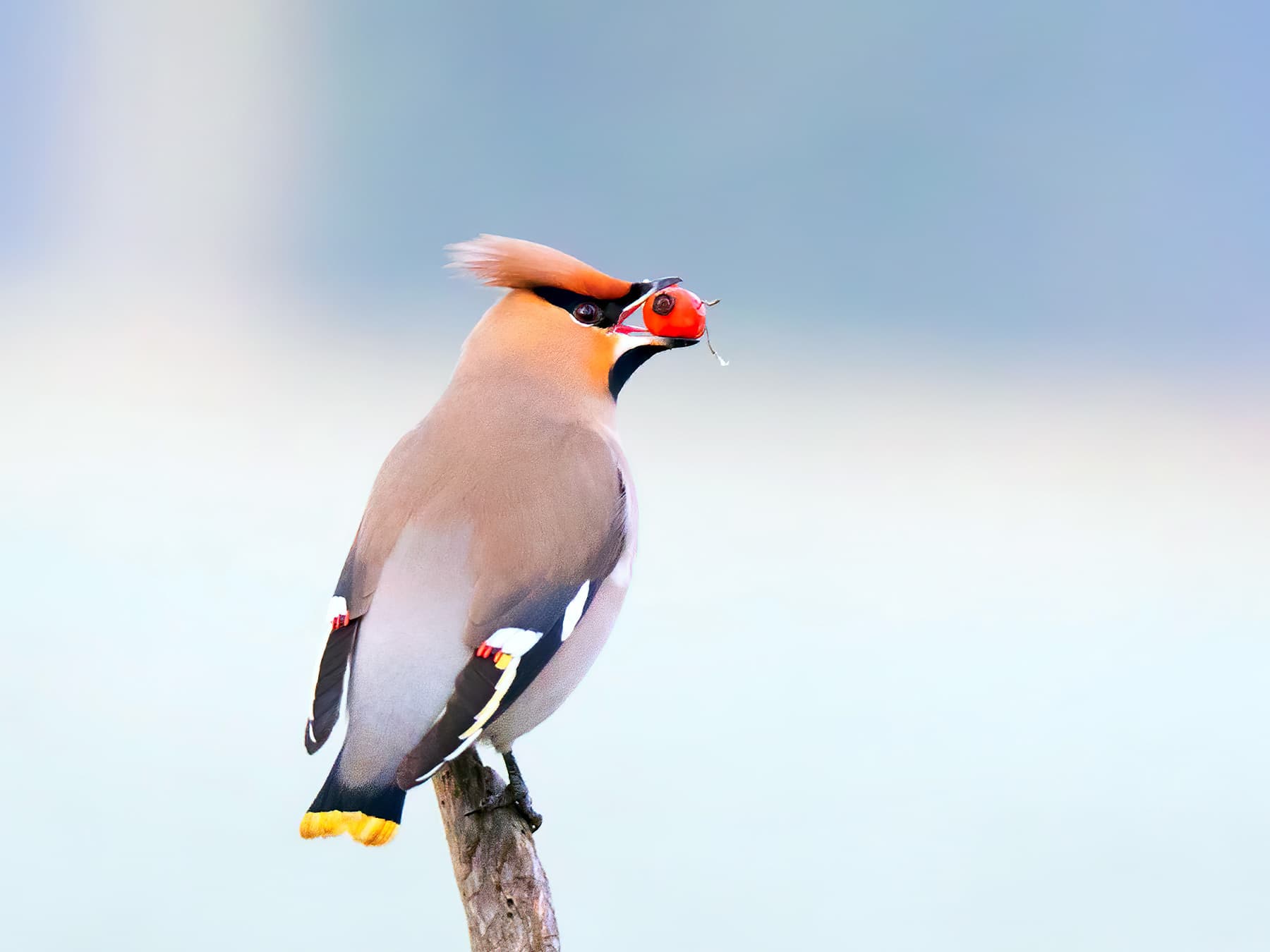
Bohemian Waxwing
Bombycilla garrulusLC
An irruptive winter visitor, arriving in variable numbers from late autumn. Flocks descend on berry-laden trees in towns and hedgerows.
Oct–Dec
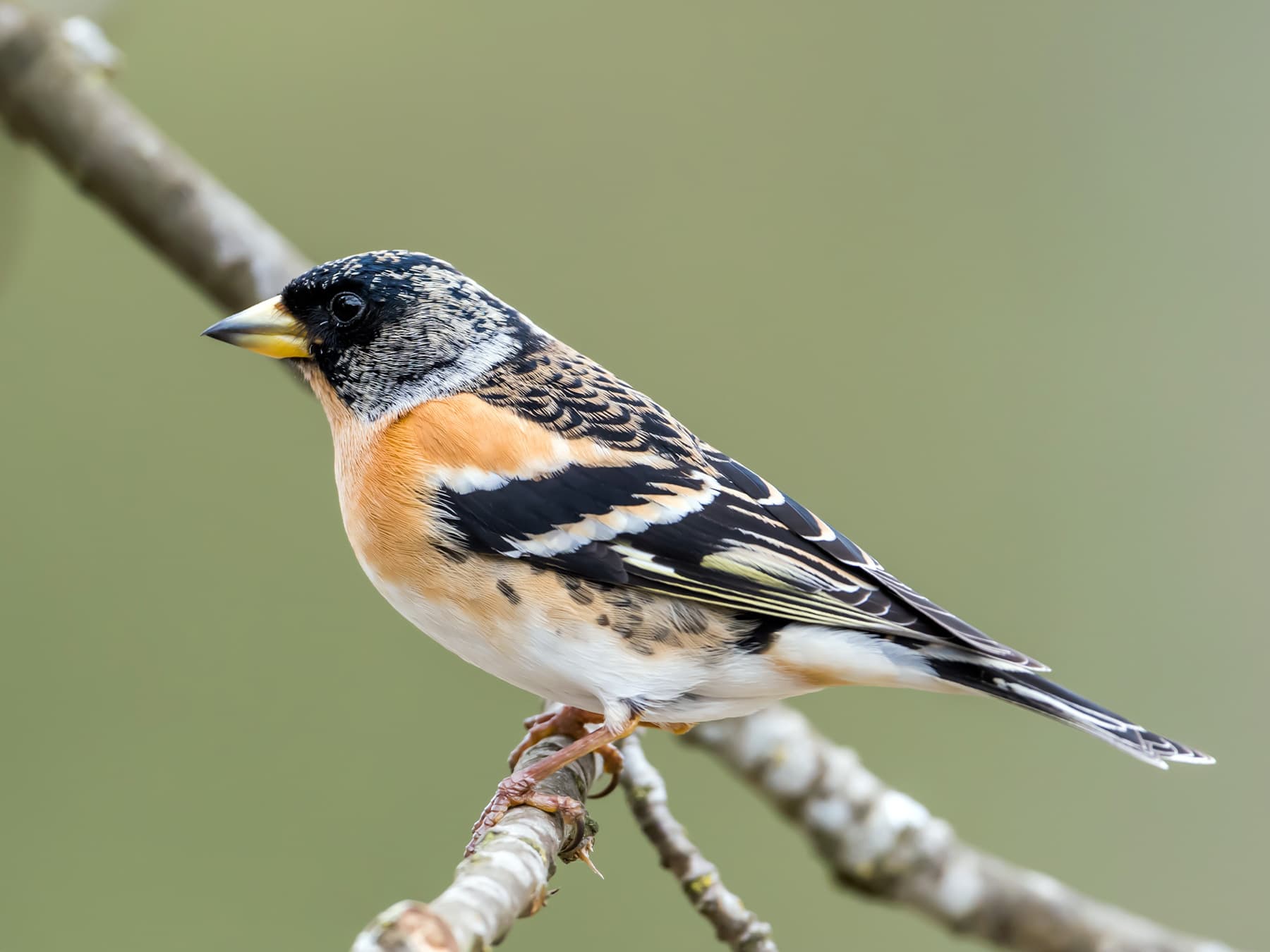
Brambling
Fringilla montifringillaLC
An uncommon winter visitor from Scandinavia, often mixing with Chaffinch flocks in beech woodland and farmland stubble fields.
Sep–Apr
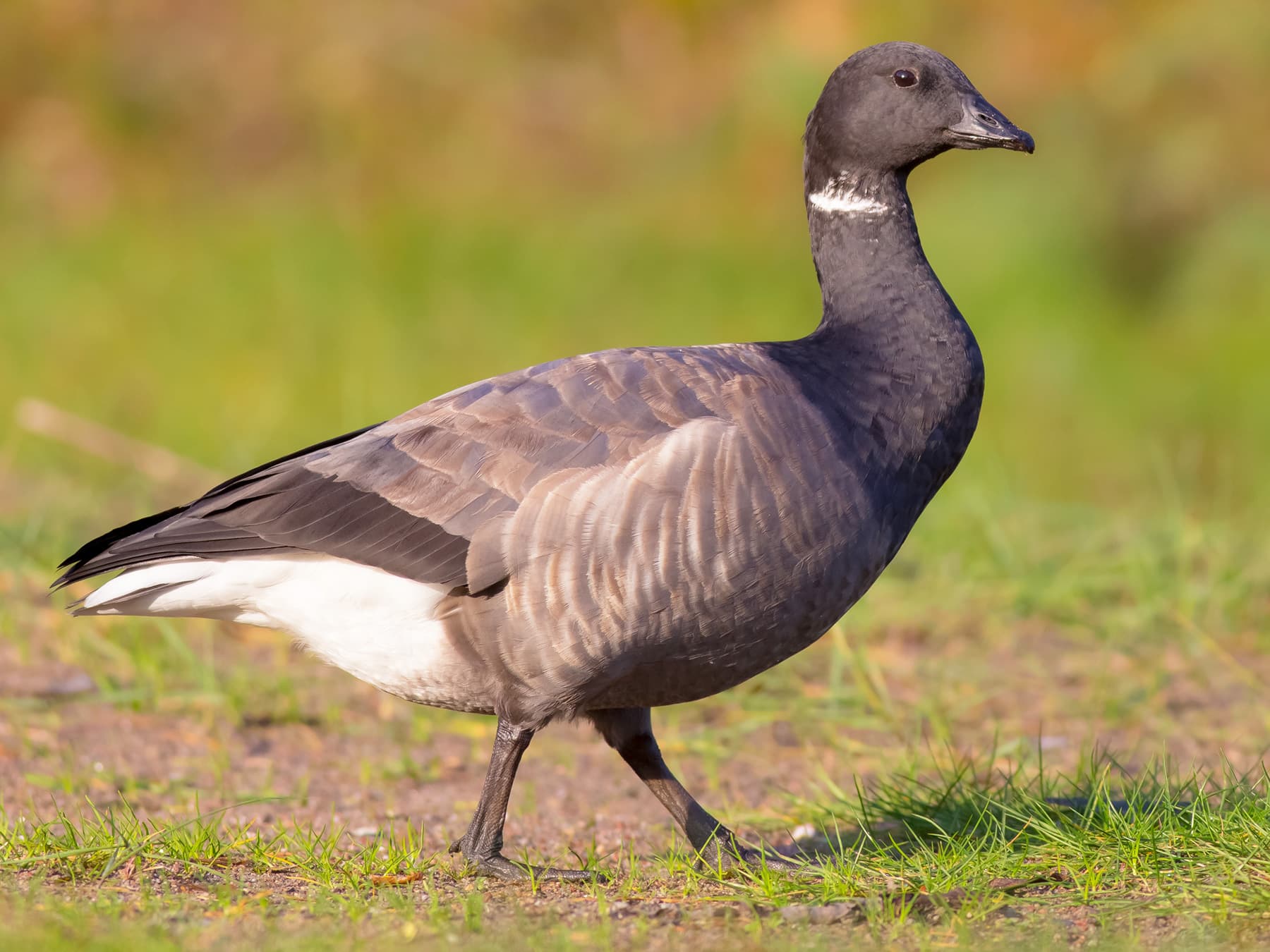
Brent Goose
Branta berniclaLC
An uncommon but regular visitor to the Humber Estuary and coast, grazing on eelgrass and saltmarsh in winter.
Aug–Jun