Birds in Tyne and Wear
Explore 207 species found in this region.
Tyne and Wear supports a remarkable diversity of birdlife, with 205 species recorded across its varied habitats, from the urban parks and gardens of Newcastle and Sunderland to the estuaries and coastline along the North Sea. The region's river valleys, wetlands, and coastal mudflats attract an impressive range of species, including Bluethroat, Northern Lapwing, Common Shelduck, and the striking Mandarin Duck. Whether you're watching waders on the Tyne estuary or spotting woodland birds like the Great Tit and Eurasian Woodcock, this compact county offers outstanding birding opportunities year-round.
Visiting in April? Look out for Arctic Tern and Atlantic Puffin arriving this month, and Barn Owl and Cackling Goose depart for the season.


Showing 1–23 of 207 species
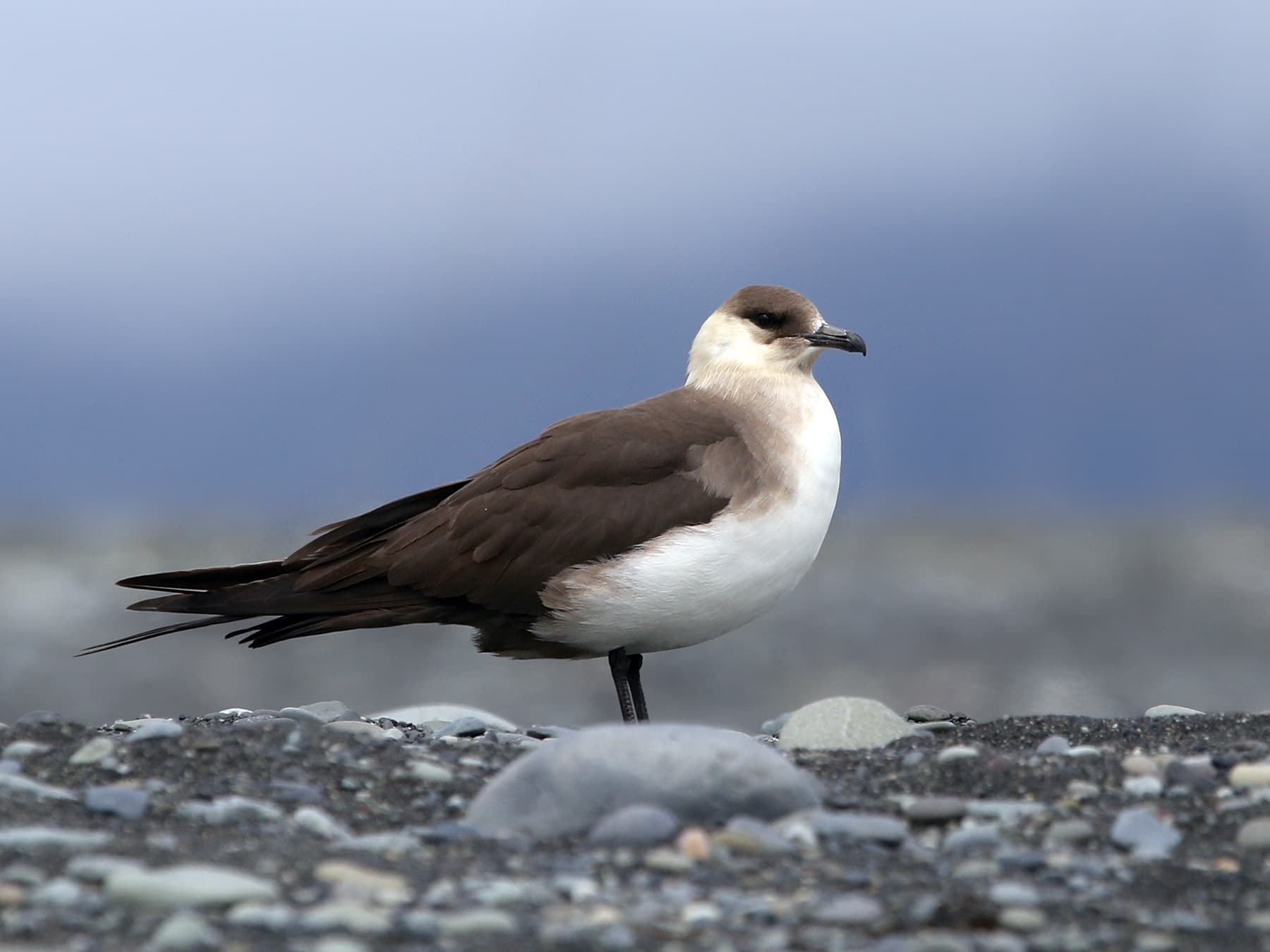
Arctic Jaeger
Stercorarius parasiticusLC
An uncommon seabird seen offshore from late spring to autumn, harassing terns and Kittiwakes. Best spotted during seawatches.
May–Nov
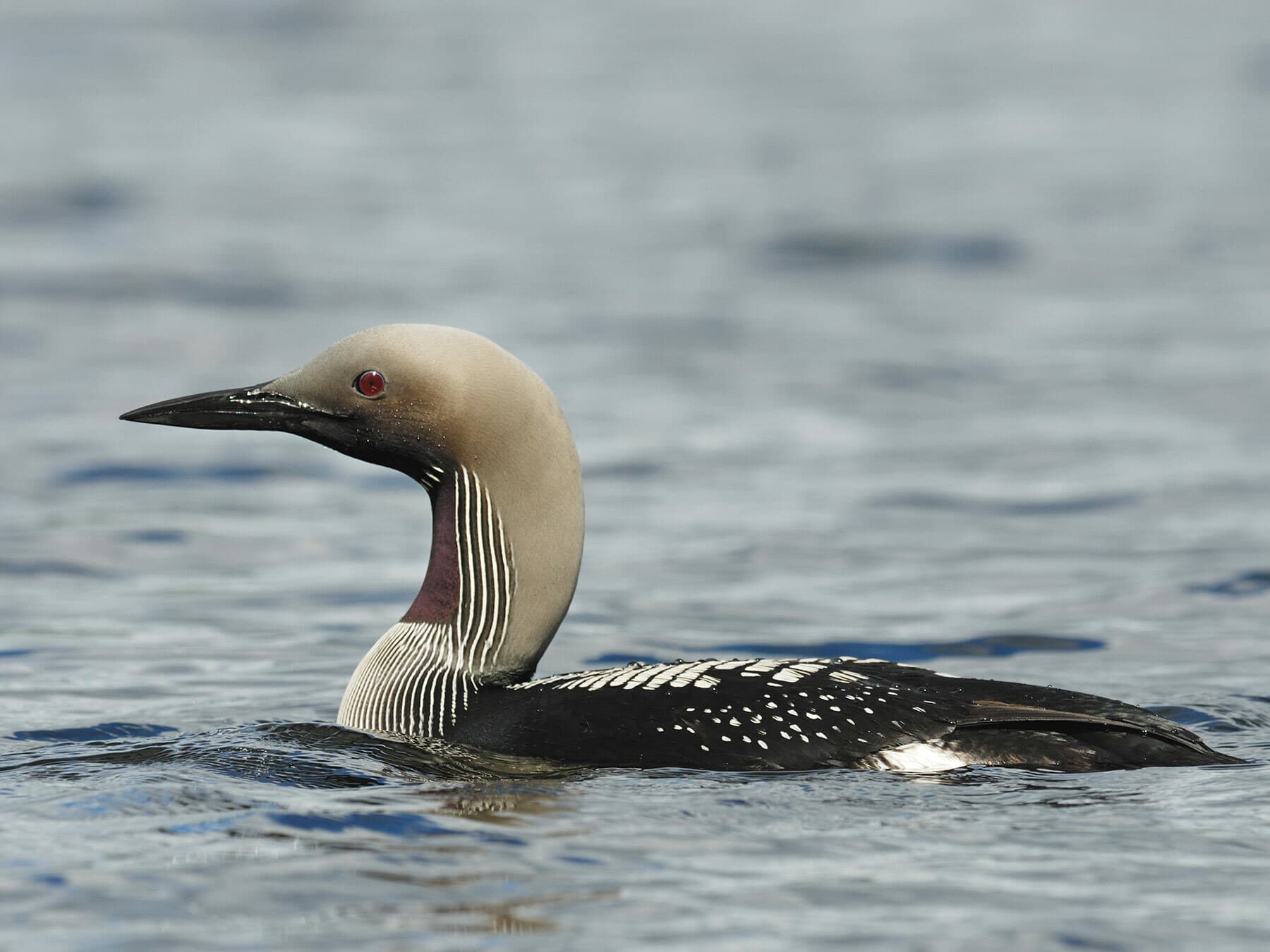
Arctic Loon
Gavia arcticaLC
A rare passage visitor, occasionally seen offshore or in sheltered bays during autumn migration and into early winter.
Sep–Jan
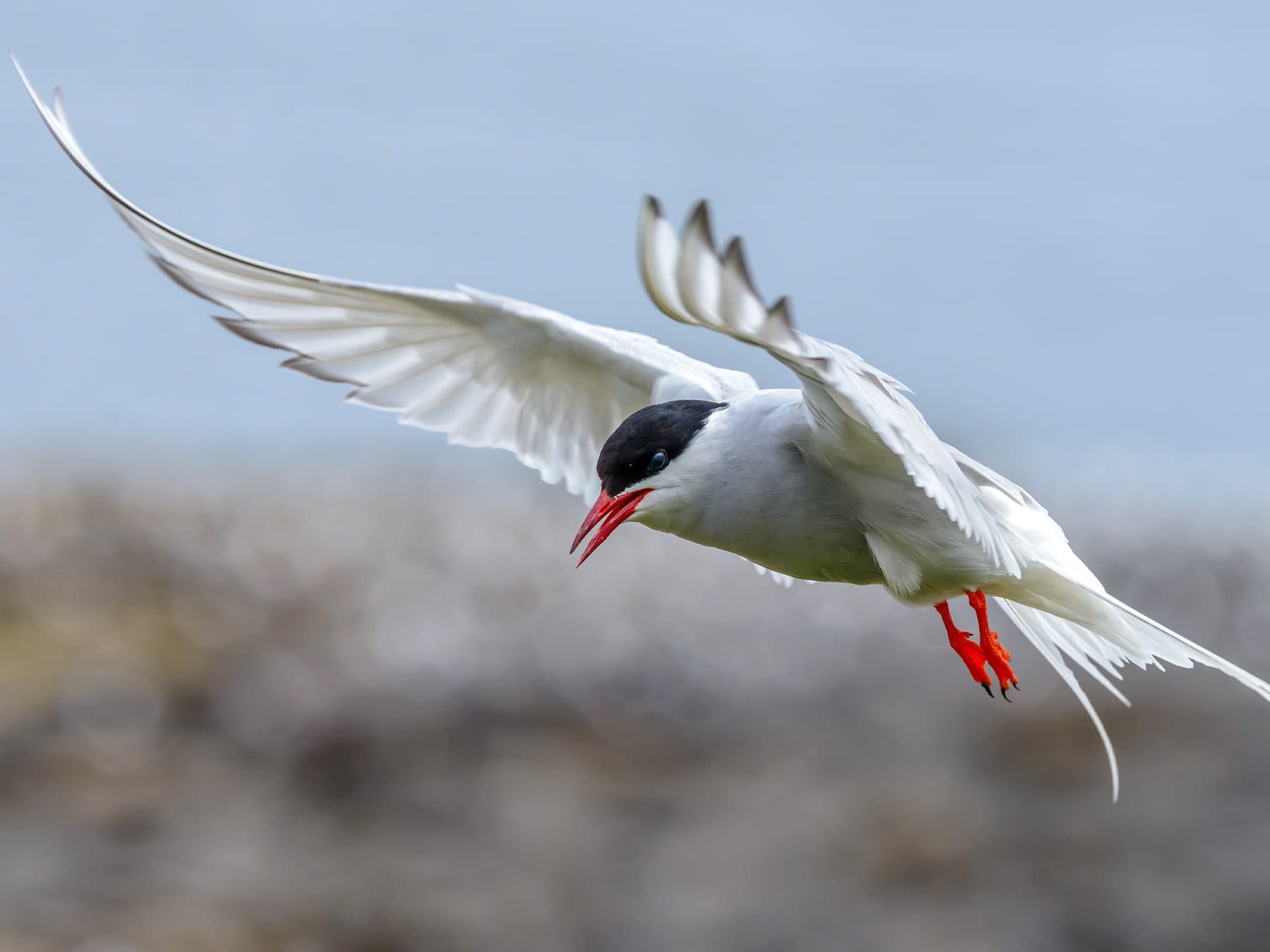
Arctic Tern
Sterna paradisaeaLC
An uncommon summer breeder, present from April to October. Nests at coastal colonies and can be seen fishing offshore.
Apr–Oct
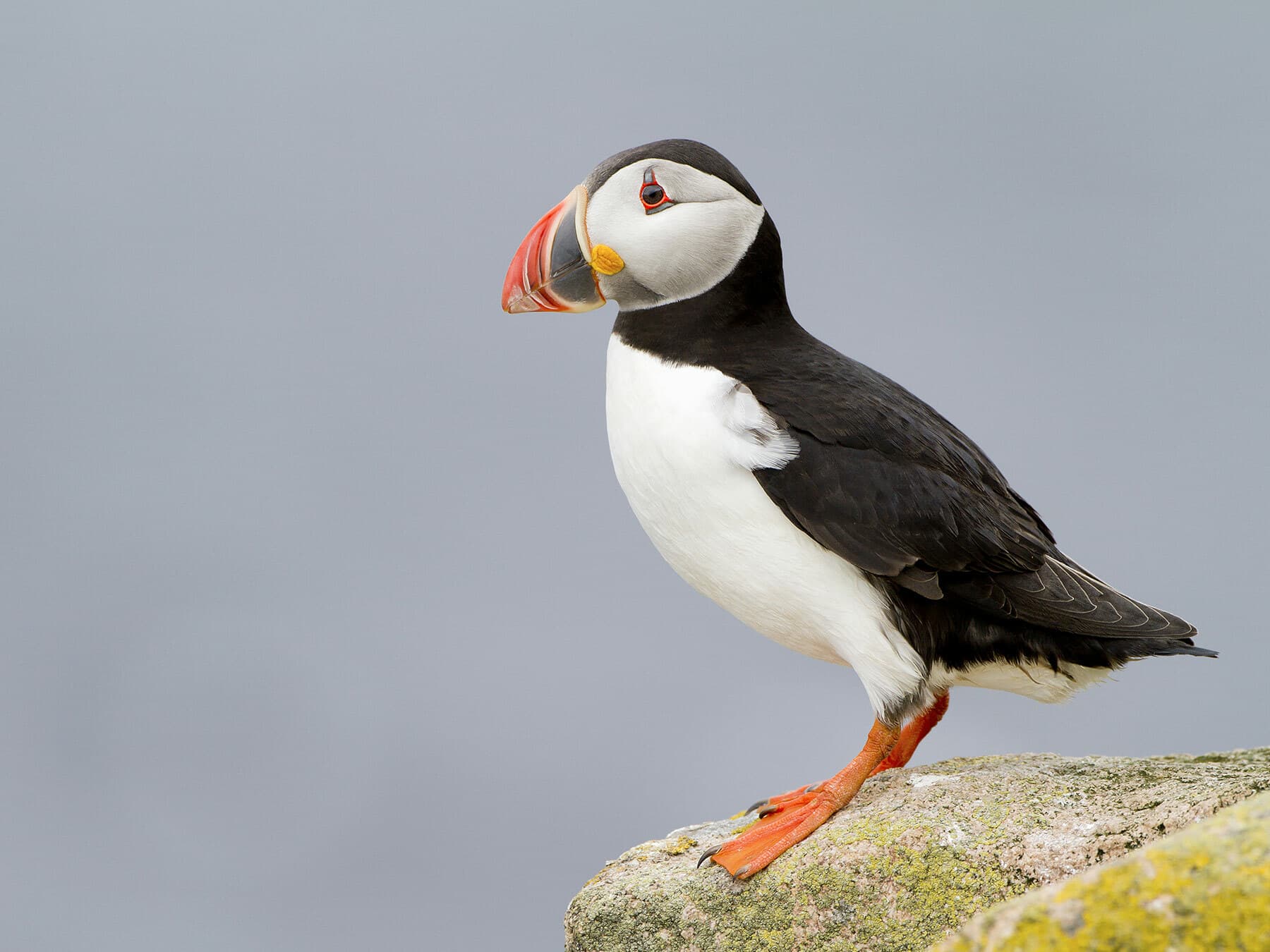
Atlantic Puffin
Fratercula arcticaVU
Present most of the year offshore, with breeding colonies on the Farne Islands nearby. Occasionally seen from headlands.
Apr–Feb
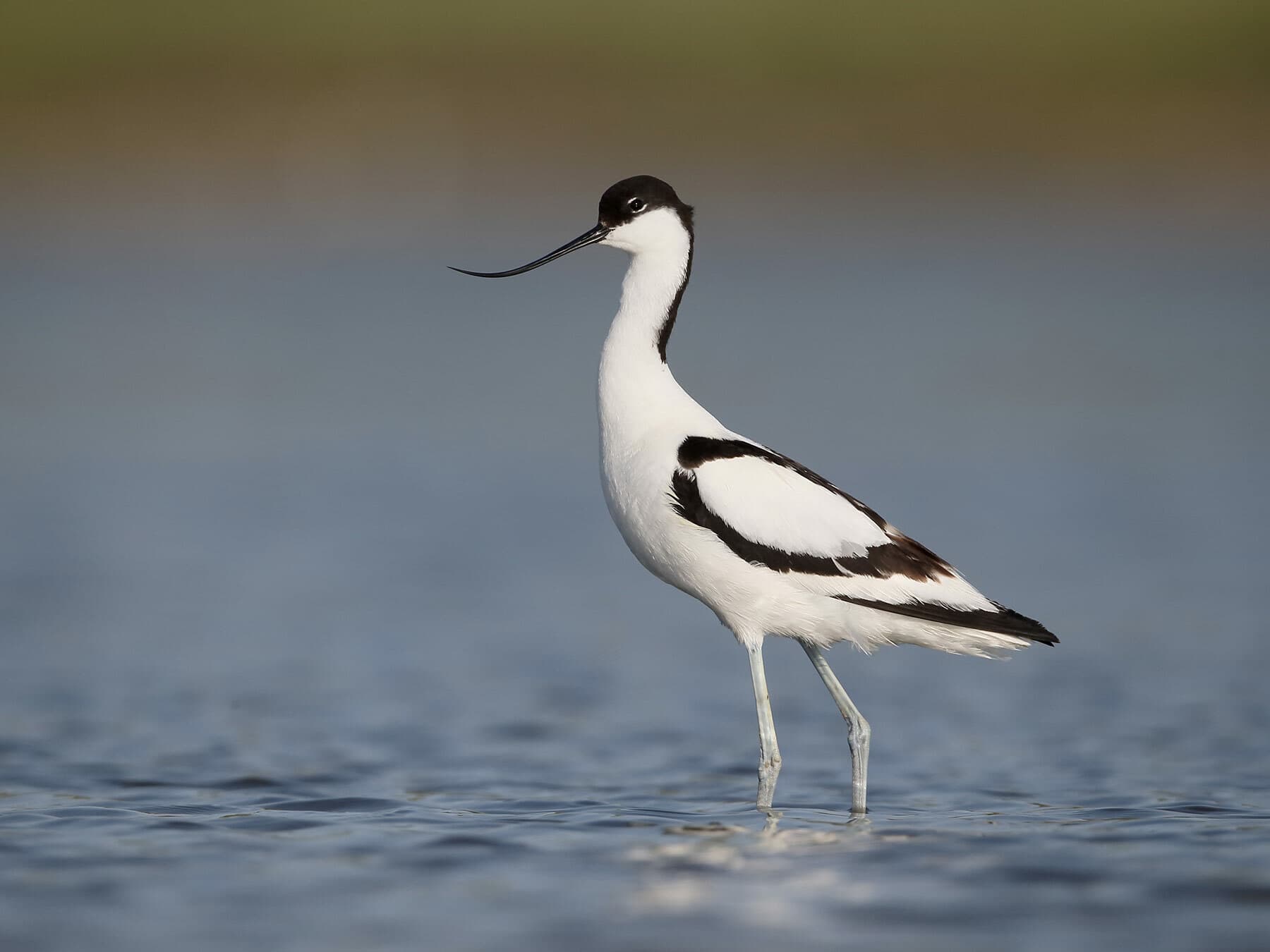
Avocet
Recurvirostra avosettaLC
An uncommon breeding visitor from March to August, favouring shallow coastal pools and wetland scrapes in the region.
Mar–Aug
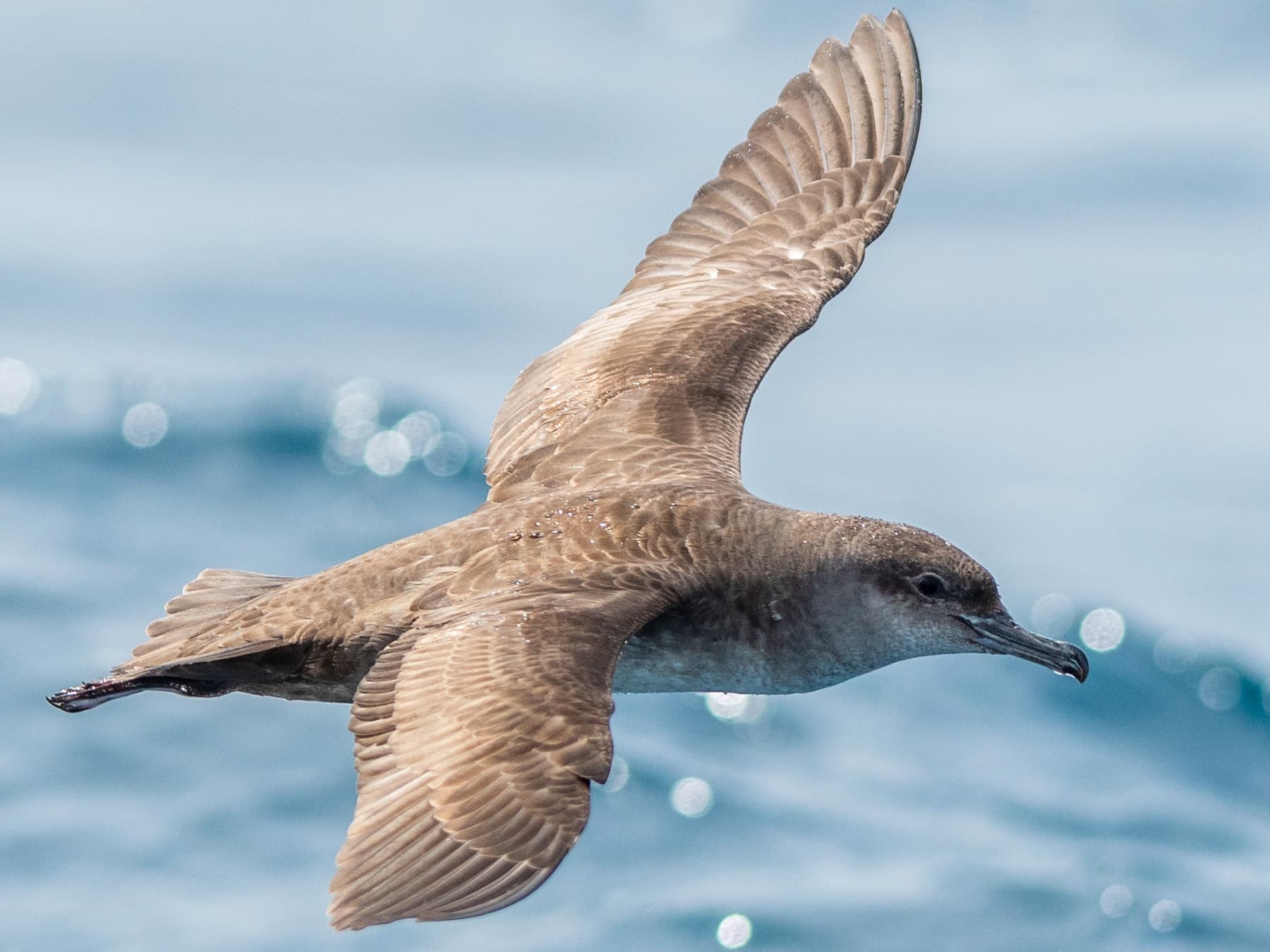
Balearic Shearwater
Puffinus mauretanicusCR
A rare and globally threatened shearwater, occasionally recorded on passage in August–September during seawatches.
Aug–Sep
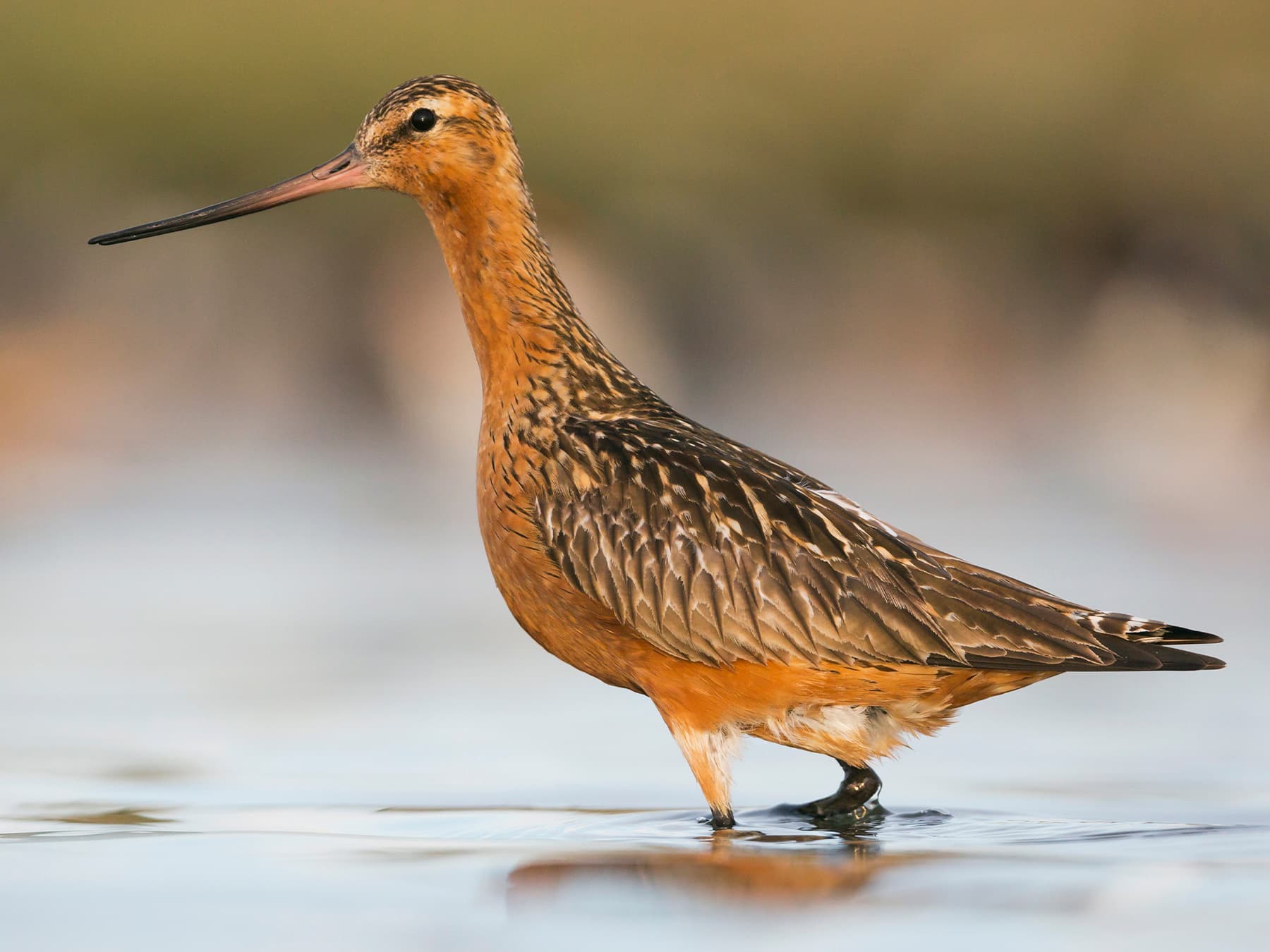
Bar-tailed Godwit
Limosa lapponicaNT
A rare non-breeding visitor to estuaries and mudflats, present from late summer through winter. Best looked for along the Tyne and Wear coastline.
Jul–Feb
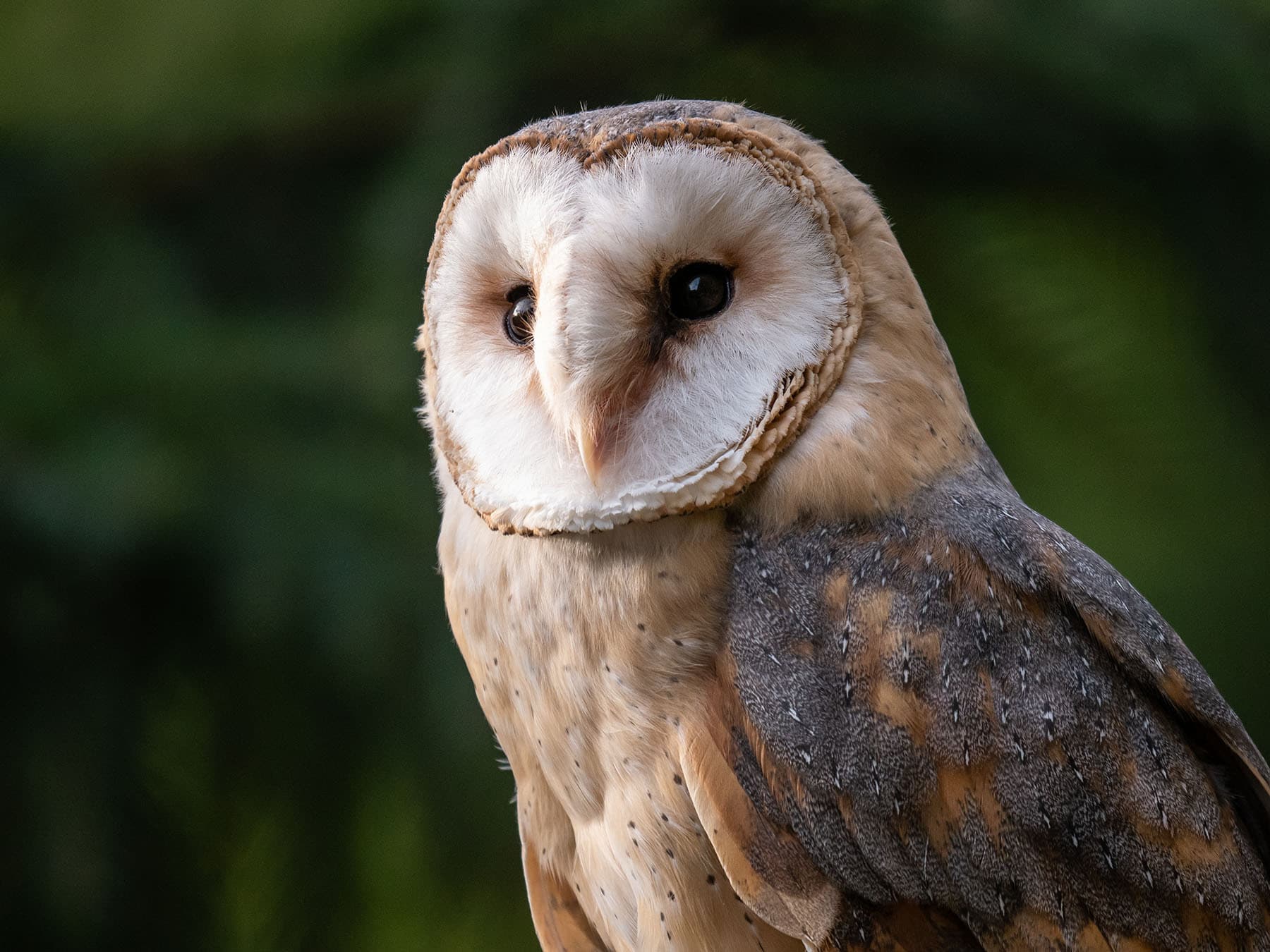
Barn Owl
Tyto albaLC
A scarce resident, favouring farmland and rural fringes. Sightings are thinly spread, with records in winter, spring and summer months.
Nov–Jul
Spotted something?
Upload a photo to identify it
Identify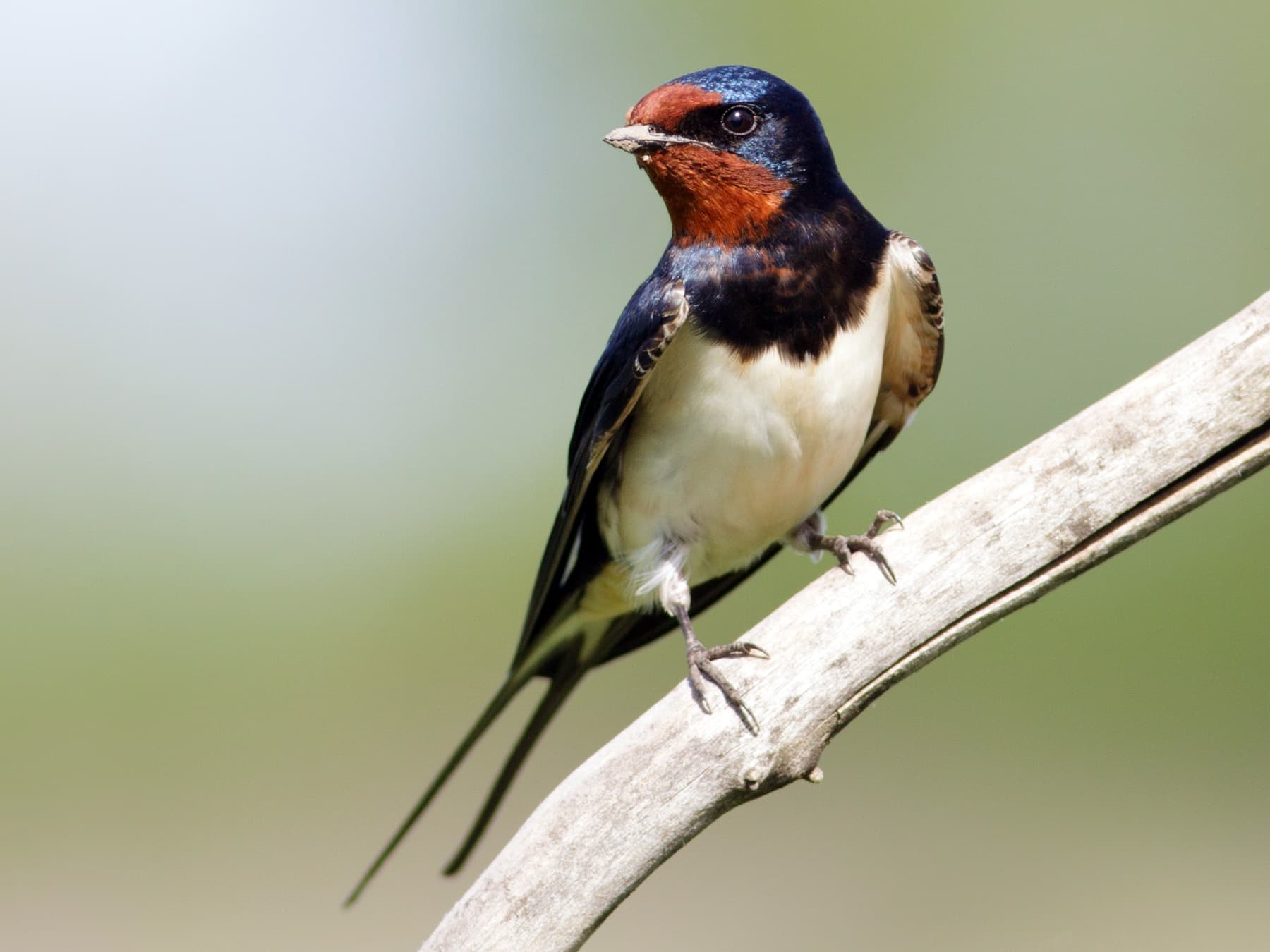
Barn Swallow
Hirundo rusticaLC
A common summer breeder arriving in April, nesting in farm buildings and under bridges before departing by October.
Apr–Oct
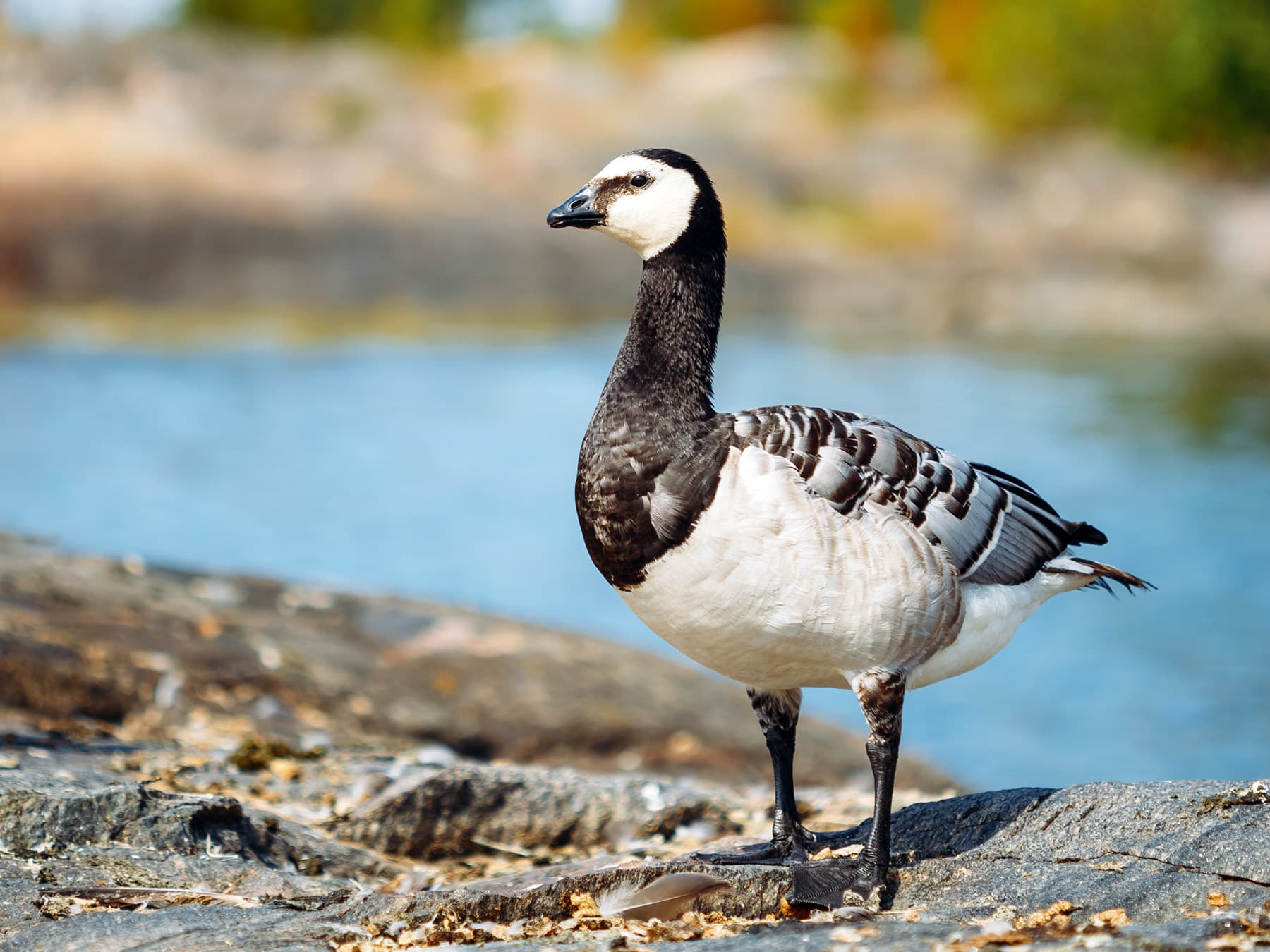
Barnacle Goose
Branta leucopsisLC
A rare resident, with both feral birds and genuine wild vagrants occurring. Small numbers frequent parks and coastal fields.
Sep–May
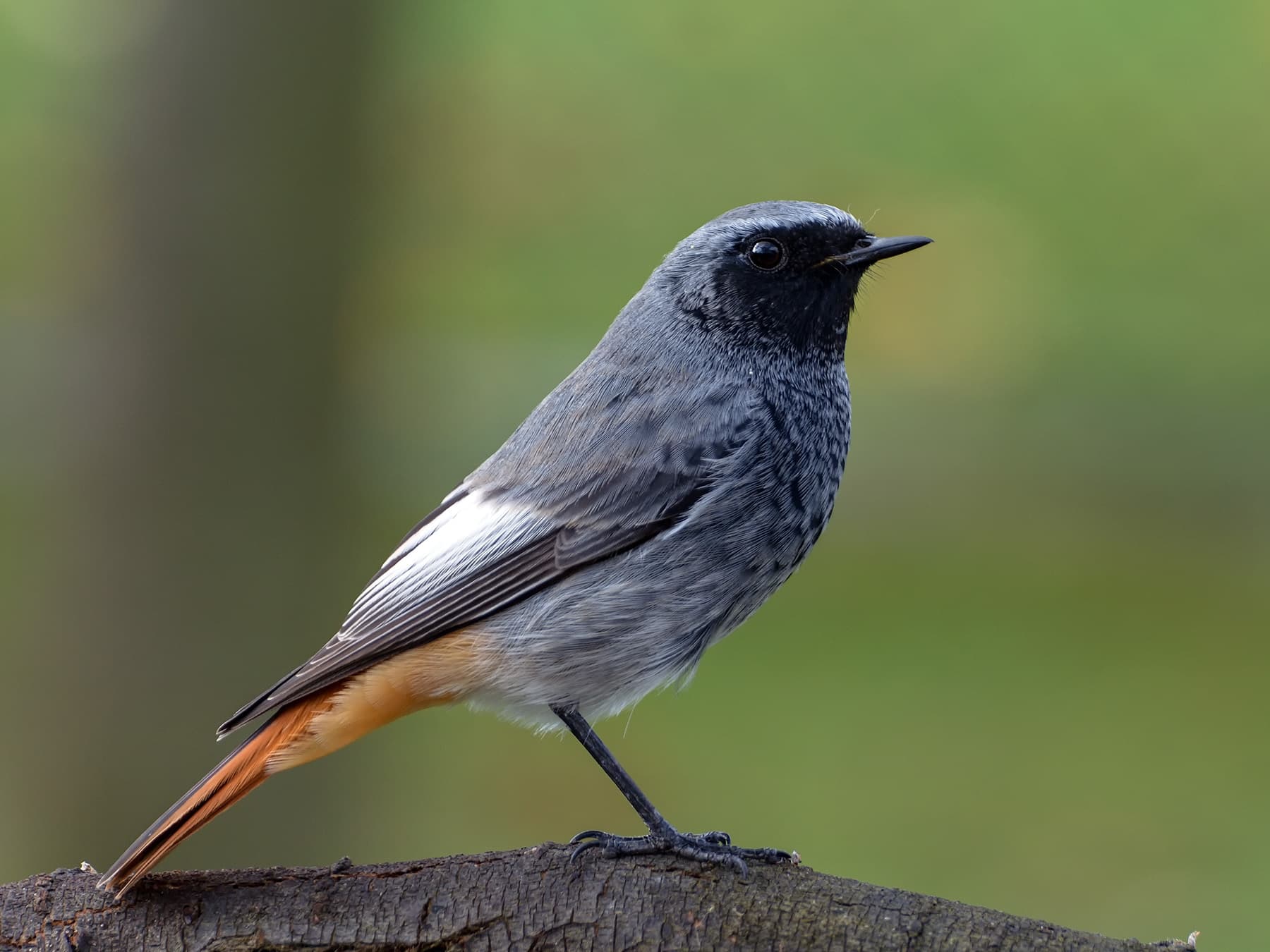
Black Redstart
Phoenicurus ochrurosLC
A rare passage visitor, occasionally seen on coastal buildings and industrial sites. Most records come from spring and autumn migration periods.
Oct–Apr
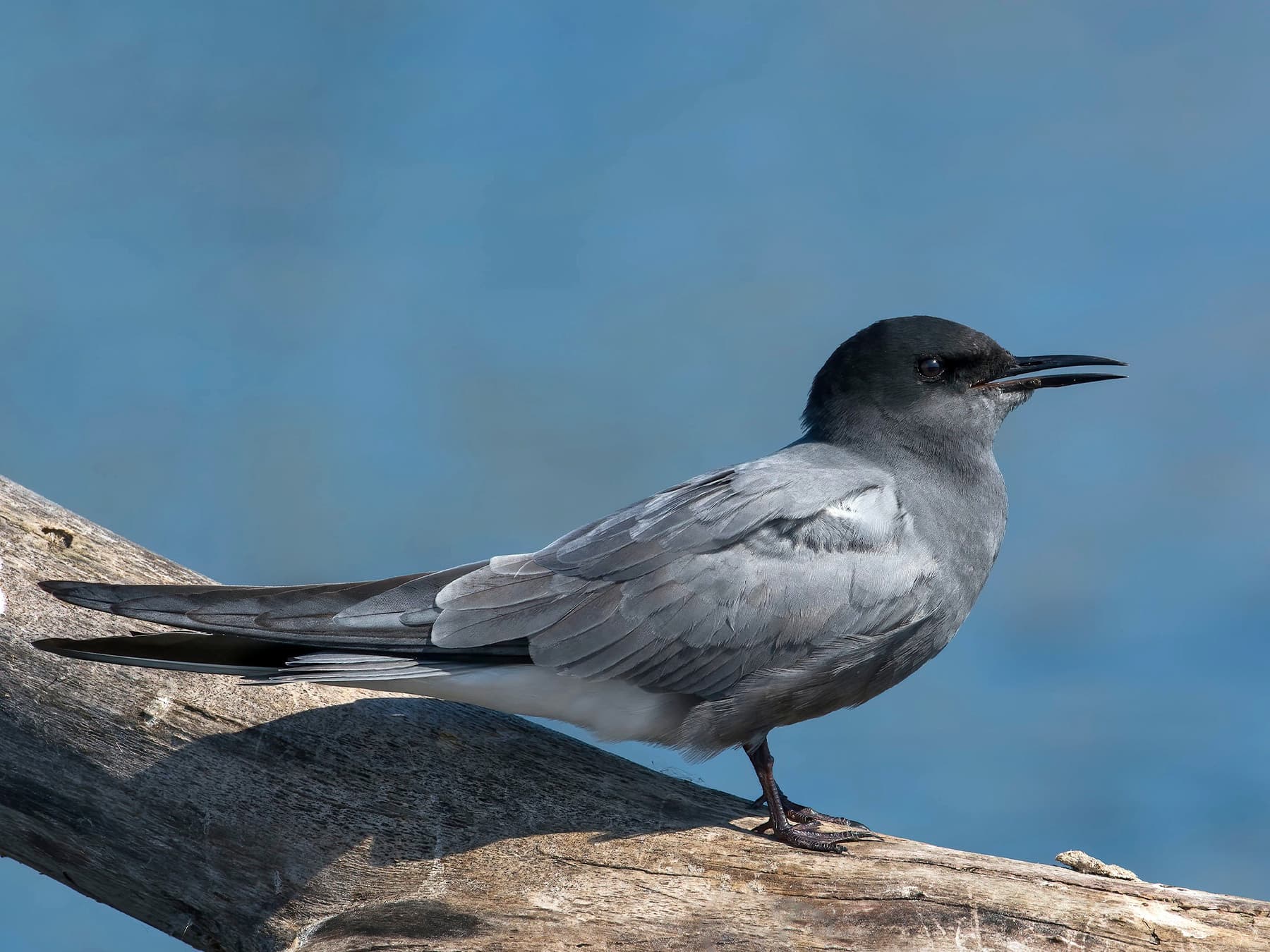
Black Tern
Chlidonias nigerLC
A rare autumn passage migrant in August and September, sometimes seen dipping over coastal pools and wetlands.
Aug–Sep
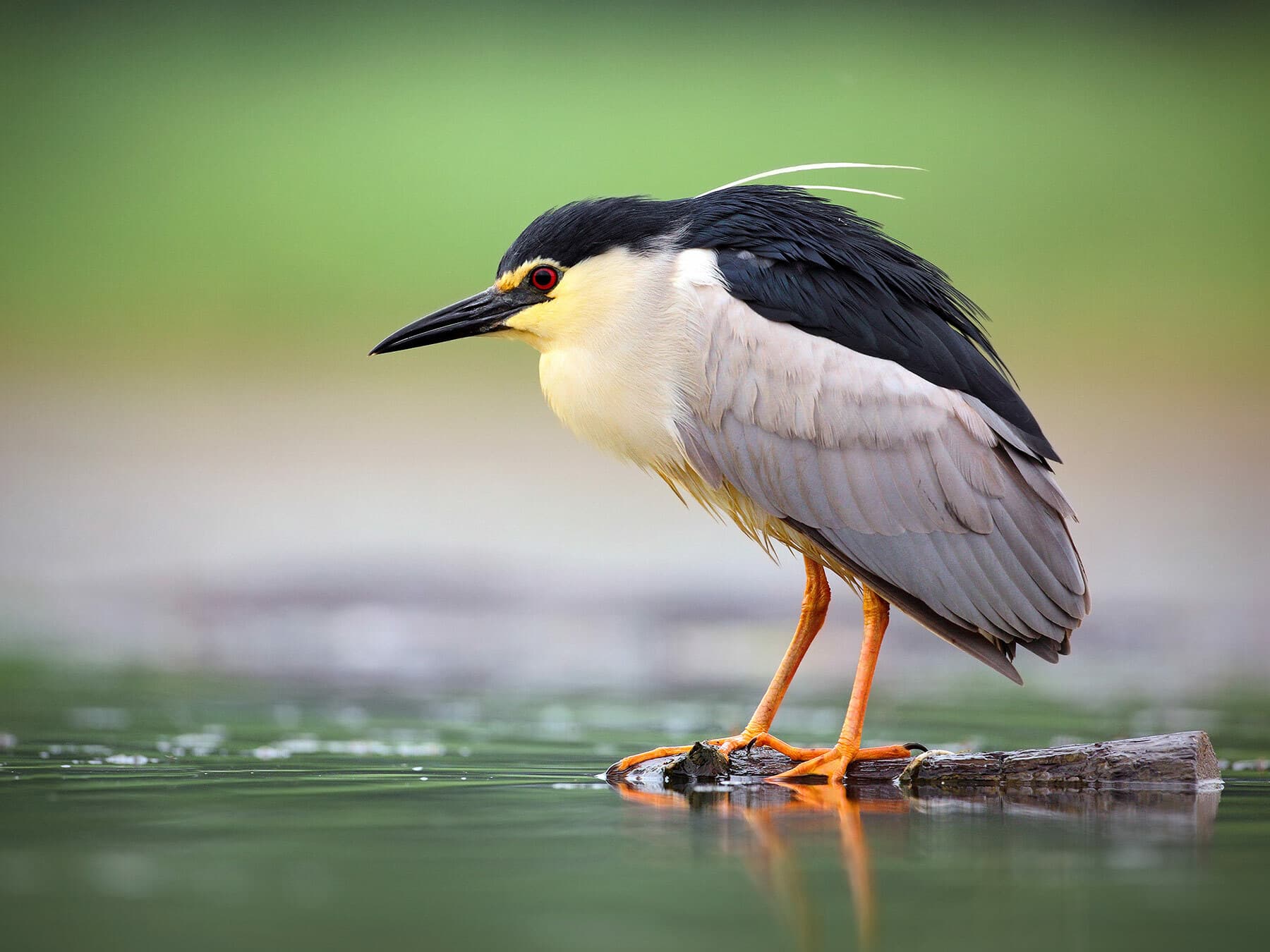
Black-crowned Night-heron
Nycticorax nycticoraxLC
A rare passage visitor, occasionally recorded in July. Any sighting in Tyne and Wear is a notable event for local birders.
Jul
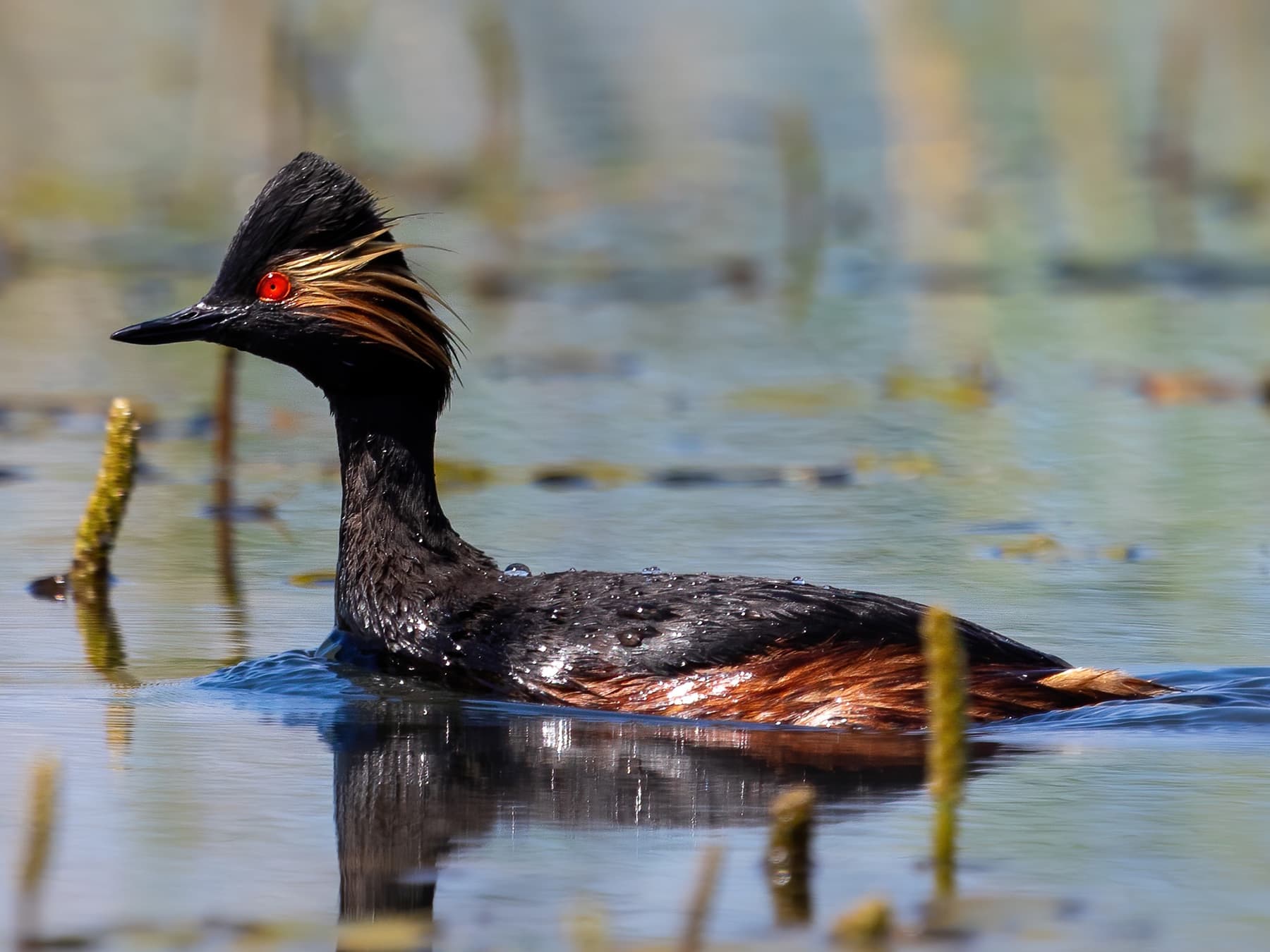
Black-necked Grebe
Podiceps nigricollisLC
A rare breeding species, present from April to June on sheltered freshwater pools and lakes in the region.
Apr–Jun
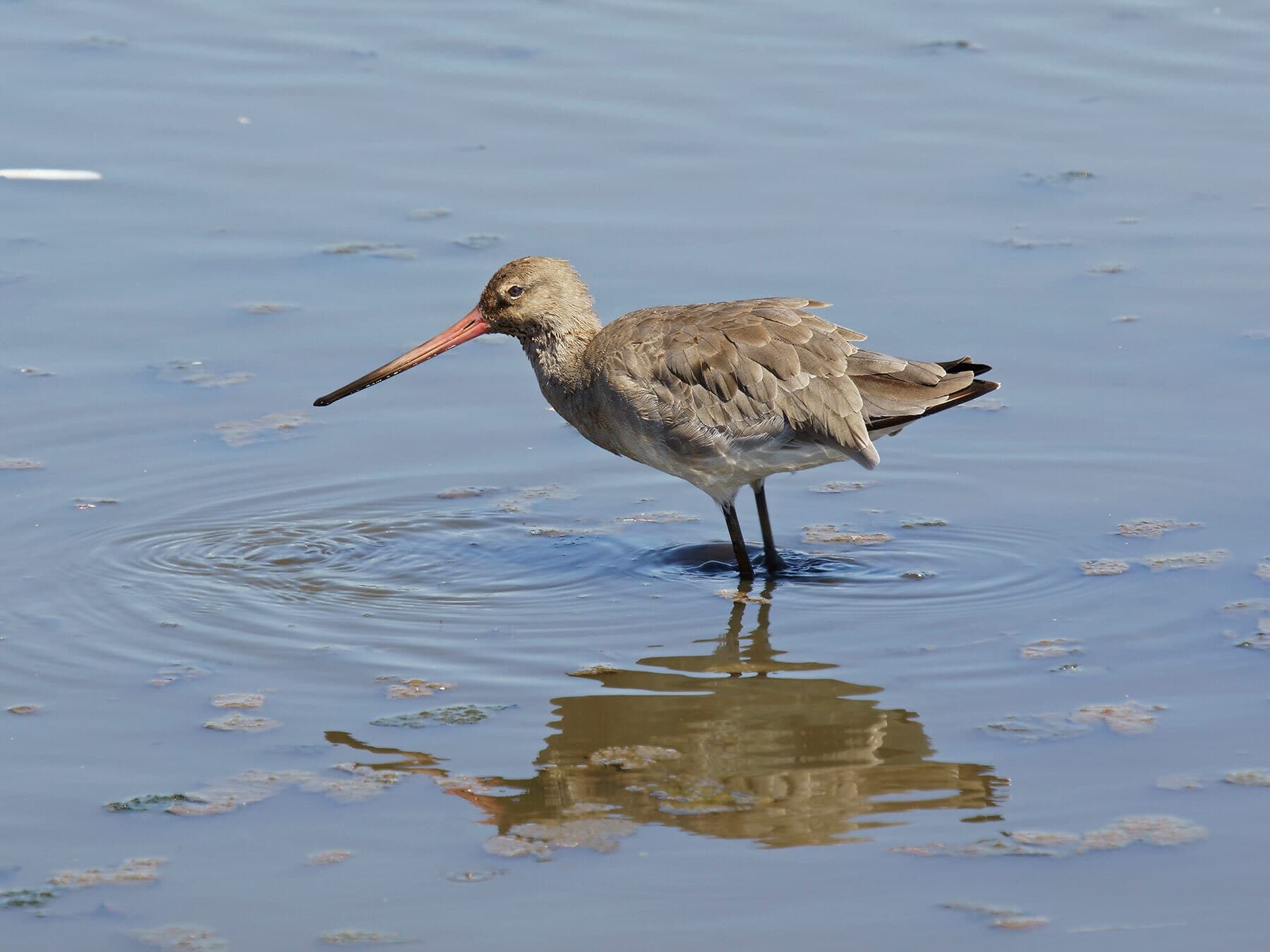
Black-tailed Godwit
Limosa limosaNT
A rare breeding visitor found on wet grasslands and estuarine margins from spring through autumn, with elegant black-and-white wing bars in flight.
Mar–Nov
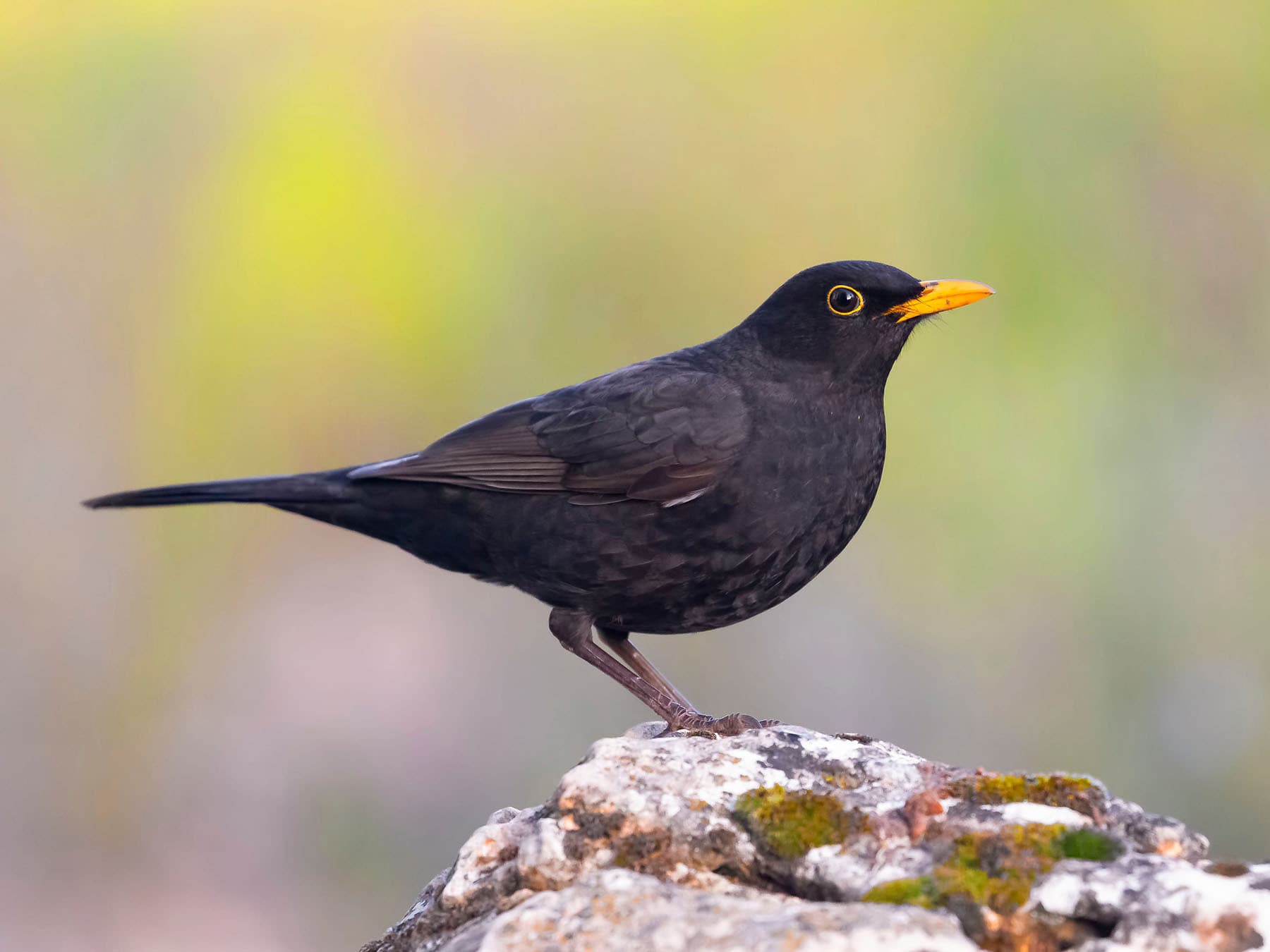
Blackbird
Turdus merulaLC
A common and familiar resident of gardens, parks and woodland throughout the region, often seen foraging on lawns year-round.
Year-round
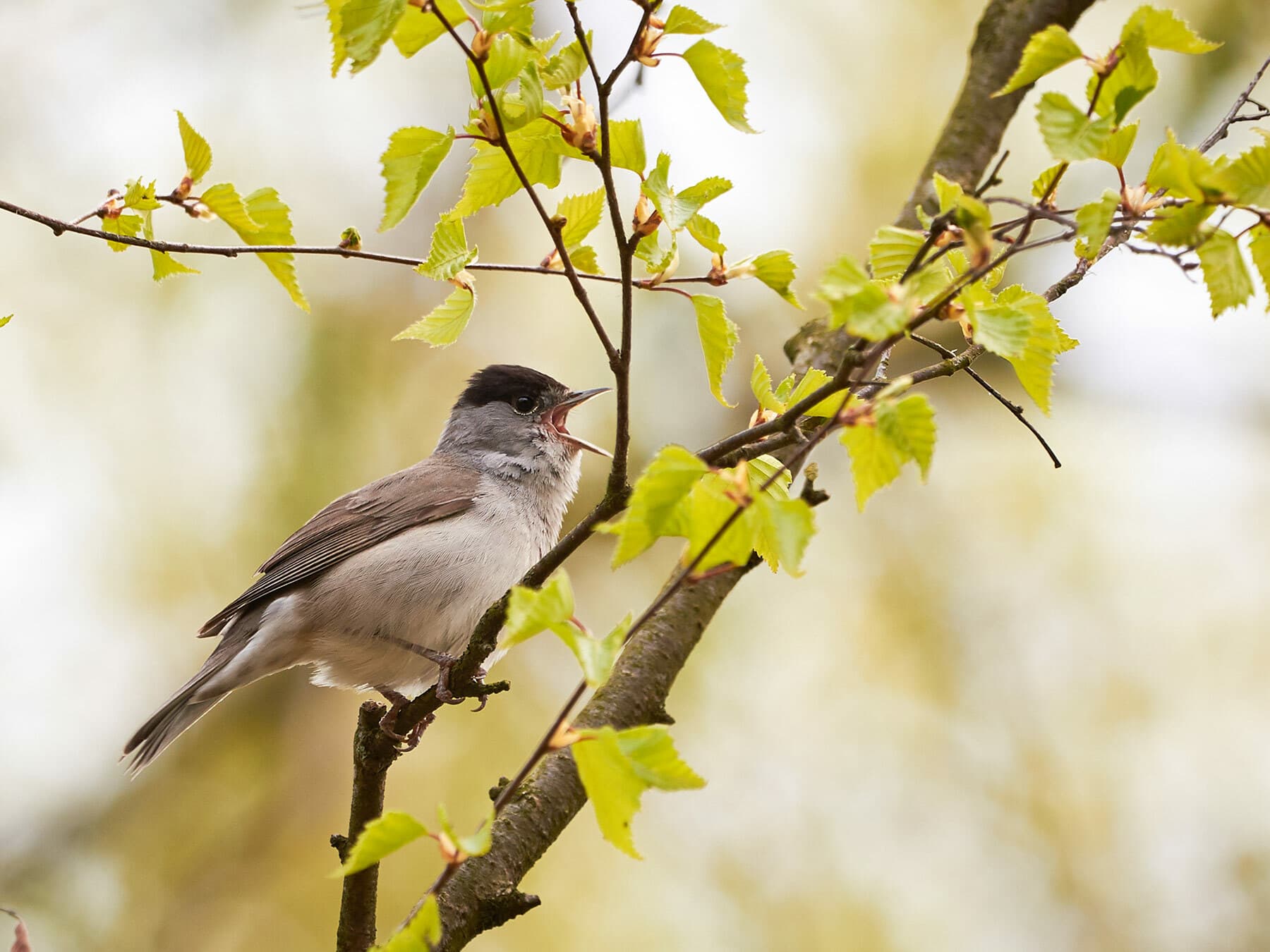
Blackcap
Sylvia atricapillaLC
An uncommon resident breeding in woodland and scrub; some overwinter, supplemented by continental birds visiting garden feeders.
Jan–Nov
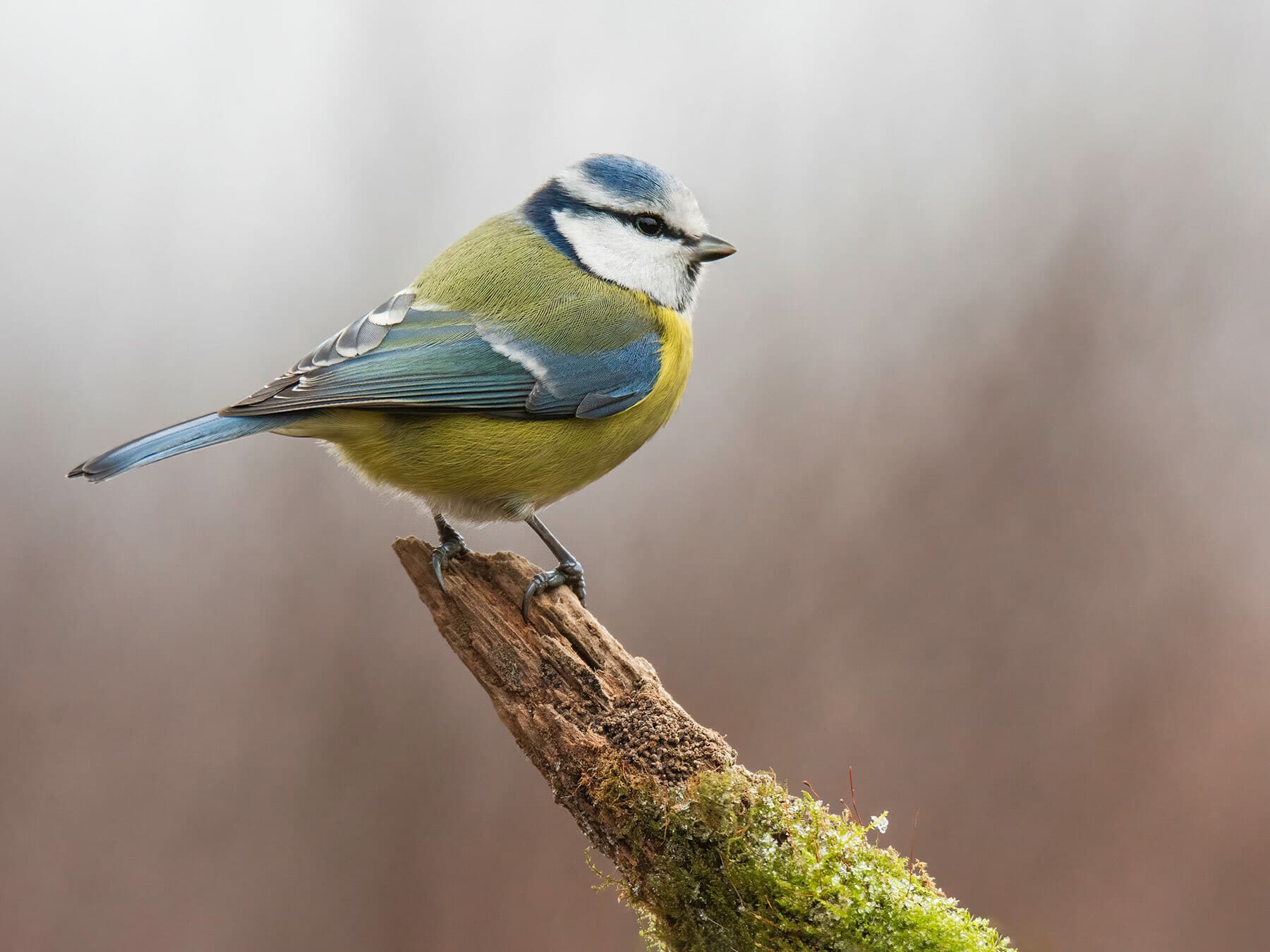
Blue Tit
Cyanistes caeruleusLC
A common and much-loved garden resident, readily using nest boxes. Present year-round in parks, hedgerows and woodland.
Year-round
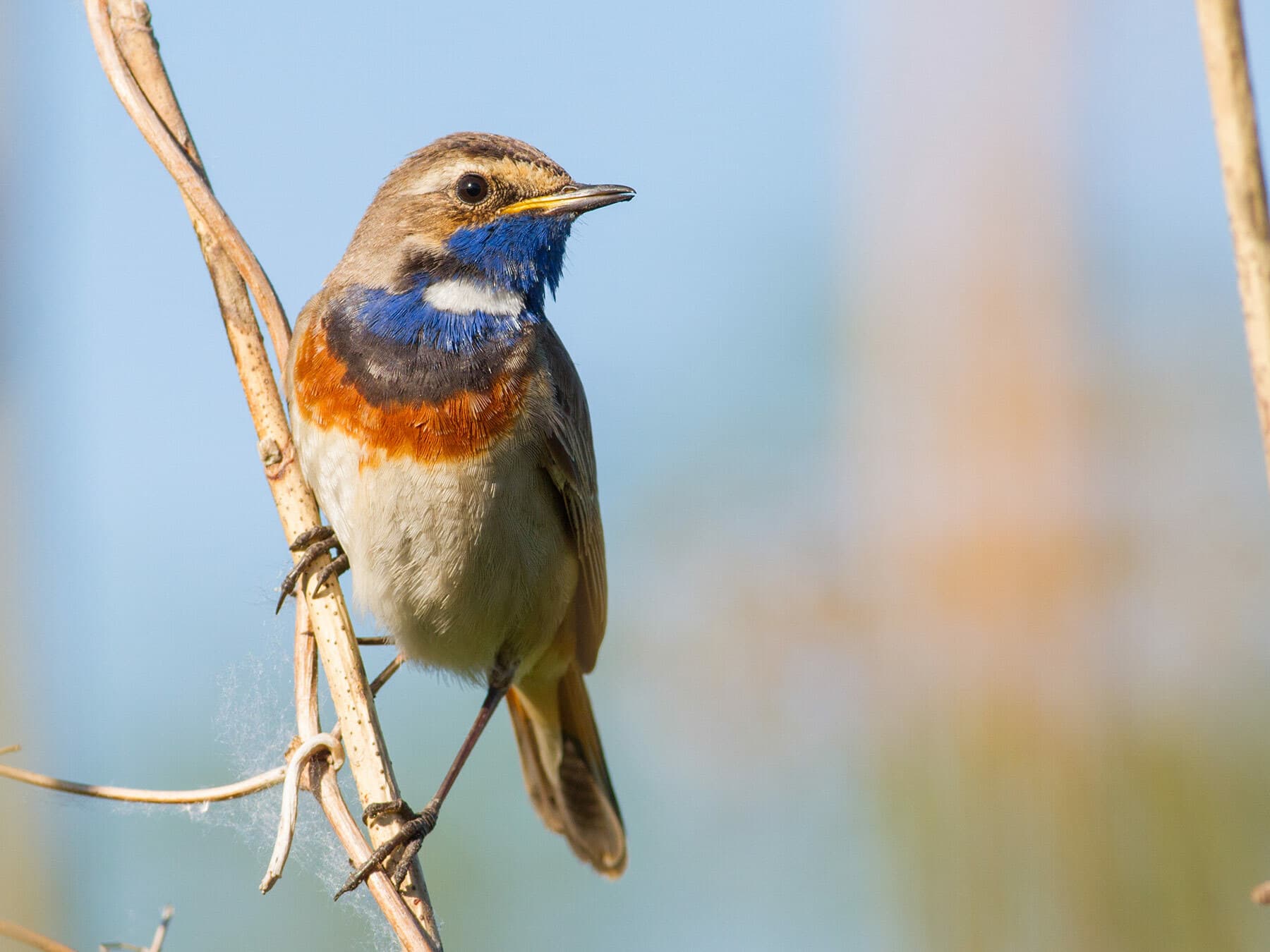
Bluethroat
Luscinia svecicaLC
A rare spring passage migrant, occasionally turning up along the coast in May. Most records come from headlands and scrubby coastal sites.
May
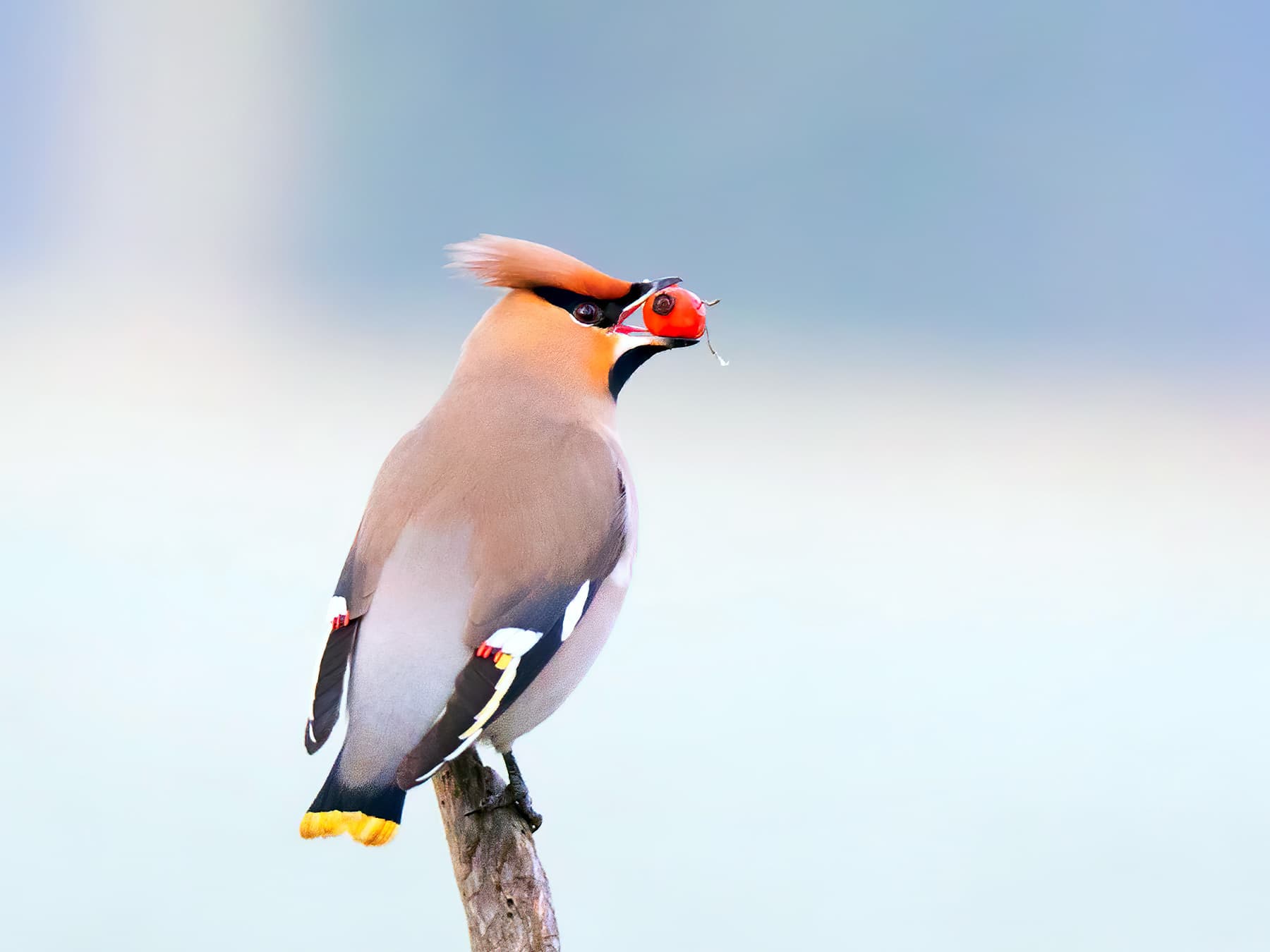
Bohemian Waxwing
Bombycilla garrulusLC
An irruptive winter visitor, arriving in variable numbers from November. Flocks descend on berry-laden trees in parks and gardens.
Nov–Jan
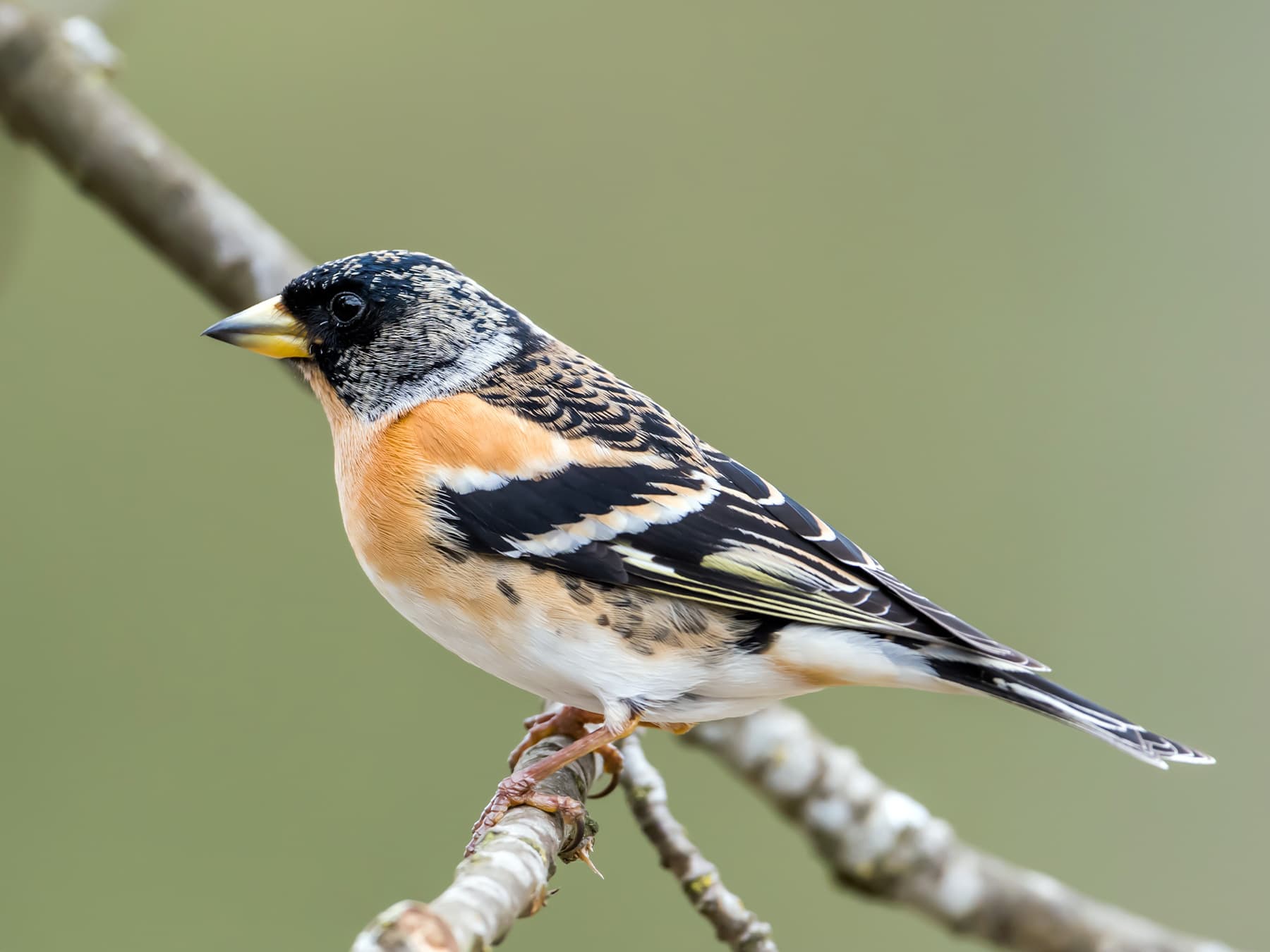
Brambling
Fringilla montifringillaLC
A rare winter visitor and passage migrant, sometimes joining Chaffinch flocks in woodland and farmland from October to April.
Oct–Apr
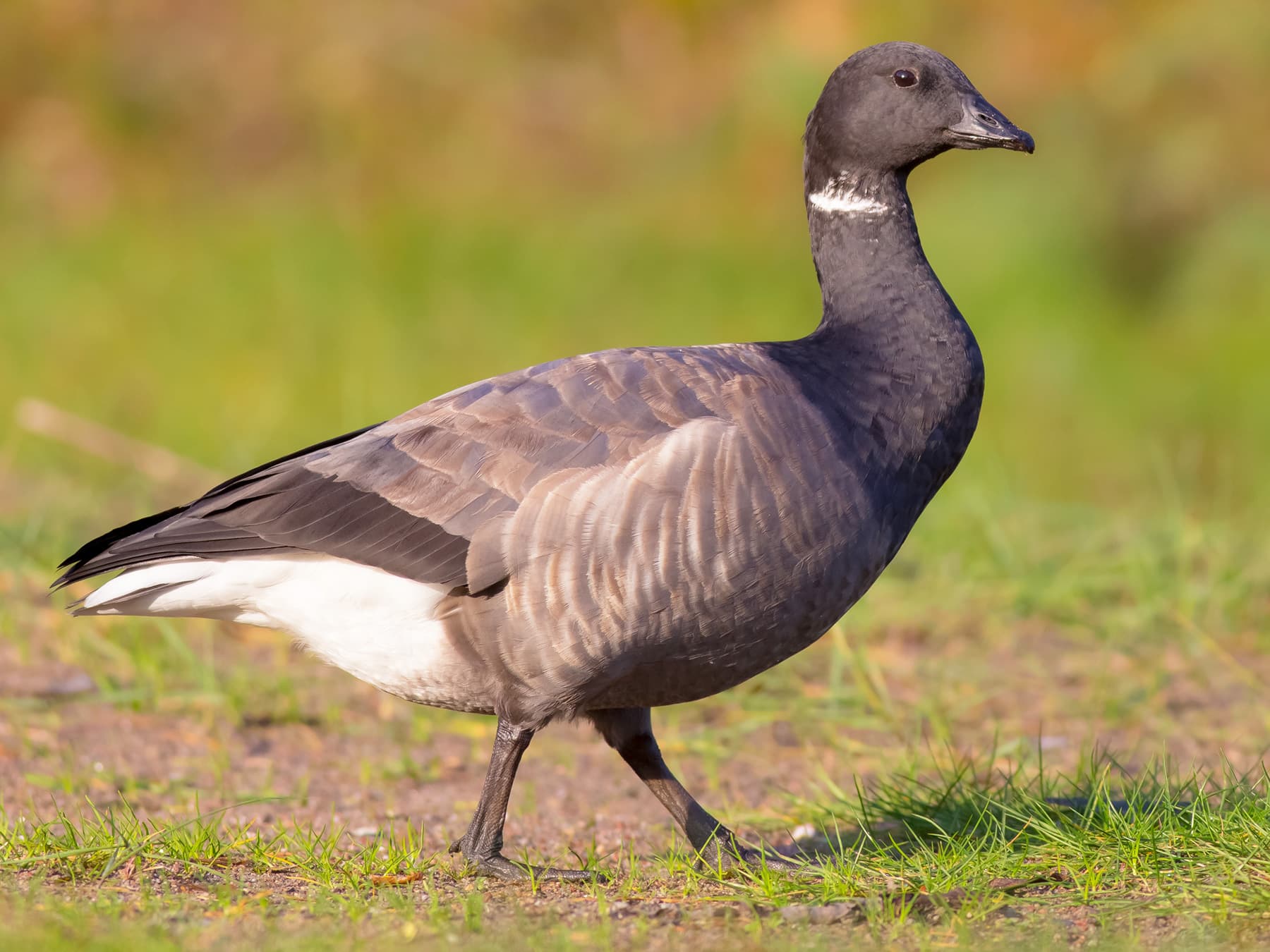
Brent Goose
Branta berniclaLC
A rare winter visitor to the coast, occasionally seen on mudflats and estuaries around the Tyne and Wear shoreline from autumn through to early spring.
Sep–Feb
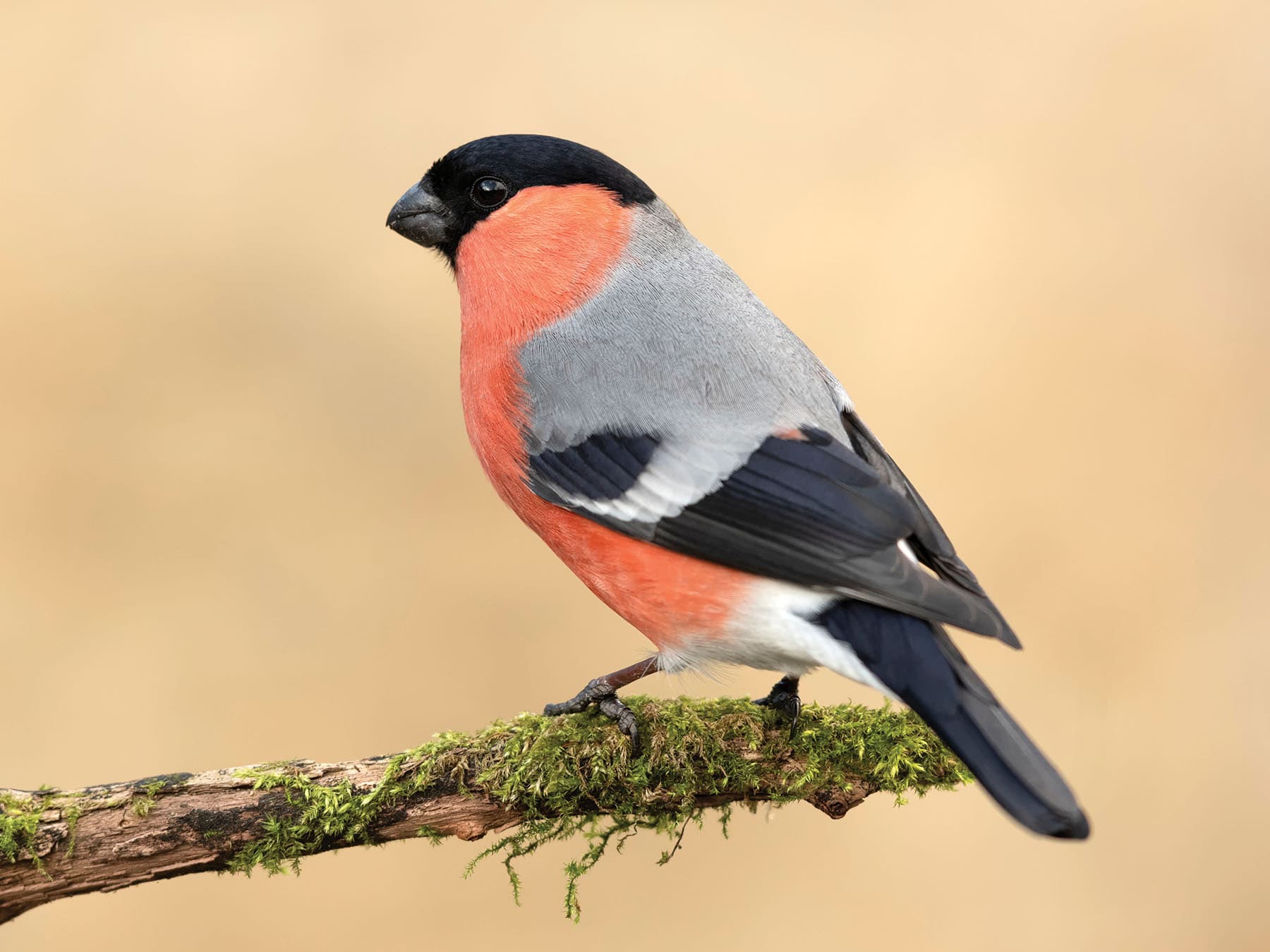
Bullfinch
Pyrrhula pyrrhulaLC
An uncommon but year-round resident of hedgerows, woodland edges and mature gardens. Often heard before seen with its soft piping call.
Year-round