Birds in North Yorkshire
Explore 218 species found in this region.
North Yorkshire is one of England's largest and most diverse counties for birdwatching, with 217 recorded species across its sweeping moorlands, rugged coastline, river valleys, and expansive wetlands. From the upland heaths of the North York Moors, where Hen Harriers and European Honey-buzzards breed, to the coastal reserves and lowland lakes that attract wintering Goldeneye and Great White Egrets, the county offers exceptional birding year-round. Scarcer visitors such as Cetti's Warbler and Long-tailed Jaeger add further excitement for keen observers.
Visiting in April? Look out for Barn Swallow and Black Grouse arriving this month, and Eurasian Woodcock and Greater Scaup depart for the season.


Showing 1–23 of 218 species
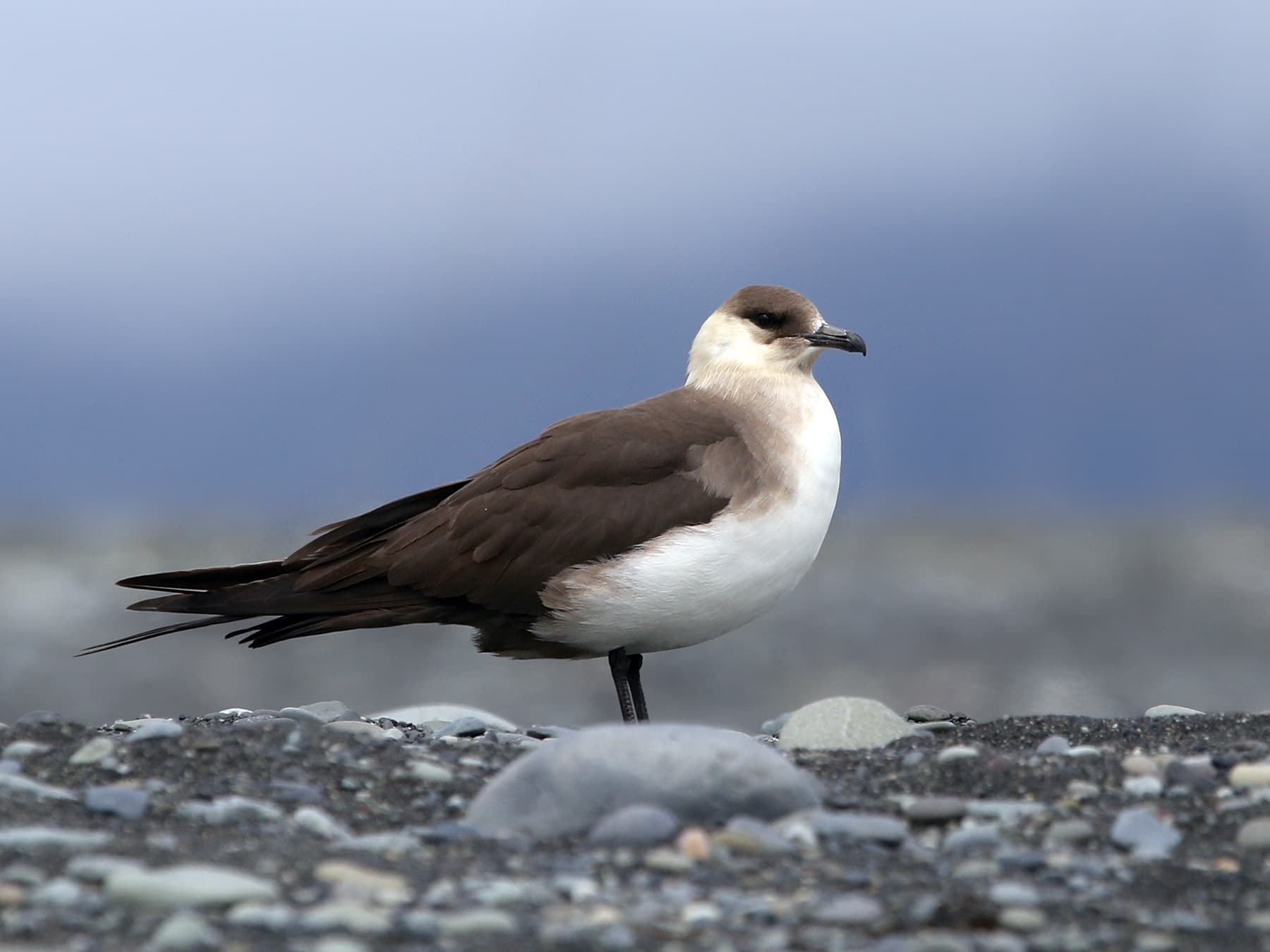
Arctic Jaeger
Stercorarius parasiticusLC
Uncommon offshore, seen harassing terns and kittiwakes from headlands like Flamborough and Filey Brigg, mainly during autumn seawatching.
Jun–Nov
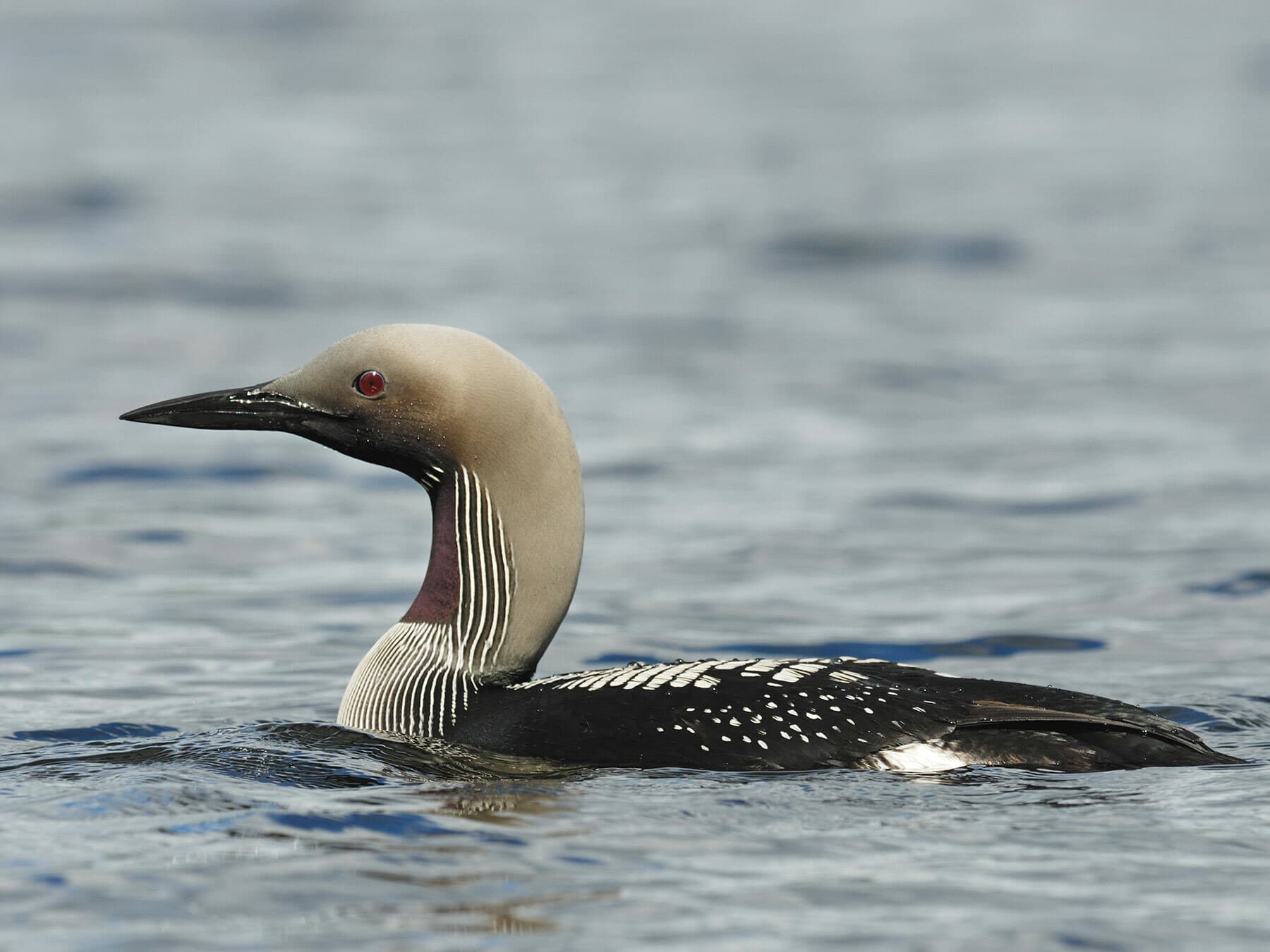
Arctic Loon
Gavia arcticaLC
A rare winter visitor to coastal waters, occasionally seen off Filey and Scarborough between October and February.
Oct–Feb
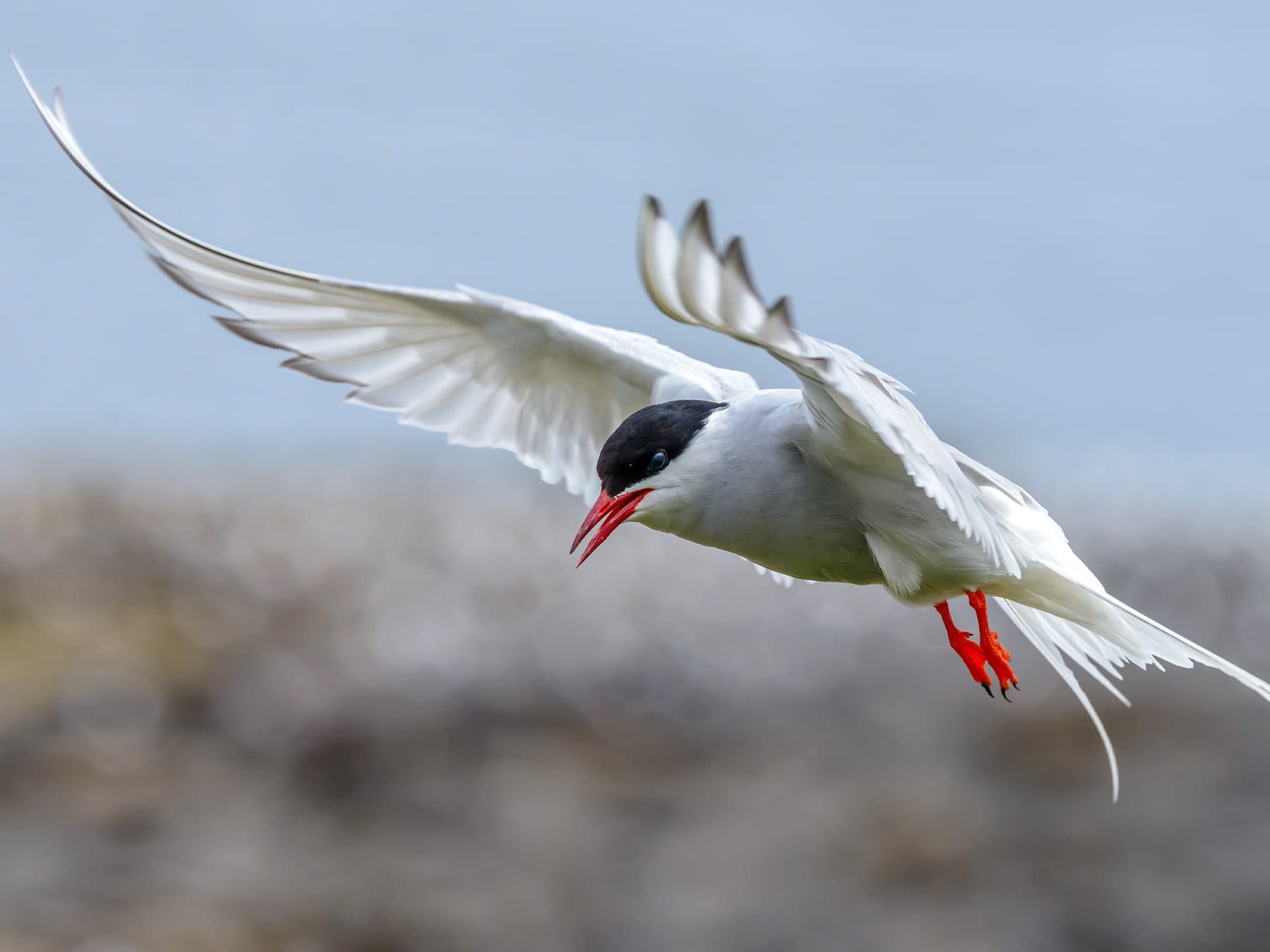
Arctic Tern
Sterna paradisaeaLC
A rare breeder, nesting at a few coastal colonies. Also seen on passage off Flamborough and Filey from May to October.
May–Oct
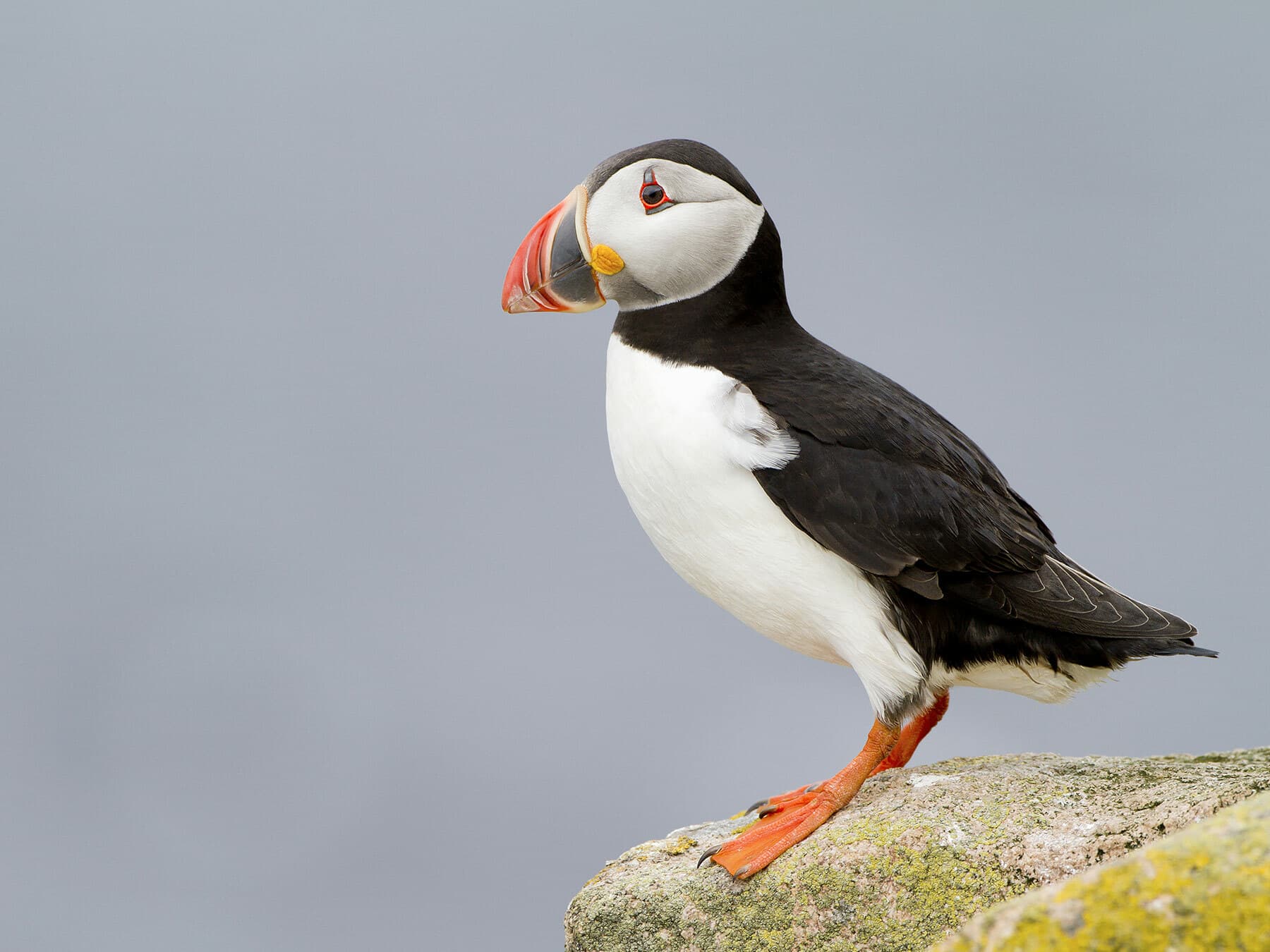
Atlantic Puffin
Fratercula arcticaVU
A rare but charismatic resident, best seen at Bempton Cliffs and Flamborough Head during the spring and summer breeding season.
Mar–Dec
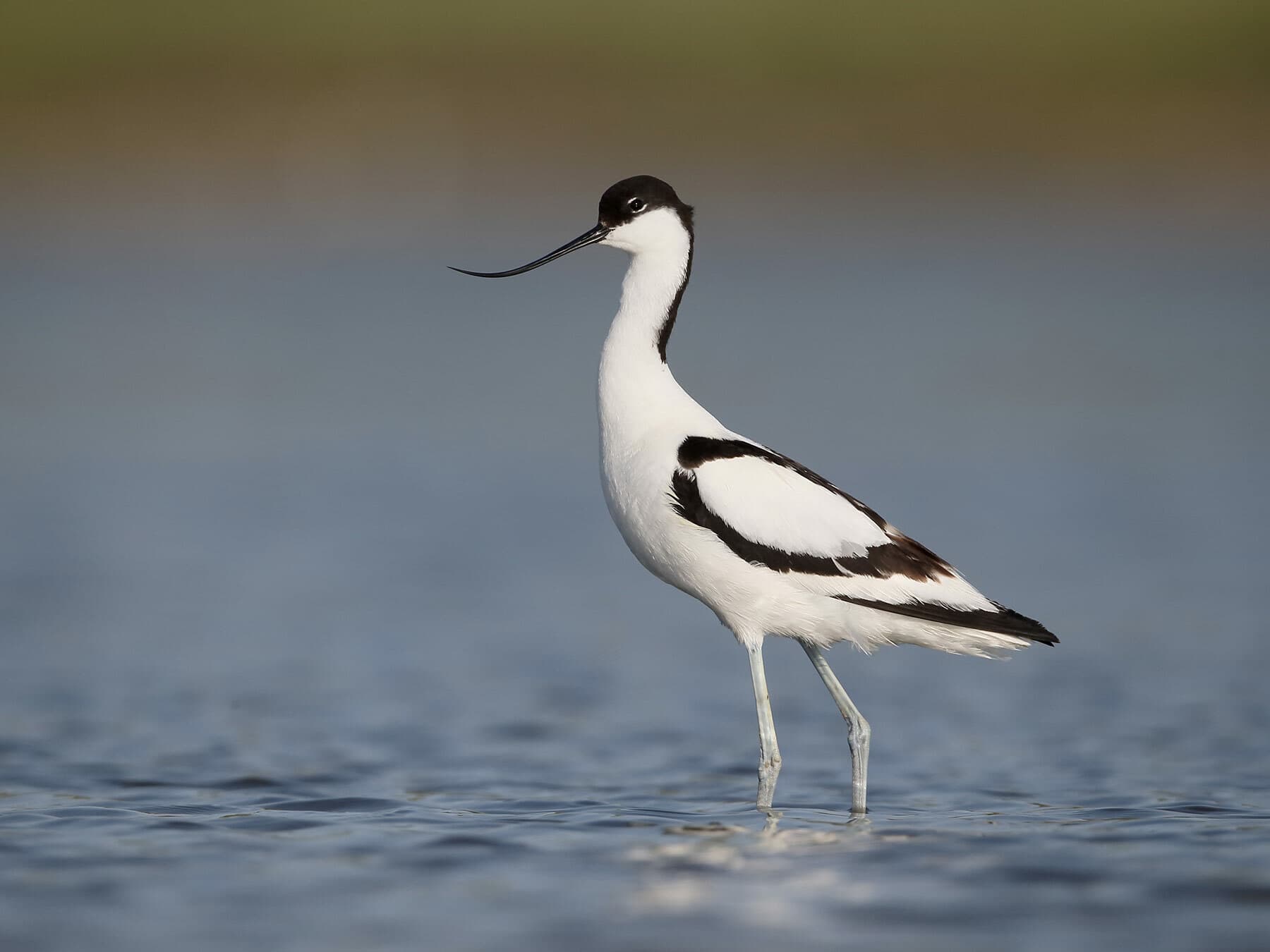
Avocet
Recurvirostra avosettaLC
A rare breeder from March to July at select coastal and wetland sites. This elegant wader has expanded its range northward in recent decades.
Mar–Jul
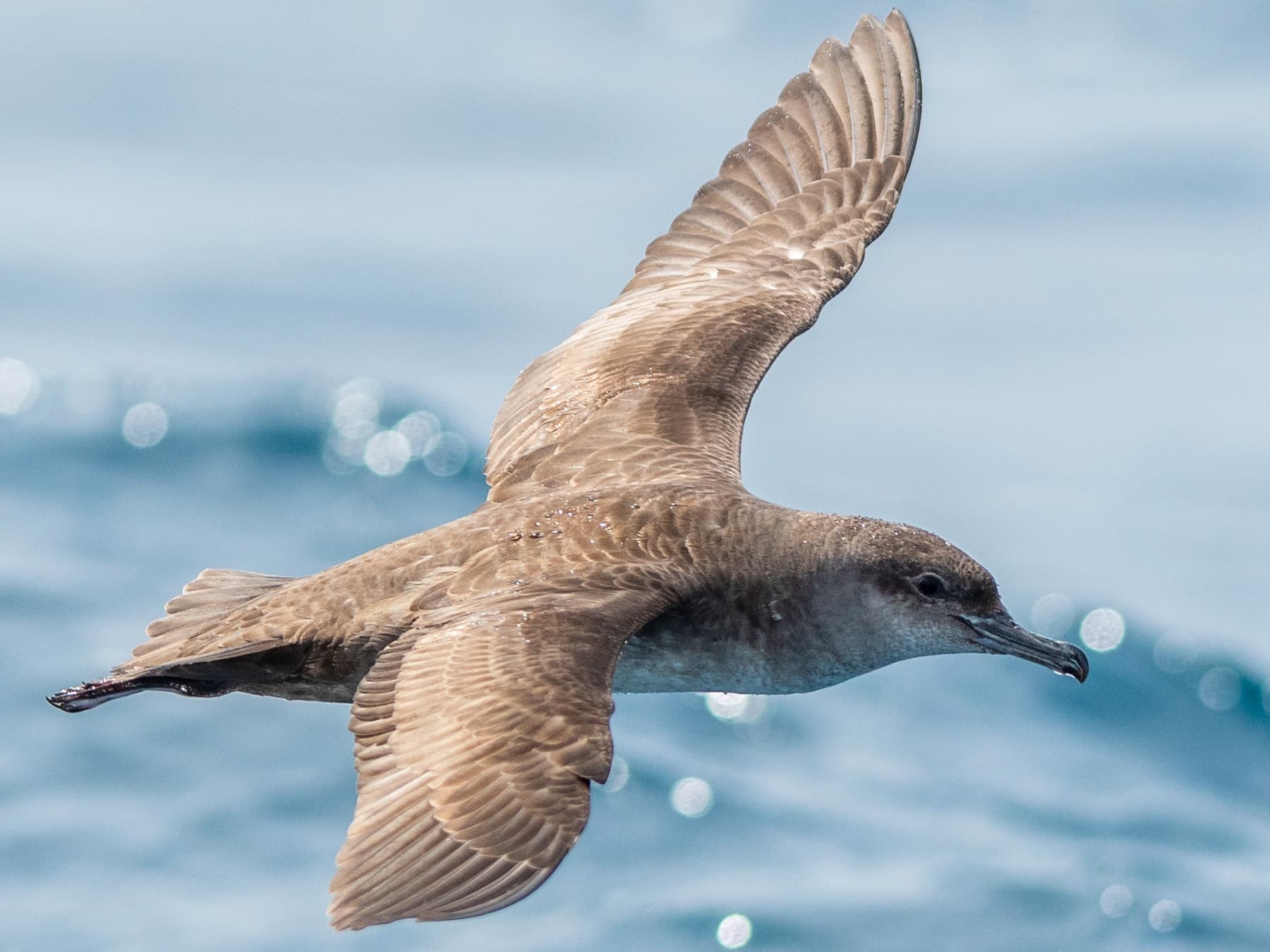
Balearic Shearwater
Puffinus mauretanicusCR
A critically endangered seabird, rarely spotted off the North Yorkshire coast during September passage. A prized sighting for sea-watchers.
Sep
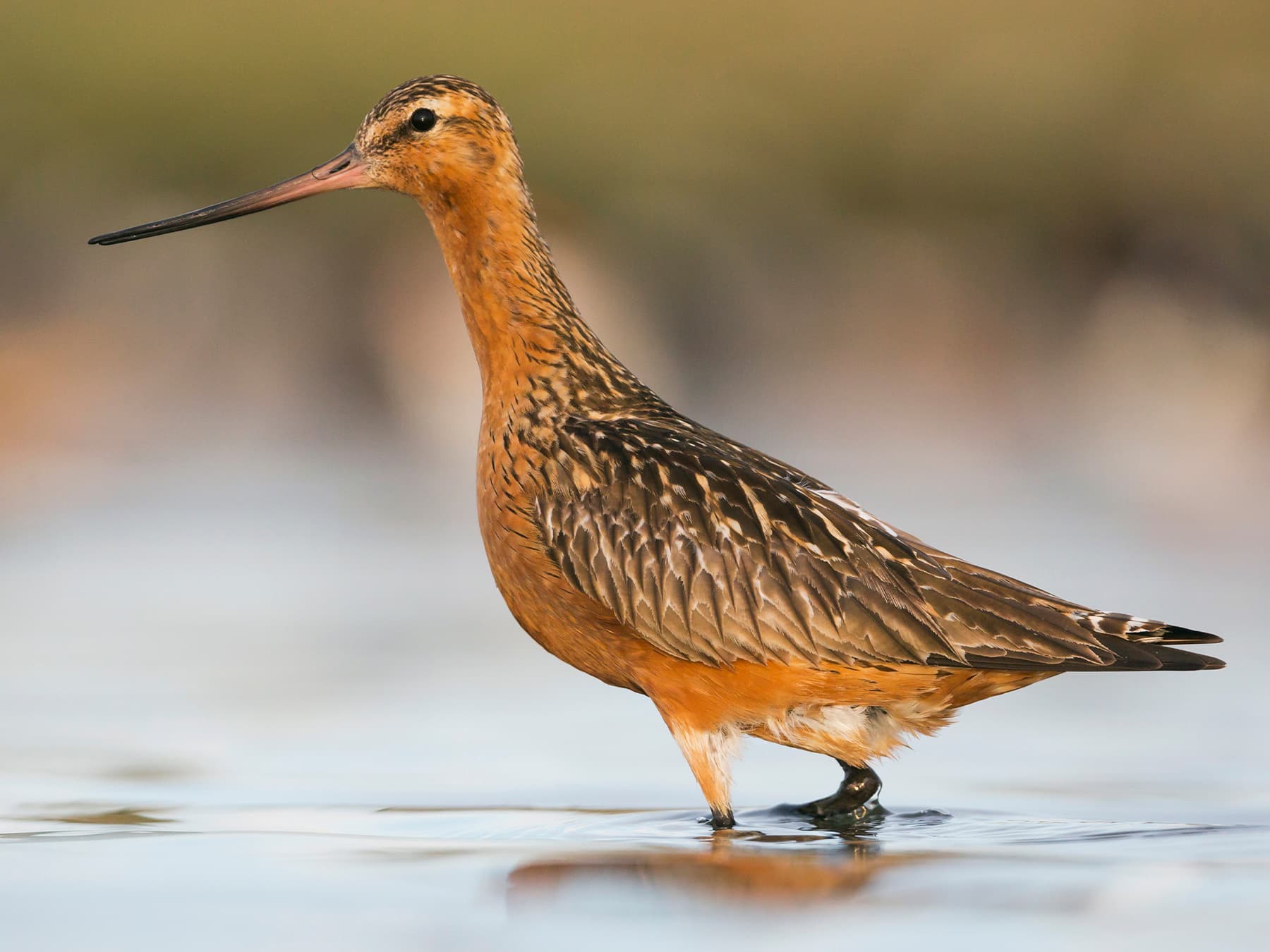
Bar-tailed Godwit
Limosa lapponicaNT
Found on the coast, particularly the Tees estuary and Filey, with numbers peaking during autumn passage and winter months.
Jul–May
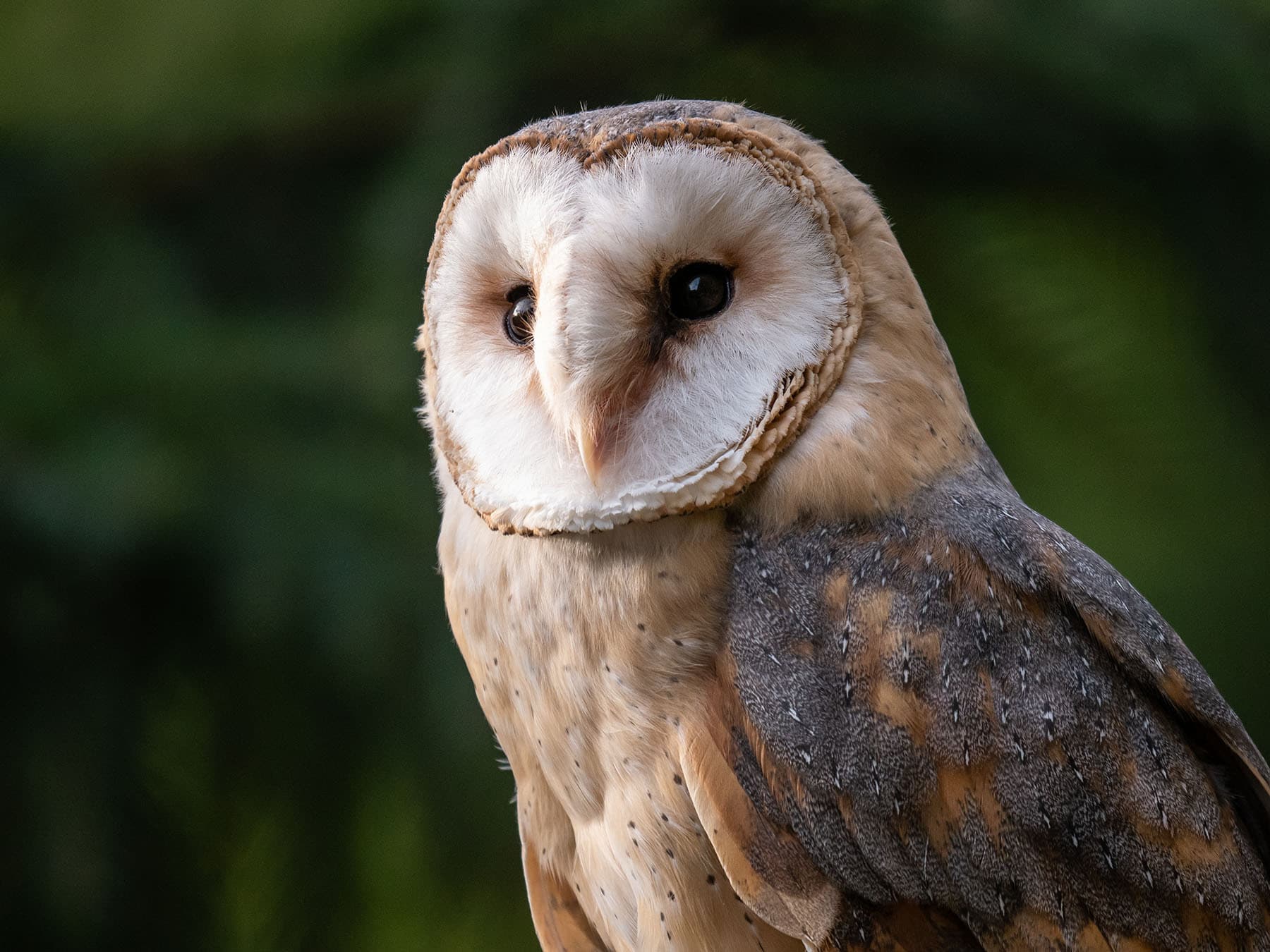
Barn Owl
Tyto albaLC
An uncommon resident of farmland and field margins, often glimpsed at dusk quartering rough grassland for voles across the Vales.
Year-round
Spotted something?
Upload a photo to identify it
Identify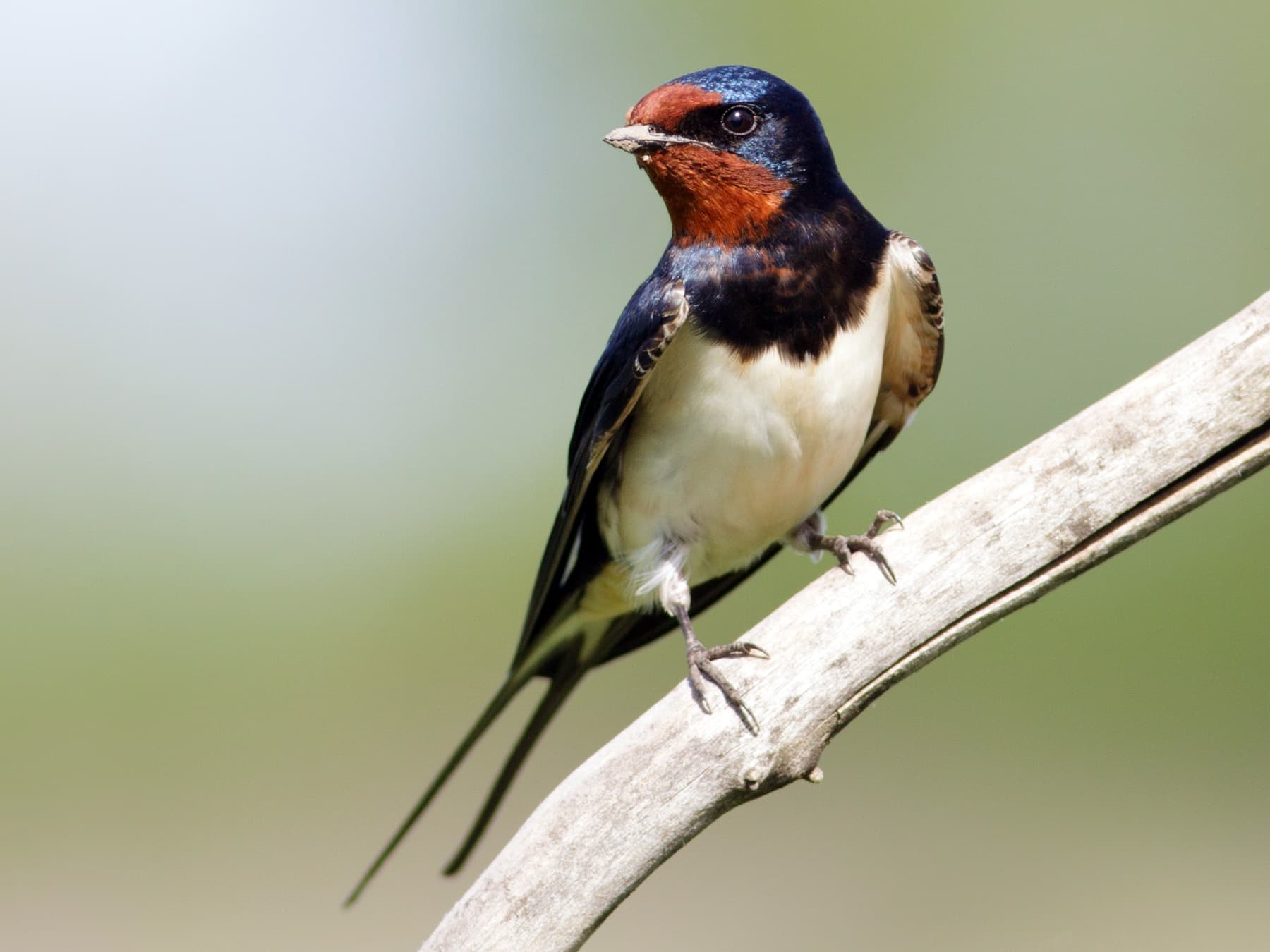
Barn Swallow
Hirundo rusticaLC
A common summer visitor breeding in barns and outbuildings across farmland, arriving in April and departing by October.
Apr–Oct
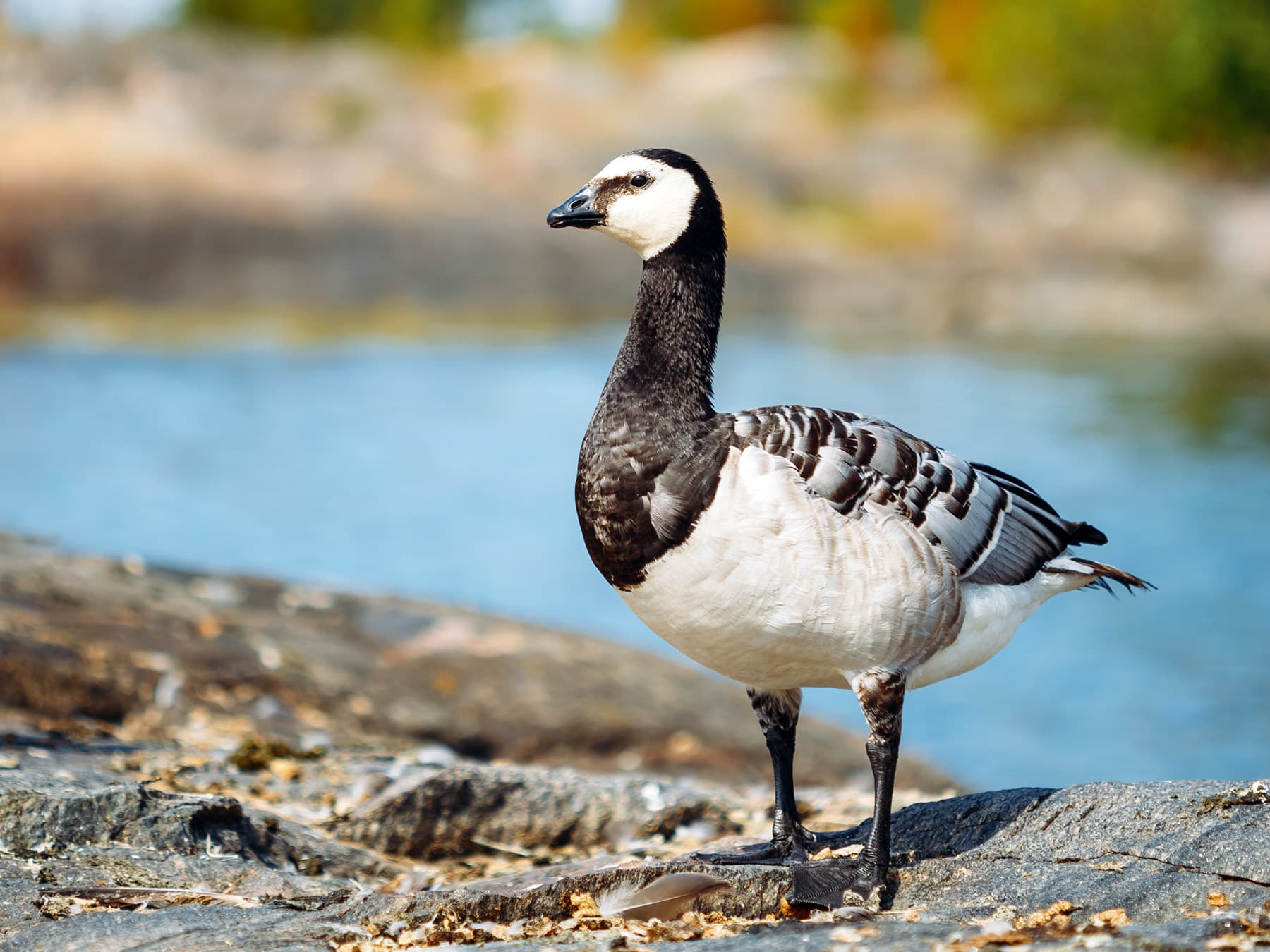
Barnacle Goose
Branta leucopsisLC
Present year-round but rare, with a mix of feral birds and genuine wild vagrants. Found on grassland and wetland margins.
Year-round
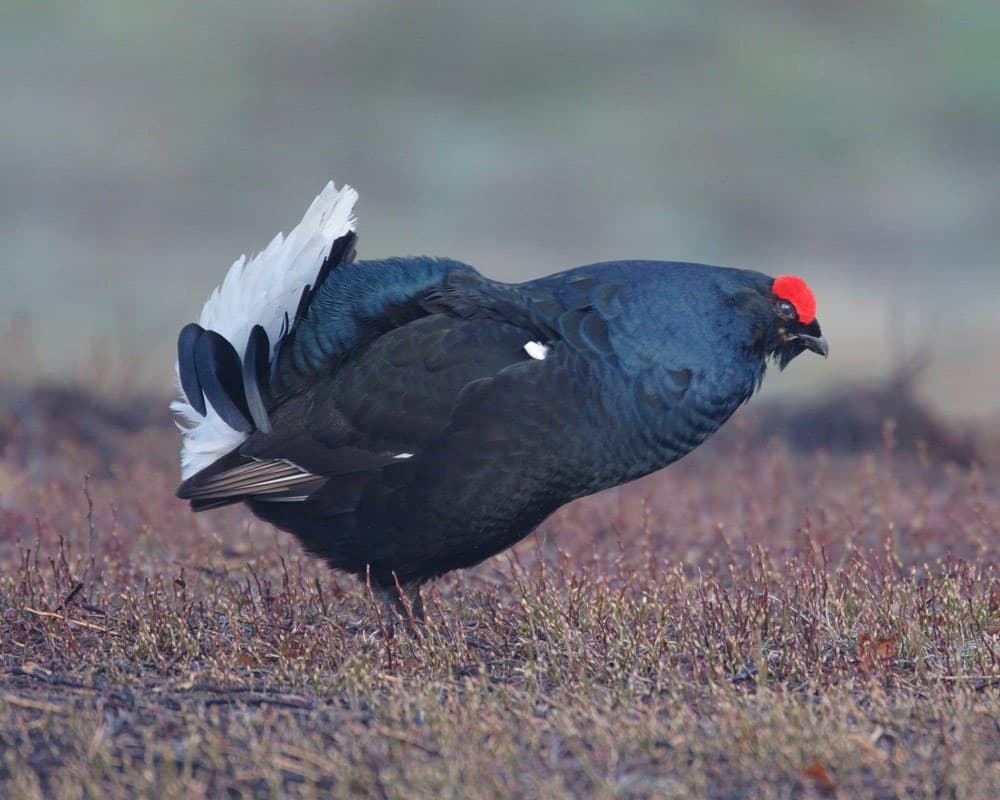
Black Grouse
Lyrurus tetrixLC
A rare passage visitor in April, occasionally noted on moorland fringes. Once more widespread, now largely confined to the northern Pennine edges.
Apr
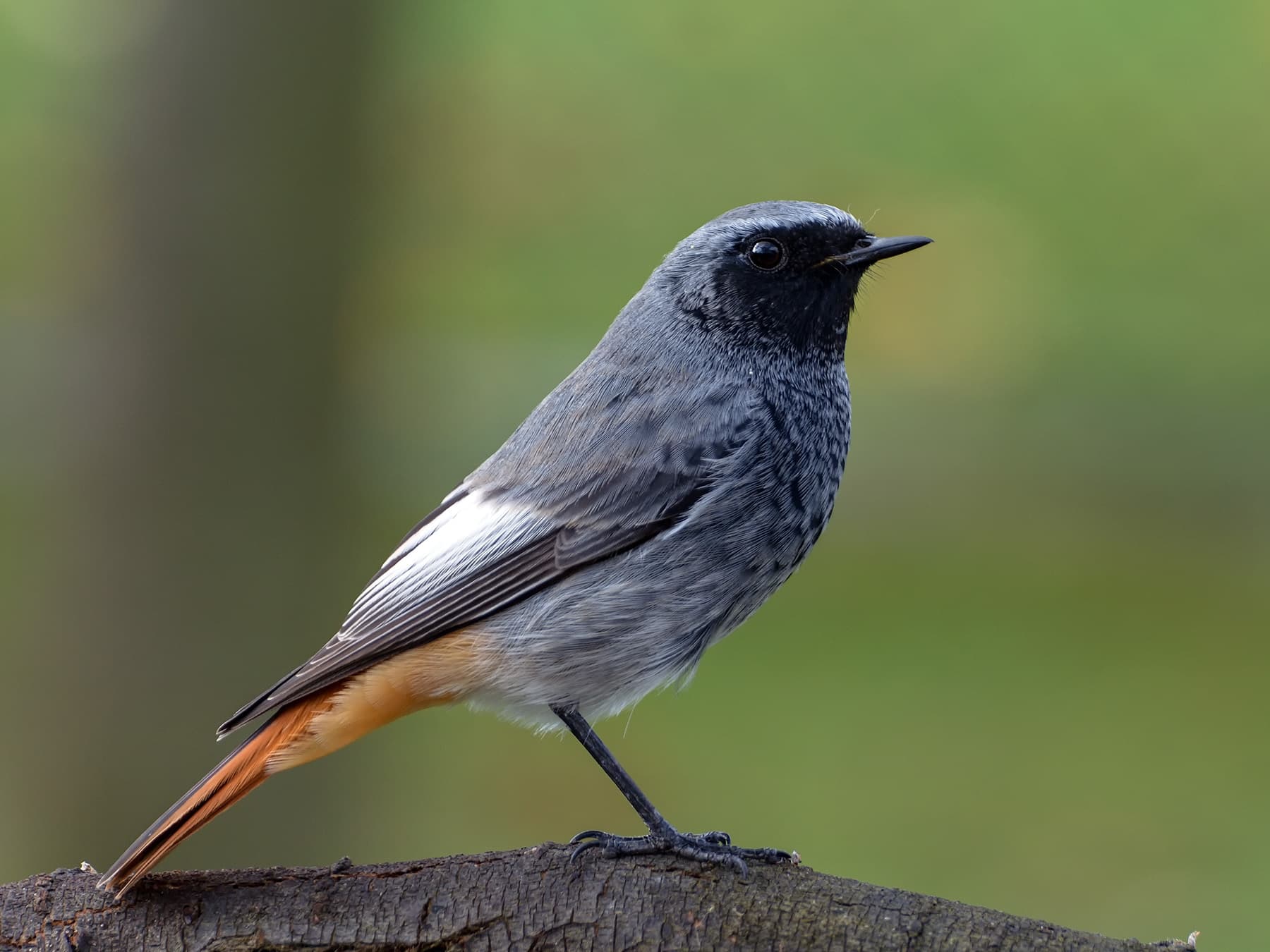
Black Redstart
Phoenicurus ochrurosLC
A rare non-breeding visitor, occasionally seen on coastal cliffs and industrial buildings. Most likely encountered during autumn passage and winter months.
Oct–Apr
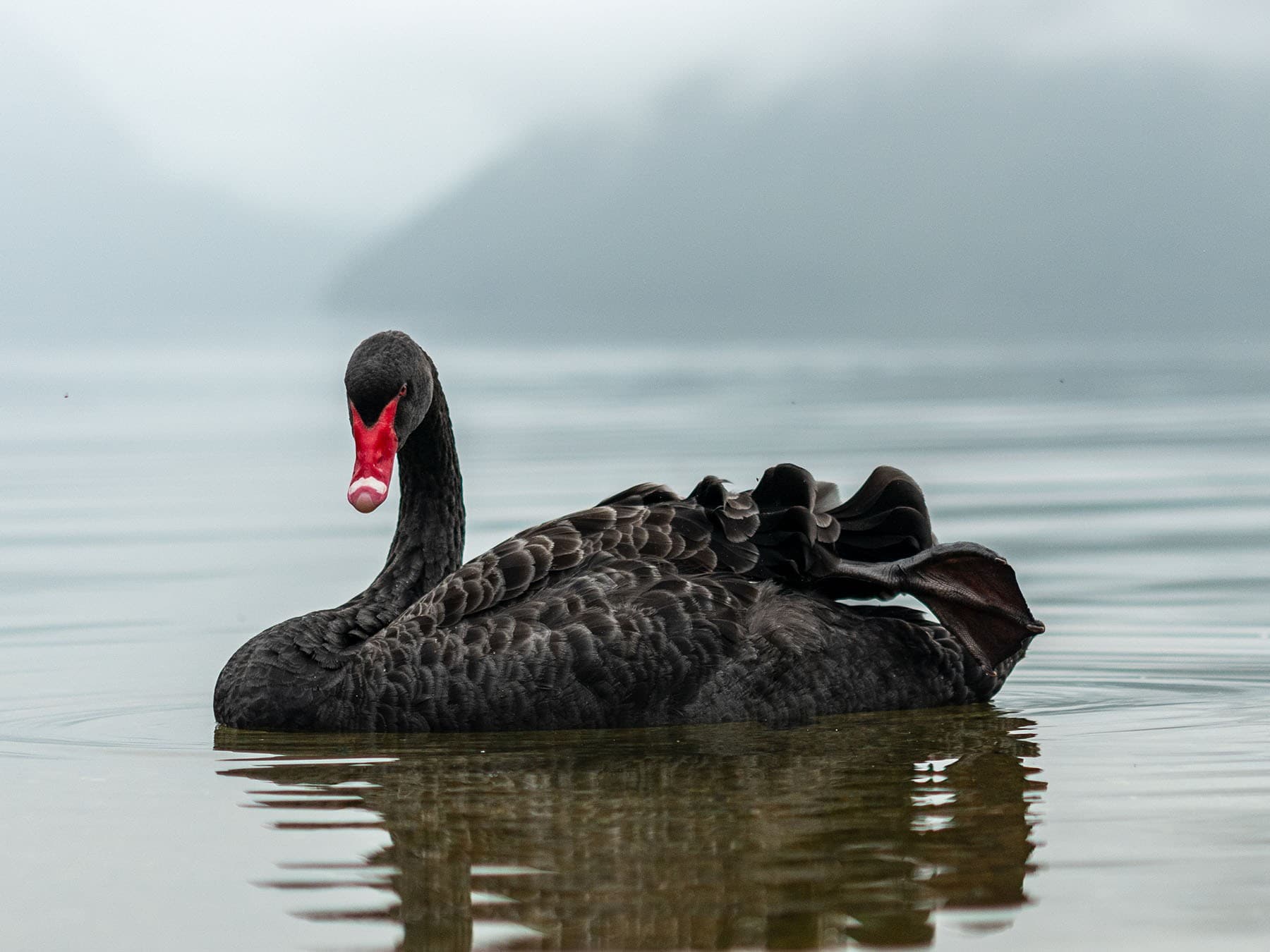
Black Swan
Cygnus atratusLC
A rare and exotic sight, likely originating from ornamental collections. Occasionally turns up on lakes and rivers across the region.
Nov–Sep
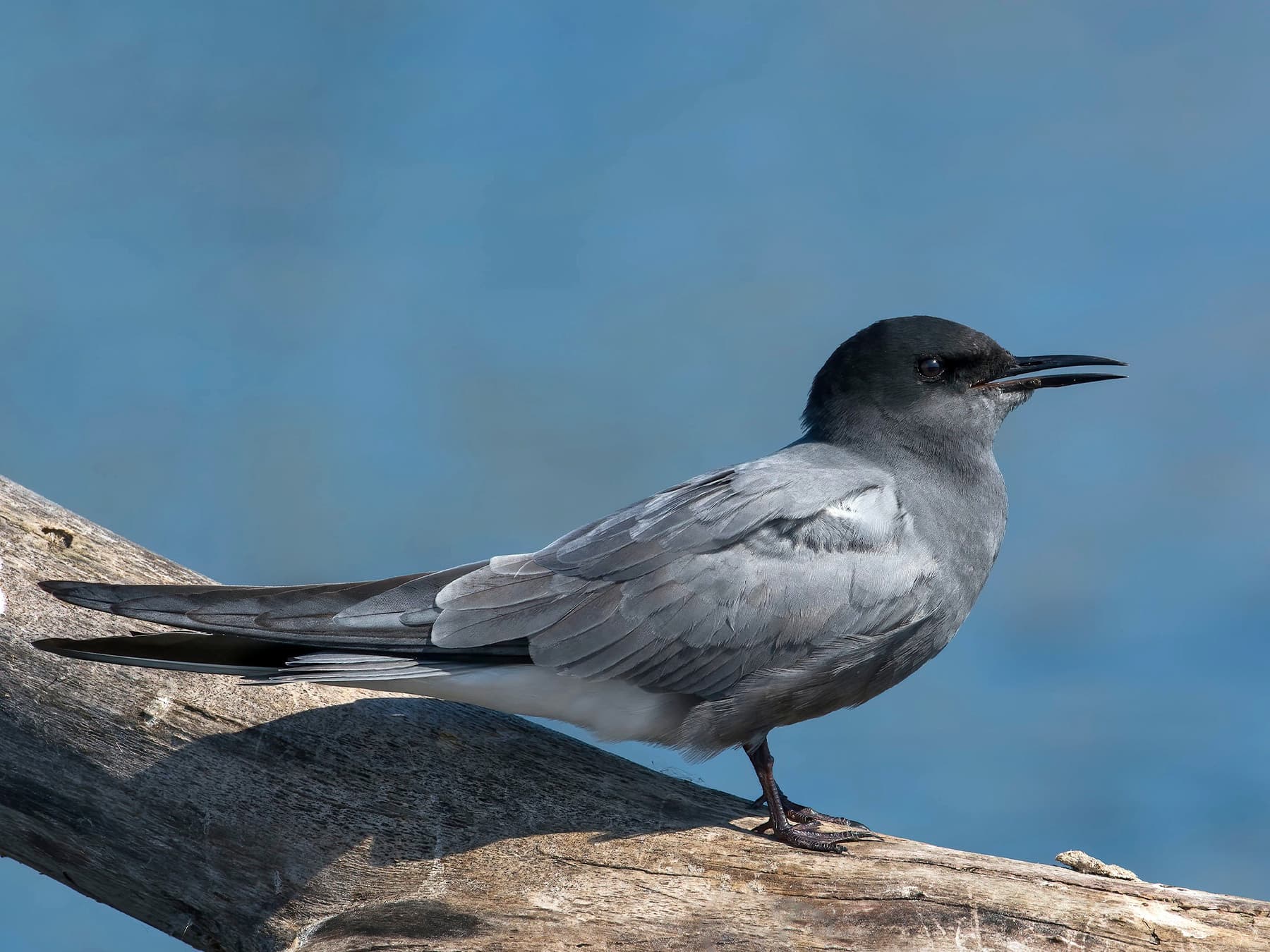
Black Tern
Chlidonias nigerLC
A rare autumn passage migrant, occasionally appearing at inland reservoirs and coastal pools in August–September, dipping elegantly for insects.
Aug–Sep
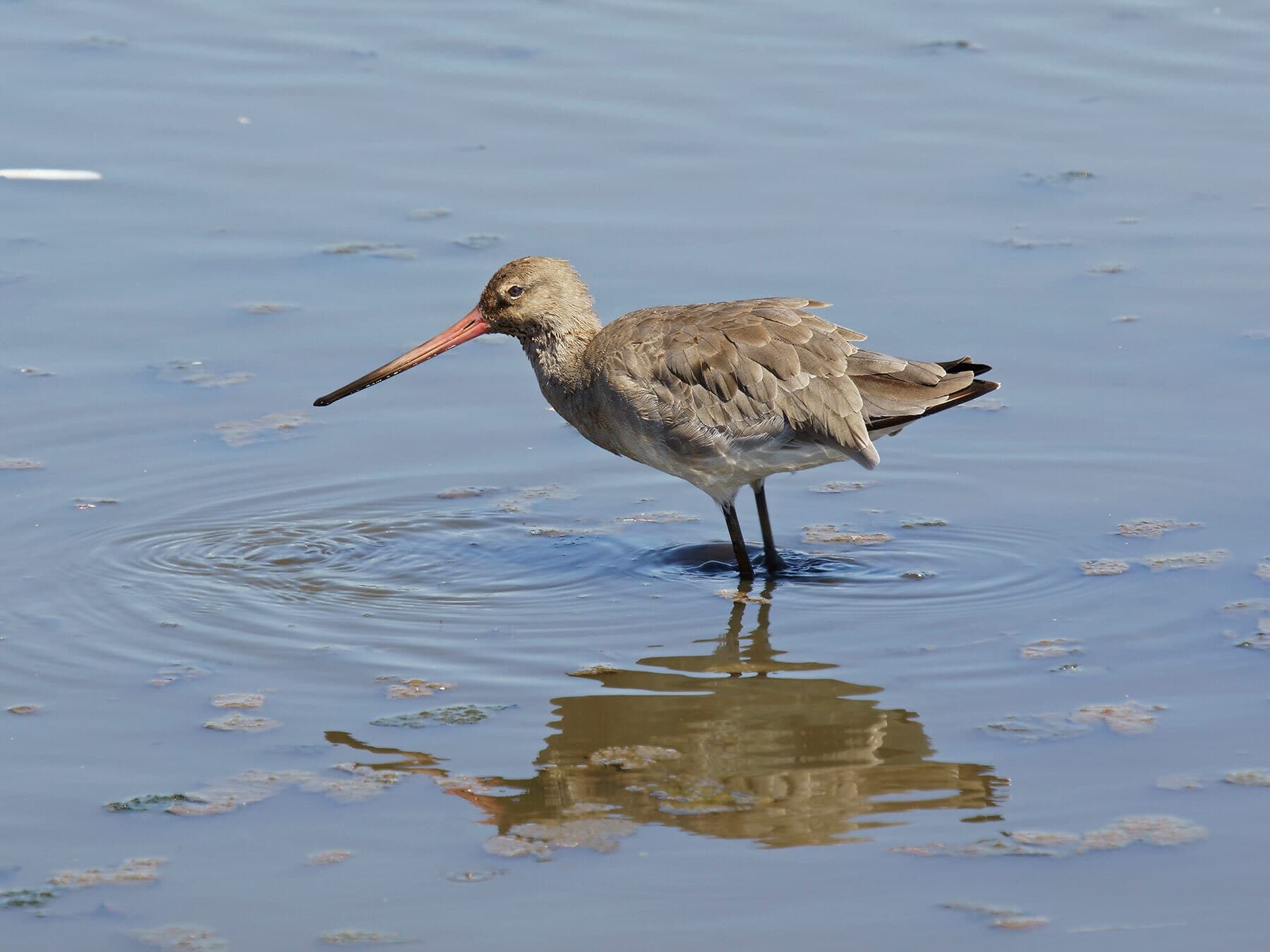
Black-tailed Godwit
Limosa limosaNT
A rare resident, mainly seen at wetland sites from winter through autumn. Passage birds and Icelandic wintering flocks boost numbers.
Jan–Oct
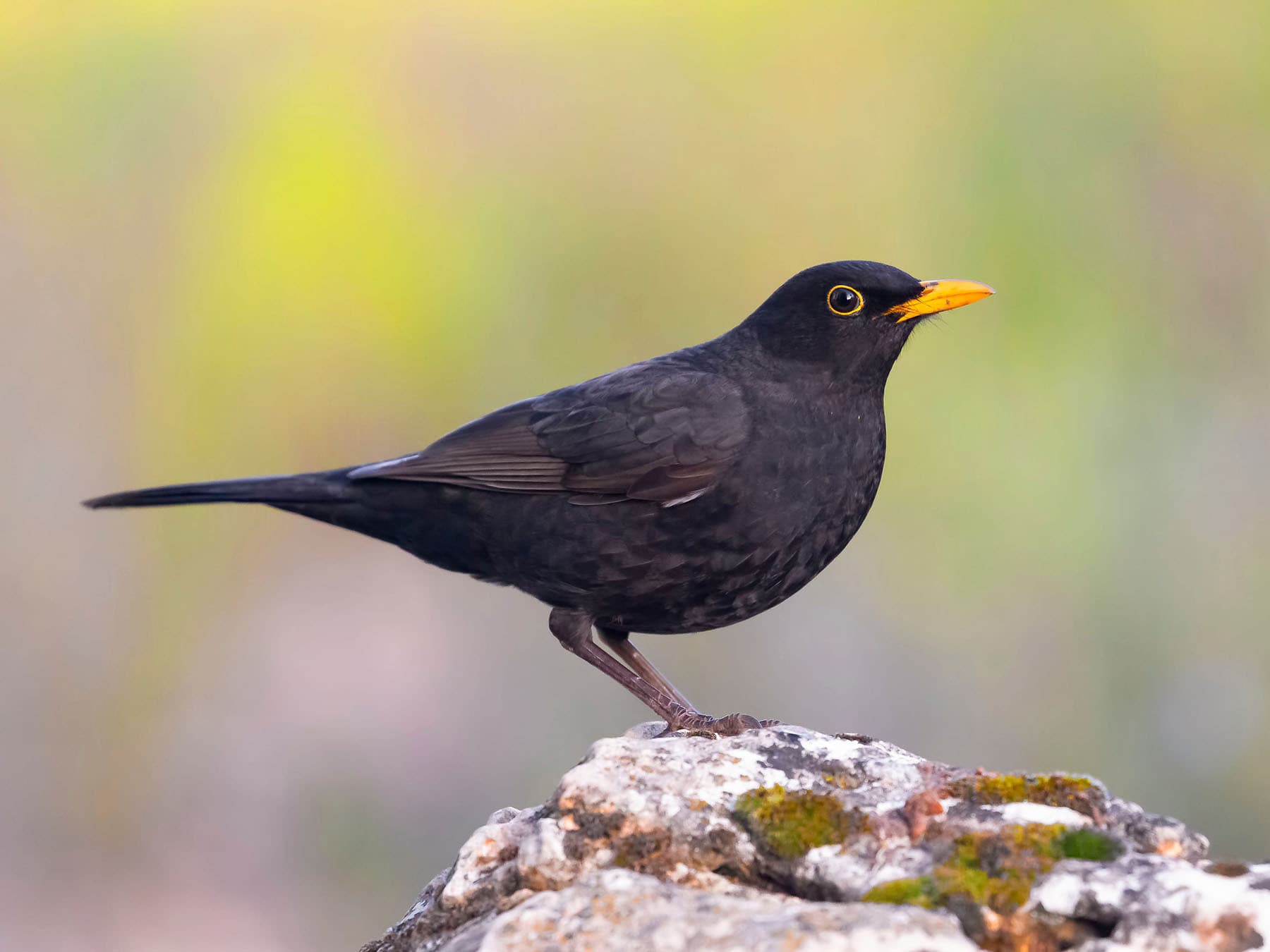
Blackbird
Turdus merulaLC
One of the most widespread residents, found in gardens, woodland and hedgerows year-round. Continental migrants boost numbers in autumn.
Year-round
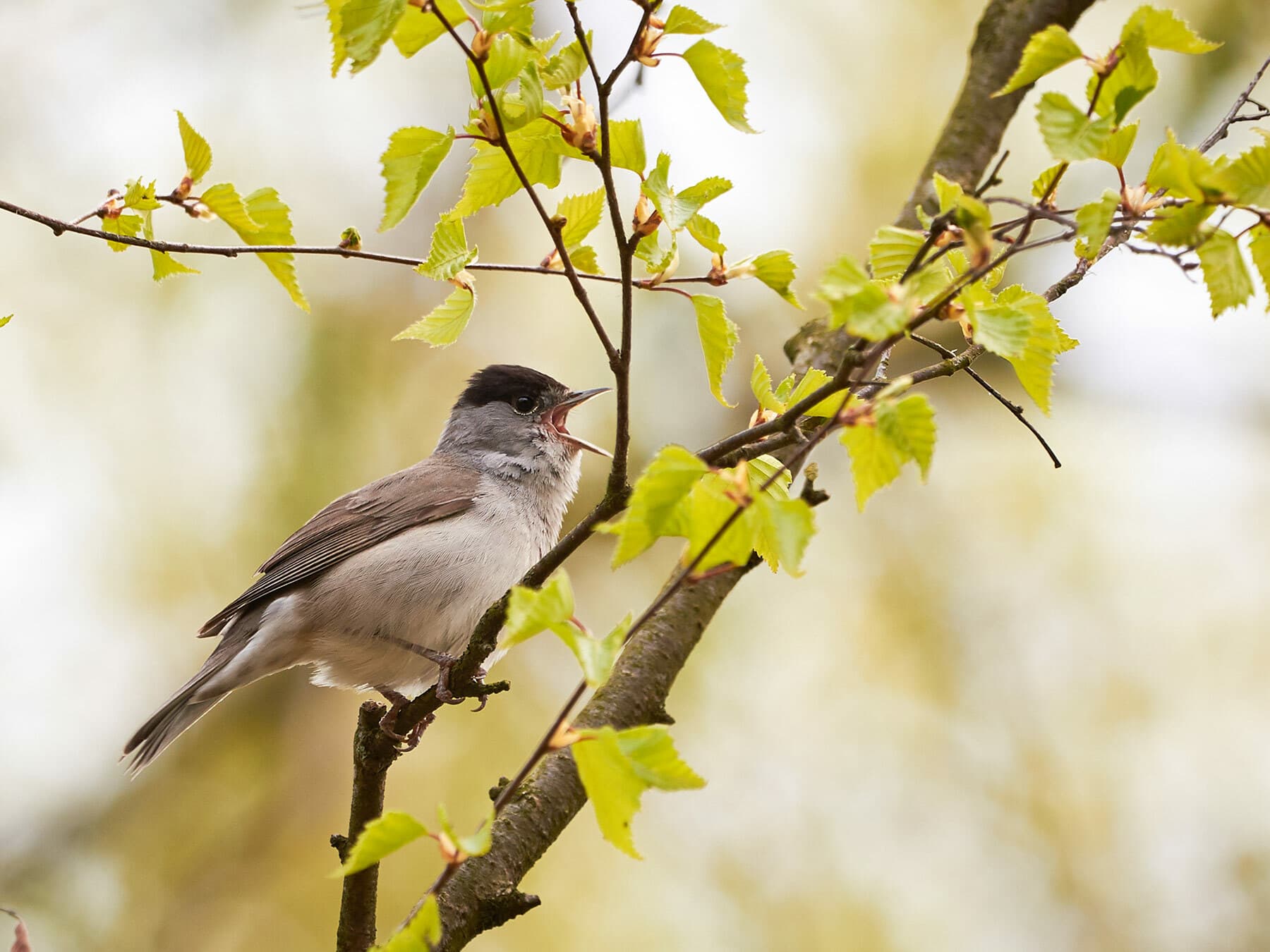
Blackcap
Sylvia atricapillaLC
An increasingly year-round resident of woodland and gardens, its rich warbling song heard from early spring.
Feb–Nov
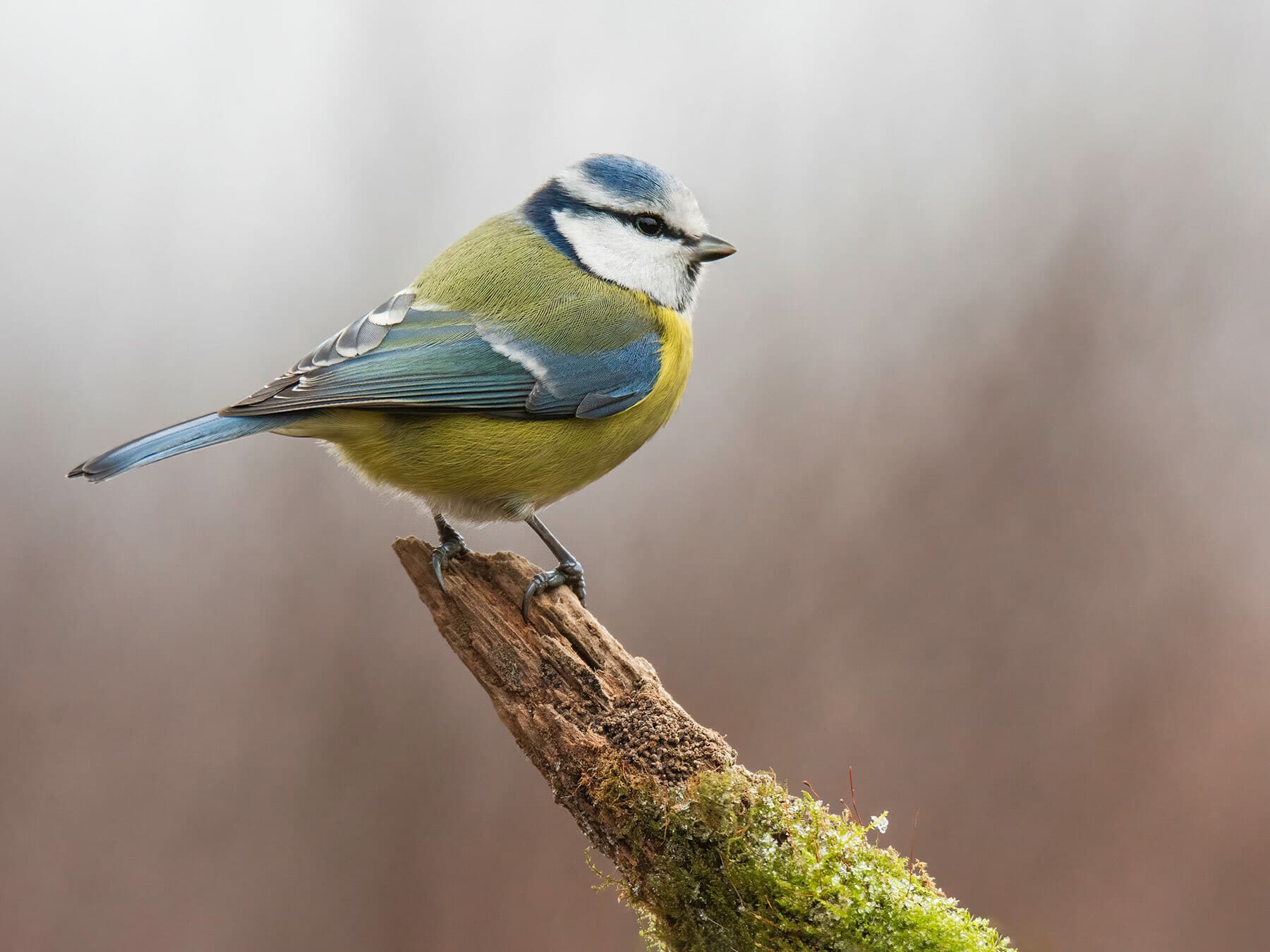
Blue Tit
Cyanistes caeruleusLC
A common and familiar garden resident year-round, also thriving in woodland and hedgerows across the county.
Year-round
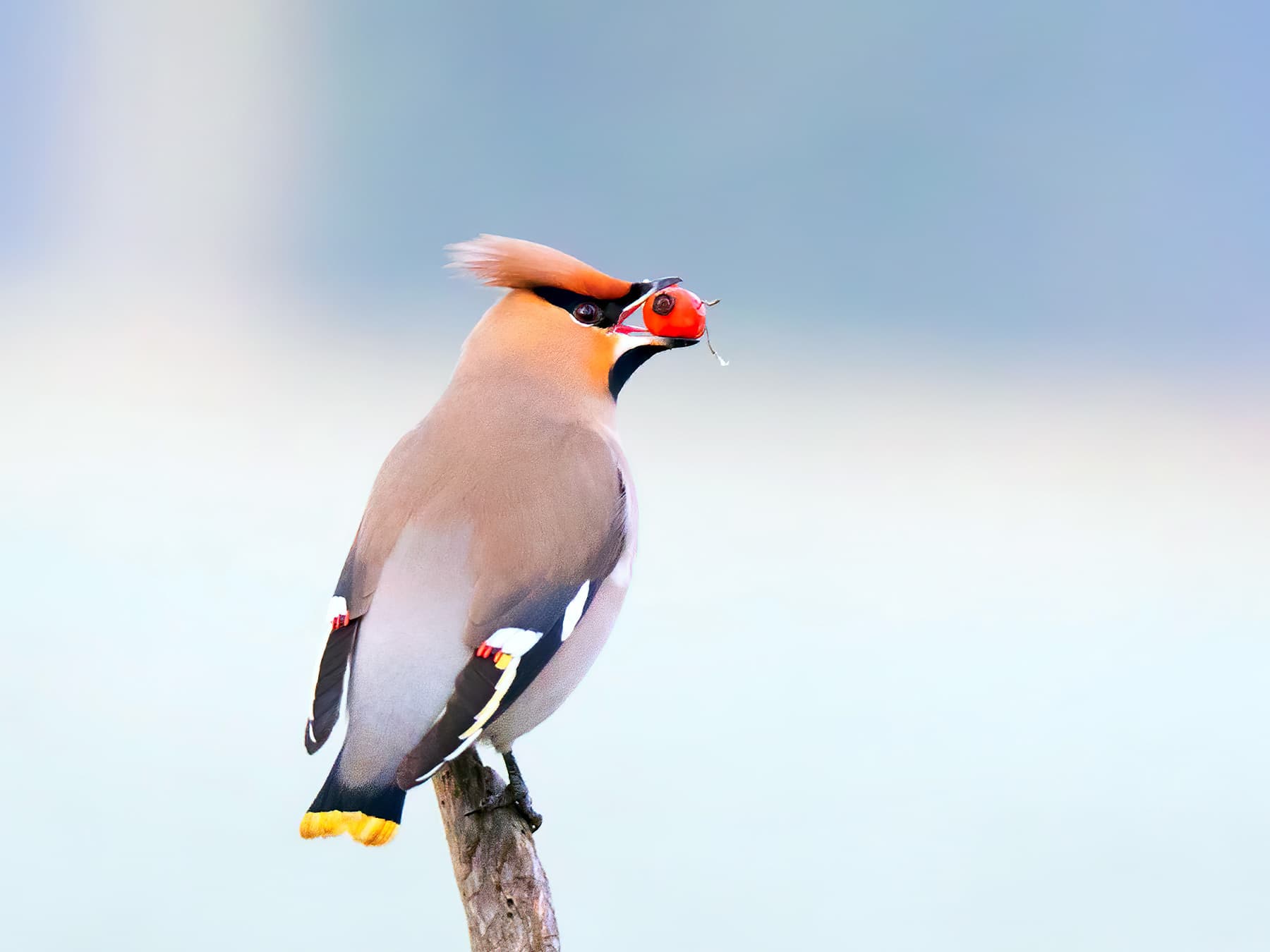
Bohemian Waxwing
Bombycilla garrulusLC
An irruptive winter visitor from Scandinavia, appearing in some years in November and December. Flocks descend on berry-laden trees in towns and gardens.
Nov–Dec
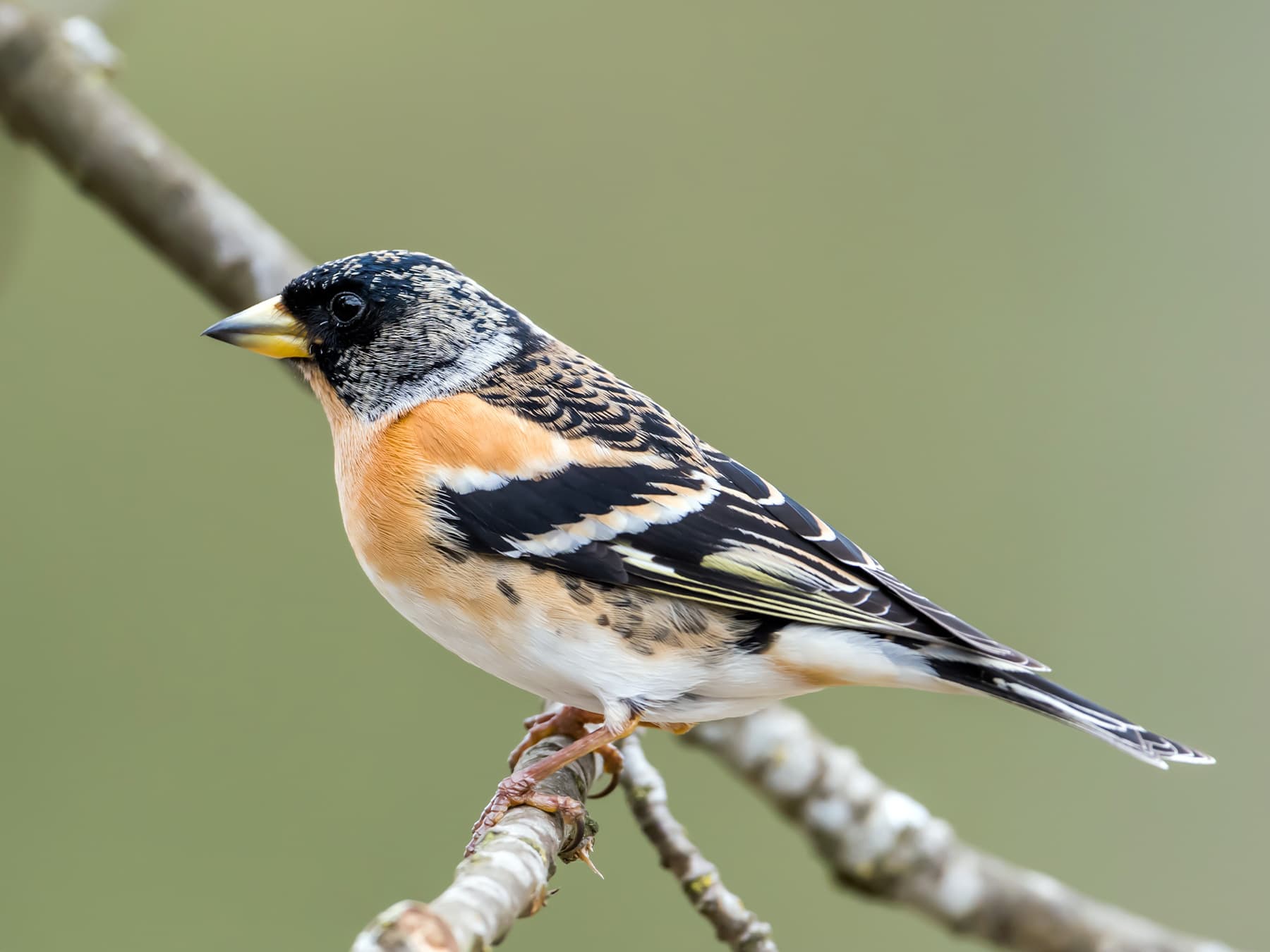
Brambling
Fringilla montifringillaLC
A scarce winter visitor from Scandinavia, sometimes joining chaffinch flocks at woodland edges and beneath beech trees.
Sep–Apr
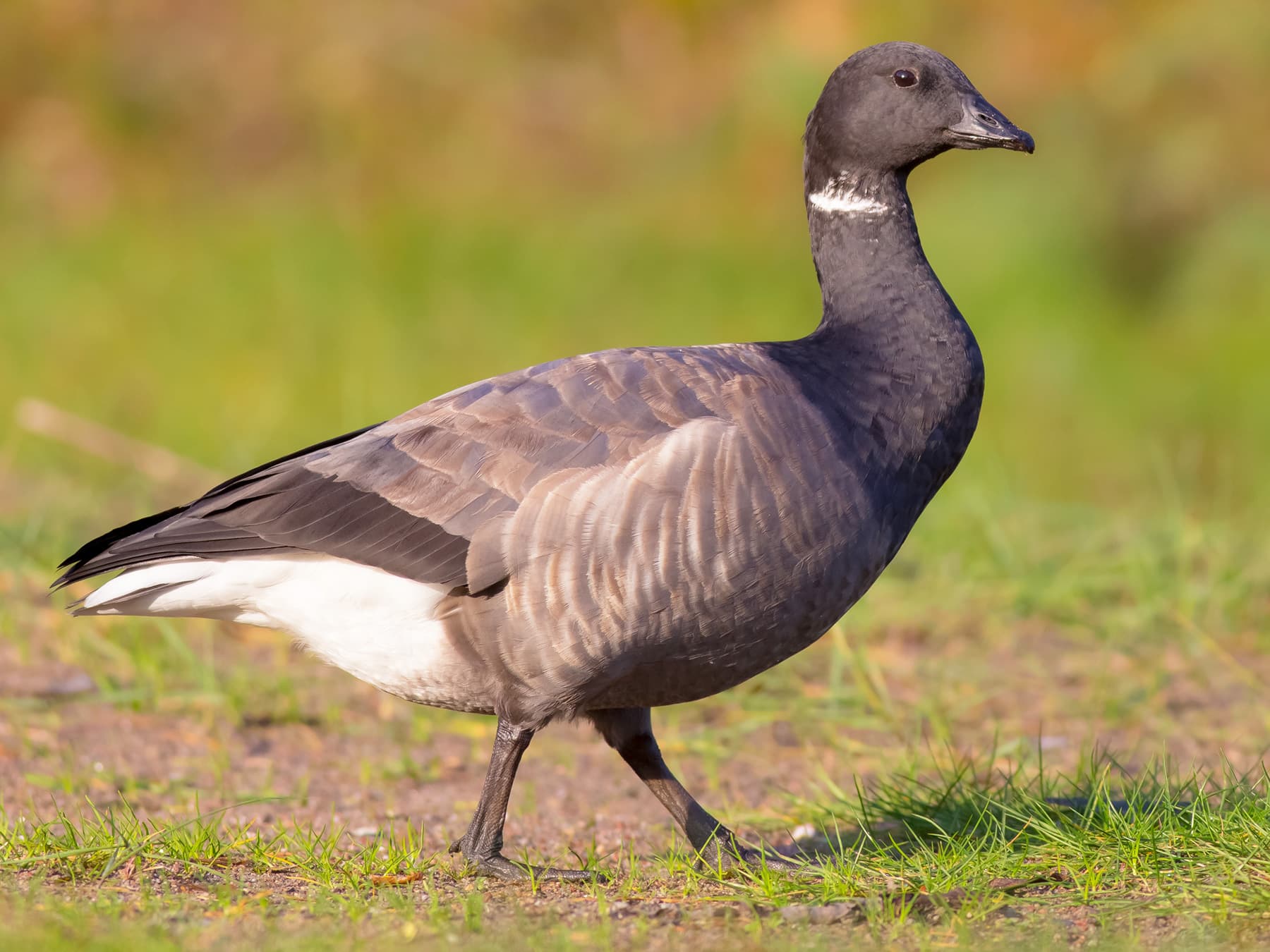
Brent Goose
Branta berniclaLC
A rare non-breeding visitor to the coast and estuaries, mainly seen from September to February. Prefers tidal mudflats.
Sep–Feb
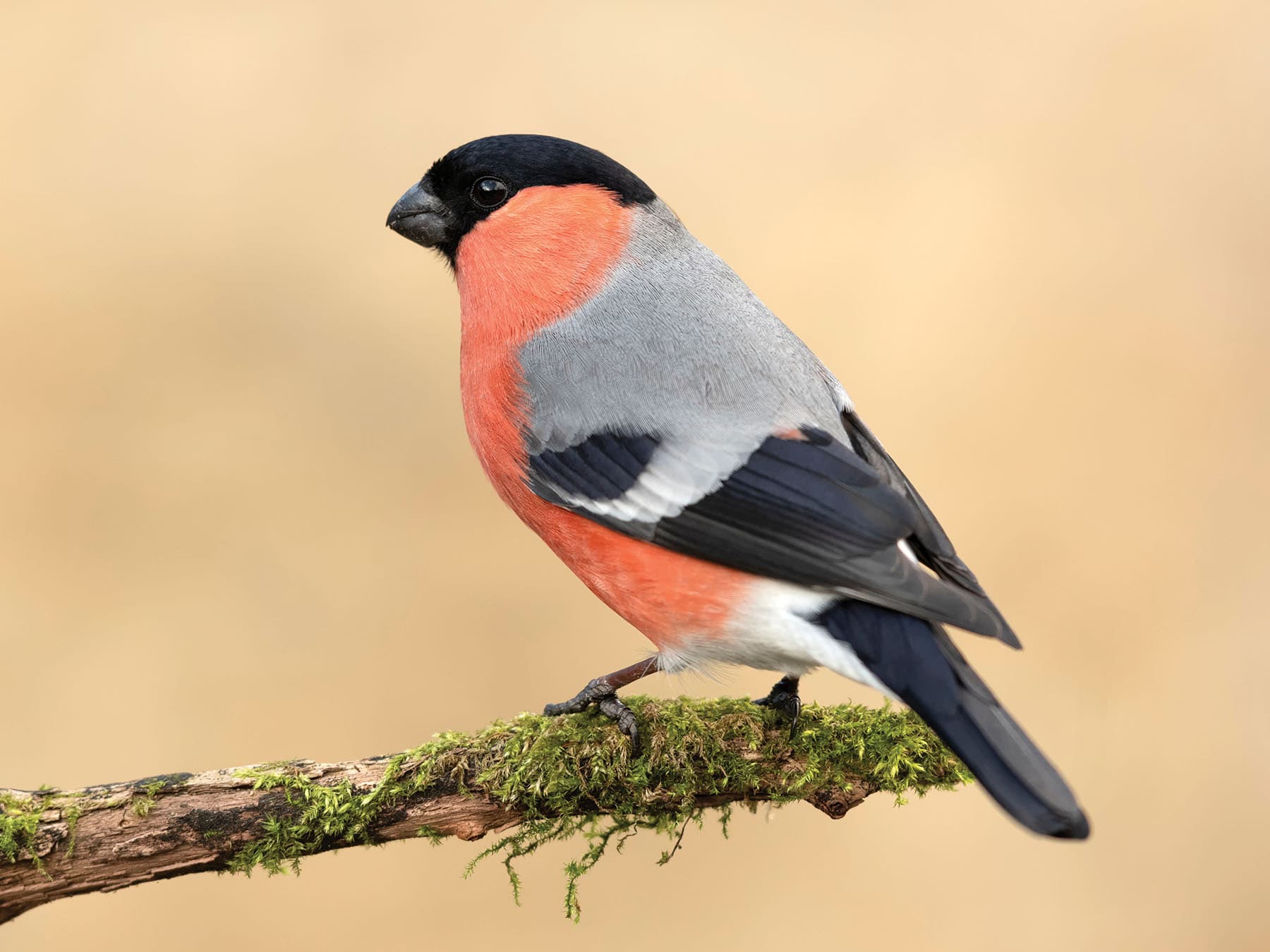
Bullfinch
Pyrrhula pyrrhulaLC
An unobtrusive year-round resident of hedgerows and woodland edges, often detected by its soft, piping call.
Year-round
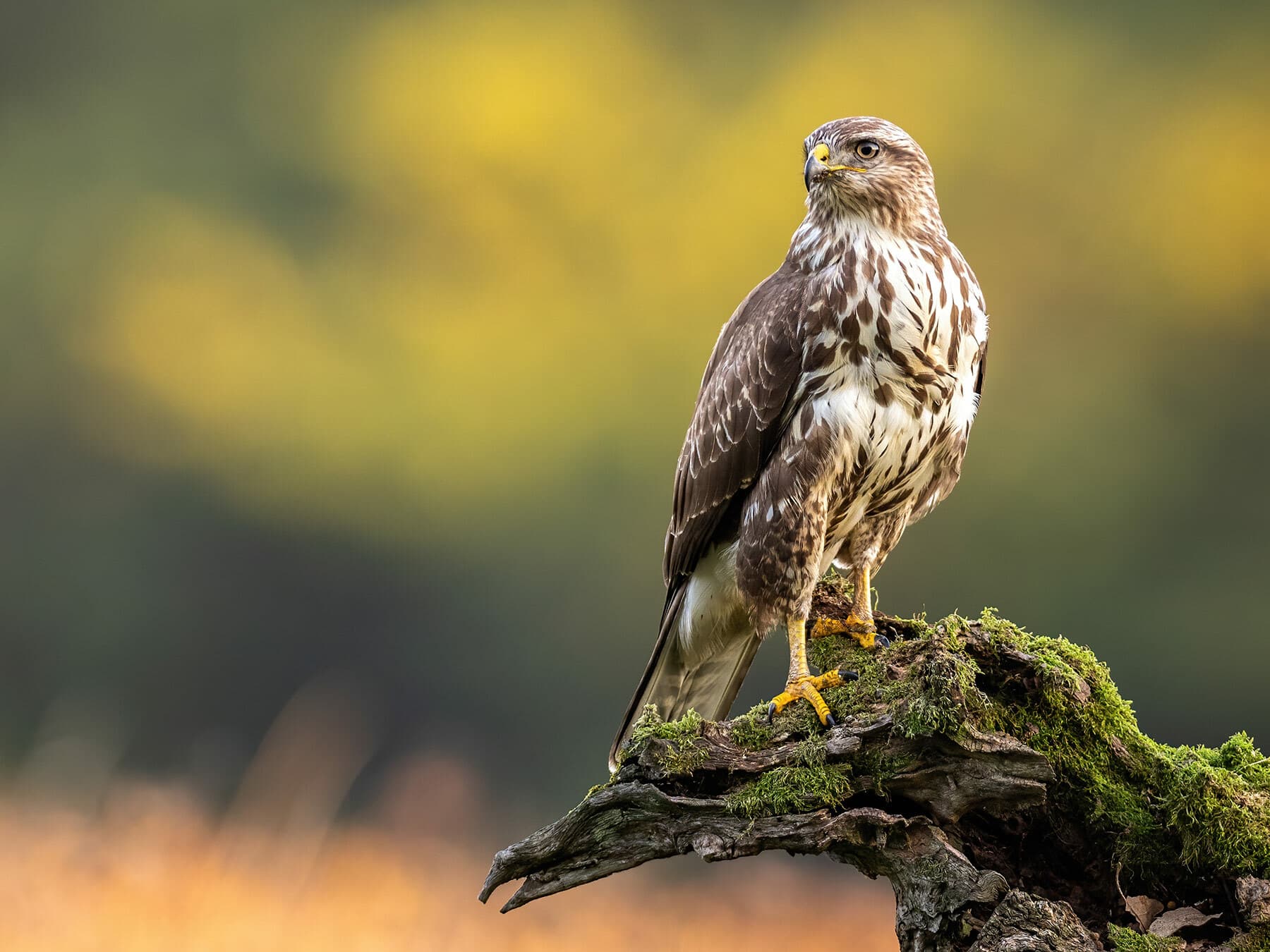
Buzzard
Buteo buteoLC
Now a common resident across the region, frequently seen soaring over farmland, moorland edges and the Yorkshire Dales.
Year-round