Facts · Updated 10 Mar 2026
20 Most Common Birds in London: Gardens, Parks & Urban Hotspots
By the Birdfact teamChecked by Nathan Cope
London might look like an endless expanse of concrete and glass, but it is actually one of the greenest cities in Europe. With over 3,000 parks, the winding corridor of the River Thames, and millions of private gardens, the capital supports a highly adaptable and diverse bird population. The birds you see from a balcony in Camden will often differ from those visiting a sprawling lawn in Richmond, but a core group of species has mastered the art of urban living.
From the opportunistic scavengers patrolling the South Bank to the tiny acrobats visiting suburban window boxes, London's birds have learned to exploit the unique microclimates and food sources of the city. We have compiled a guide to the 20 most common birds you are likely to spot across Greater London, complete with identification tips and the best places to find them.
The 20 Most Common Birds in London
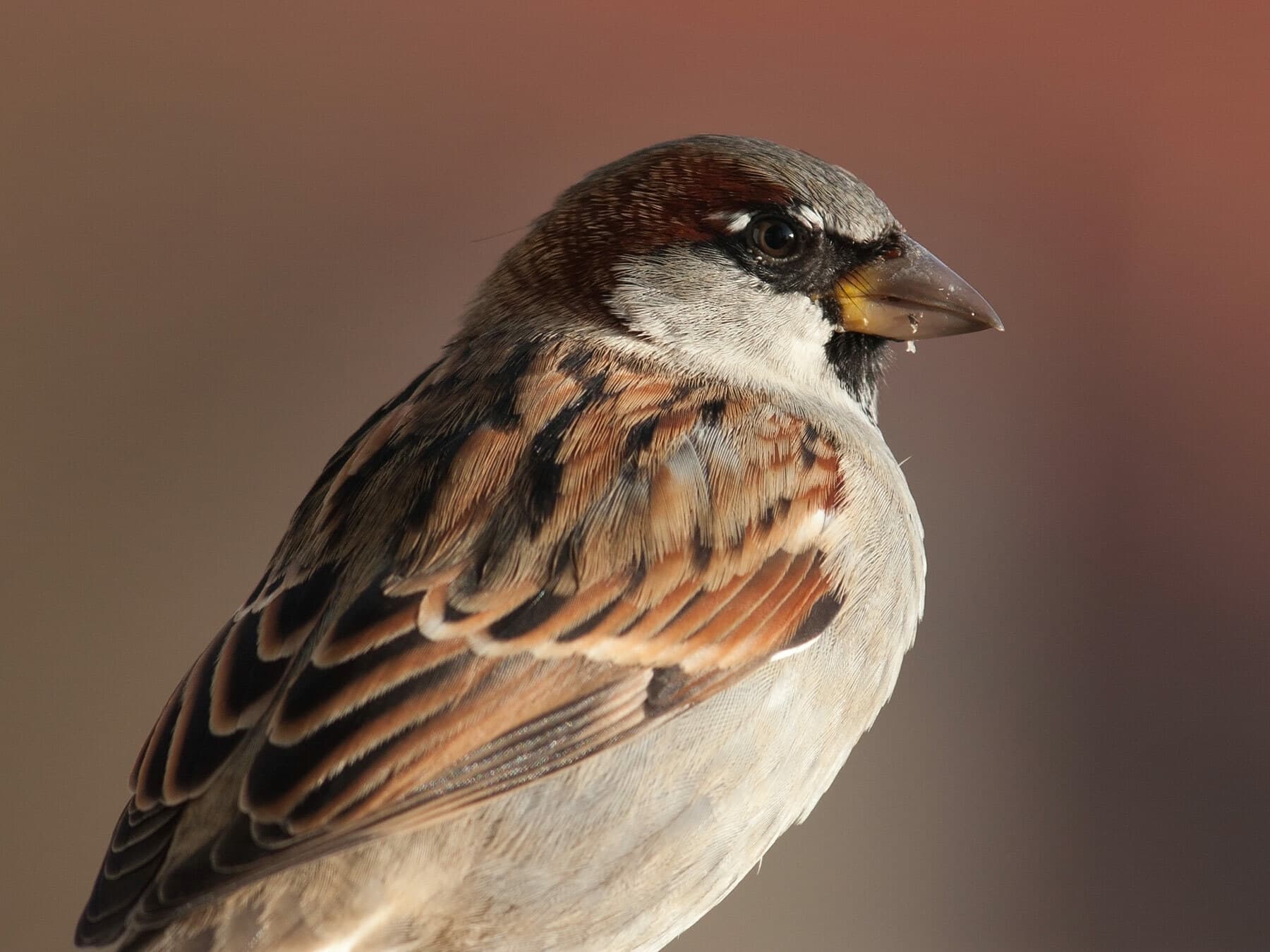
1. House Sparrow
House Sparrow
Passer domesticus
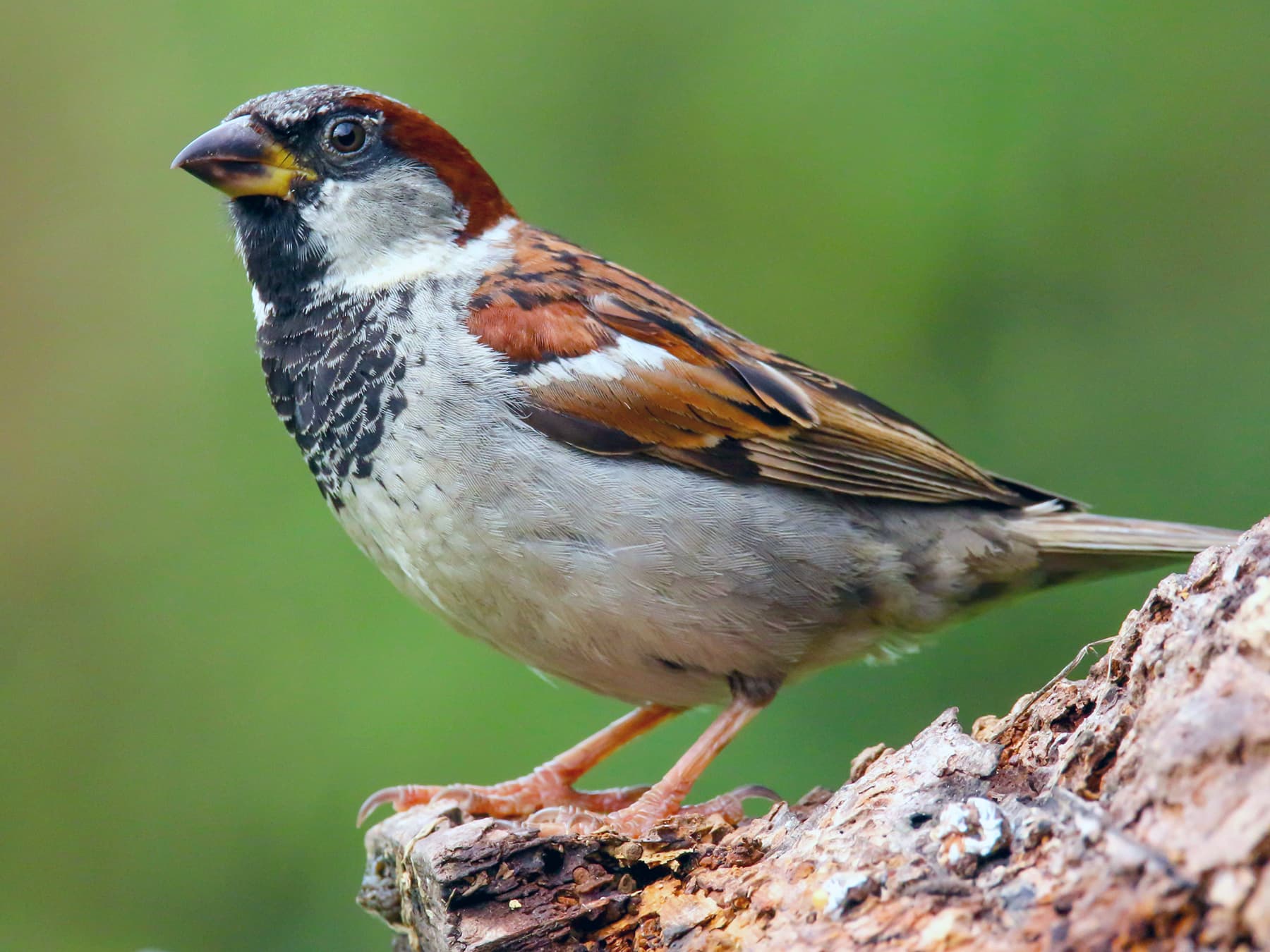
The House Sparrow is the chirpy brown sparrow of houses, farmyards and city streets. Males have a grey cap, chestnut sides to the head and a black bib; females are plain brown with a pale stripe behin
House Sparrows are highly social, often moving through London's hedges in noisy, chattering flocks. While their numbers in central London dropped sharply in the late 1990s—a decline linked to a lack of insects for their chicks—they remain a fixture in the outer boroughs. They rely heavily on thick ivy and mature shrubs, which provide safe, communal nesting sites away from the reach of domestic cats.
2. Blue Tit
Blue Tit
Cyanistes caeruleus
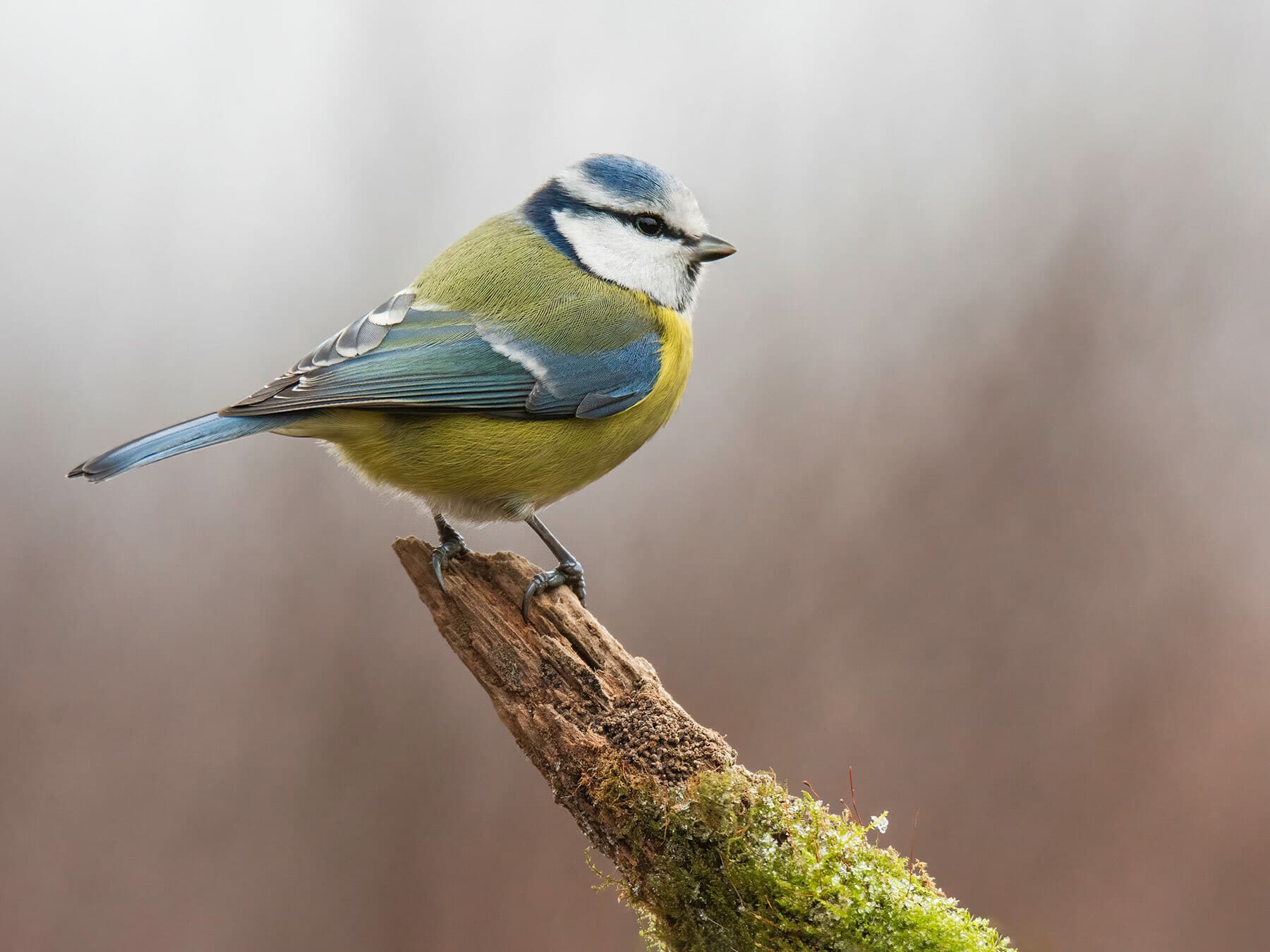
The Blue Tit is one of Britain's most familiar garden birds: a tiny tit with a bright blue cap ringed in white, a white face with a dark line through the eye, and a yellow breast. It clings to feeders
Weighing roughly the same as a £1 coin, the Blue Tit is a fearless visitor to urban window boxes and hanging feeders. They are particularly fond of mature oak trees, which support the specific caterpillars they need to feed their chicks in spring. You will frequently see them hanging upside down from peanut feeders or meticulously inspecting the crevices of tree bark in parks like Hampstead Heath.
3. Woodpigeon
Woodpigeon
Columba palumbus
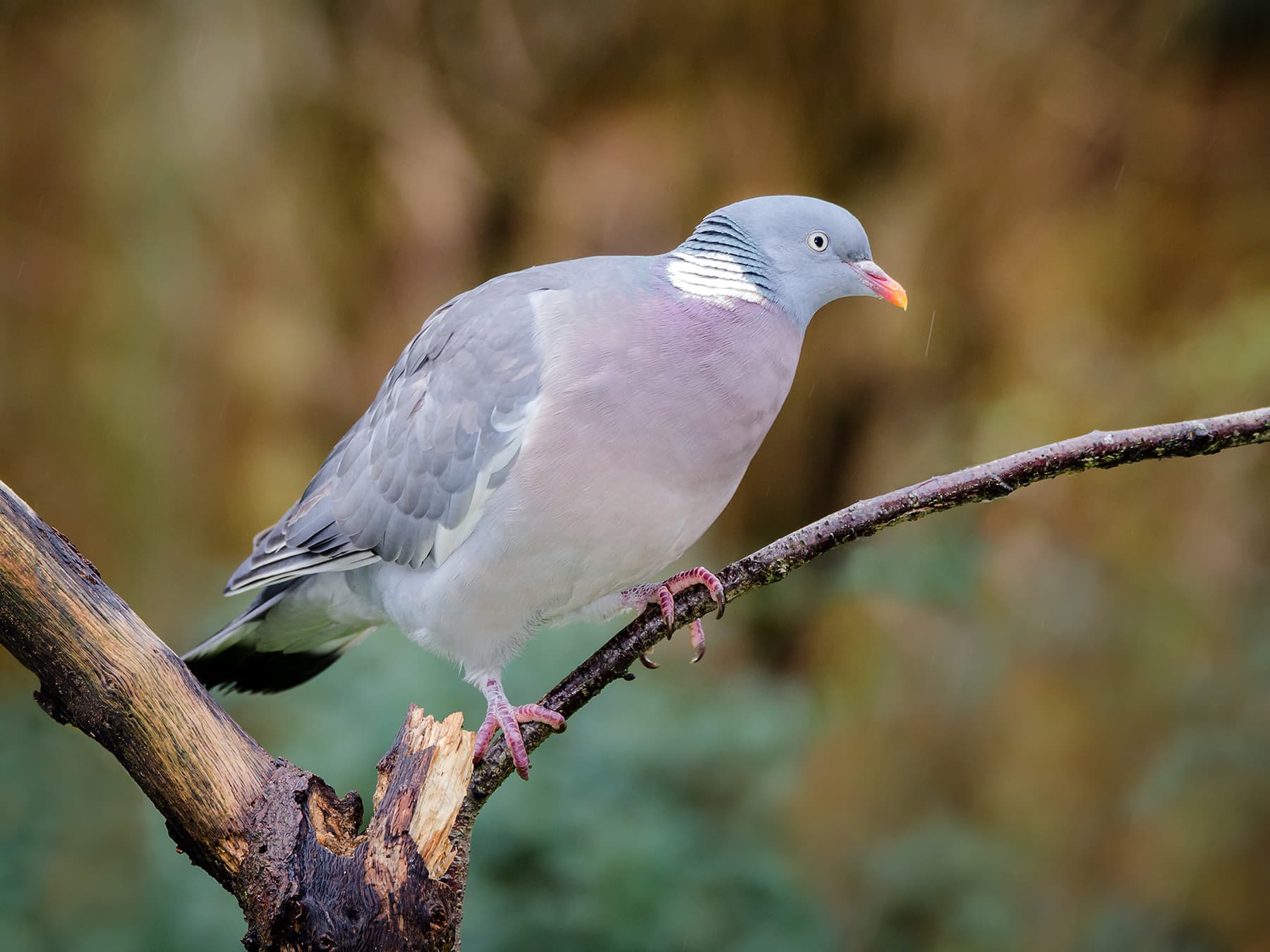
The Woodpigeon is the UK's largest and most common pigeon: grey and pink, with a white patch on each side of the neck and a white band across each wing that flashes when it flies. It lives all year in
The heavyweights of the London bird table, Woodpigeons are easily identified by their white neck patches and rhythmic, five-note cooing. They are highly adaptable, nesting on everything from balcony planters to traffic lights. A Woodpigeon's diet is highly varied, allowing them to thrive on discarded takeaways in the West End just as easily as they graze on clover in Regent's Park.
4. Starling
Common Starling
Sturnus vulgaris
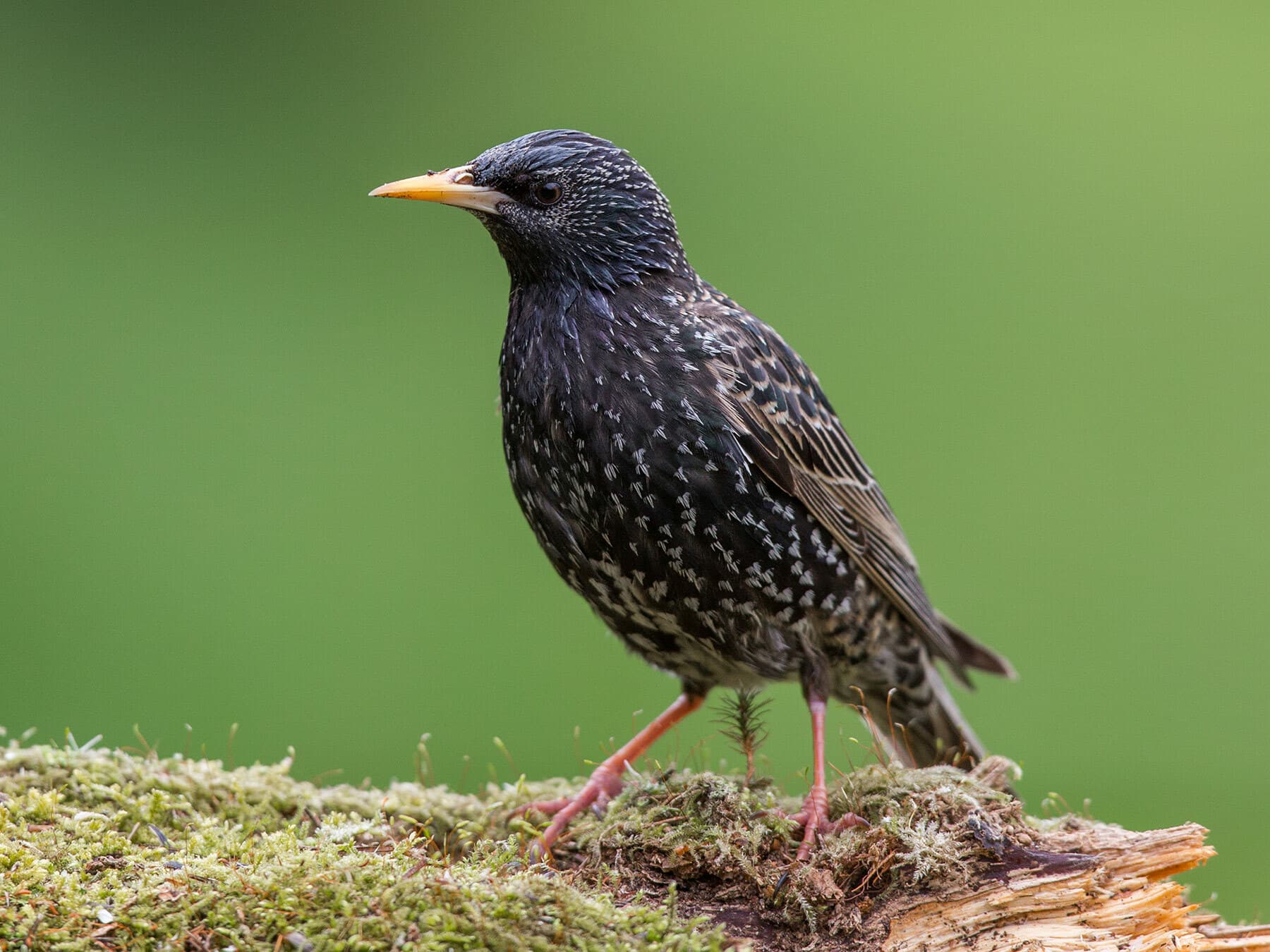
The Starling is one of Britain's most familiar garden birds and, as the European Starling, one of the commonest birds in North America. From a distance it looks black; close up it is glossy purple and
Though their overall UK numbers have declined, Starlings still gather in impressive winter roosts across the capital. Watch for their iridescent, oil-slick plumage catching the light as they march aggressively across park lawns, probing the soil for leatherjackets. In late autumn, you can sometimes spot their dense murmurations over the reedbeds of the London Wetland Centre in Barnes.
5. Feral Pigeon (Rock Dove)
Rock Dove
Columba livia
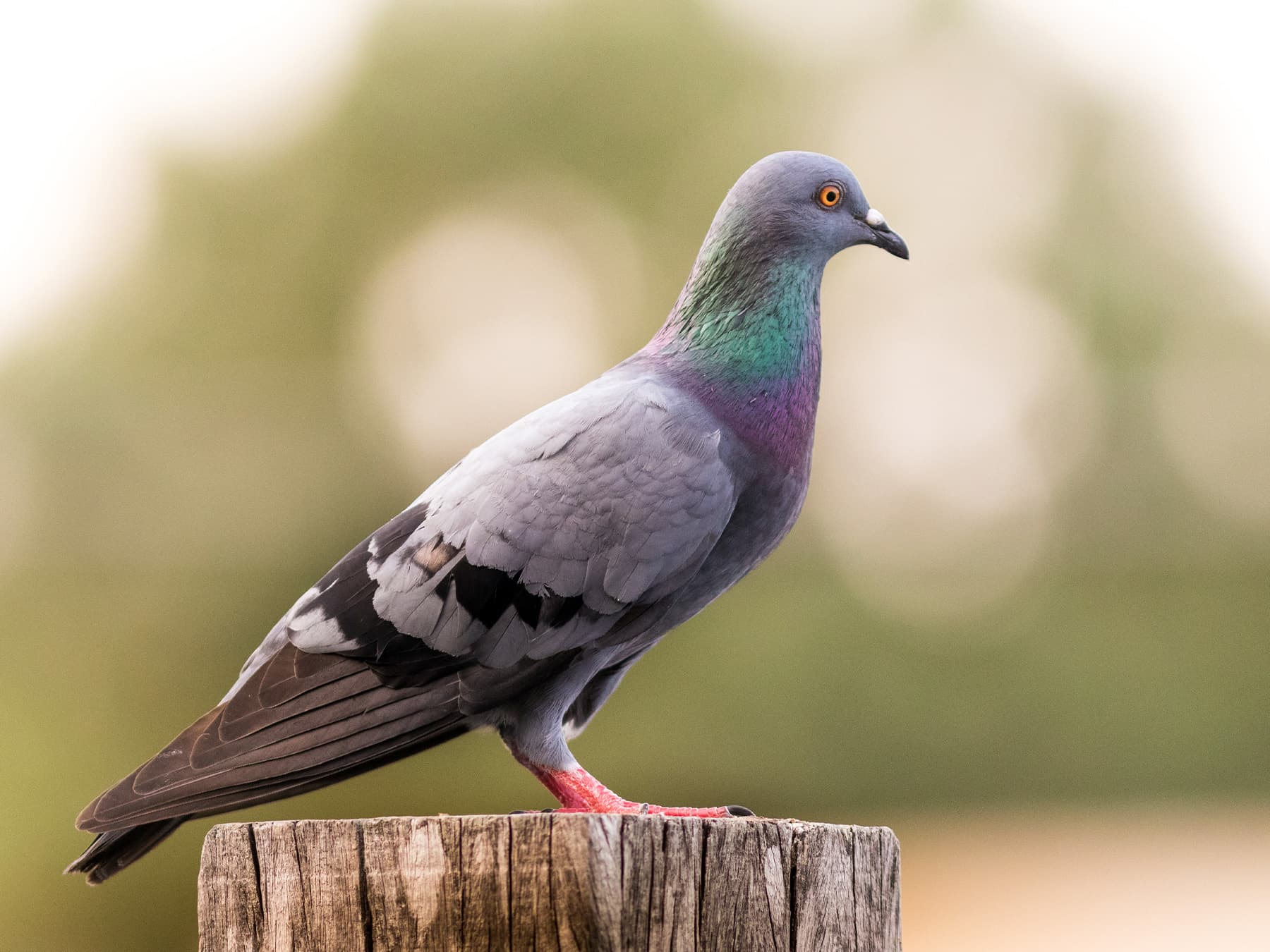
One of the world’s most widespread birds and has been valued and cherished by humans for at least five millennia. Domesticated and trained for sport and transporting messages, these birds originated i
Descended from wild Rock Doves, Feral Pigeons have swapped coastal cliffs for the ledges of St Paul's Cathedral and Waterloo Station. They breed year-round in the capital, sustained by discarded food and well-meaning tourists. Their plumage varies wildly, from the classic blue-grey with iridescent neck feathers to pure white, rusty red, and heavily chequered patterns.
6. Great Tit
Great Tit
Parus major
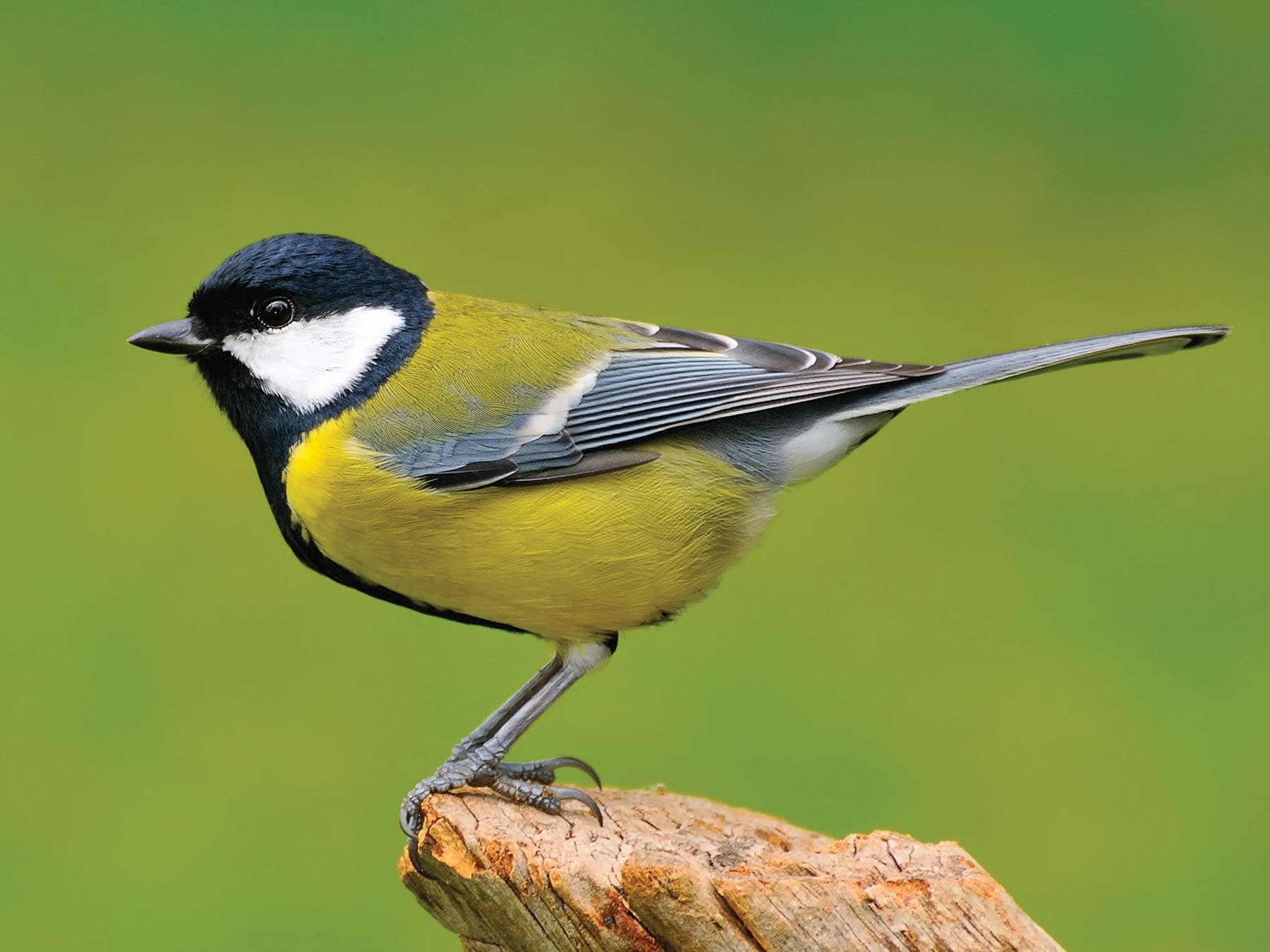
The Great Tit is the largest tit in the UK and one of its most familiar garden birds: a glossy black head with bright white cheeks, a yellow breast with a black stripe down the middle, and a loud, sha
Listen for their ringing, two-syllable 'tea-cher, tea-cher' call cutting through the traffic noise in early spring. The Great Tit is the largest of the UK tits, distinguished by a glossy black head, white cheeks, and a bold black stripe running down its yellow breast. They are bold and aggressive at feeders, quickly seeing off smaller birds to claim the best sunflower hearts.
7. Magpie
Magpie
Pica pica
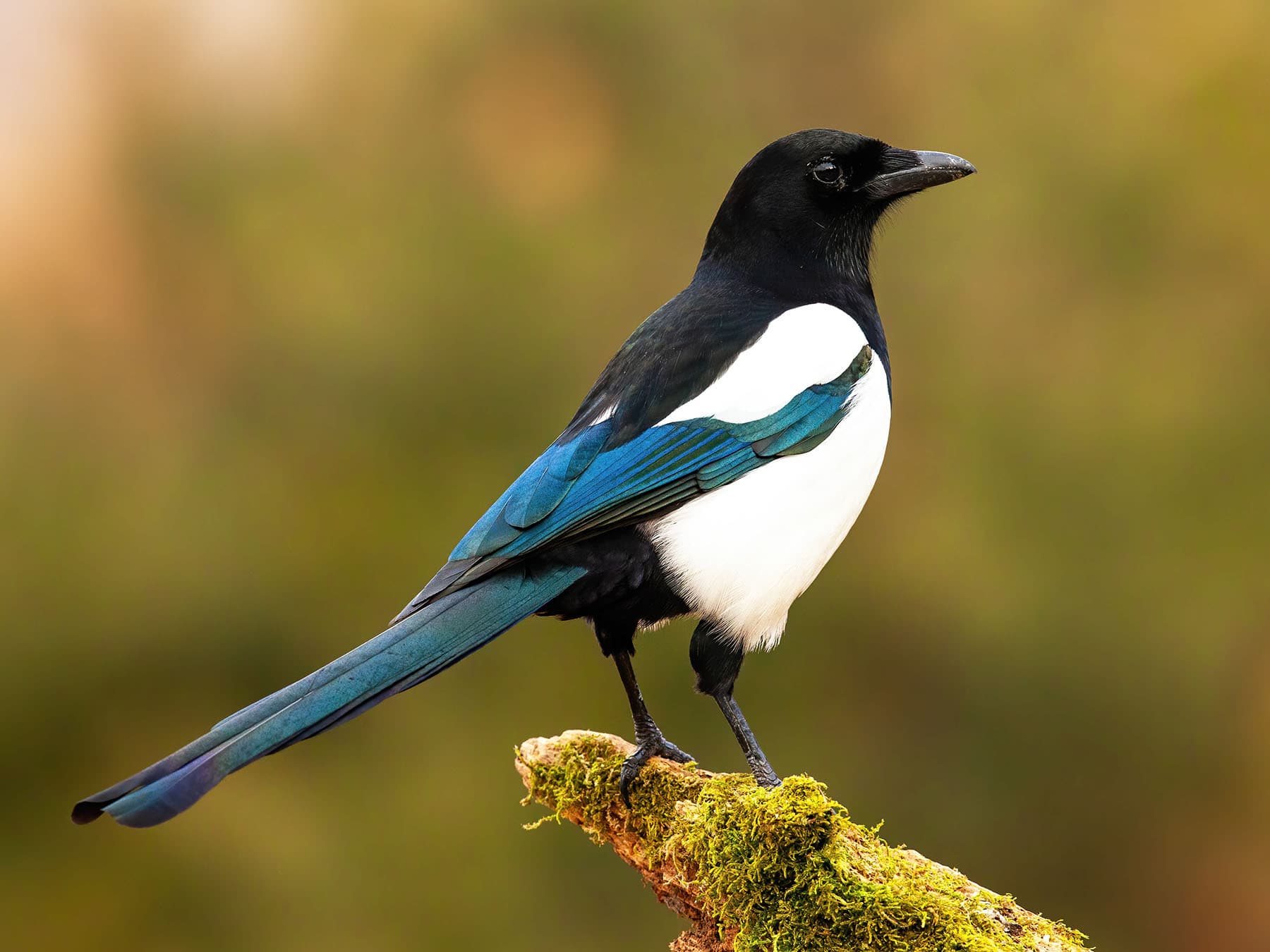
The Magpie is a black-and-white member of the crow family with a long, glossy tail and a loud, rattling chatter. It lives all year across most of Britain and Ireland, on farmland and in parks, gardens
With their striking black-and-white plumage and long, wedge-shaped tails, Magpies are unmistakable. These highly intelligent corvids thrive in London's parks, where they scavenge efficiently and build large, domed nests high in the canopy. They are frequently seen patrolling the edges of roads early in the morning, taking advantage of roadkill before the heavy traffic begins.
8. Robin
European Robin
Erithacus rubecula
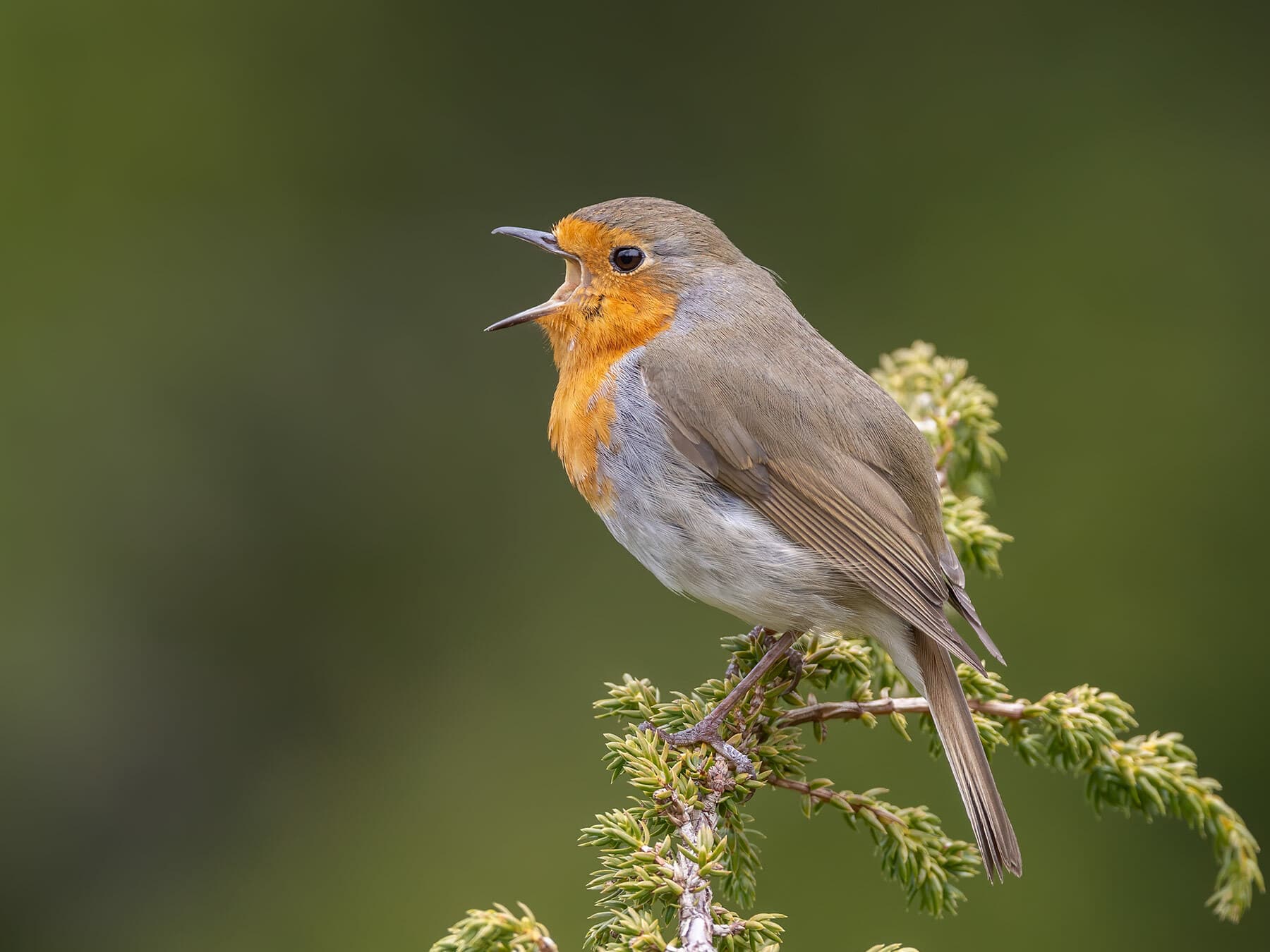
The Robin is the small, round bird with an orange-red breast that follows you round the garden. It lives in Britain and Ireland all year, sings in almost every month, and males and females each defend
Robins hold their territories year-round, singing even under the glow of London's streetlights in mid-winter. They are famously bold, often dropping down just feet away from gardeners turning the soil in allotments across the city. They are actually listening and watching for the movement of earthworms disturbed by the digging.
9. Blackbird
Blackbird
Turdus merula
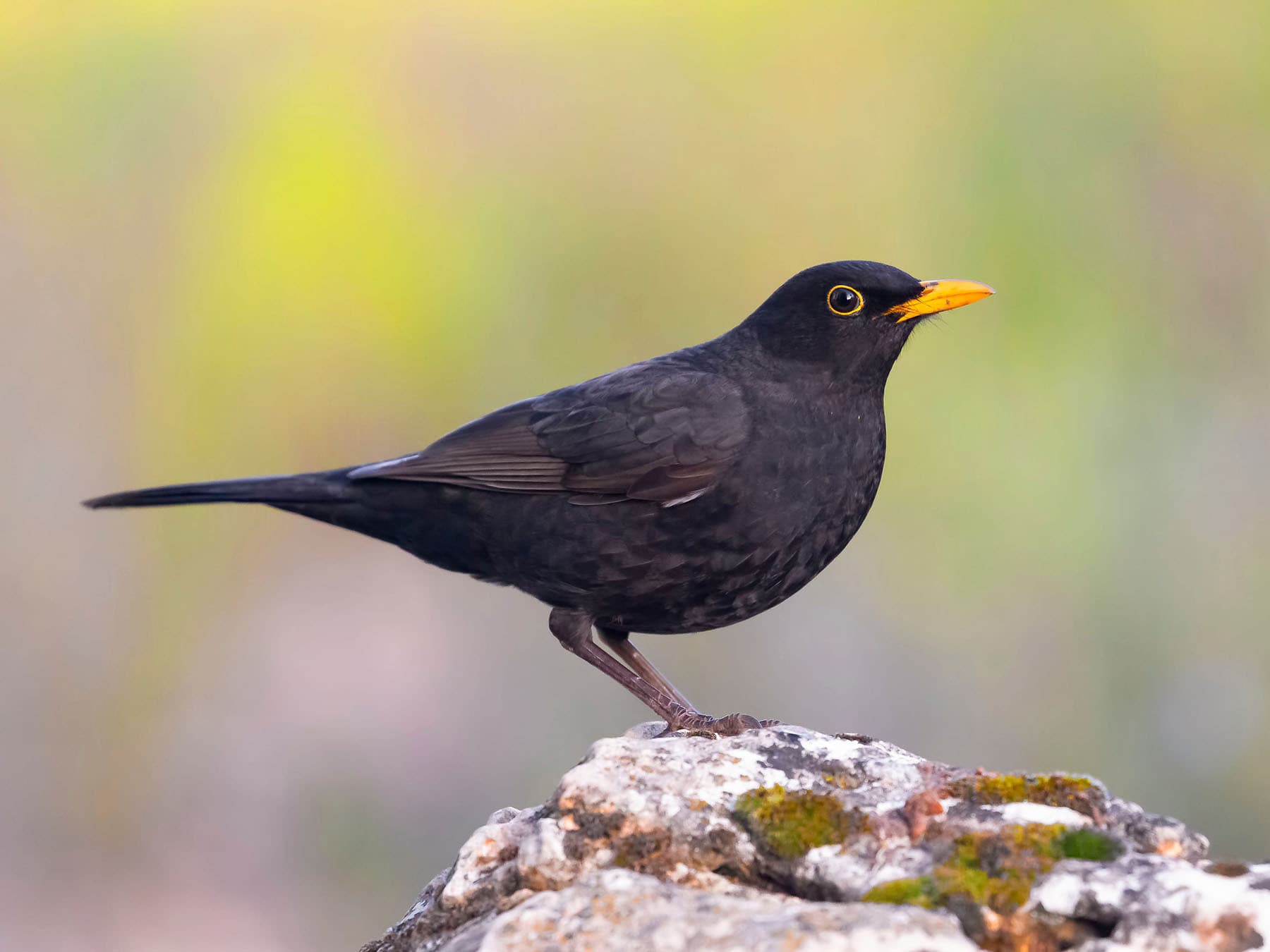
The Blackbird is one of the commonest birds in Britain and Ireland, at home in gardens, parks, hedgerows and woods all year. The male is black with an orange-yellow bill and eye-ring; the female is da
The mellow, fluting song of the male Blackbird is the definitive sound of a London summer evening. You will typically spot them hopping across damp lawns in places like Hyde Park, pausing with their heads tilted to locate prey. The males are entirely black with a bright yellow eye-ring and beak, while the females are a mottled, dark brown.
10. Goldfinch
European Goldfinch
Carduelis carduelis
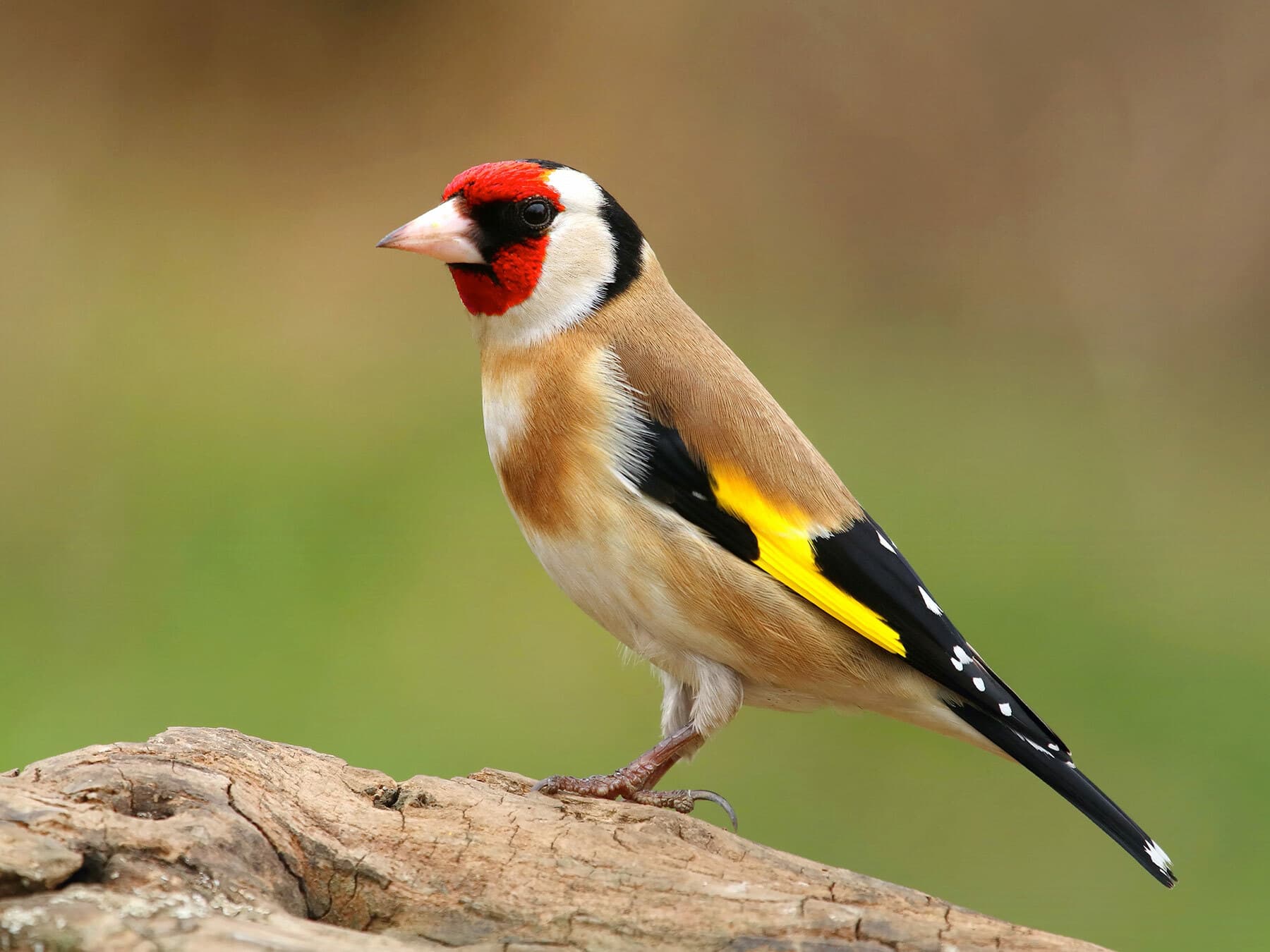
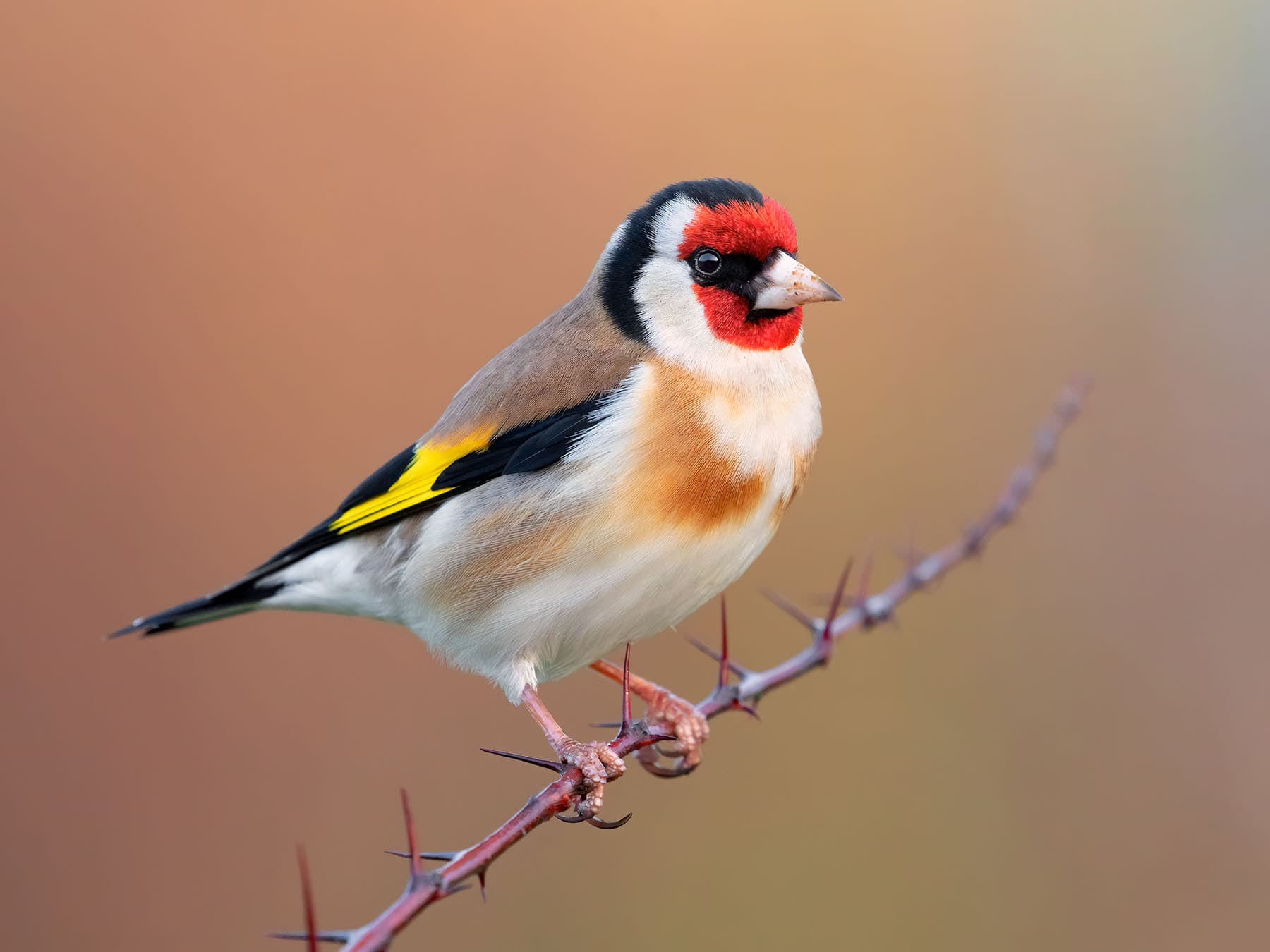
The Goldfinch is a small, sociable finch with a red face, a black-and-white head and a broad gold band across black wings, found in gardens, parks, orchards and rough ground across Britain and Ireland
A flash of crimson and gold, these finches move in small flocks known as 'charms'. They have adapted well to urban life, frequently visiting hanging feeders filled with nyjer seed in suburban gardens. In late summer, you can often find them clinging to teasel heads and lavender bushes in London's municipal flowerbeds, expertly extracting the tiny seeds.
11. Long-tailed Tit
Long-tailed Tit
Aegithalos caudatus
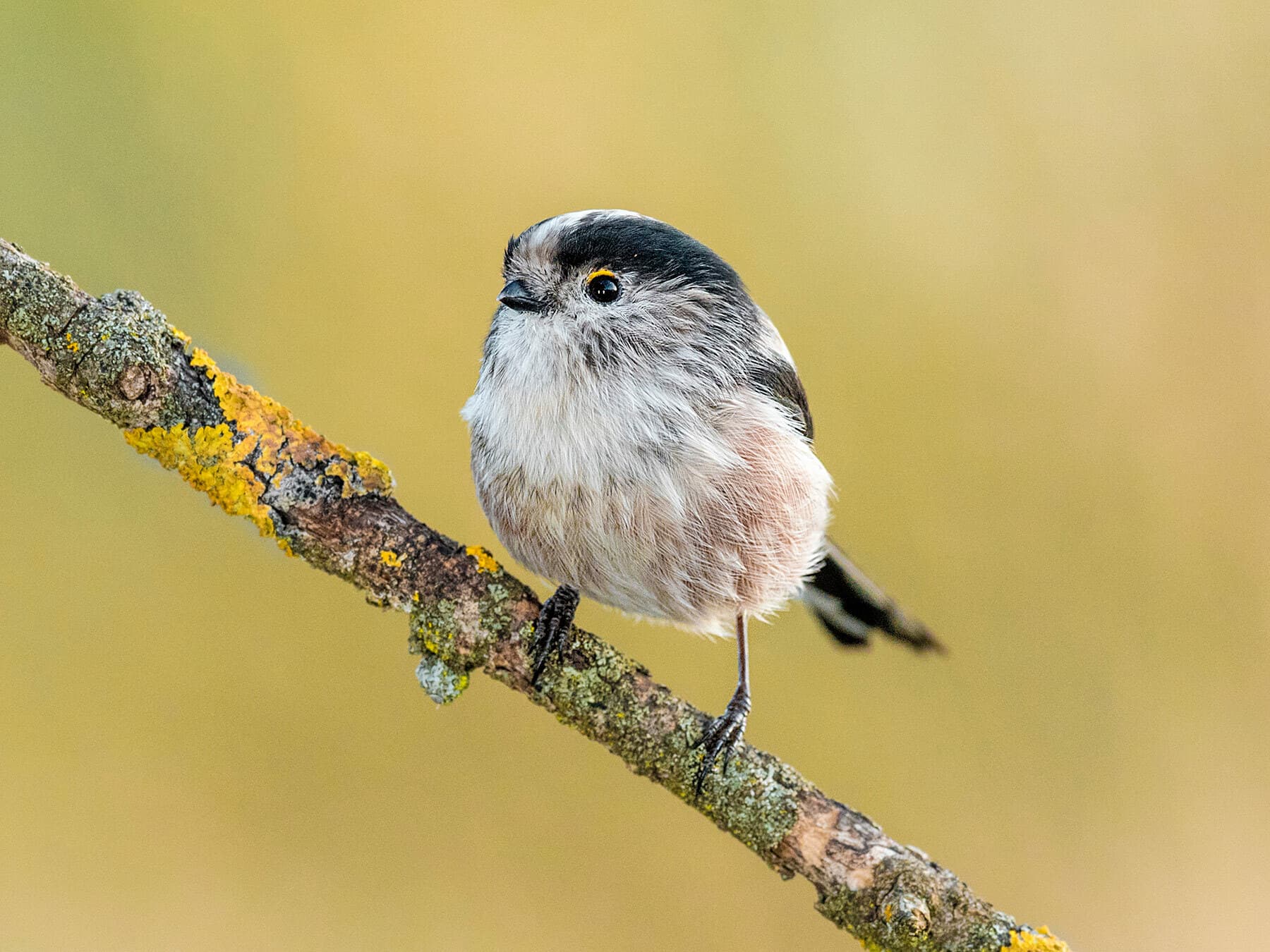
The Long-tailed Tit is a tiny, round bird with a tail longer than its body, in black, white and dusky pink. It lives in Britain and Ireland all year, in woods, hedges, scrub and gardens, and is usuall
Looking like tiny lollipops with tails, Long-tailed Tits rarely sit still. They travel through London's green corridors in restless, trilling family groups, meticulously picking aphids and spiders from the outer branches of trees. In winter, they huddle together in a row along a branch to share body heat, a survival strategy crucial for a bird weighing just 9 grams.
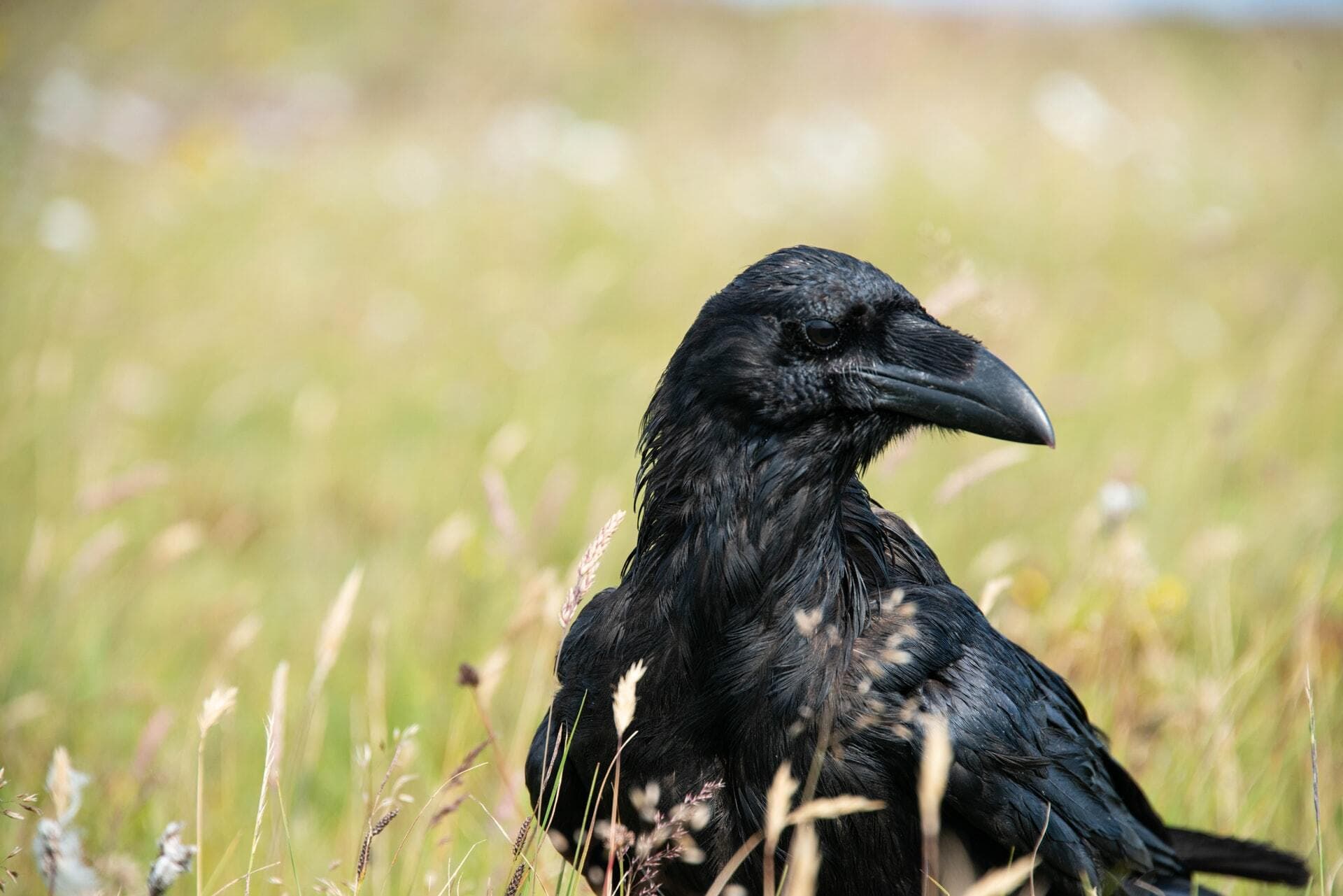
12. Carrion Crow
Carrion Crow
Corvus corone
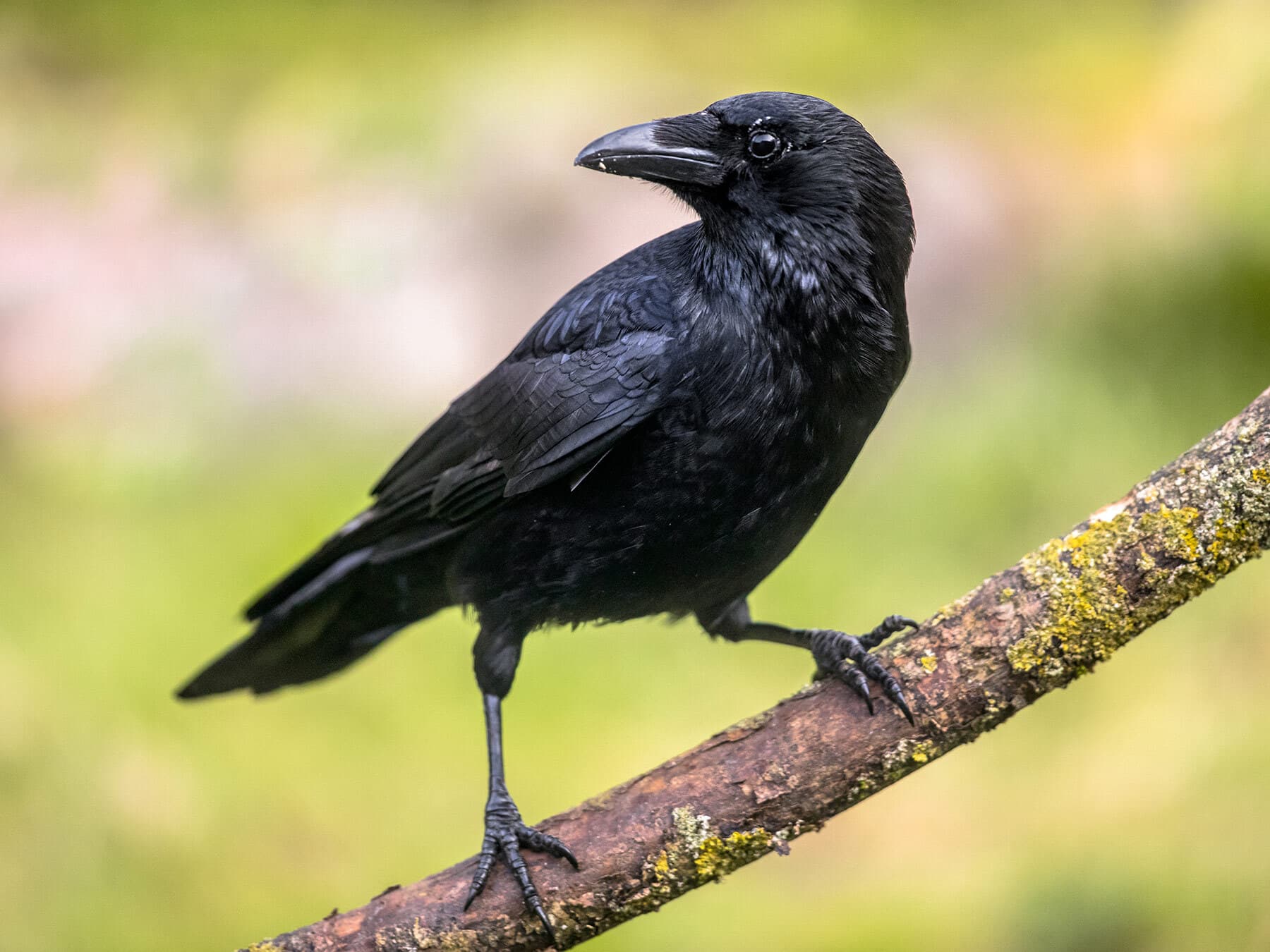
The Carrion Crow is the all-black crow of British fields, towns and gardens: big and glossy, black from bill to feet, usually seen alone or in pairs, with a harsh, repeated 'kraa'. It lives here all y
Highly resourceful, Carrion Crows patrol the Thames foreshore at low tide and expertly raid overflowing park bins. They are entirely black, lacking the grey nape of the Jackdaw or the bare face patch of the Rook. You will often see them dropping hard-shelled nuts or molluscs onto the pavement from a height to crack them open.
13. Coal Tit
Coal Tit
Periparus ater
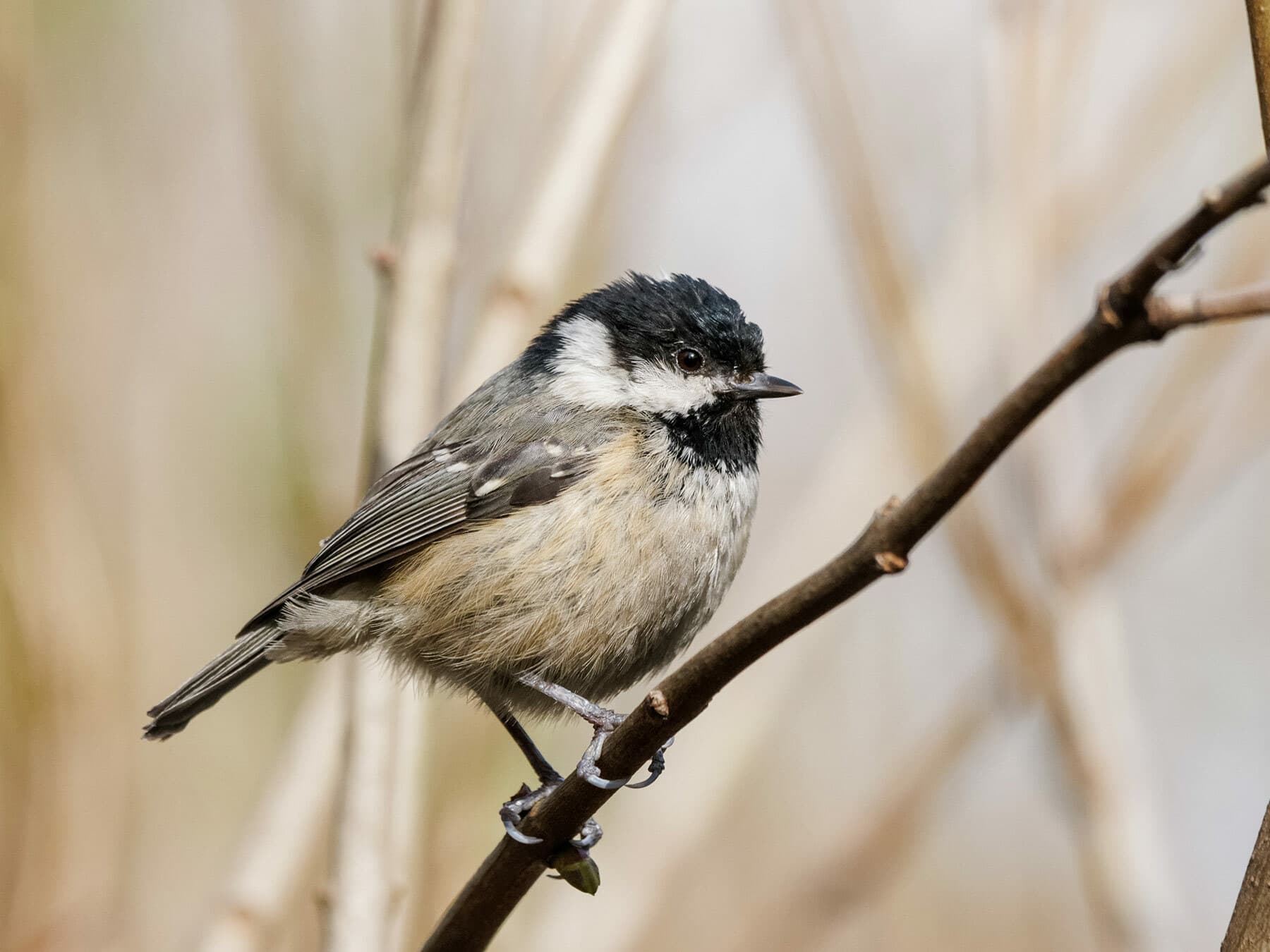
The Coal Tit is a tiny tit, about 9 g: a grey-backed bird with a black cap, white cheeks and a white patch on the back of its head. It lives in conifer woods, parks and gardens all year, and at the fe
Smaller and more hyperactive than the Great Tit, the Coal Tit is distinguished by a bold white patch on the back of its neck. They favour parks with mature conifers, frequently darting in to snatch a seed from a feeder before retreating to a high branch to eat it. They are known to cache surplus food in tree bark to retrieve during harsher winter weather.
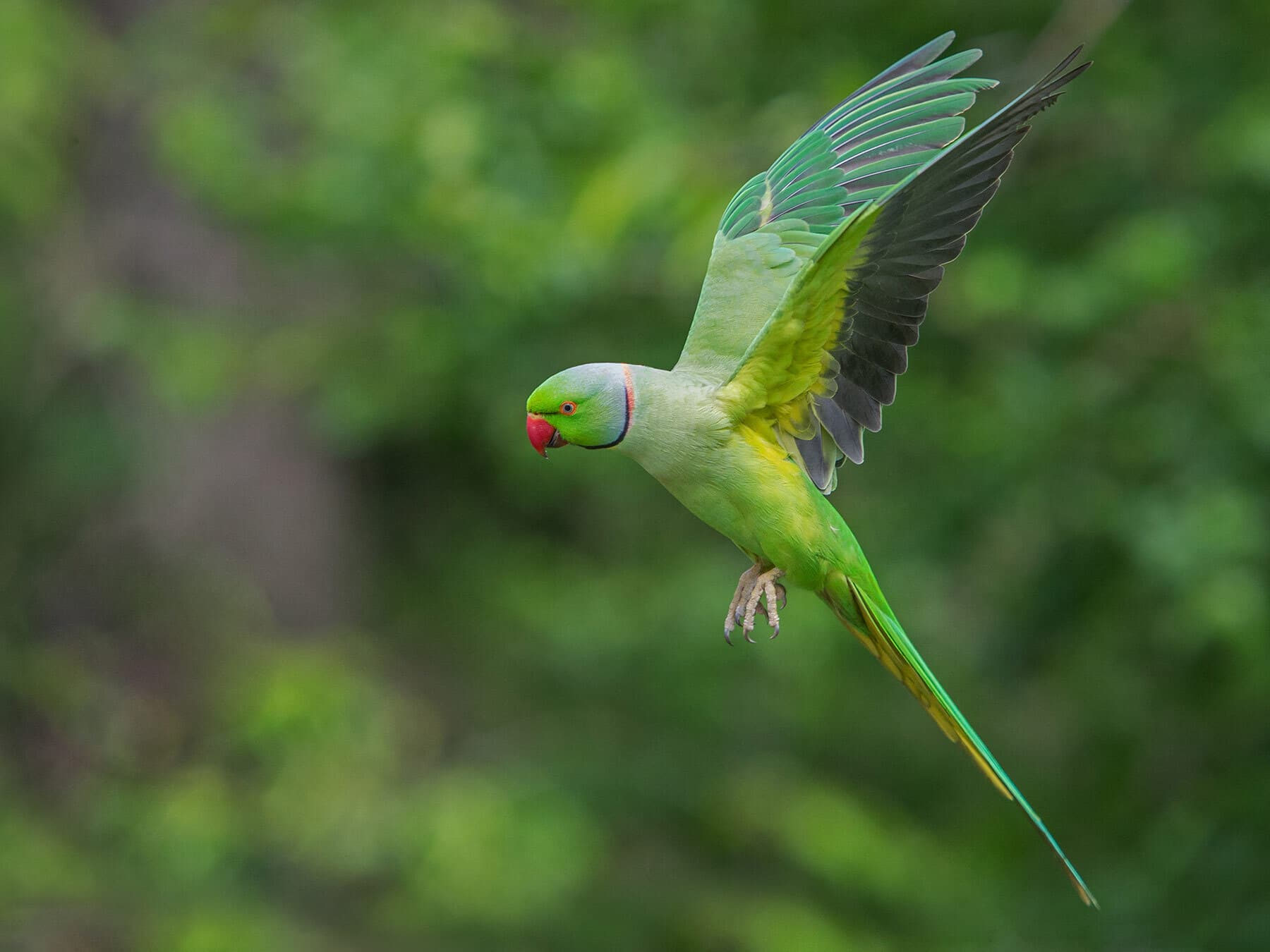
14. Ring-necked Parakeet
Rose-ringed Parakeet
Psittacula krameri
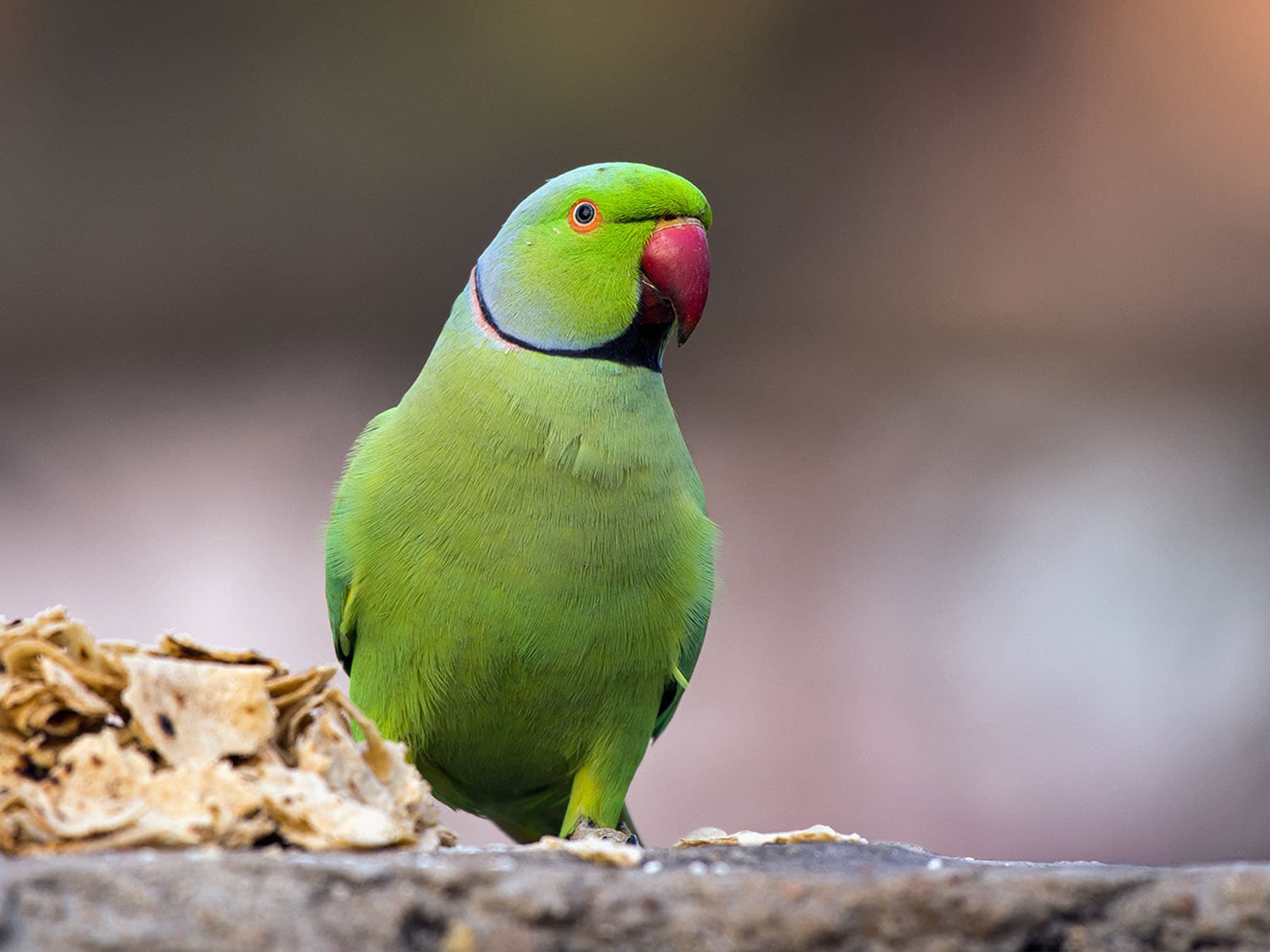
This loud and vibrant green parrot, originally from Africa and Asia, has become a familiar sight in urban parks and gardens worldwide.
London's loudest and most controversial residents. These bright green, long-tailed parrots gather in massive, noisy roosts in places like Kensington Gardens and Richmond Park. Originally escaped pets, they have thrived in the capital's mild microclimate, feeding heavily on buds, berries, and bird-table offerings.
15. Collared Dove
Eurasian Collared Dove
Streptopelia decaocto
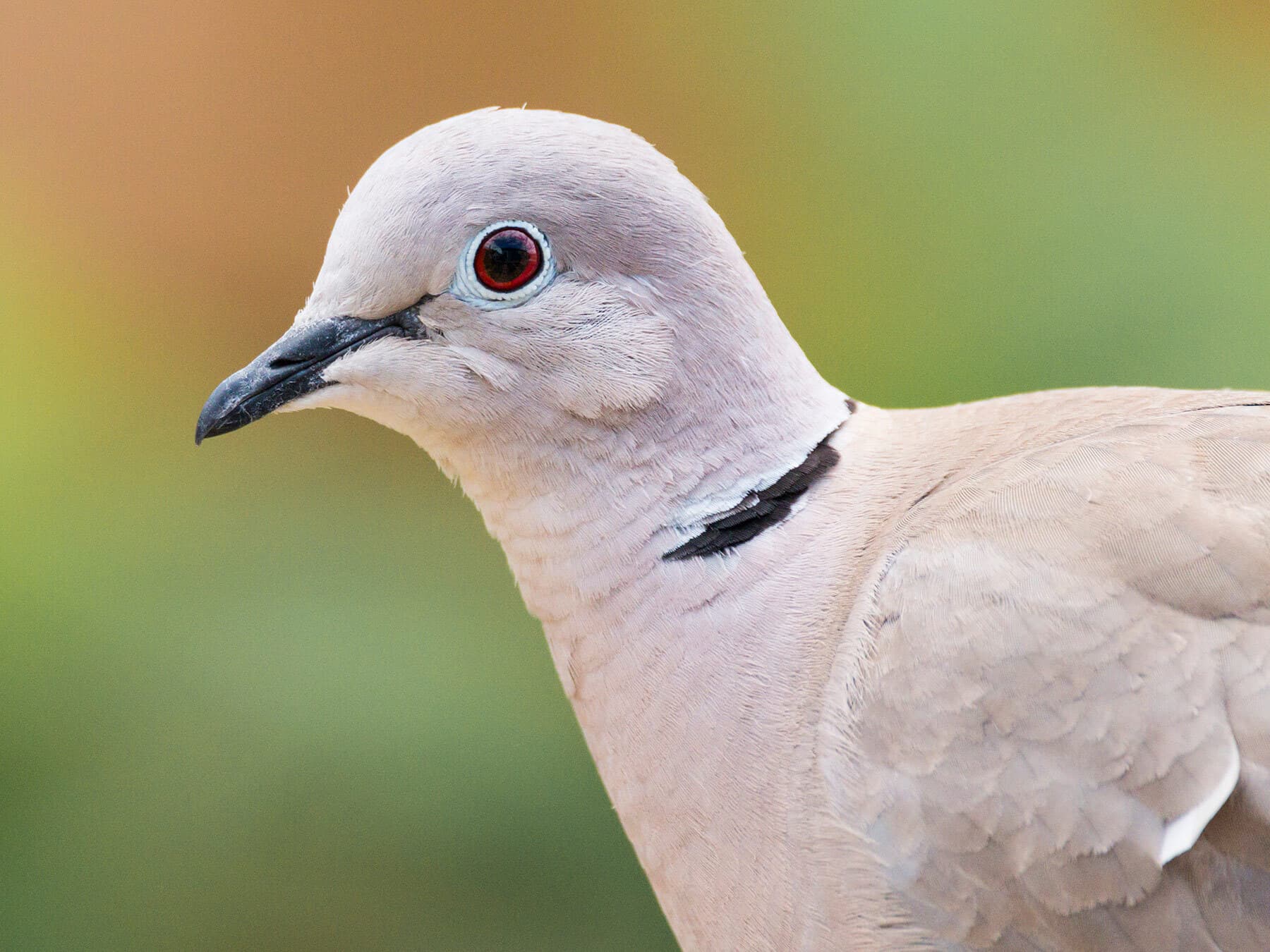
The Collared Dove is a pale, sandy-grey dove with a narrow black collar on the back of its neck, a familiar bird of towns, villages and gardens. It was first recorded in Britain in 1955 and is now fou
A pale, sandy-grey dove with a distinct black half-collar, they are a fixture of London's quieter, leafy suburbs. Their rhythmic, three-note cooing is a constant background sound in boroughs like Bromley and Barnet. They typically feed on the ground, sweeping up the seeds and grains dropped by other birds from hanging feeders.
16. Dunnock
Dunnock
Prunella modularis
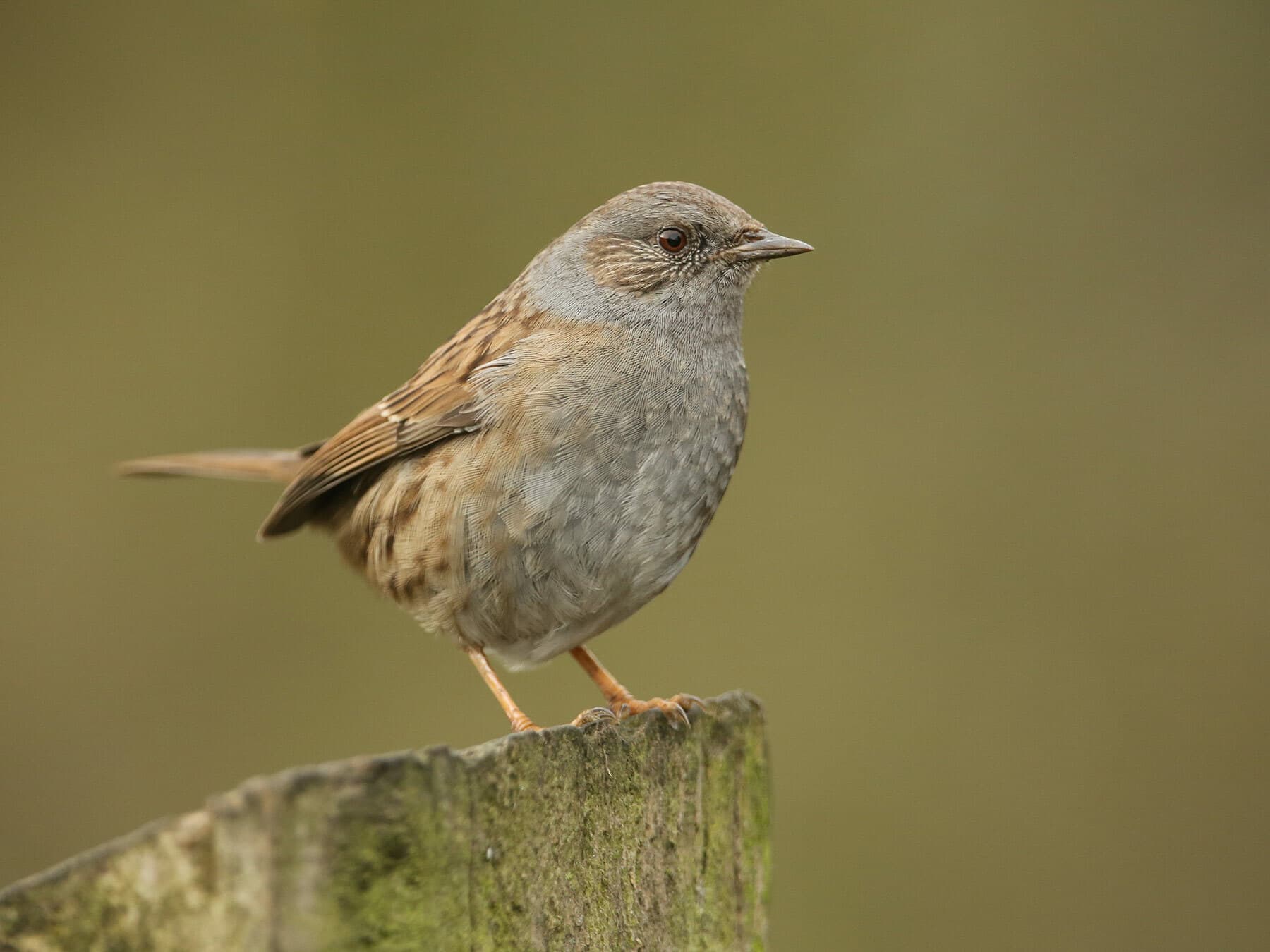
The Dunnock is a quiet, sparrow-sized bird with a grey head and breast and a streaked brown back, usually seen shuffling about under shrubs and hedges in gardens, parks and woods across Britain and Ir
Often dismissed as a 'little brown bird', the Dunnock is a quiet, ground-feeding specialist. They shuffle nervously under hedges and beneath bird tables, picking up the tiny seeds dropped by messier feeders above. They have a slender, insect-eating beak, distinguishing them from the thicker-billed House Sparrow.
17. Chaffinch
Chaffinch
Fringilla coelebs
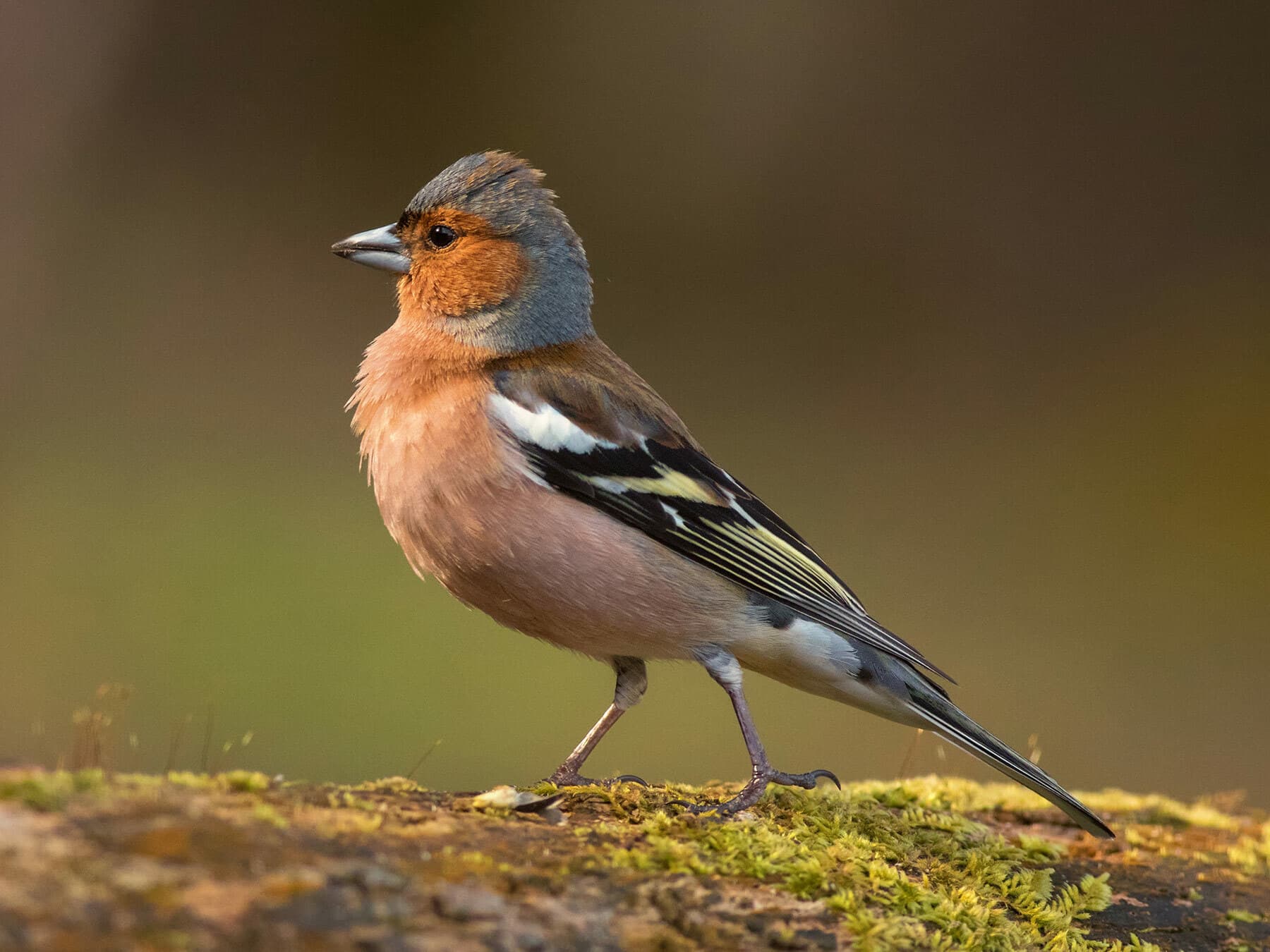
The Chaffinch is one of the commonest birds in Britain and Ireland, found in gardens, parks, woods and hedgerows all year. Both sexes show bold white wing bars; the male adds a blue-grey cap and a pin
While less common in the concrete centre, Chaffinches are abundant in the greener outer boroughs. The male is a handsome bird with a pinkish breast and slate-blue cap, easily spotted by the flashing white bars on his wings when he flies. They rarely feed directly from hanging feeders, preferring to hop around on the ground beneath them.
18. Wren
Eurasian Wren
Troglodytes troglodytes
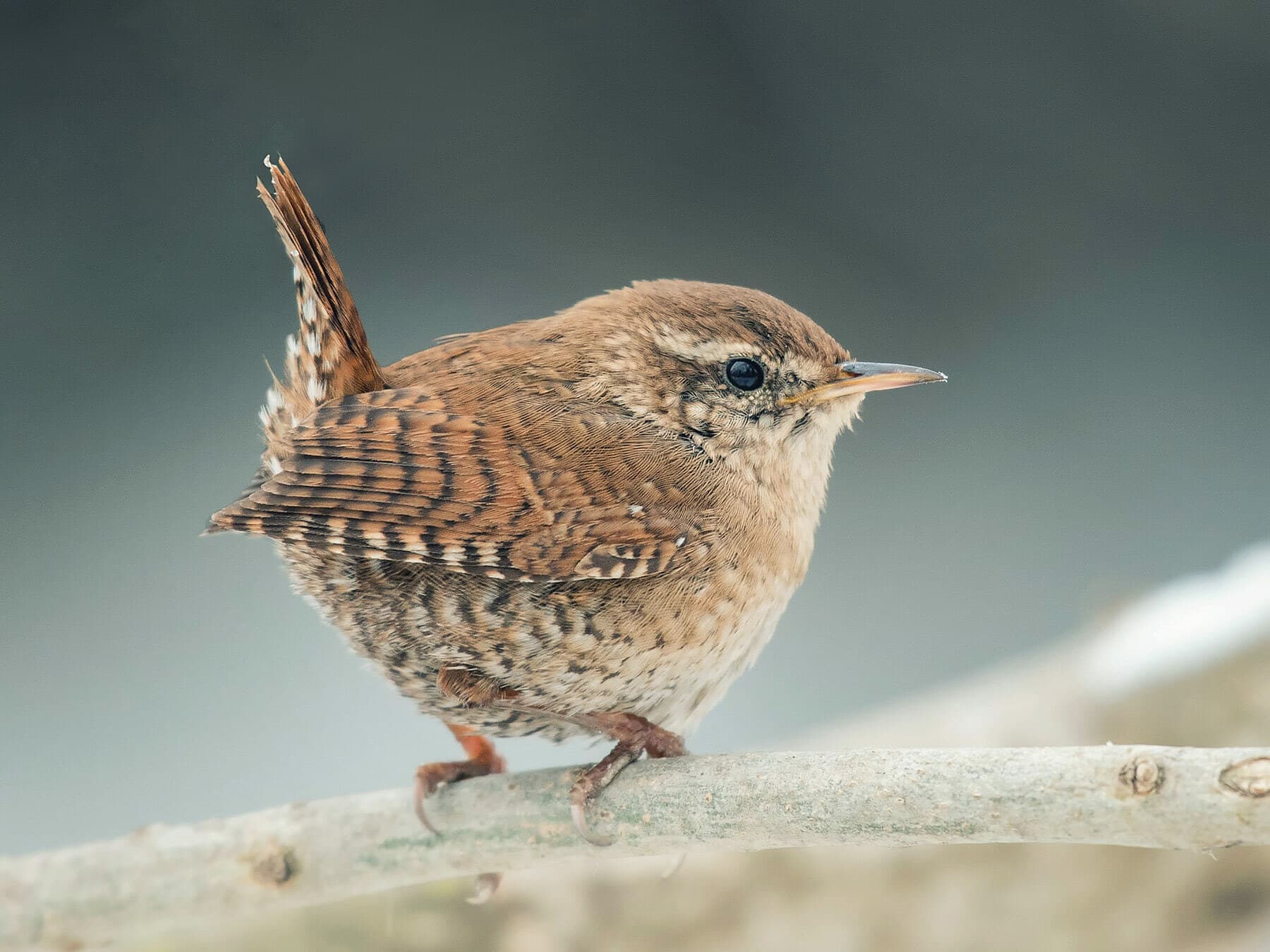
The Wren is a tiny, round brown bird with a short tail cocked straight up and a song far louder than its size. It lives all year in woods, hedges and gardens across Britain and Ireland, and it is the
Despite weighing just 10 grams, the Wren delivers a song that carries for over 500 metres, often ending in a rapid trill. They stick to the shadows, creeping mouse-like through brambles and log piles in London's larger gardens and cemeteries. Their scientific name, Troglodytes, means 'cave dweller', a nod to their habit of foraging in dark, hidden crevices.
19. Jackdaw
Jackdaw
Coloeus monedula
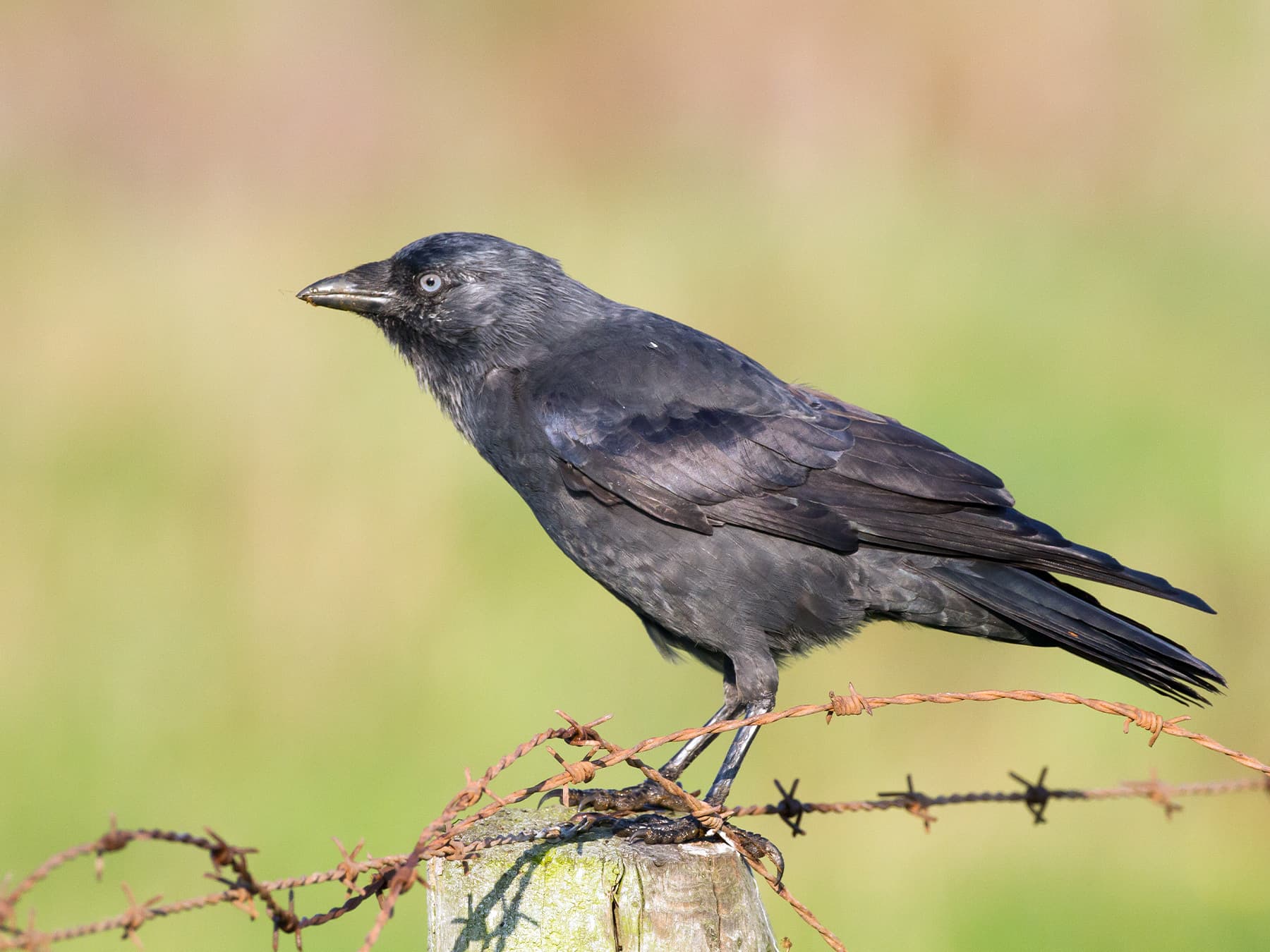
This clever corvid, with its piercing pale eyes and distinctive grey nape, thrives in urban environments across Europe and western Asia.
The smallest of the London corvids, Jackdaws are distinguished by their pale silver eyes and grey napes. They are highly sociable, often nesting in the chimney pots of Victorian terraces and foraging alongside Rooks in open parkland. Listen for their sharp, metallic 'chyak' call as they fly overhead in pairs or small flocks.
20. Greenfinch
Greenfinch
Chloris chloris
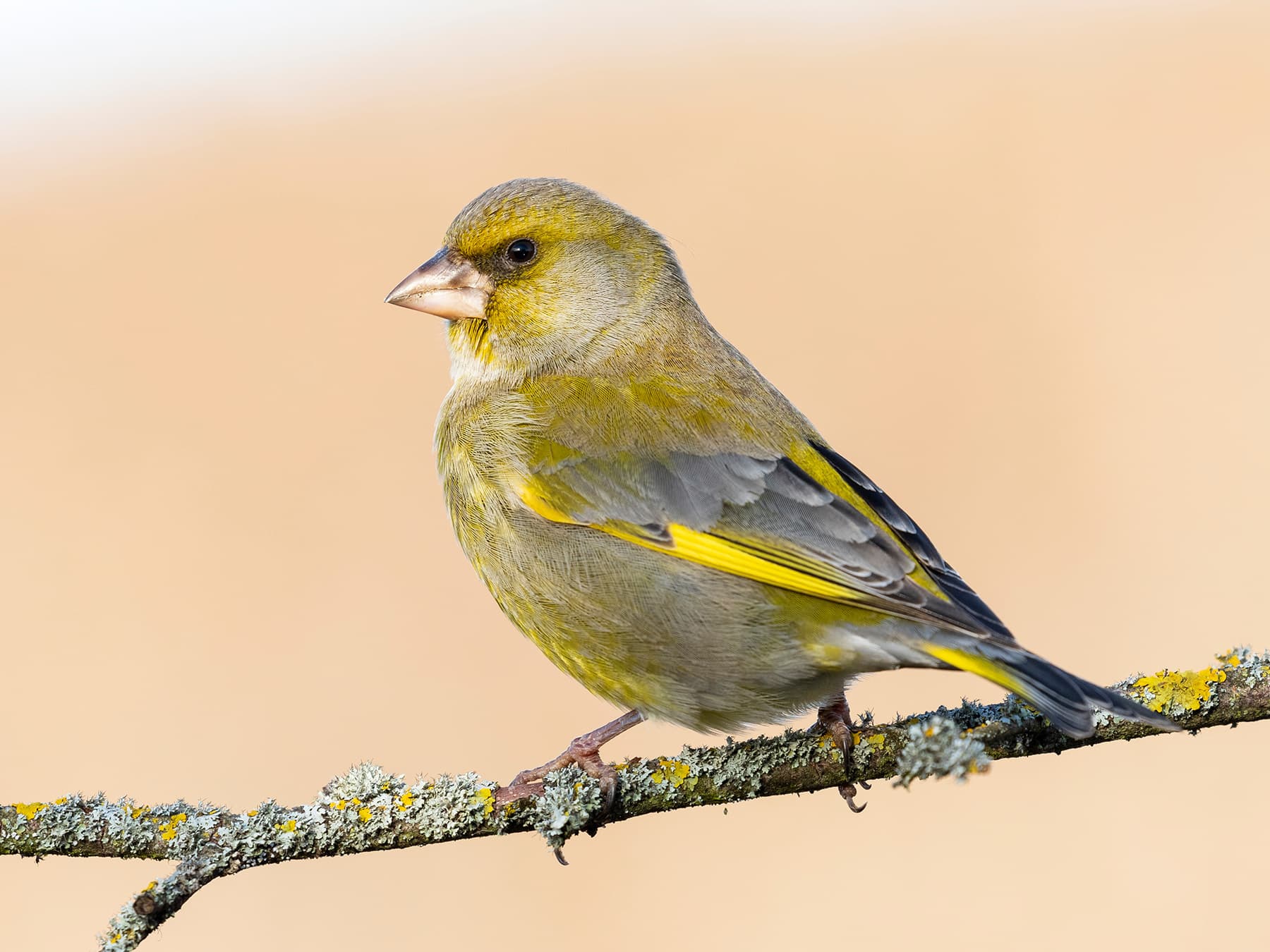
The Greenfinch is a stocky, olive-green finch with a heavy pale bill and a flash of yellow in its wings and tail, found in gardens, villages, parks and farmland across Britain and Ireland all year. On
A chunky, olive-green finch with bright yellow wing flashes. Though their populations have been hit hard by the trichomonosis parasite in recent years, they are still regular visitors to sunflower seed feeders in London gardens. Their wheezing, drawn-out call is a familiar sound in suburban parks during the spring breeding season.
Seasonal Changes in London's Birdlife
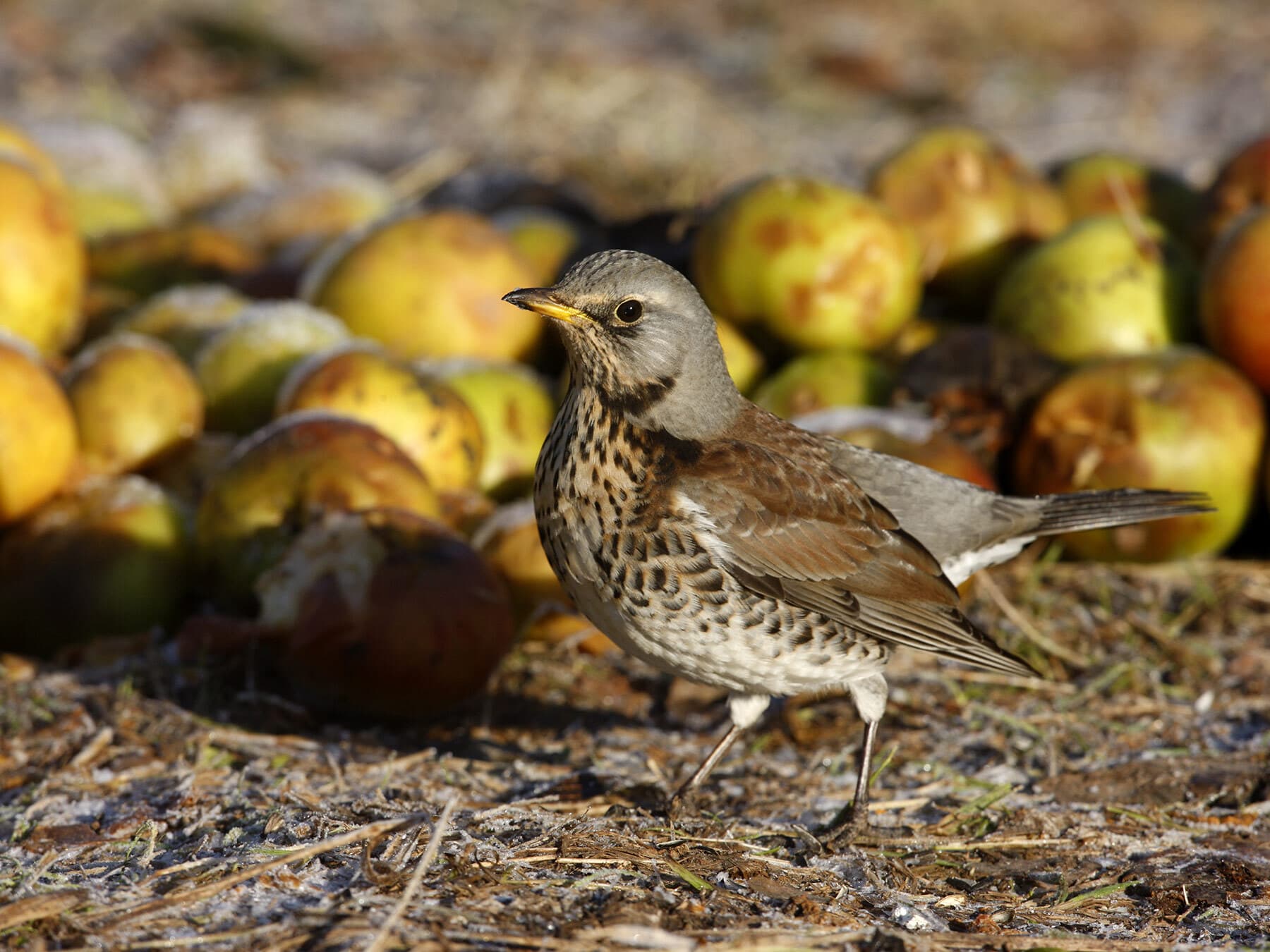
As the months change, the cast of characters across the capital shifts. Winter brings an influx of thrushes like Redwings and Fieldfares, which arrive from Scandinavia to strip berries from rowan and hawthorn trees in places like Hampstead Heath and Epping Forest. The colder months also push woodland species like the Great Spotted Woodpecker and Nuthatch closer to suburban gardens in search of suet and peanuts.
In summer, the skies above Islington, Hackney, and Wandsworth fill with screaming parties of Swifts. These highly aerial birds return from Africa in May to nest under the eaves of older Victorian and Edwardian buildings, spending their entire lives on the wing. You might also hear the scratchy, melodic song of the Blackcap echoing from thick bramble patches in local nature reserves.
Best Parks and Hotspots for Birdwatching
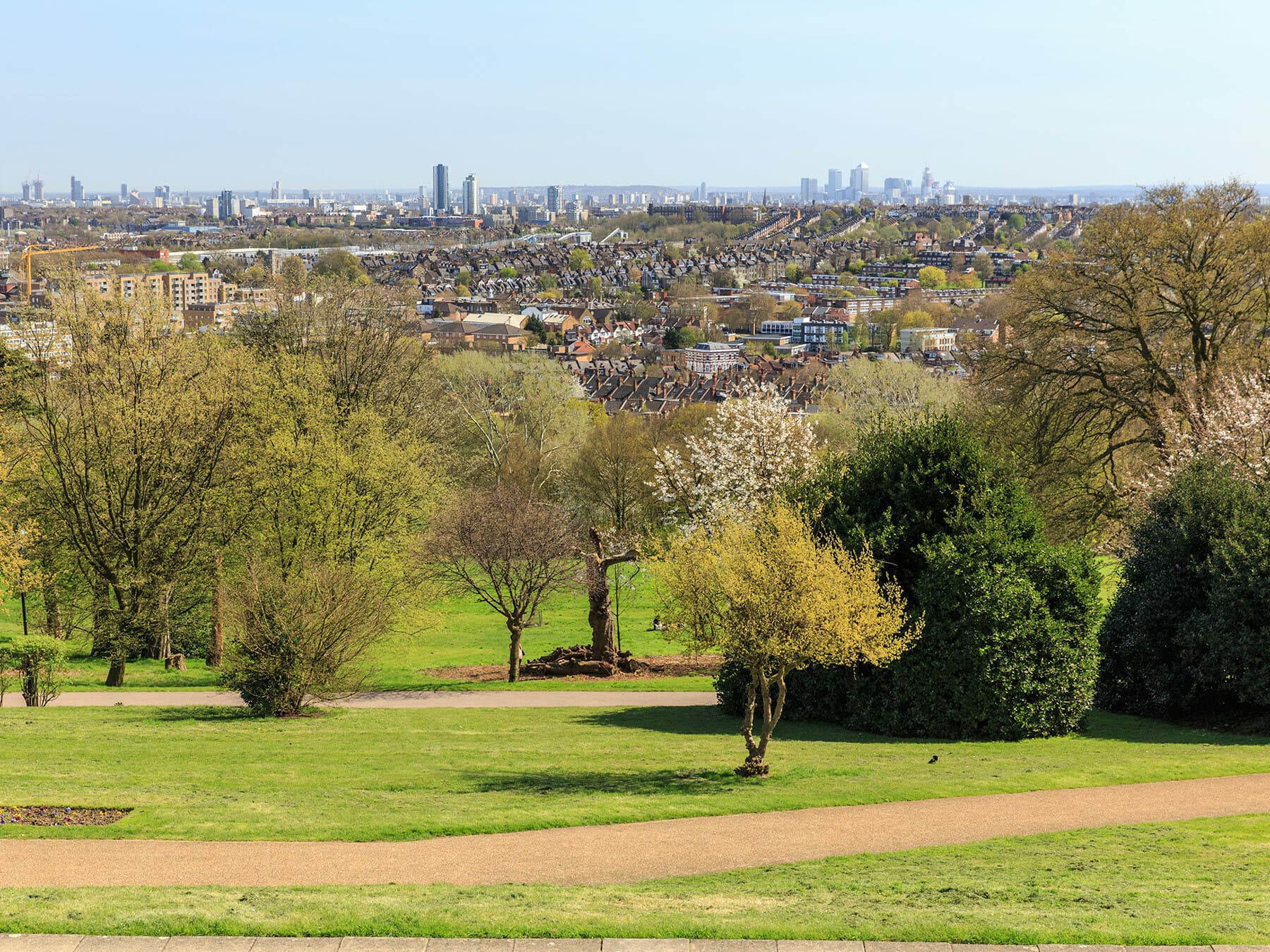
You do not need to leave the M25 to experience excellent birdwatching. Richmond Park is famous for its ancient oaks, which support large populations of Jackdaws, parakeets, and woodpeckers. The London Wetland Centre in Barnes offers a completely different habitat; its carefully managed reedbeds and lagoons attract wintering Bitterns, Shovelers, and even the occasional Kingfisher.
For central London birding, St James's Park is hard to beat. Alongside the famous resident pelicans, the lake supports a huge variety of waterfowl, while the surrounding trees are packed with tits, finches, and surprisingly tame Robins. In the north, the varied topography of Hampstead Heath provides woodland, heath, and ponds, making it a reliable spot for spotting Kestrels hovering over the long grass.
How to Attract Birds to Your London Garden
Urban gardens act as vital stepping stones for wildlife moving through the city. To attract a wider variety of birds, focus on providing consistent food and clean water. A hanging feeder filled with sunflower hearts will quickly draw Blue Tits, Great Tits, and Goldfinches, while a ground feeder with scattered oats and raisins will appeal to Blackbirds and Robins.
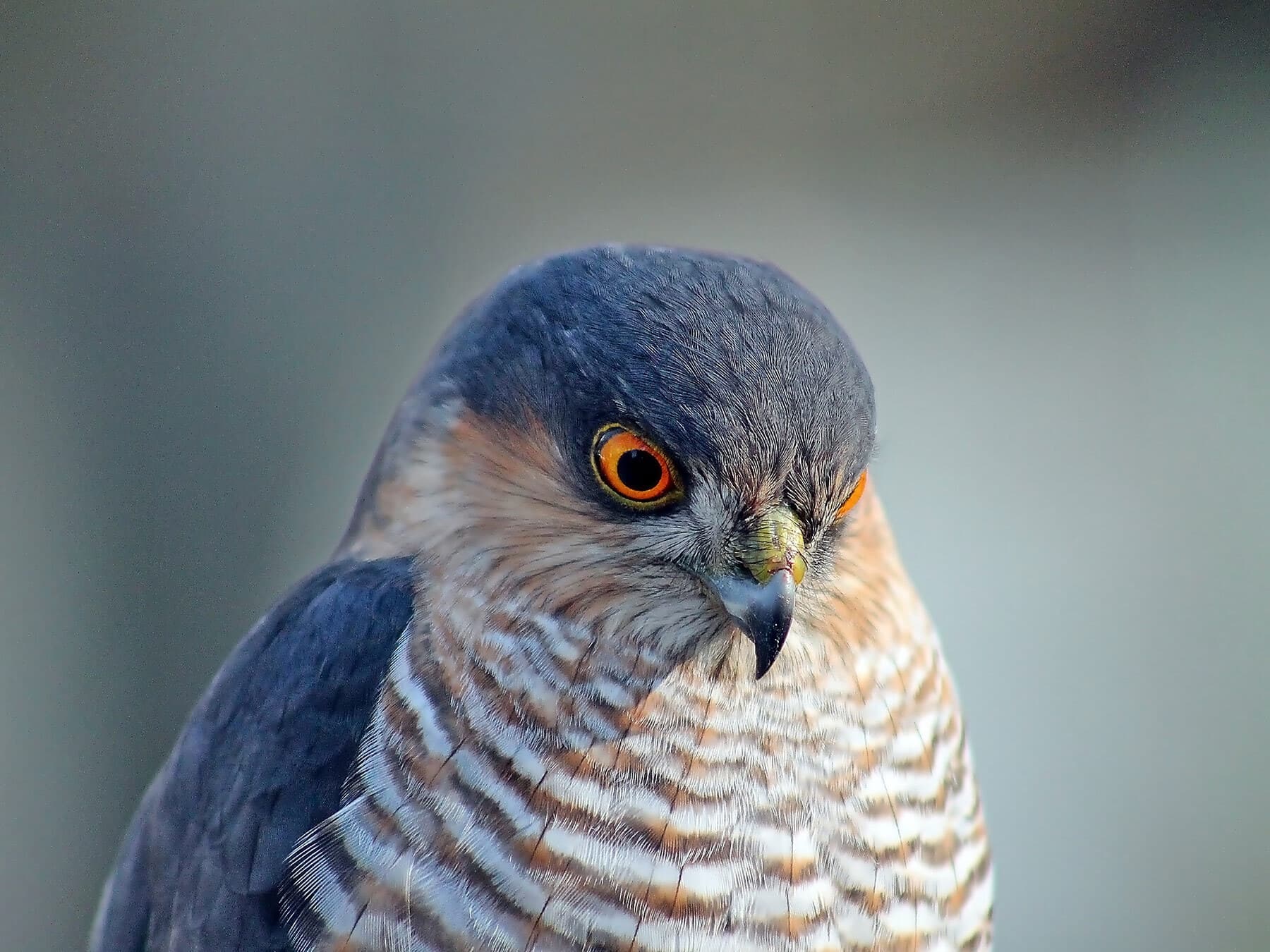
Water is particularly crucial in London, where the 'urban heat island' effect can make summer days significantly hotter than the surrounding countryside. A shallow bird bath, cleaned regularly to prevent disease, will attract birds that might never visit a seed feeder. Finally, planting dense, native shrubs like hawthorn or ivy provides essential cover from urban predators like domestic cats and Sparrowhawks.
Frequently Asked Questions
What rare birds can be spotted in London?
London hosts several surprising species. The Black Redstart, a rare bird in the UK, specifically seeks out industrial sites, power stations, and brownfield areas along the Thames, treating the rubble and scaffolding like the rocky alpine slopes of its natural habitat. The city also supports around 30 breeding pairs of Peregrine Falcons, which use skyscrapers and landmarks like the Tate Modern as artificial cliffs.
Why are there so many parakeets in London?
The Ring-necked Parakeet population stems from captive birds that escaped or were intentionally released in the 1960s and 1970s. They have thrived because London's urban heat island effect keeps winter temperatures relatively mild, and the abundance of garden bird feeders and parkland fruit trees provides a year-round food supply.
What birds live in London parks?
Beyond the 20 common species listed above, London's larger parks support Jays, Song Thrushes, and Mallards. Parks with large bodies of water, such as Hyde Park and Regent's Park, also host Mute Swans, Greylag Geese, Tufted Ducks, and Grey Herons, which can often be seen standing motionless at the water's edge waiting for fish.
Birds in this article
20 birds- MagpiePica pica44–46 cm · crows & jays
- JackdawColoeus monedula34–39 cm · crows & jays
- Rock DoveColumba livia29–37 cm · pigeons & doves
See all 20 birds
- Carrion CrowCorvus corone45–47 cm · crows & jays
- GreenfinchChloris chloris15–16 cm · finches
- Rose-ringed ParakeetPsittacula krameri38–42 cm · parrots
- DunnockPrunella modularis14–15 cm · accentors
- House SparrowPasser domesticus14–17 cm · old world sparrows
- WoodpigeonColumba palumbus40–42 cm · pigeons & doves
- BlackbirdTurdus merula24–25 cm · thrushes
- Long-tailed TitAegithalos caudatus13–16 cm · long-tailed tits
- Eurasian WrenTroglodytes troglodytes9–10 cm · wrens
- Great TitParus major14 cm · tits & chickadees
- Coal TitPeriparus ater10–12 cm · tits & chickadees
- European RobinErithacus rubecula13–14 cm · old world flycatchers
- ChaffinchFringilla coelebs14–16 cm · finches
- European GoldfinchCarduelis carduelis12–13 cm · finches
- Eurasian Collared DoveStreptopelia decaocto30–32 cm · pigeons & doves
- Common StarlingSturnus vulgaris21–23 cm · starlings & mynas
- Blue TitCyanistes caeruleus11–12 cm · tits & chickadees