Birds in United Kingdom
Explore 275 species found in this region.
The United Kingdom is home to an impressive diversity of 258 bird species, thriving across a rich mosaic of habitats from rugged Scottish highlands and coastal estuaries to ancient woodlands and rolling farmland. Notable residents include the charismatic Great Tit and Magpie in gardens and hedgerows, the elegant Eurasian Woodcock in dense woodland, and the striking Mandarin Duck along sheltered waterways. Coastal and upland areas host remarkable species such as the Dotterel on mountain plateaux and the Common Shelduck along tidal mudflats, making the UK a rewarding destination for birdwatchers year-round.
Visiting in April? Look out for Arctic Tern and Bar-headed Goose arriving this month, and Bluethroat and Cackling Goose depart for the season.
Explore by Region


Get a monthly guide to birds in United Kingdom
Find out which birds are visiting your area this month, with seasonal tips and garden advice
Get Your Free DigestShowing 1–23 of 275 species
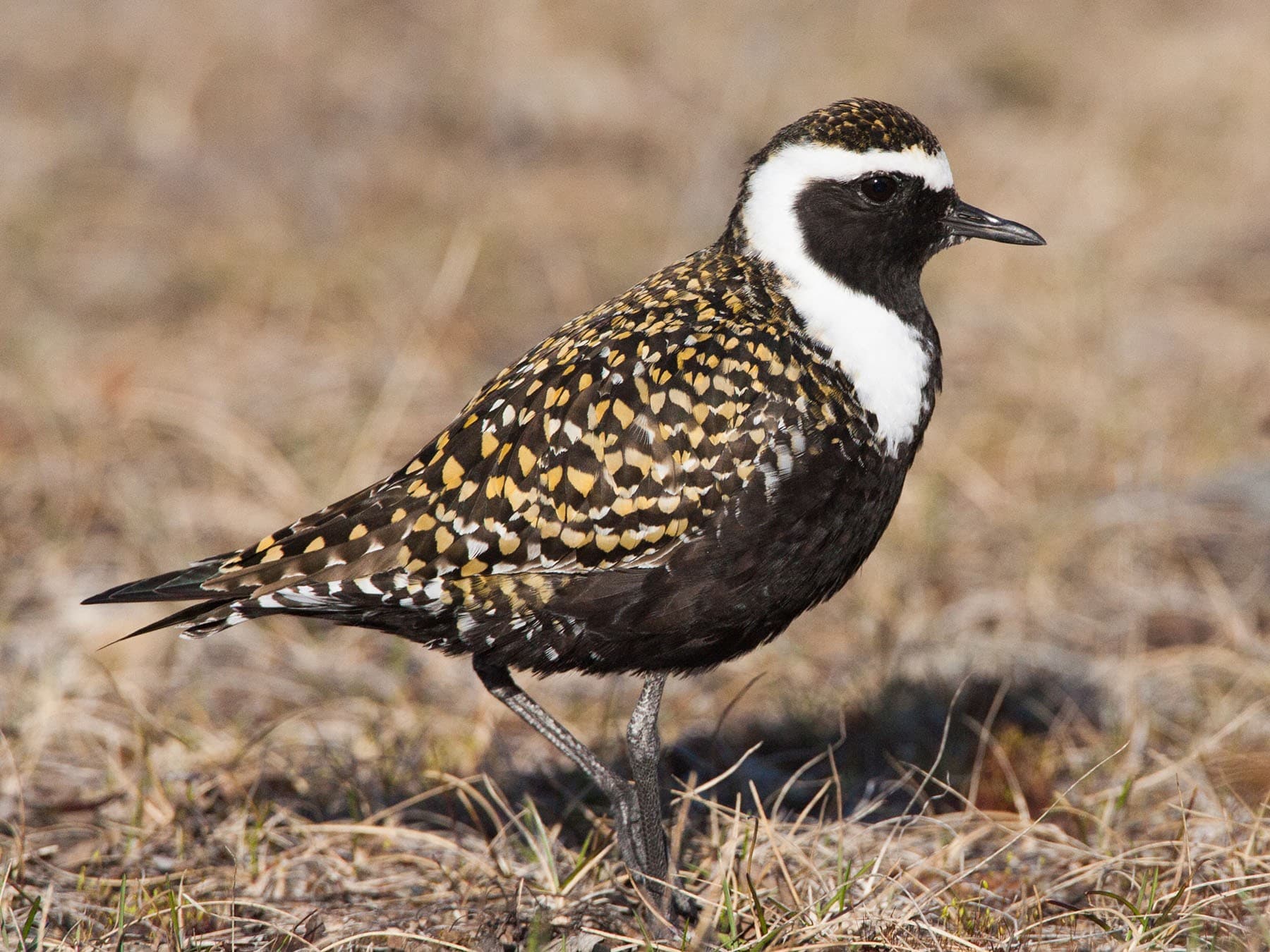
American Golden-Plover
Pluvialis dominicaLC
A rare Nearctic vagrant, mainly recorded in autumn on western coasts and islands. Often found among flocks of Golden Plovers.
Jun–Nov
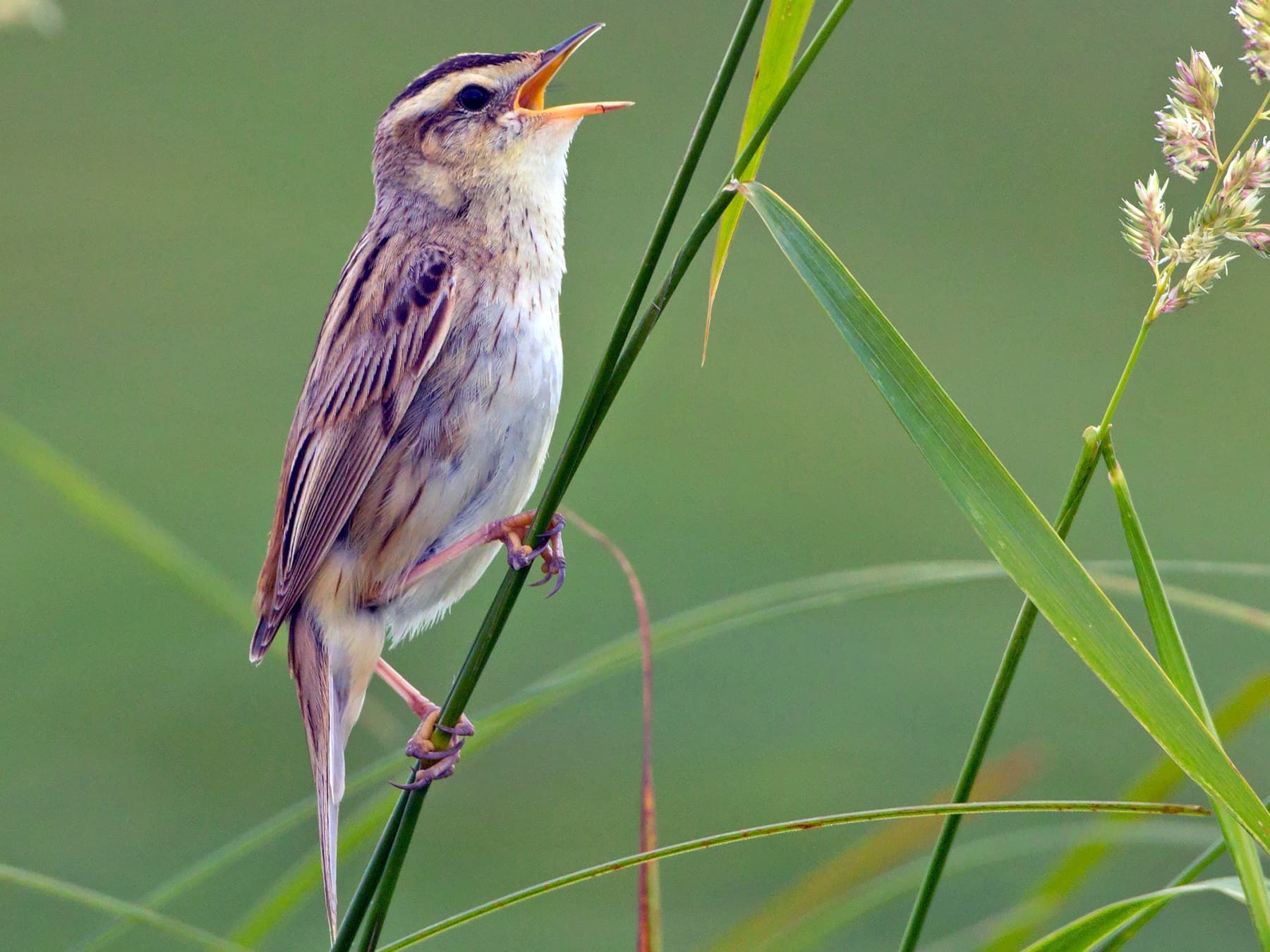
Aquatic Warbler
Acrocephalus paludicolaVU
An uncommon passage migrant, mainly found in coastal reedbeds and sedge marshes in southern England during late summer and early autumn.
Jun–Sep
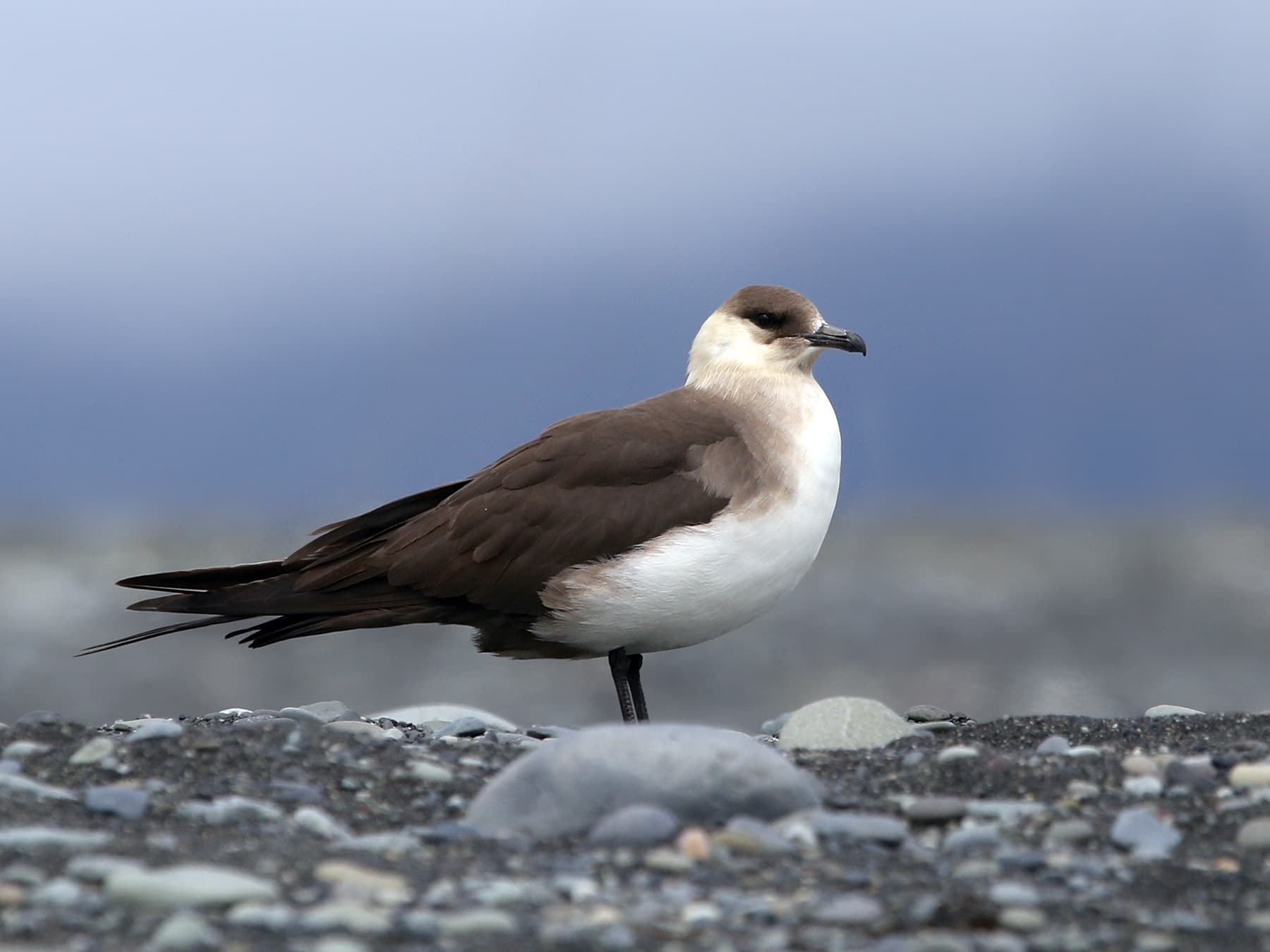
Arctic Jaeger
Stercorarius parasiticusLC
Breeds on moorland and coastal areas in northern Scotland. Seen on passage off headlands in autumn, harassing terns and gulls for food.
Mar–Dec
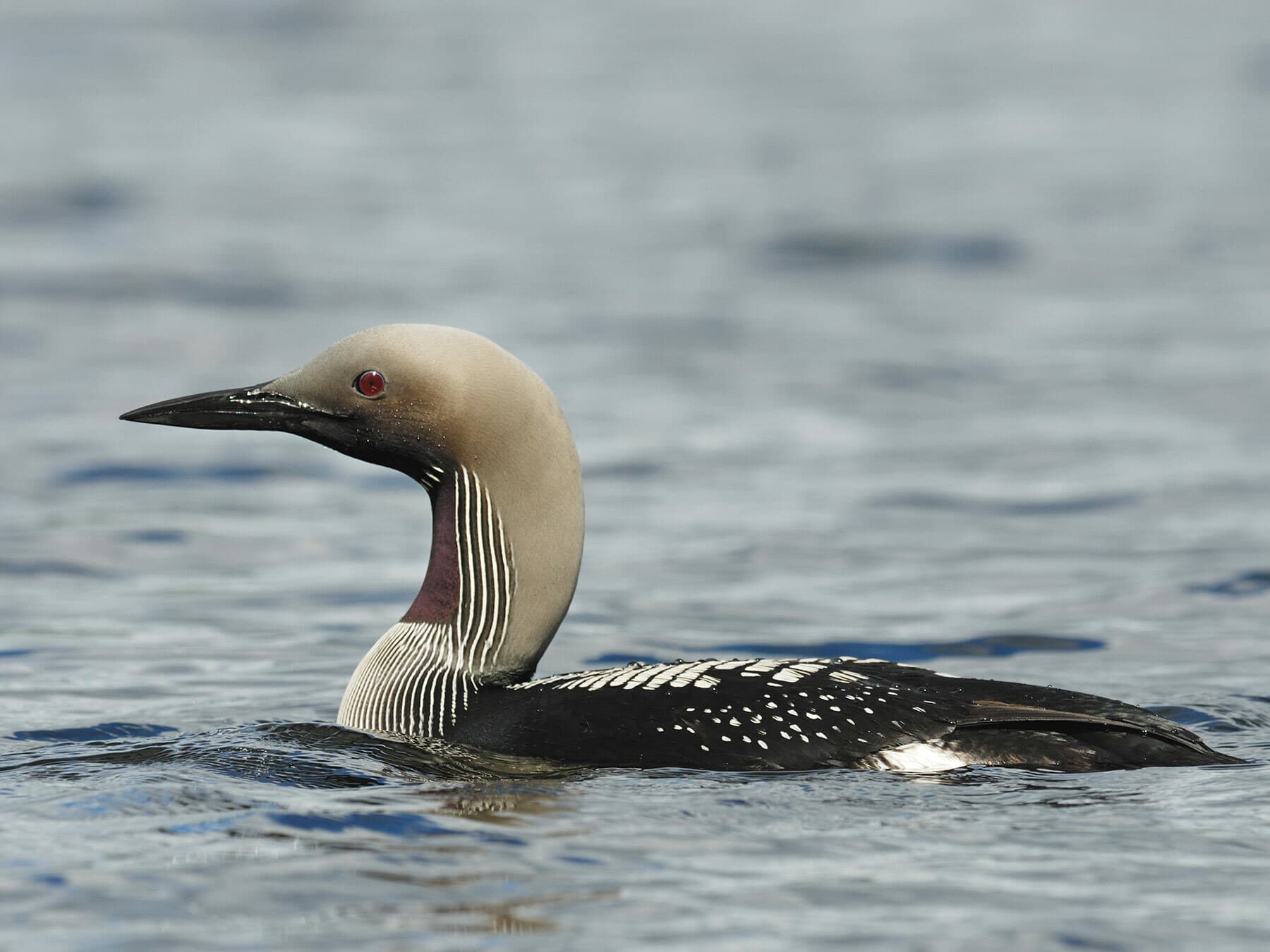
Arctic Loon
Gavia arcticaLC
A rare breeding bird on Scottish Highland lochs, wintering along sheltered coasts. Known as Black-throated Diver in British usage.
Year-round
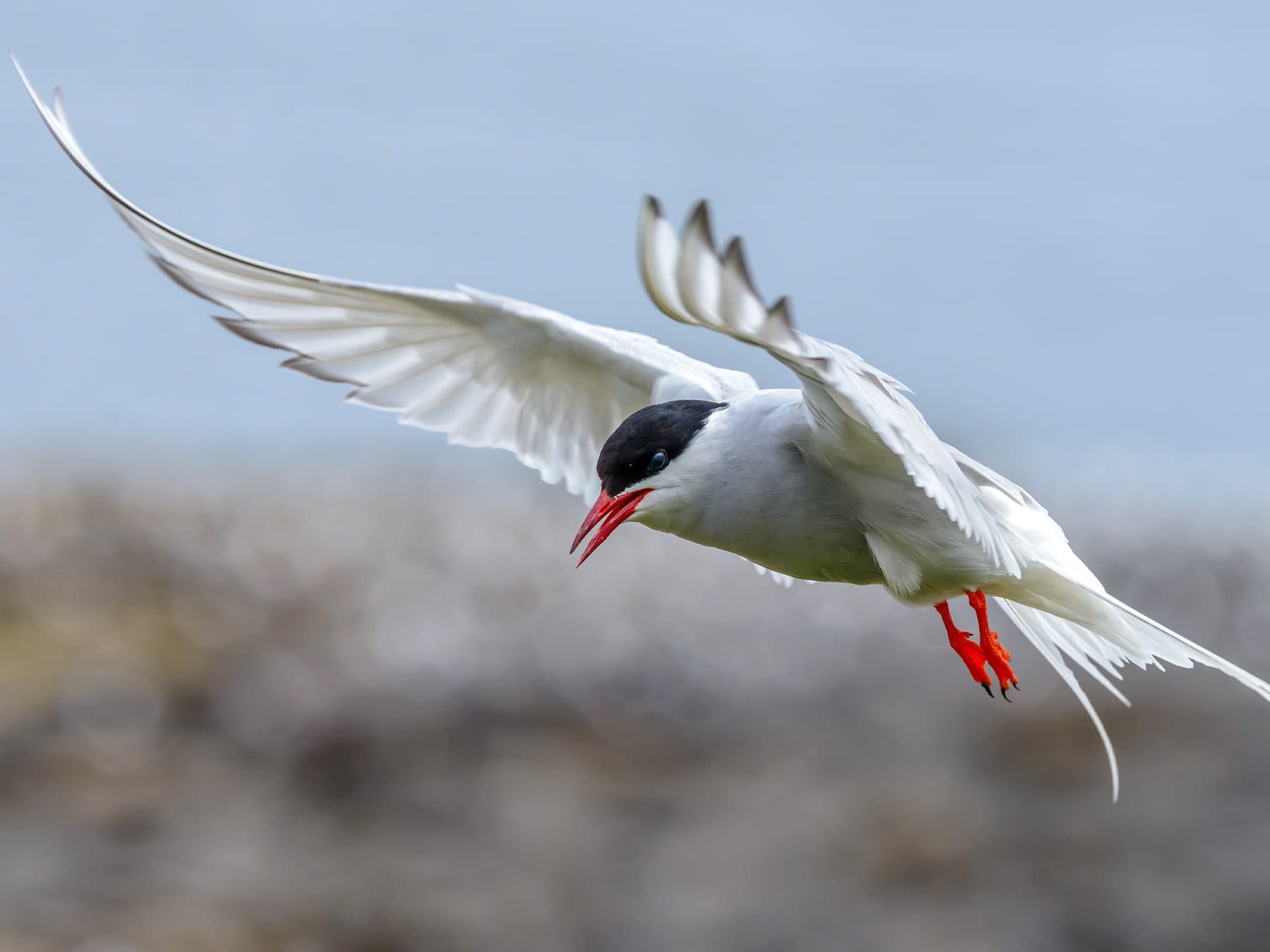
Arctic Tern
Sterna paradisaeaLC
An uncommon breeder on northern and Scottish coasts, arriving from April. Undertakes the longest migration of any bird, wintering in Antarctic waters.
Apr–Nov
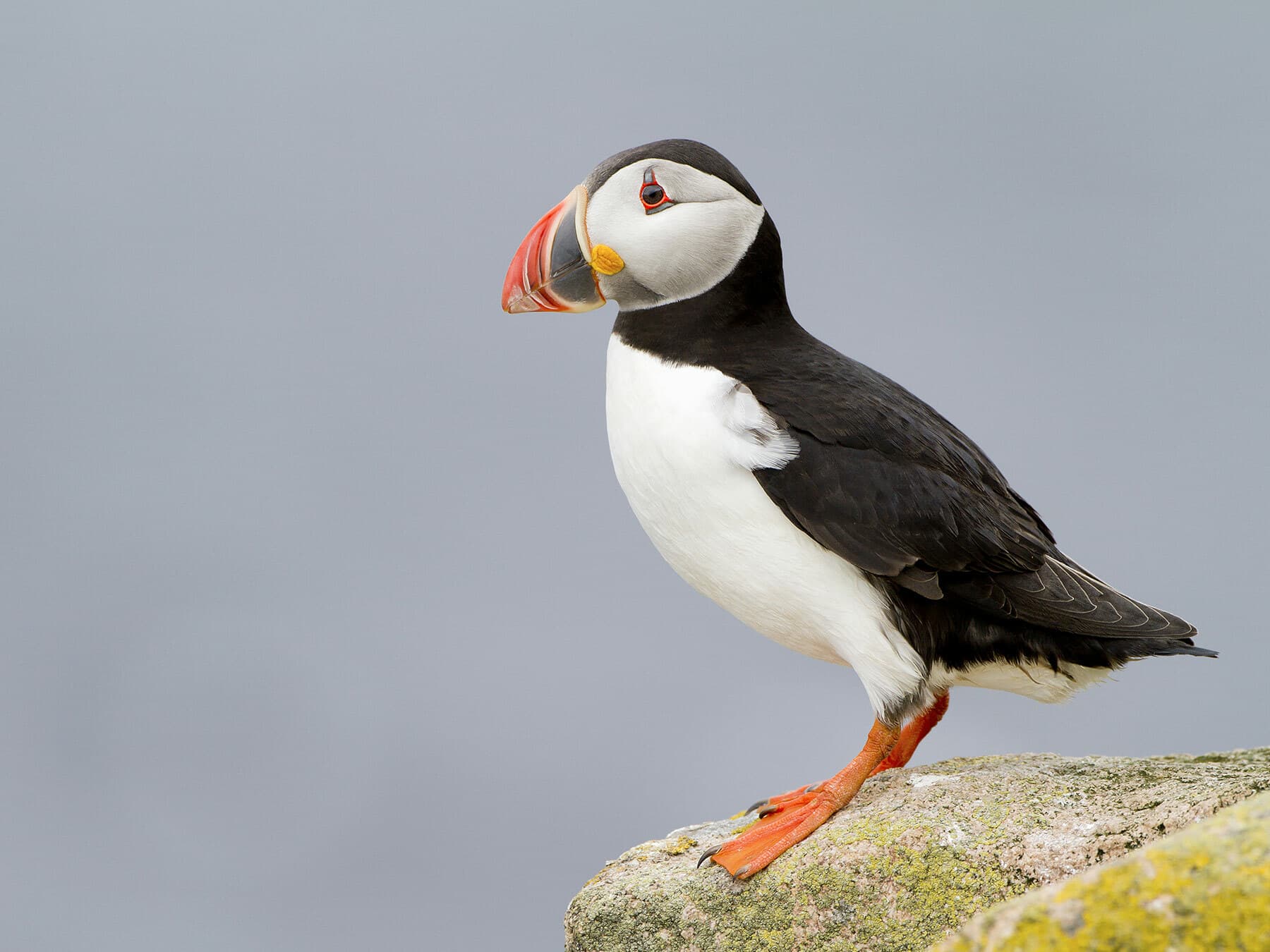
Atlantic Puffin
Fratercula arcticaVU
Breeds in large colonies on remote sea cliffs and offshore islands, notably in Scotland and Wales. Spends winter far out at sea in the North Atlantic.
Year-round
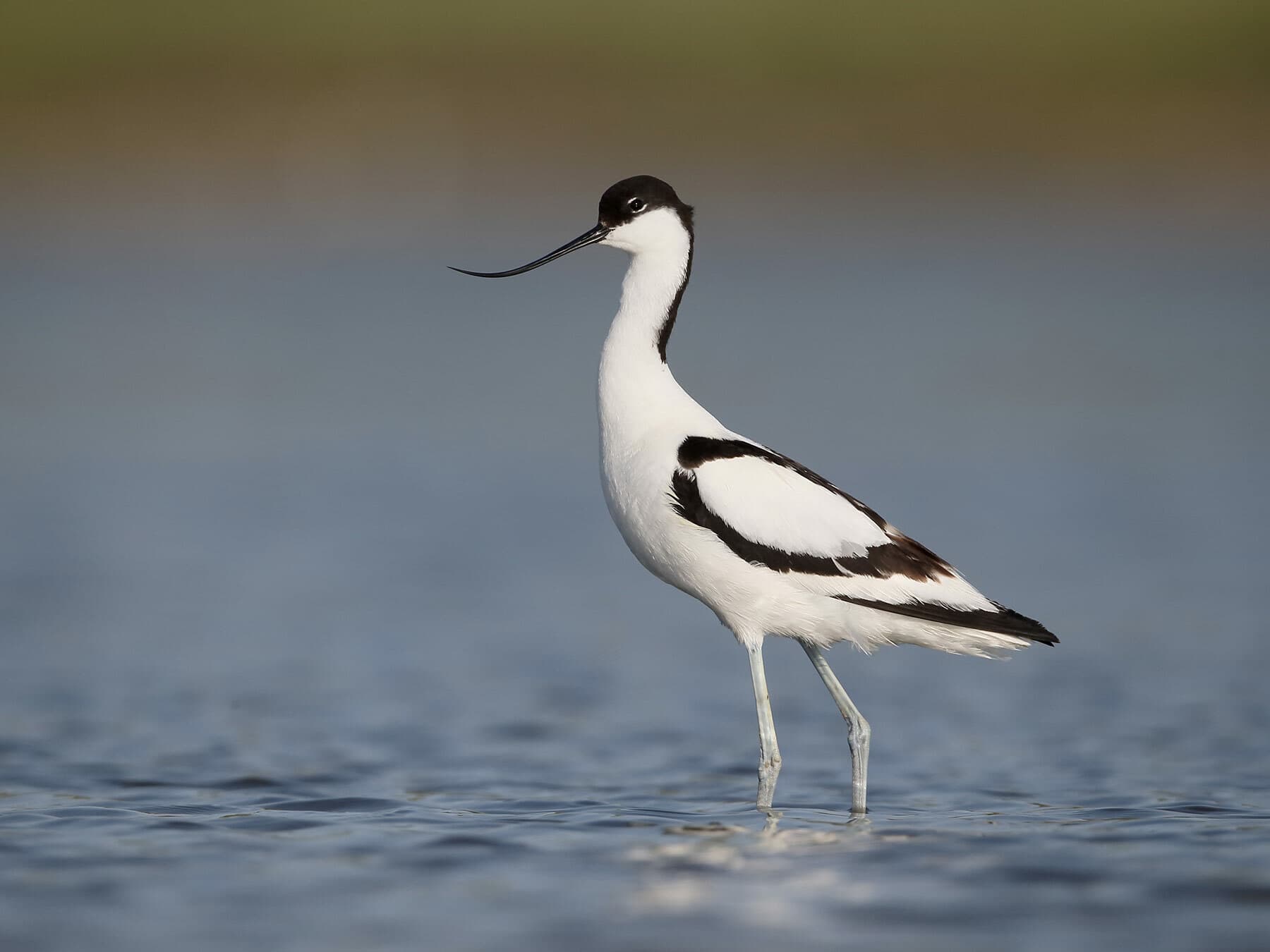
Avocet
Recurvirostra avosettaLC
A striking wader and RSPB emblem, now commonly found on coastal lagoons and estuaries. A major conservation success story, having recolonised after extinction.
Year-round
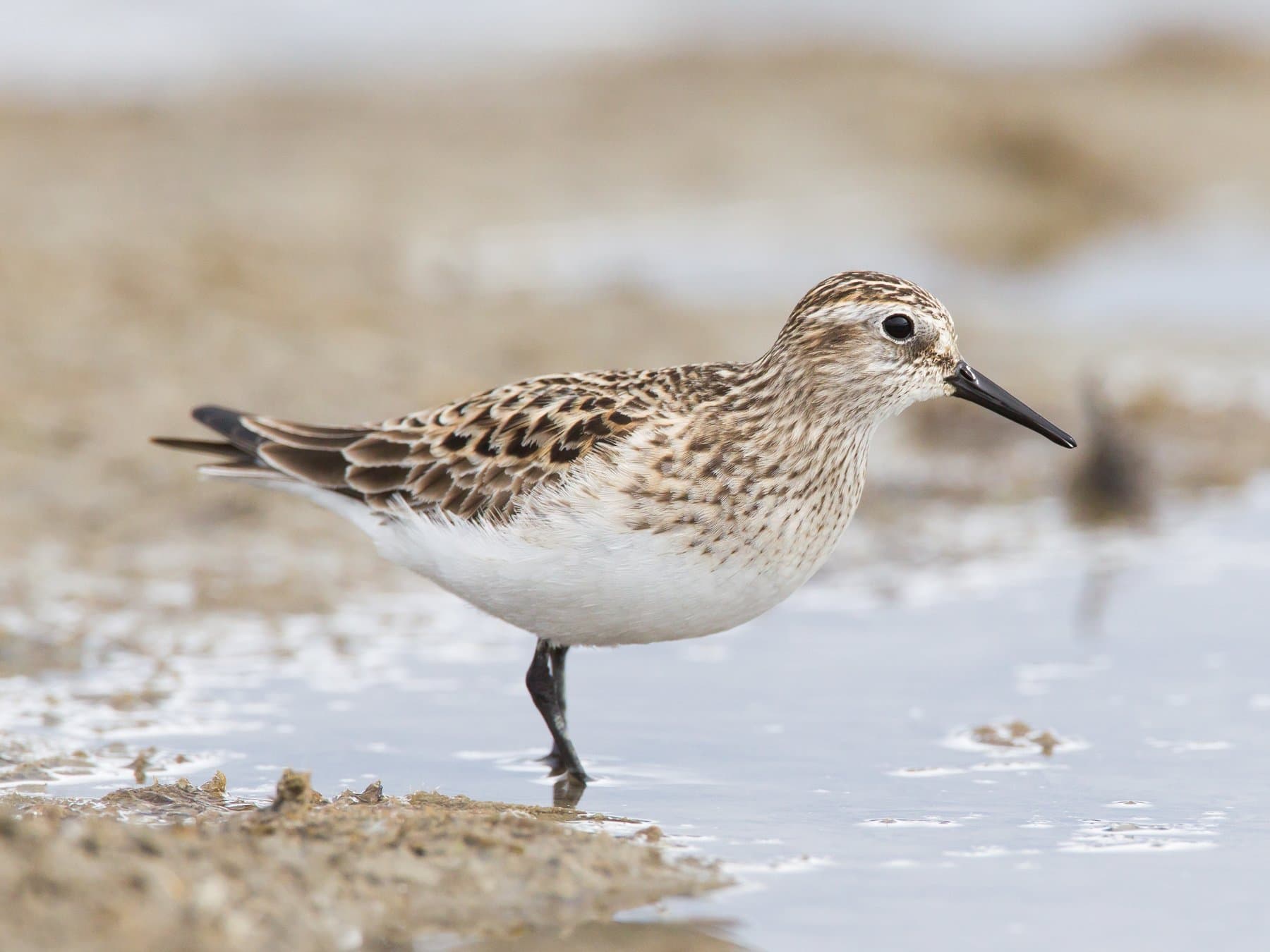
Baird's Sandpiper
Calidris bairdiiLC
A rare Nearctic vagrant appearing at coastal pools and mudflats from August to October. Most records come from western coasts, particularly in Ireland and south-west England.
Aug–Oct
Spotted something?
Upload a photo to identify it
Identify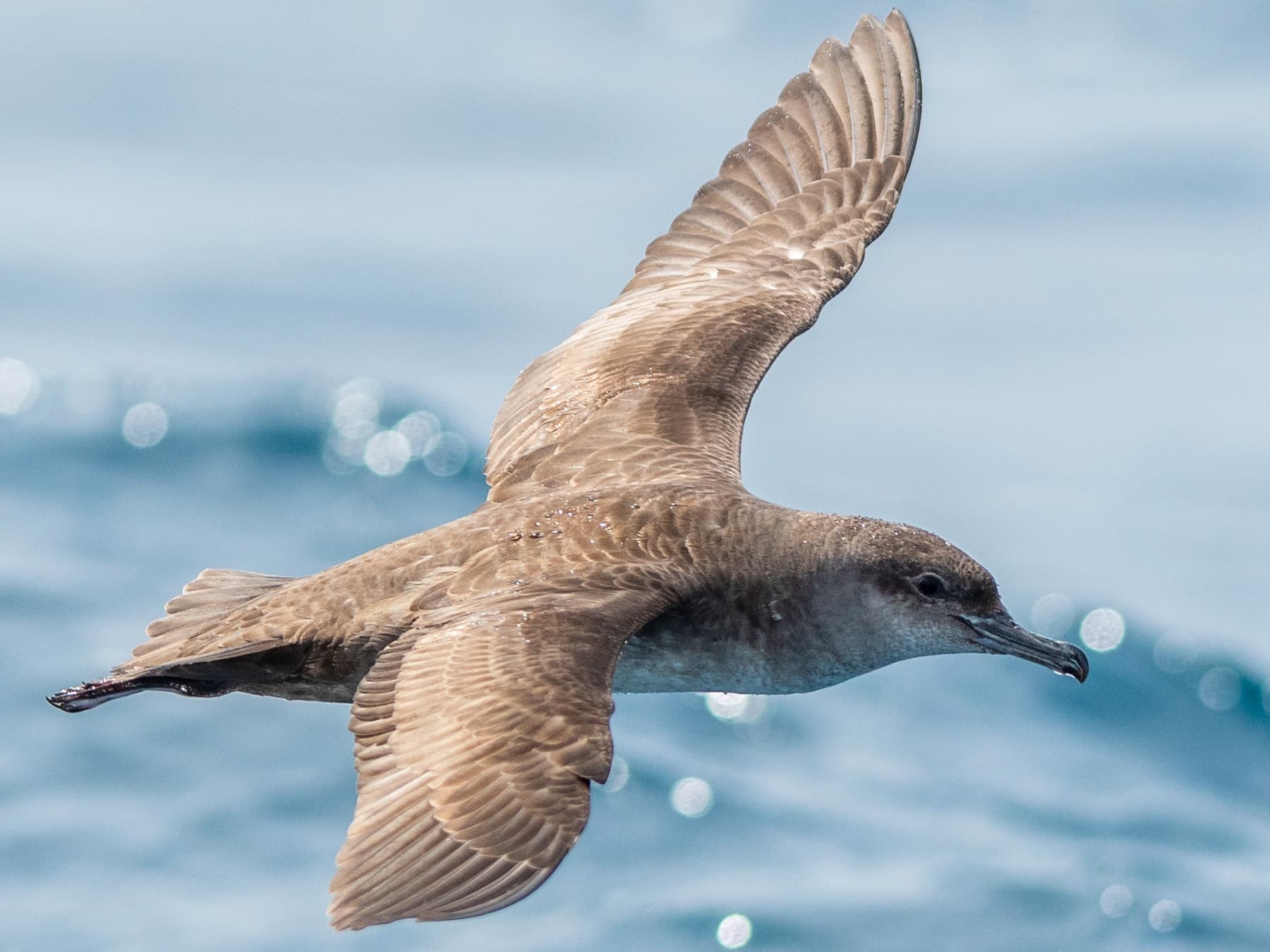
Balearic Shearwater
Puffinus mauretanicusCR
A critically endangered seabird seen offshore mainly from late summer to autumn. Best spotted from southern and south-western headlands.
Jun–Nov
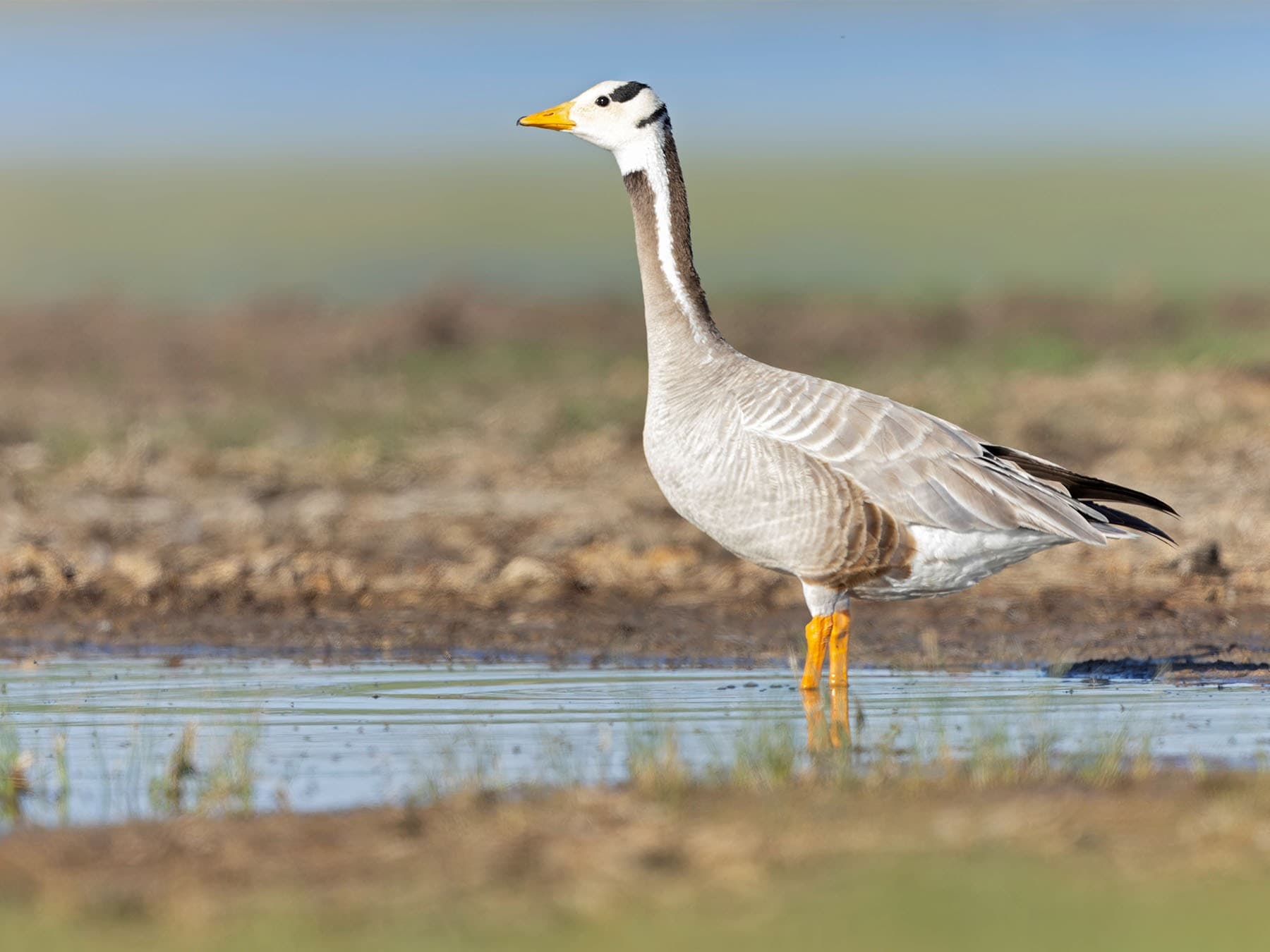
Bar-headed Goose
Anser indicusLC
A rare visitor, most sightings likely involve escapes from wildfowl collections. Occasionally recorded on lakes and reservoirs.
Jan–Aug
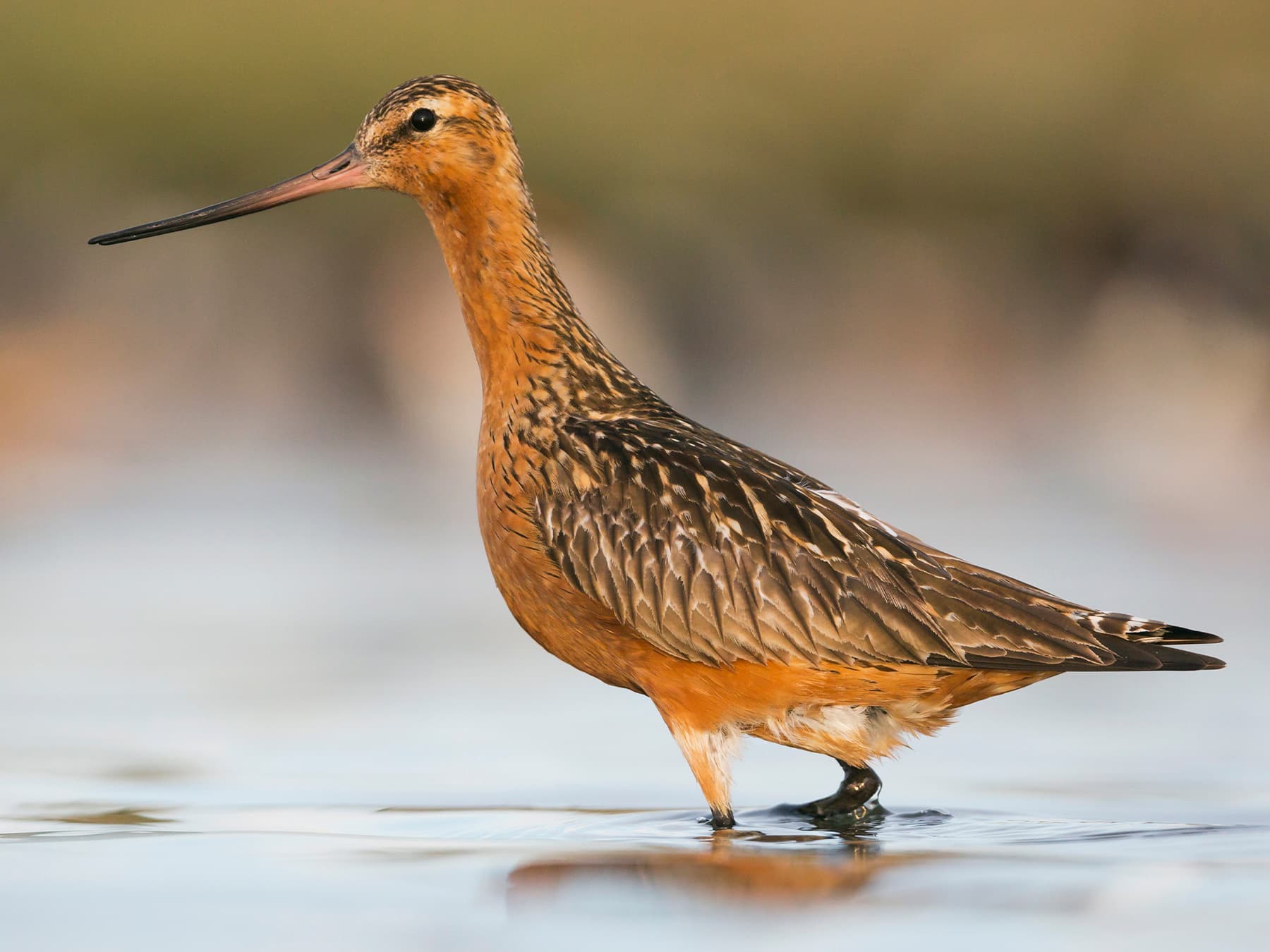
Bar-tailed Godwit
Limosa lapponicaNT
Found year-round on sandy estuaries and mudflats, with numbers peaking in winter. Large flocks gather at key sites like the Wash, probing the mud with their upturned bills.
Year-round
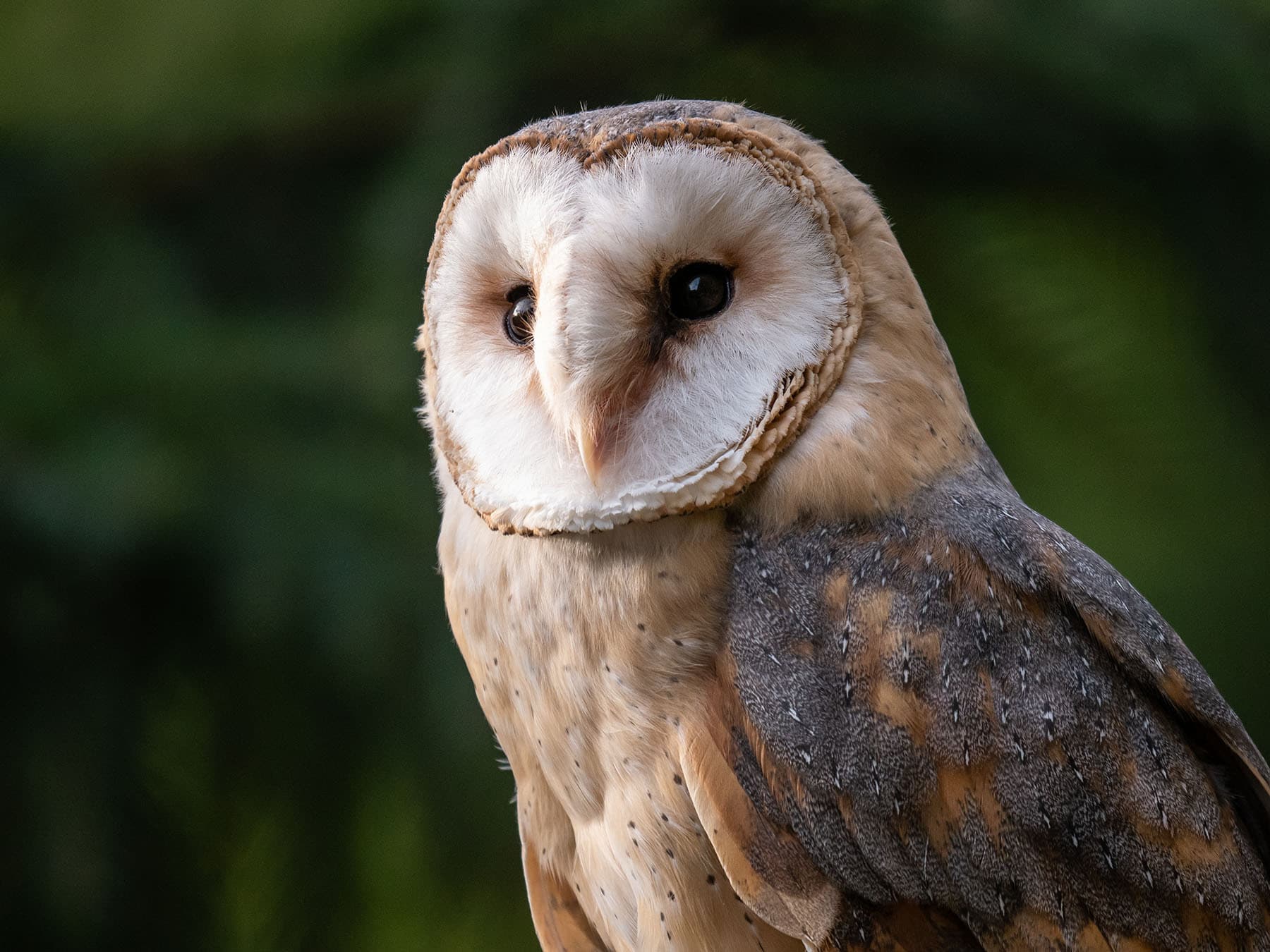
Barn Owl
Tyto albaLC
A year-round resident favouring rough grassland, farmland margins, and old barns. Often seen hunting at dusk along hedgerows and field edges.
Year-round
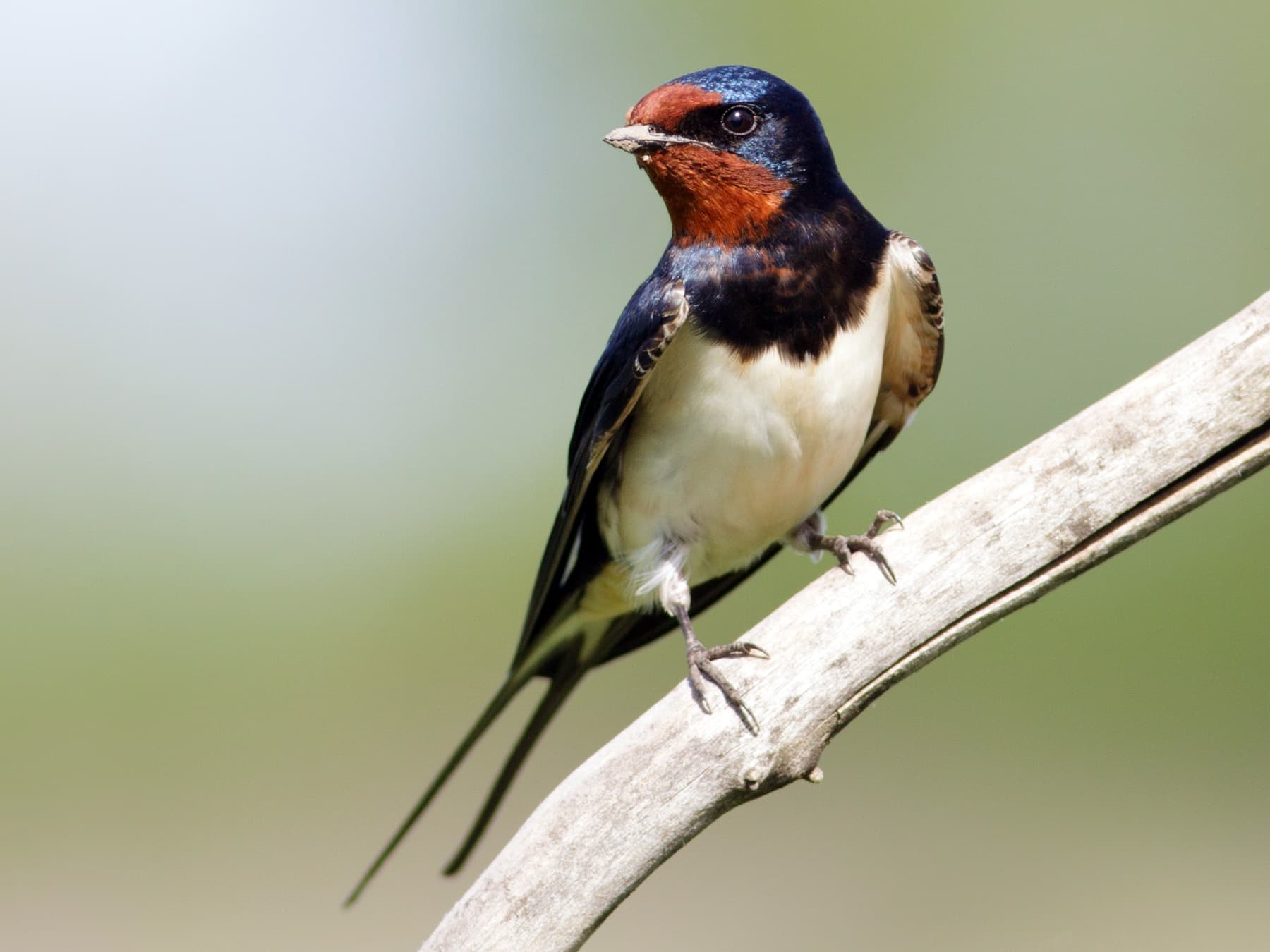
Barn Swallow
Hirundo rusticaLC
A beloved summer visitor breeding in barns and outbuildings across the countryside. Arrives from March and gathers on wires before autumn departure.
Mar–Nov
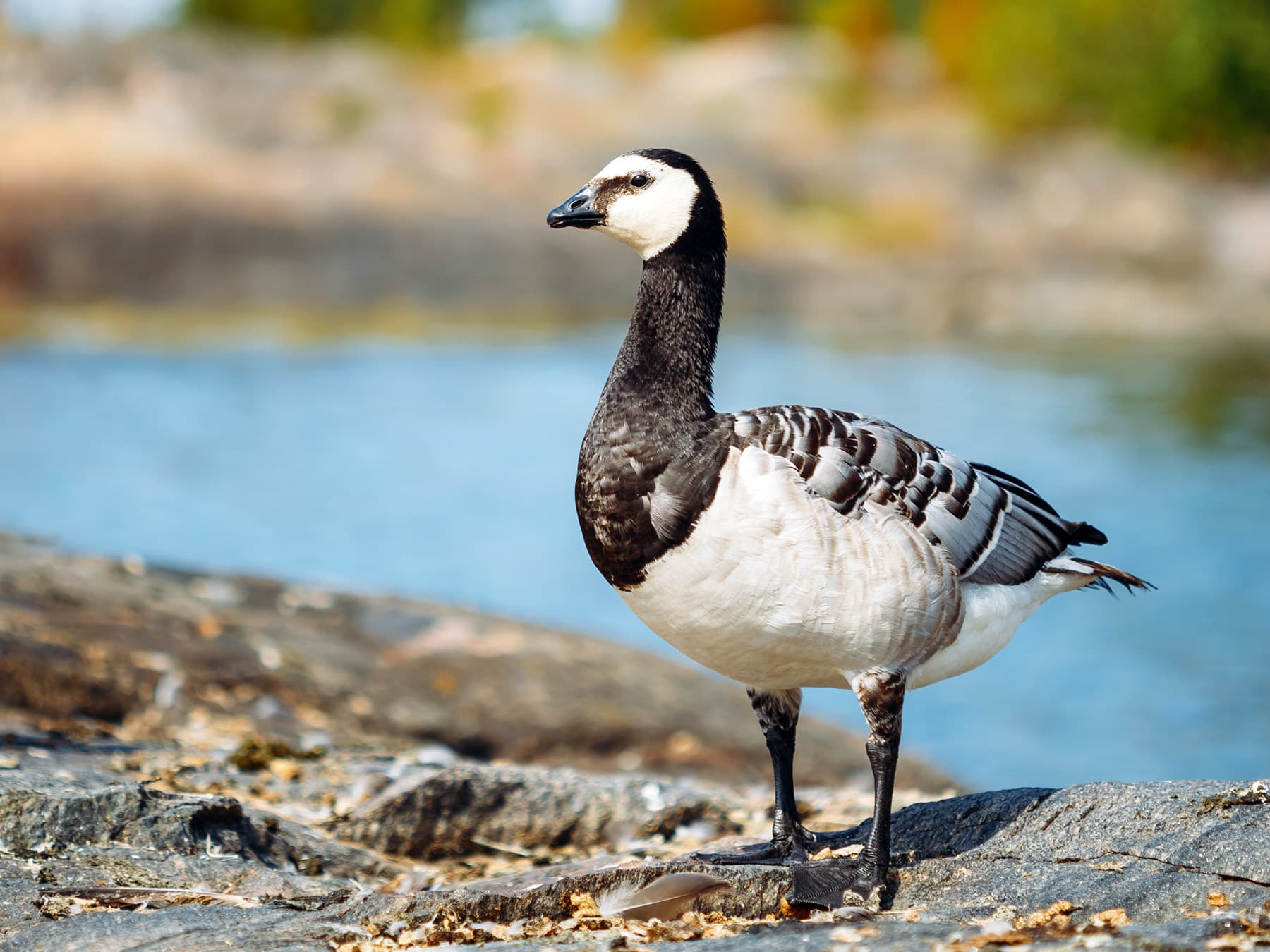
Barnacle Goose
Branta leucopsisLC
Large winter flocks gather on Scottish islands and the Solway Firth from Arctic breeding grounds. A growing feral population also breeds across the UK.
Year-round
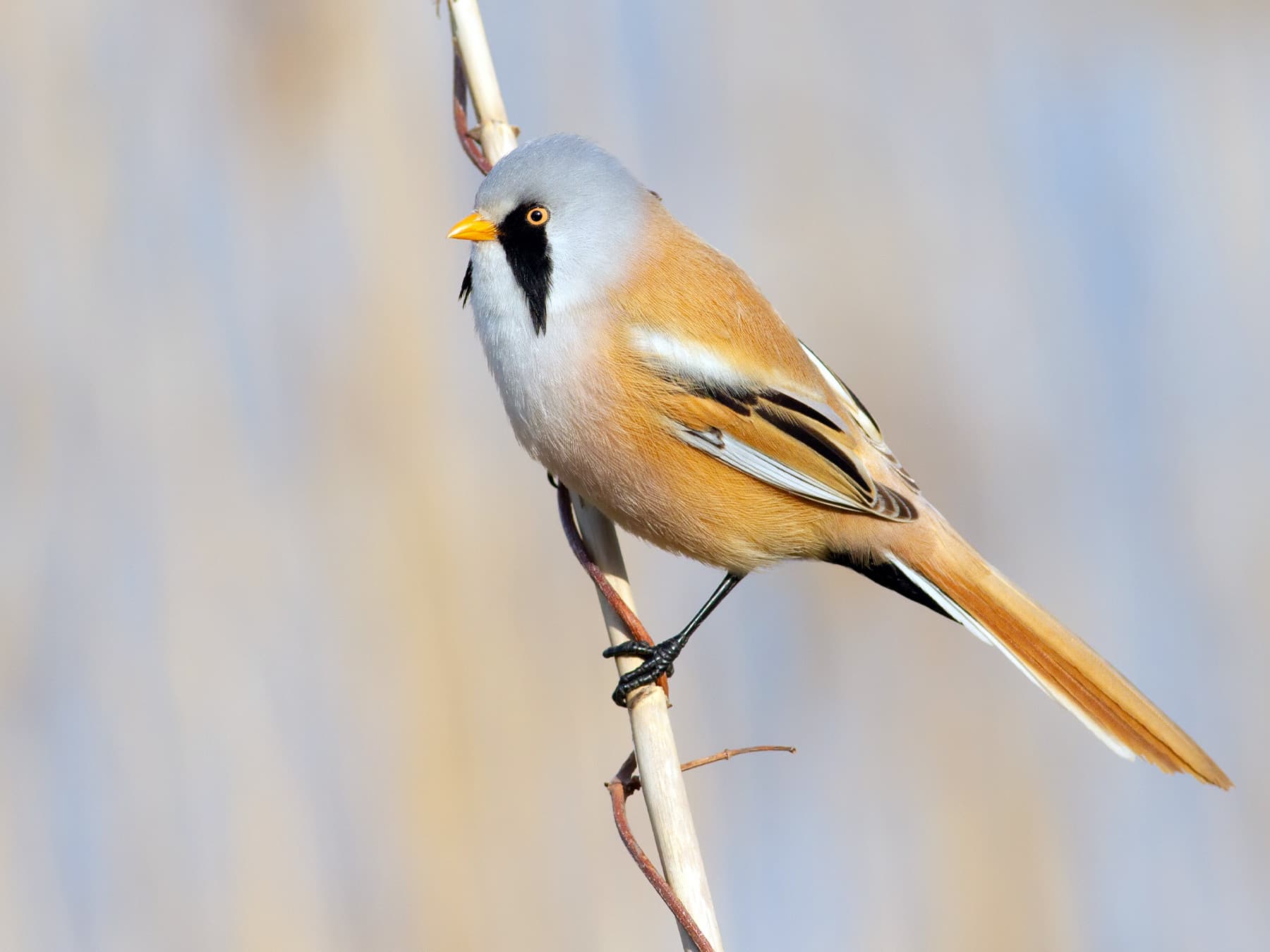
Bearded Tit
Panurus biarmicusLC
An uncommon year-round resident of extensive reedbeds, mainly in East Anglia and a few other southern sites. Eruptive autumn movements can spread birds to new areas.
Year-round
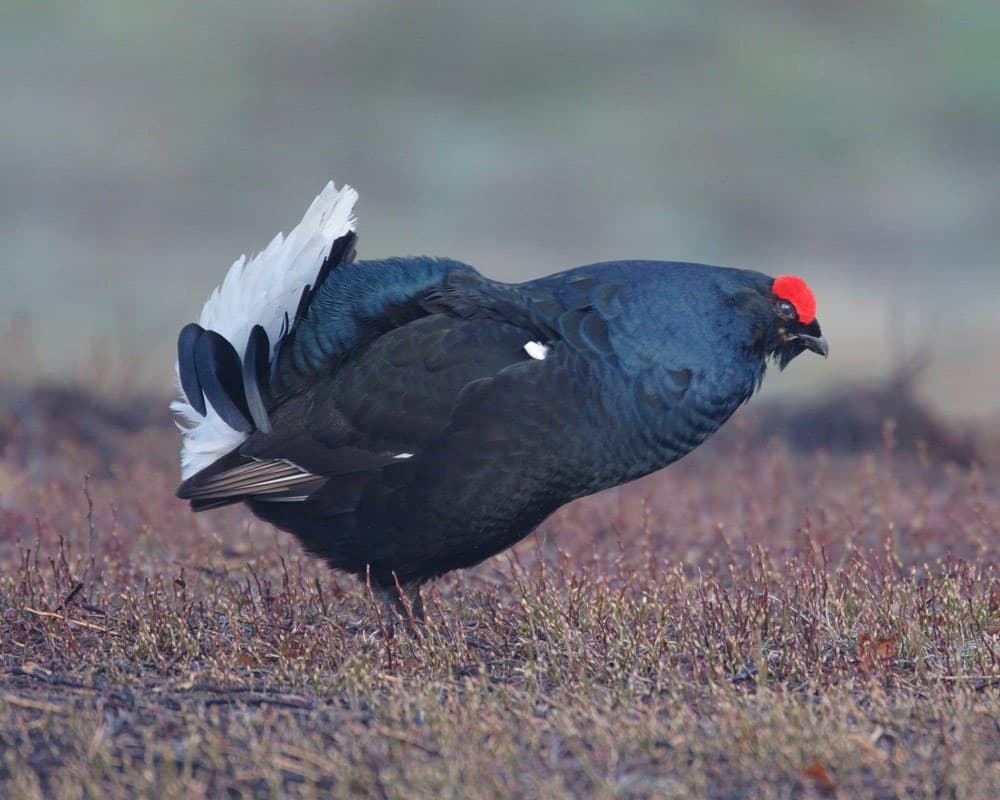
Black Grouse
Lyrurus tetrixLC
A rare and declining resident of moorland edges in northern England, Wales, and Scotland. Males display at traditional leks in spring.
Year-round
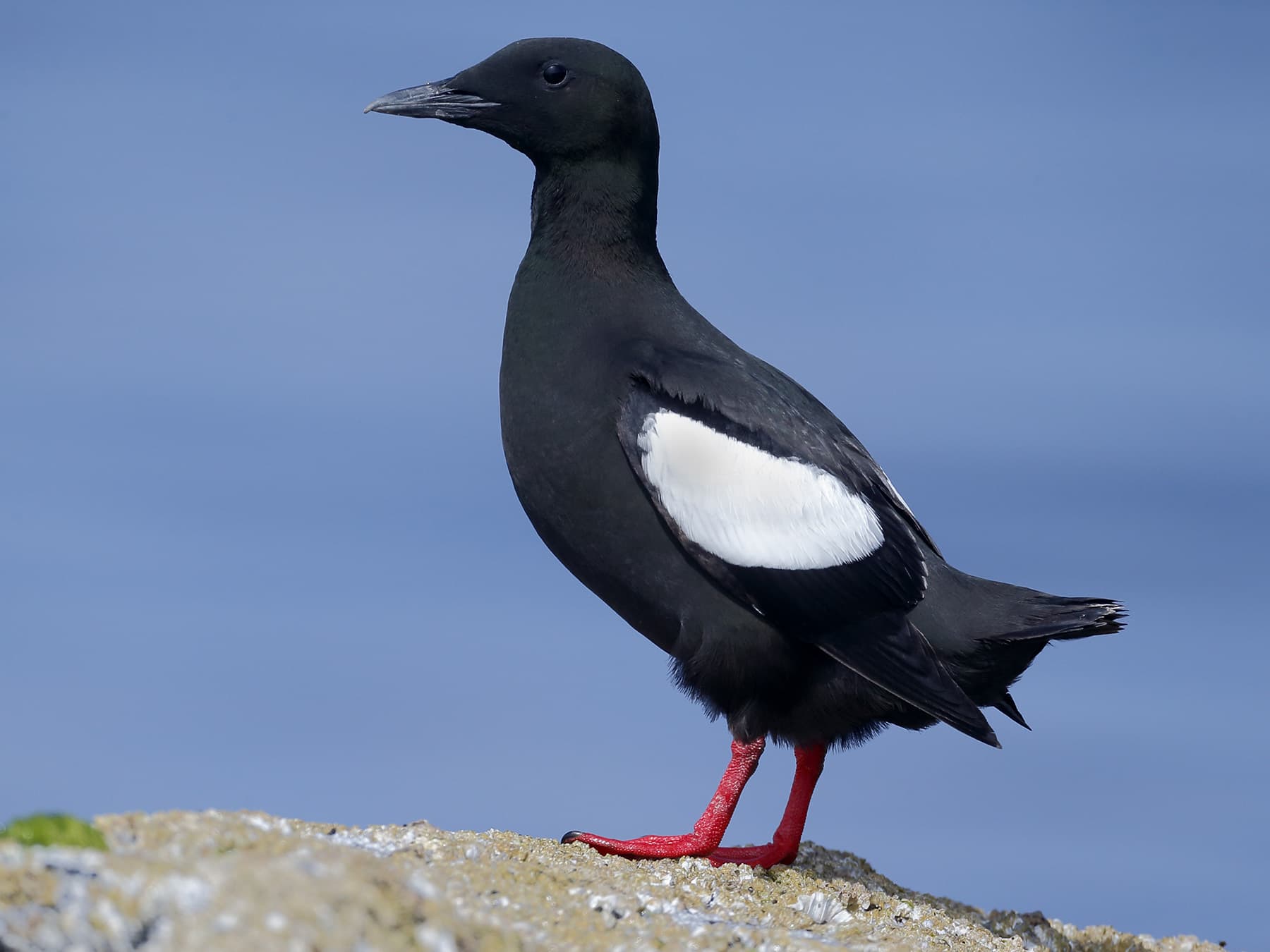
Black Guillemot
Cepphus grylleLC
A charming resident of rocky coasts in Scotland, Northern Ireland, and the Isle of Man. Its striking black plumage with white wing patches and bright red feet are distinctive.
Year-round
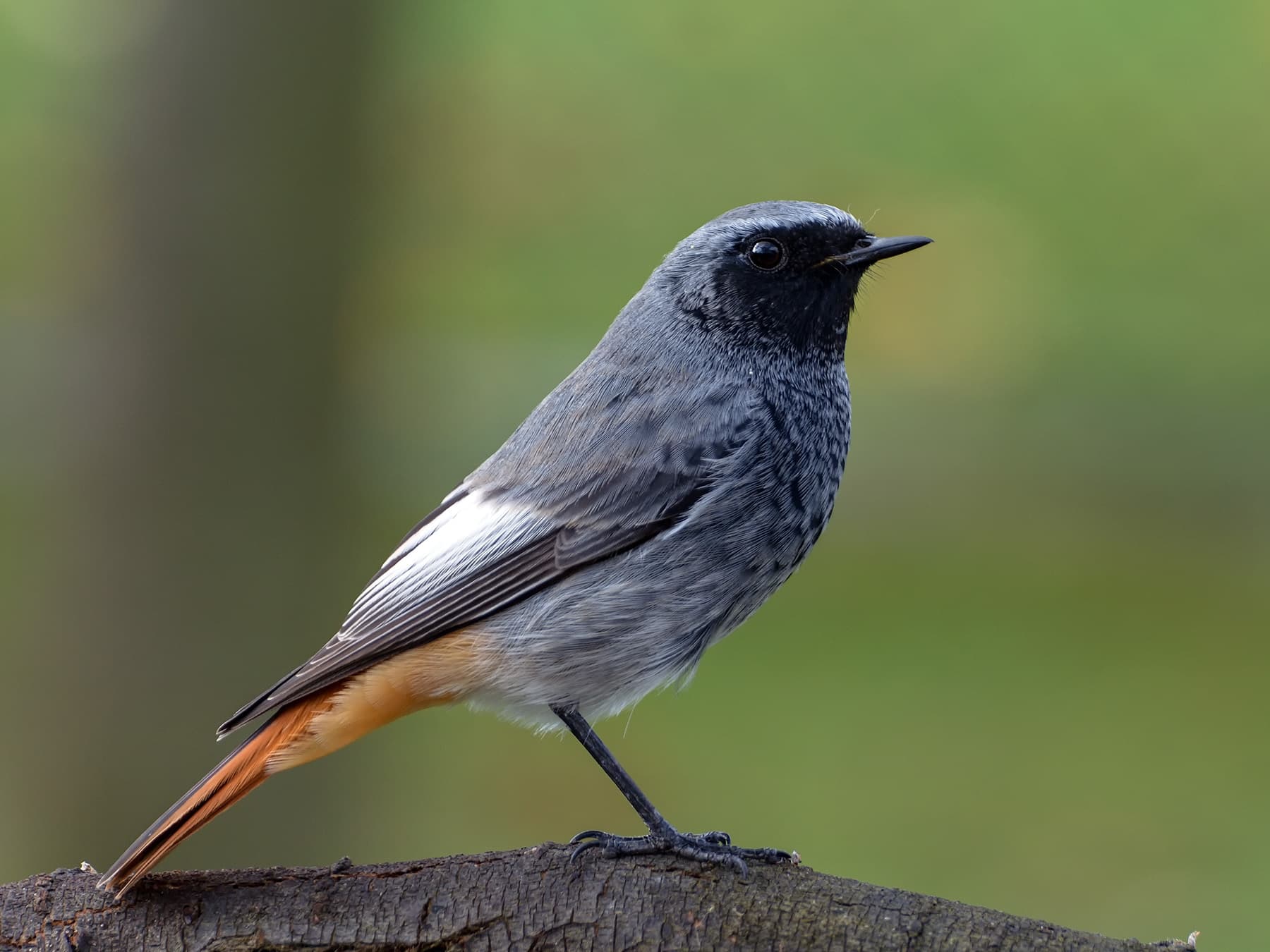
Black Redstart
Phoenicurus ochrurosLC
An uncommon year-round resident, favouring urban industrial sites, power stations, and coastal cliffs. Breeds in small numbers, mainly in south-east England.
Year-round
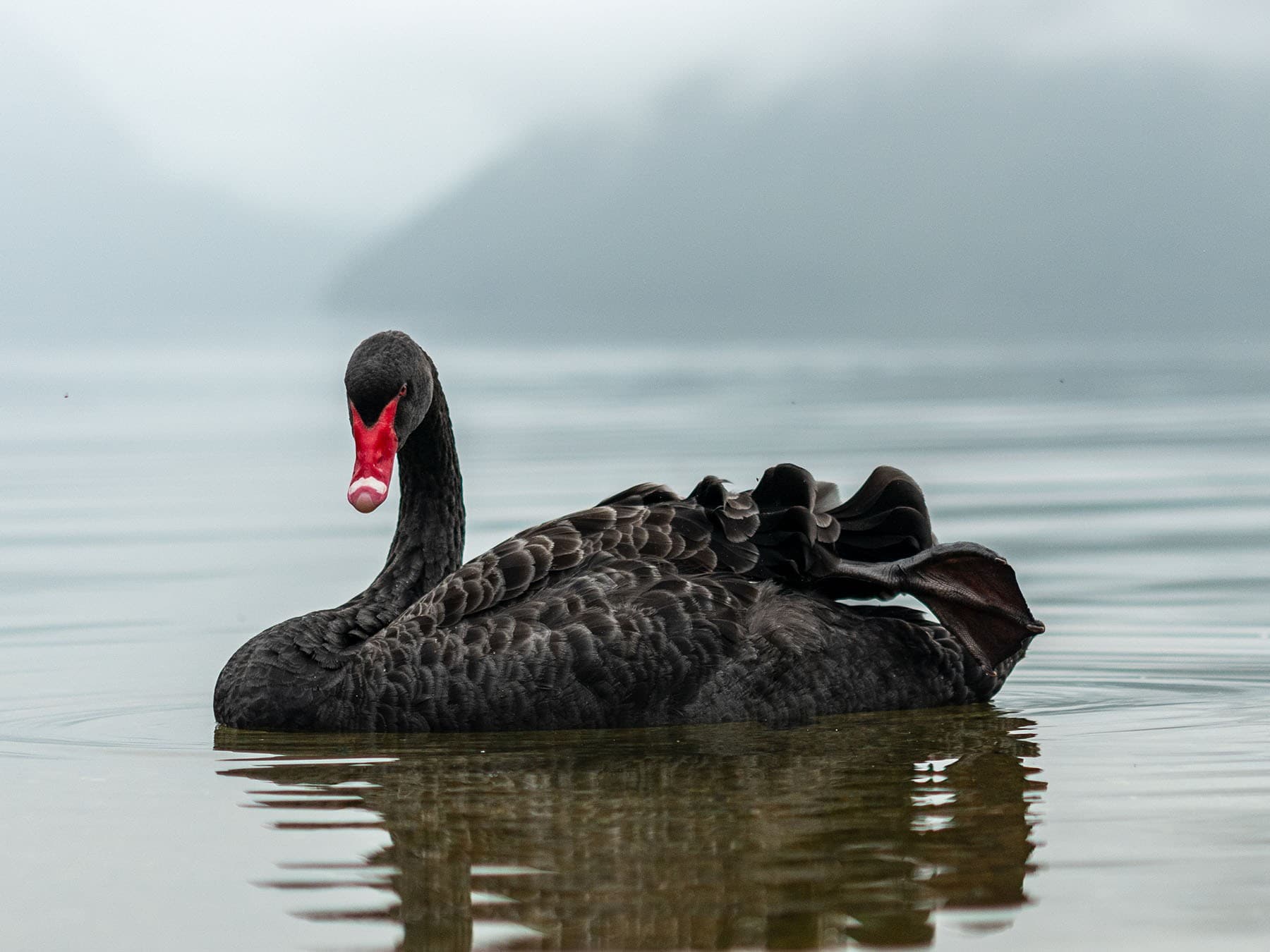
Black Swan
Cygnus atratusLC
A rare feral resident originating from ornamental collections, occasionally seen on lakes and rivers, mainly in southern England.
Year-round
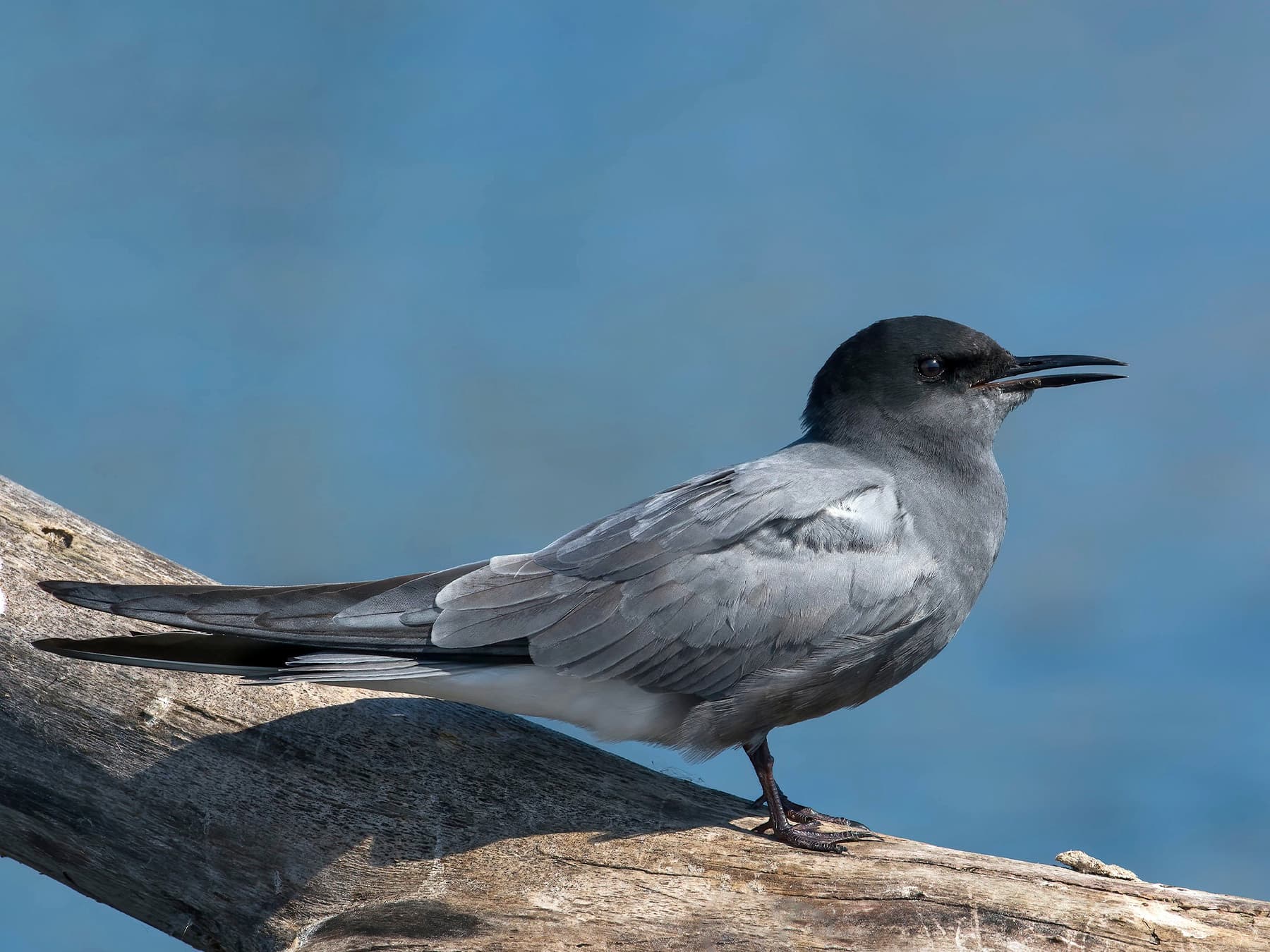
Black Tern
Chlidonias nigerLC
An uncommon passage migrant seen over freshwater lakes and reservoirs, mainly in spring and autumn. No longer breeds in the UK.
Apr–Nov
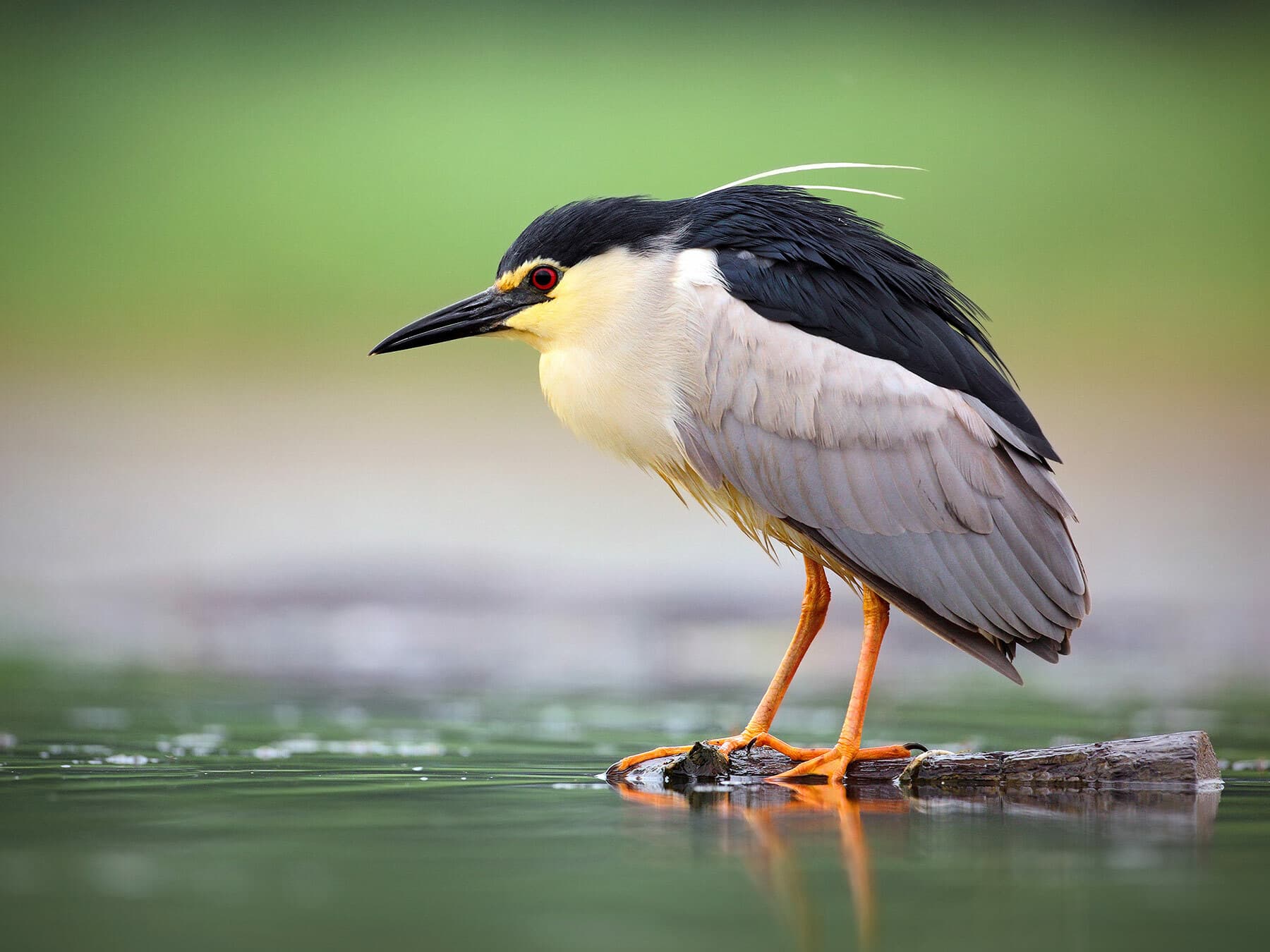
Black-crowned Night-heron
Nycticorax nycticoraxLC
An uncommon passage visitor to wetlands and reedbeds, mainly in spring and late summer. This stocky, nocturnal heron is most often seen at dusk at southern marshes.
Apr–Aug
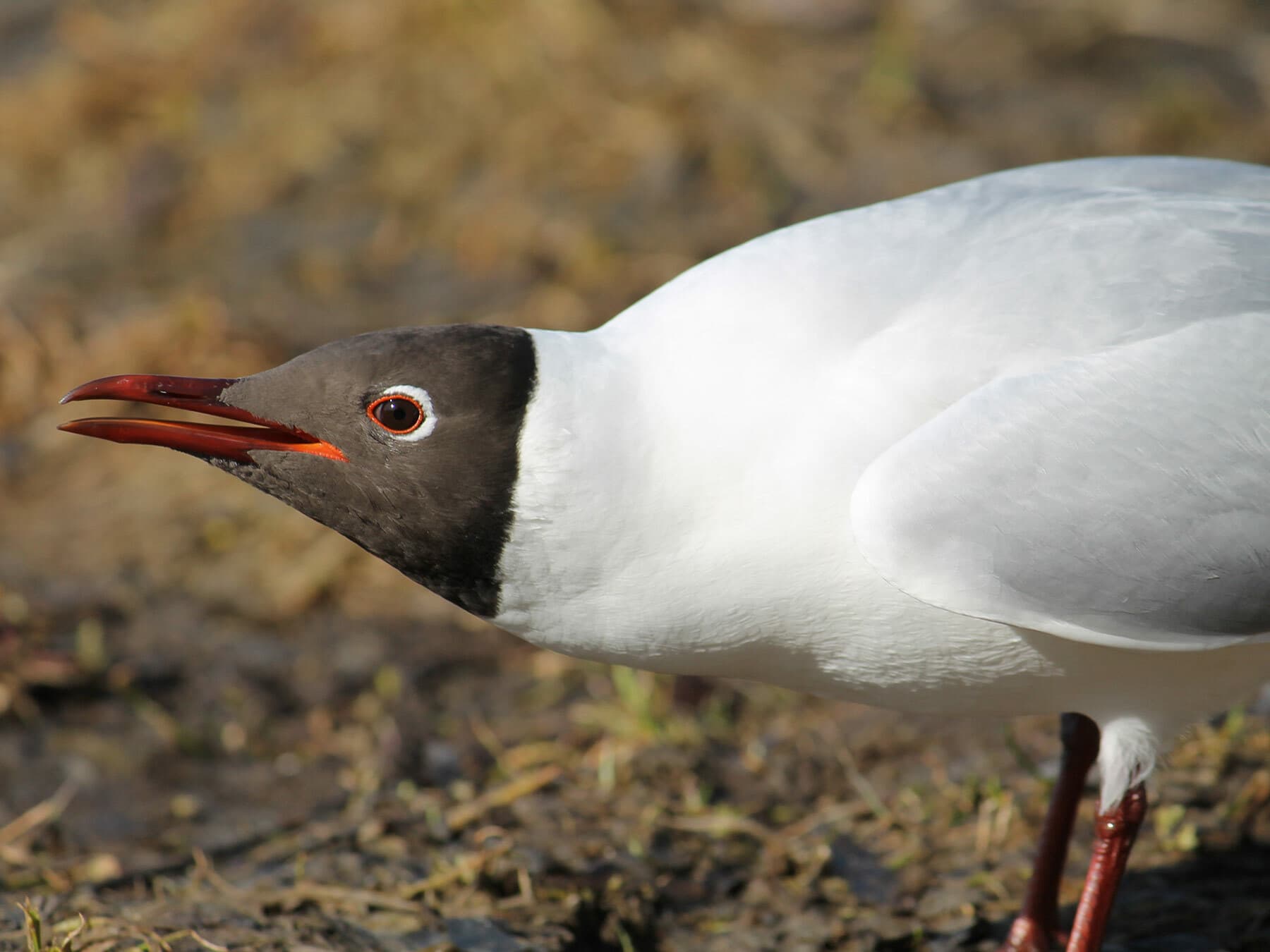
Black-headed Gull
Larus ridibundusLC
An abundant and widespread resident found at coasts, farmland, parks, and urban areas. Winter flocks can number in the thousands at roost sites.
Year-round
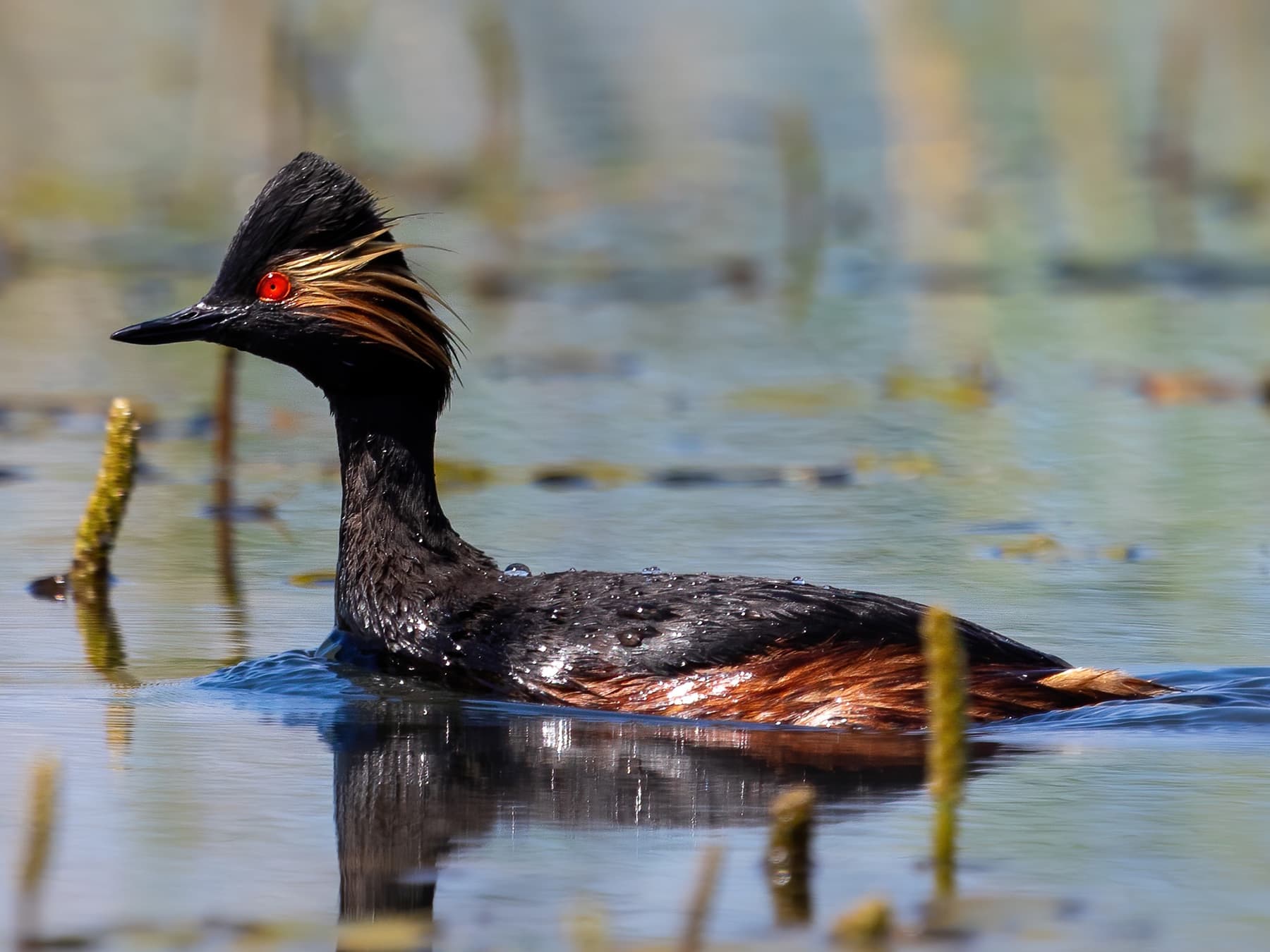
Black-necked Grebe
Podiceps nigricollisLC
An uncommon resident breeding at a handful of shallow lakes. More widespread in winter on reservoirs and sheltered coastal waters.
Year-round