From the Journal
Spring Migration in the UK: A Continental Journey Home
Spring Migration in the UK: A Continental Journey Home
Each spring, millions of birds embark on journeys spanning thousands of miles from their African wintering grounds to breed in the UK. This annual migration transforms our countryside, filling it with song, colour, and the promise of warmer days ahead.
From the first swallows skimming over village ponds in March to the last cuckoos calling from woodland edges in May, spring migration unfolds like a carefully choreographed performance. These journeys represent some of the most demanding feats in the animal kingdom, with birds navigating across continents using nothing more than instinct, celestial cues, and magnetic fields.
The Great Journey North
Spring migration to the UK typically begins in February and continues through May, with different species arriving in waves. The journey from sub-Saharan Africa covers over 3,000 miles, requiring birds to cross the Mediterranean Sea, navigate the Iberian Peninsula, and traverse the English Channel.
Many migrants face extraordinary challenges along the way. They must time their departure to coincide with favourable weather patterns, build up fat reserves to fuel their flight, and navigate around geographical barriers. The Sahara Desert alone presents a formidable obstacle, forcing many species to complete non-stop flights of 50-60 hours.
The First Arrivals: March Pioneers
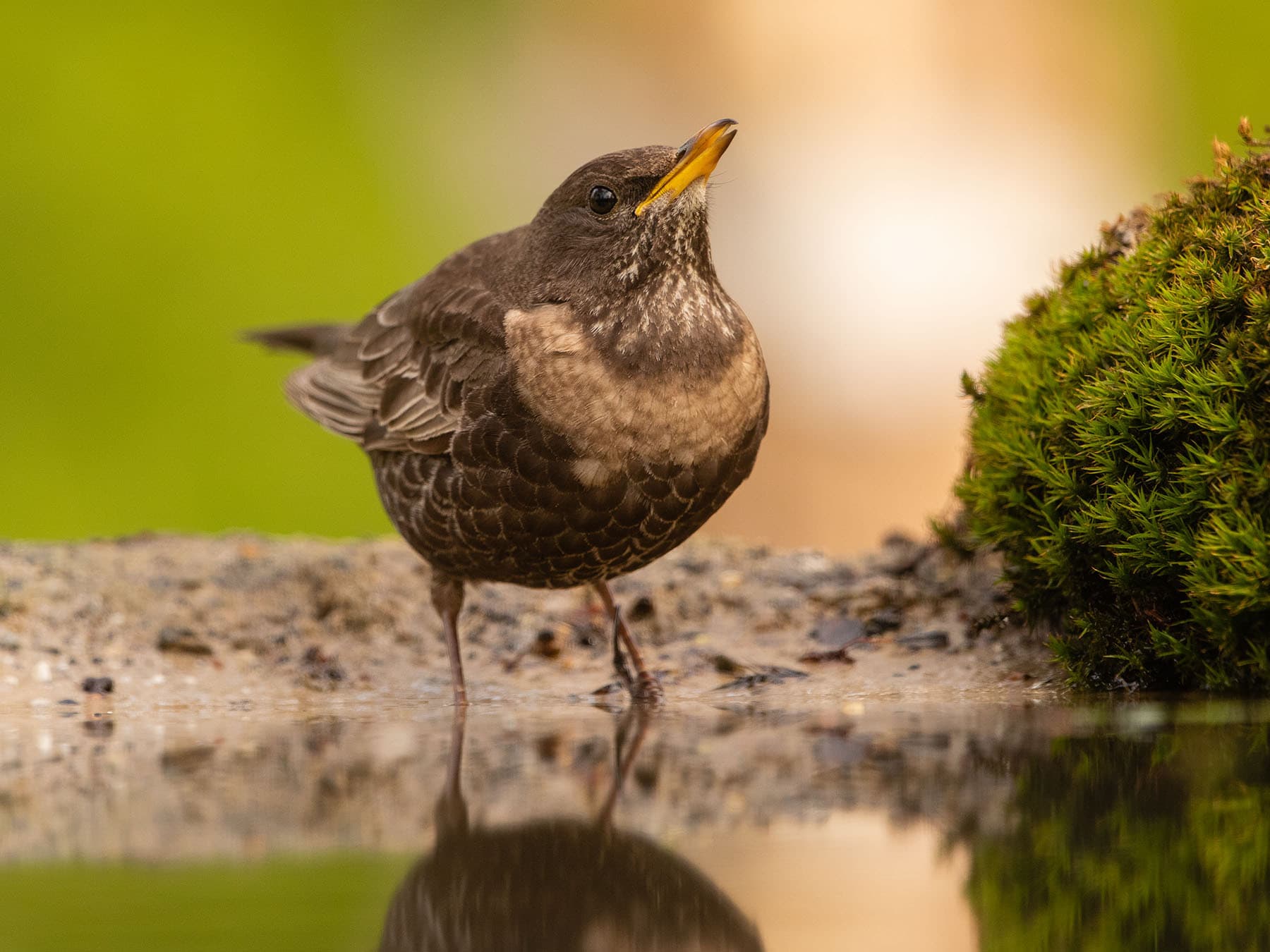
The earliest spring migrants begin arriving in the UK during March, often while winter weather still grips much of the country. Sand martins are typically the first hirundines to appear, arriving at reservoirs and gravel pits from mid-March onwards. These hardy pioneers can cope with cooler conditions better than their relatives, feeding on insects that emerge during brief warm spells.
Wheatears also arrive early, their white rumps flashing across coastal grasslands and moorland from late March. These robin-sized birds have completed one of the longest migrations of any small passerine, with some travelling from tropical Africa to breed on Scottish islands.
Did You Know?
Got a photo of a bird you can't identify?
Upload a photo and find out what it is in seconds — no account needed
Identify a BirdApril's Aerial Acrobats
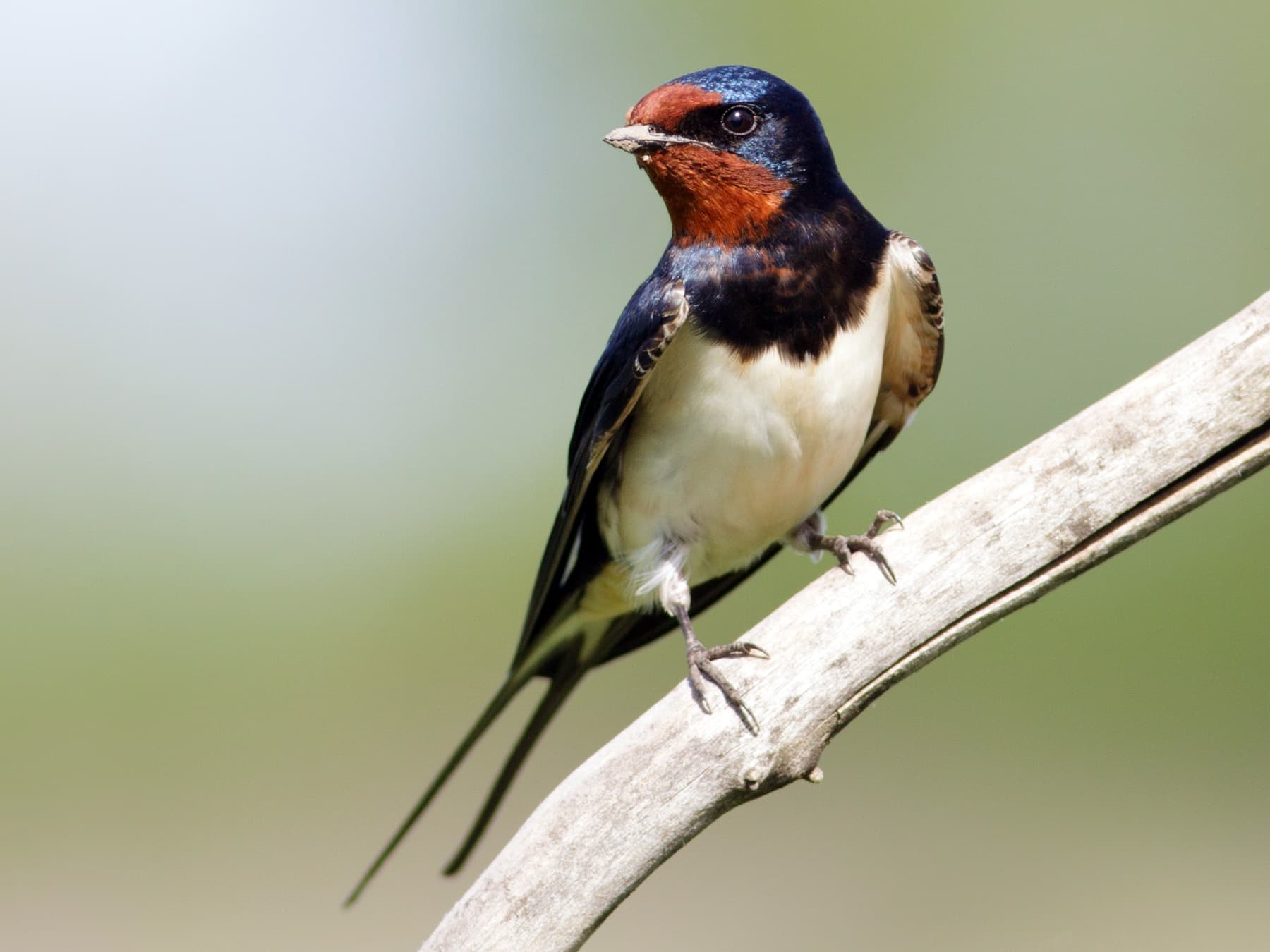
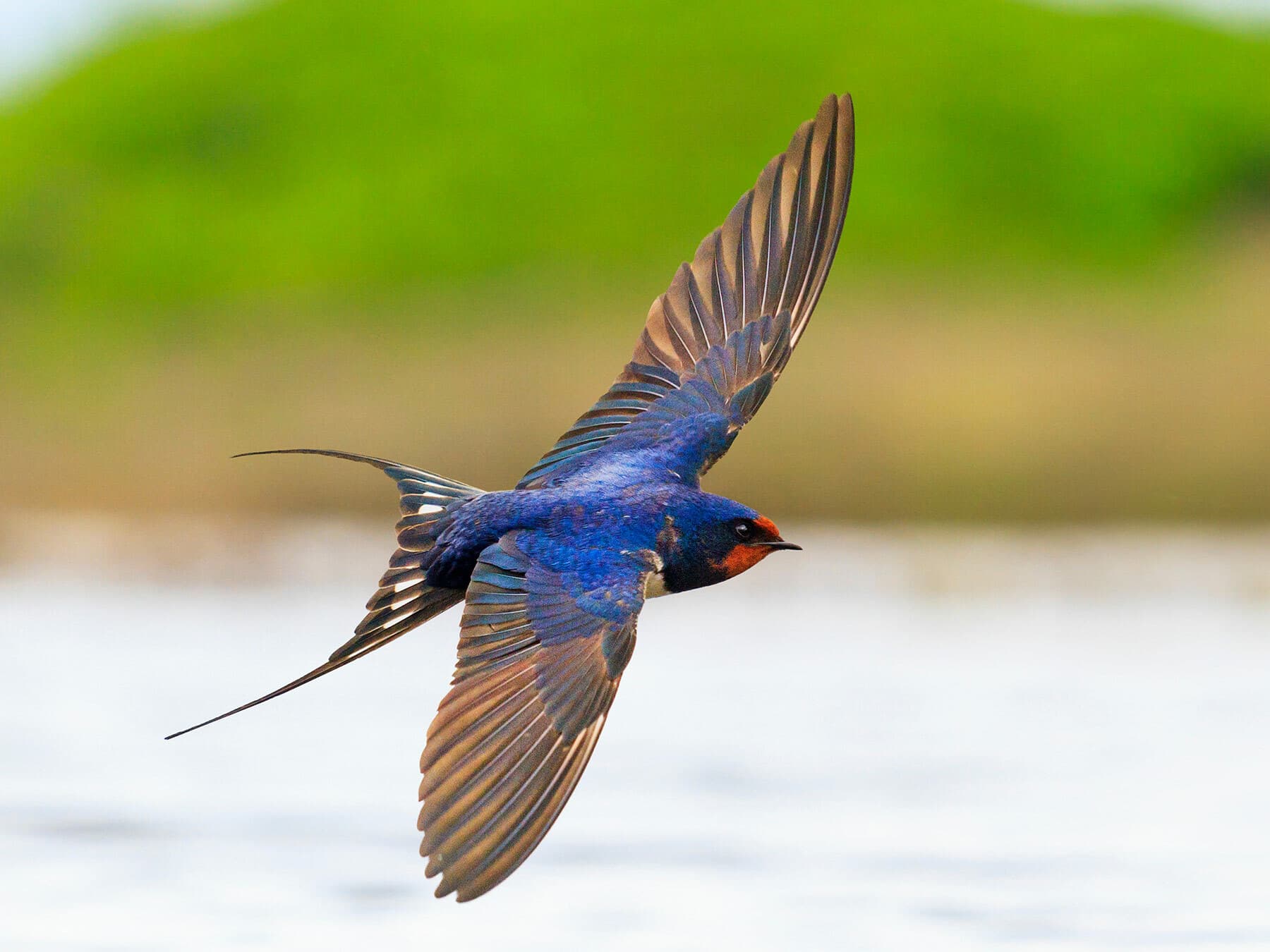
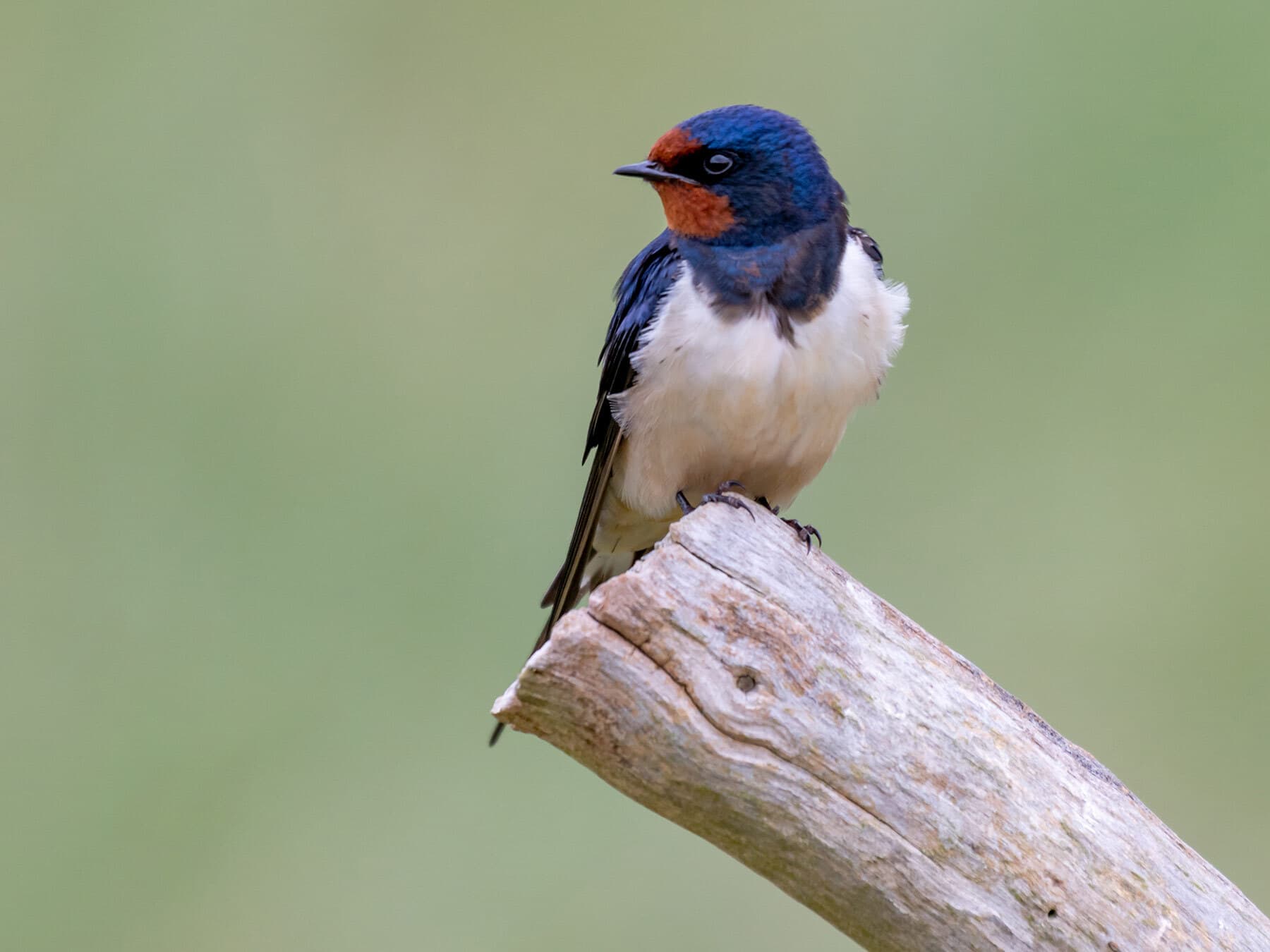
April brings the arrival of Britain's most beloved spring migrants. Swallows begin appearing in numbers from early April, their distinctive forked tails and russet throats announcing that summer is truly on its way. These graceful flyers often return to the exact same buildings where they nested the previous year, demonstrating remarkable site fidelity across thousands of miles.
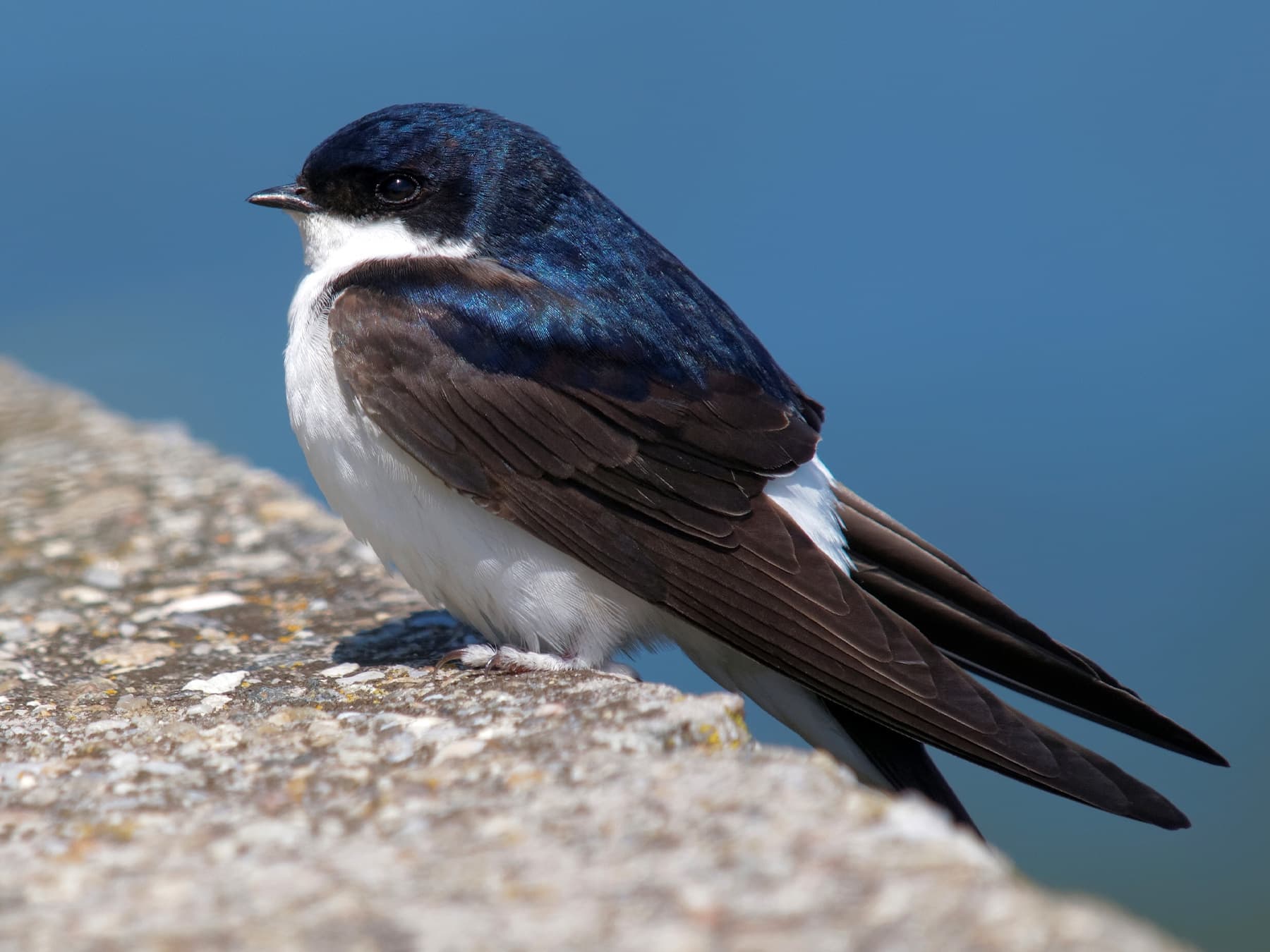
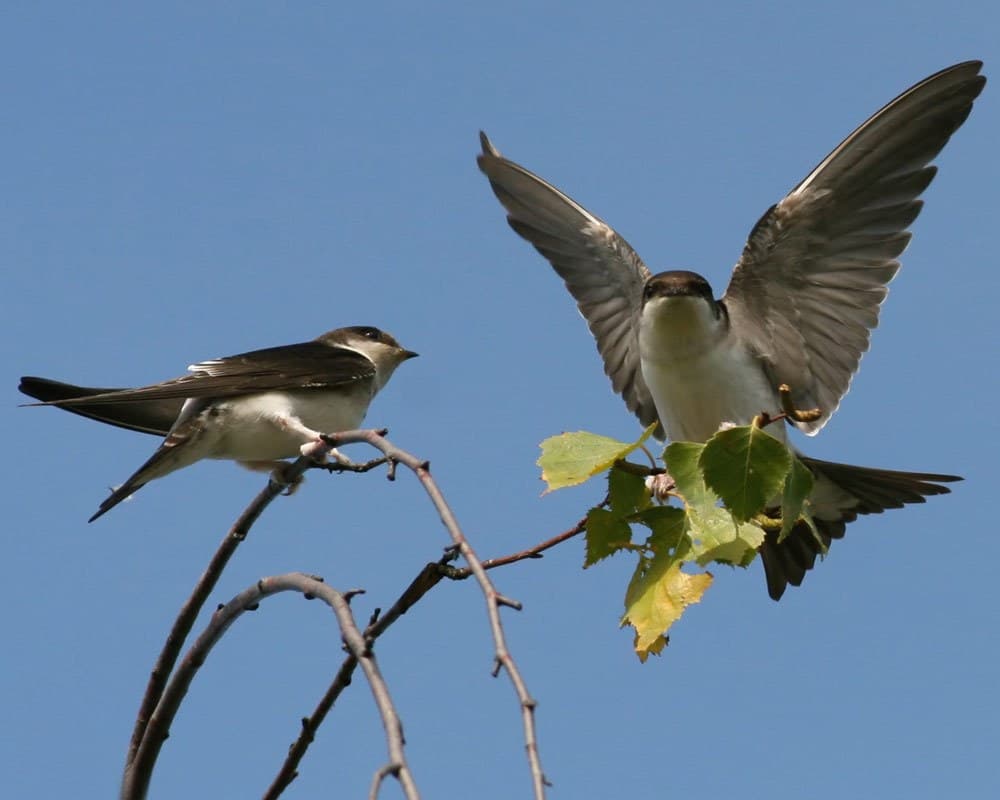
House martins follow closely behind, their white rumps and shorter tails distinguishing them from their swallow cousins. Unlike swallows, which prefer rural barns and outbuildings, house martins have adapted well to urban environments, building their mud cup nests under the eaves of houses and shops.
May's Symphony: Warblers and Cuckoos
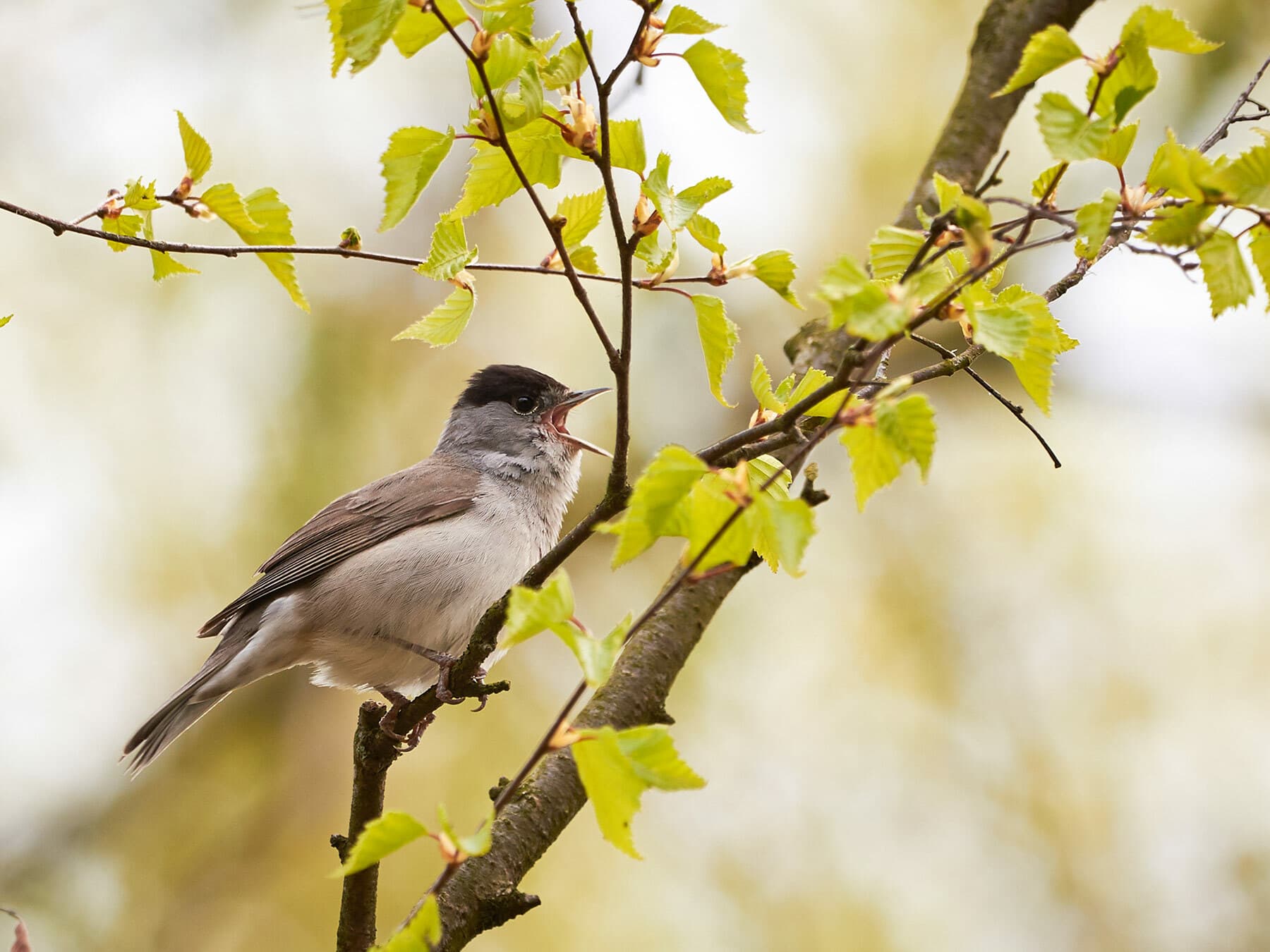
May marks the peak of spring migration, as woodlands come alive with the songs of newly arrived warblers. Blackcaps, with their distinctive black or brown caps, fill deciduous woods with their rich, flute-like melodies. Willow warblers add their cascading songs to the dawn chorus, while garden warblers contribute their sustained, warbling phrases from dense undergrowth.
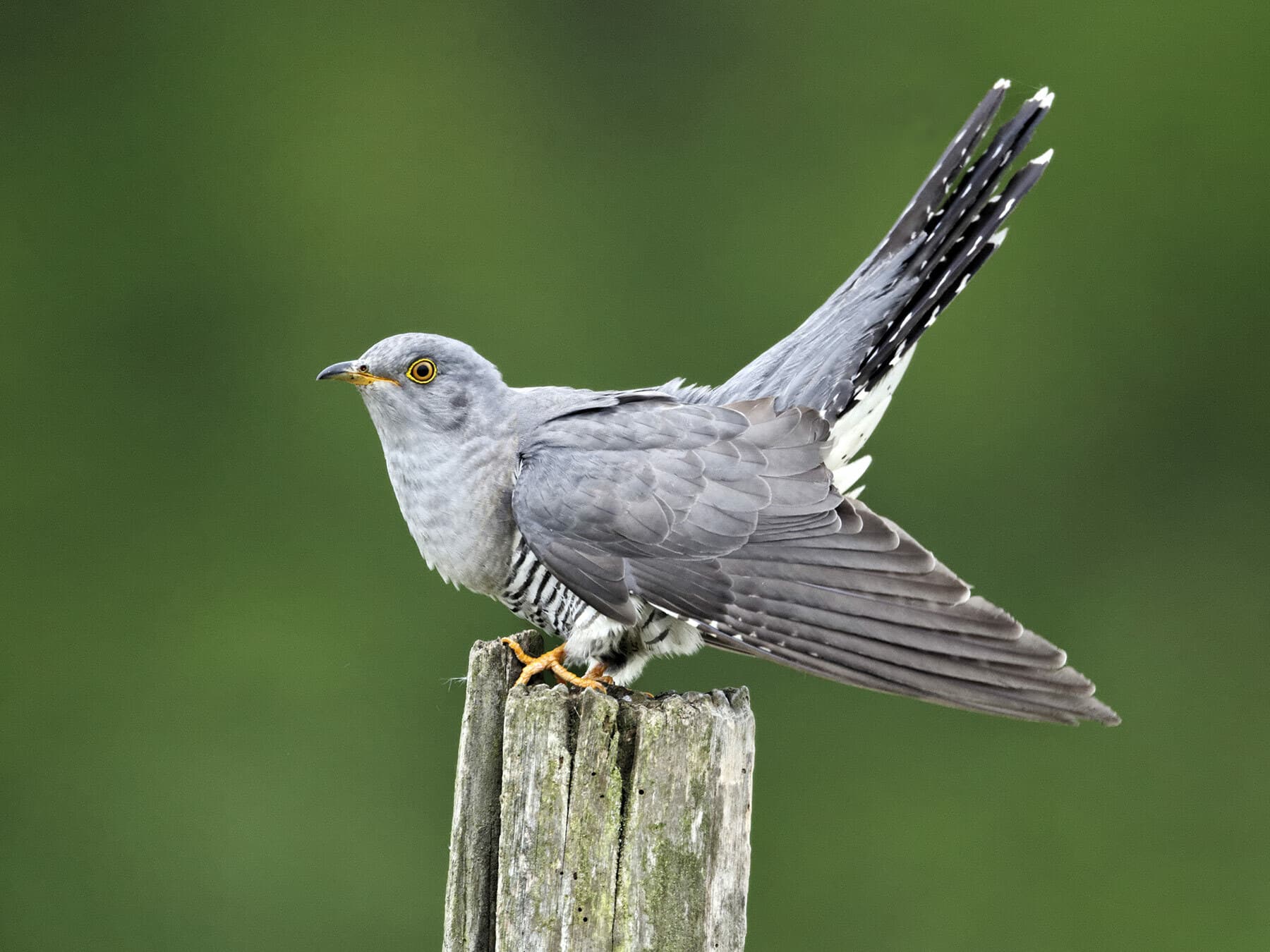
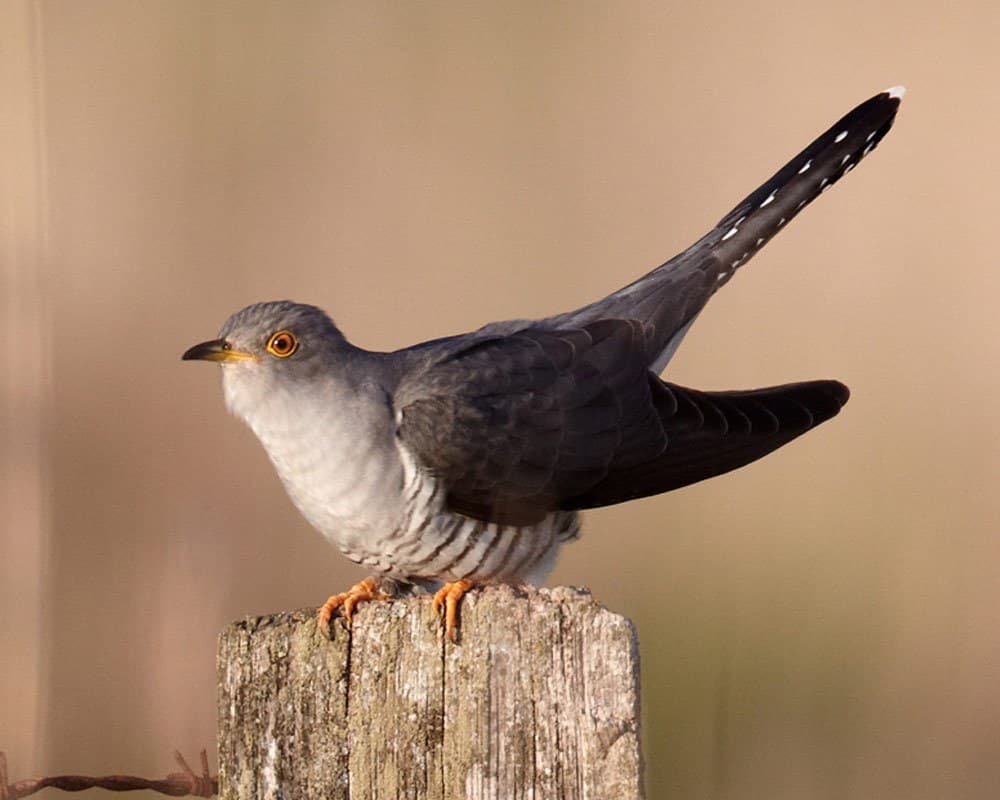
The month's most iconic arrival is undoubtedly the cuckoo. The male's unmistakable two-note call has heralded spring in Britain for millennia, though sadly, cuckoo numbers have declined dramatically in recent decades. These remarkable birds arrive in late April and early May, with males establishing territories and calling persistently to attract mates.
The Last to Arrive: Swifts and Spotted Flycatchers
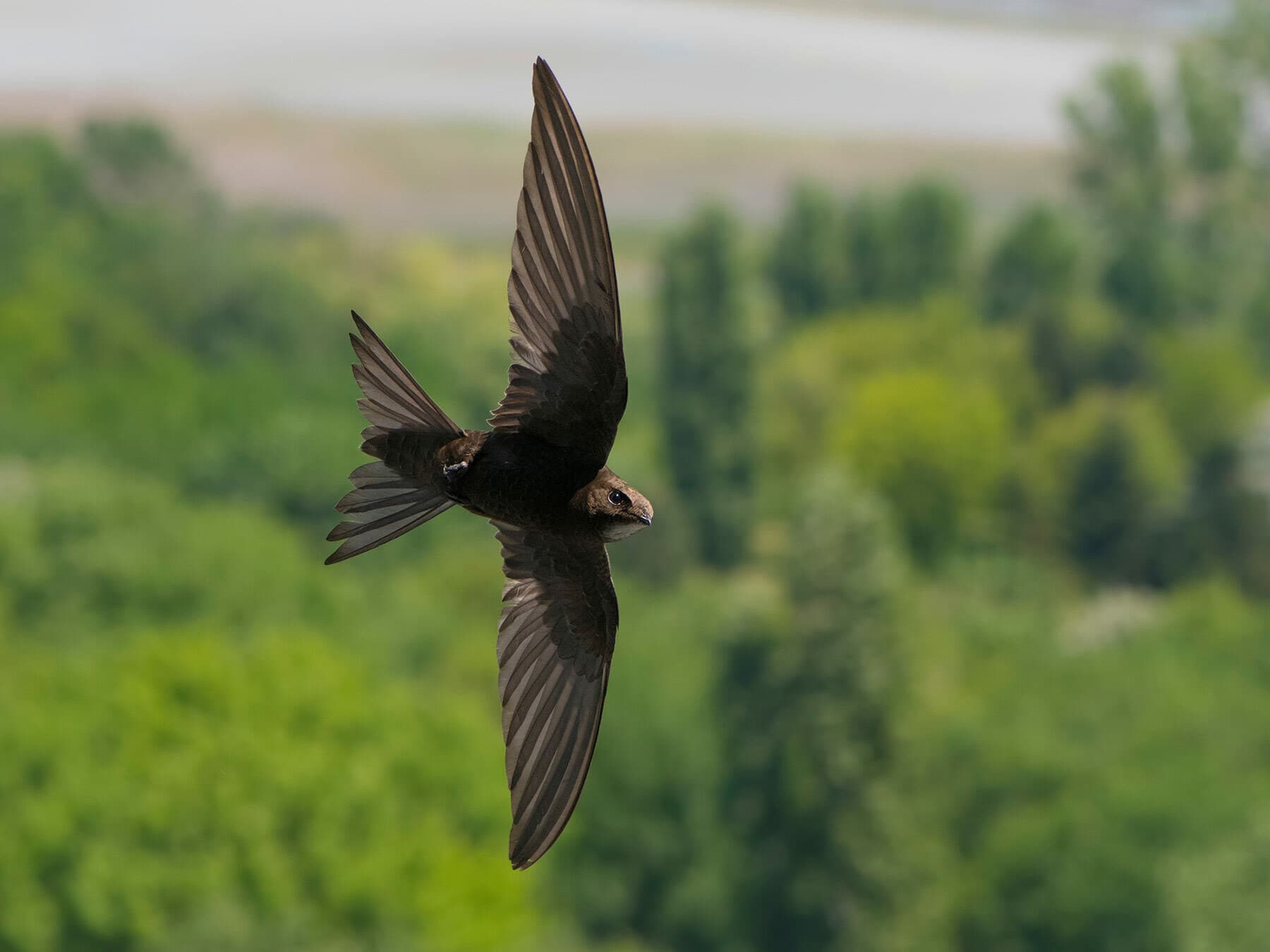
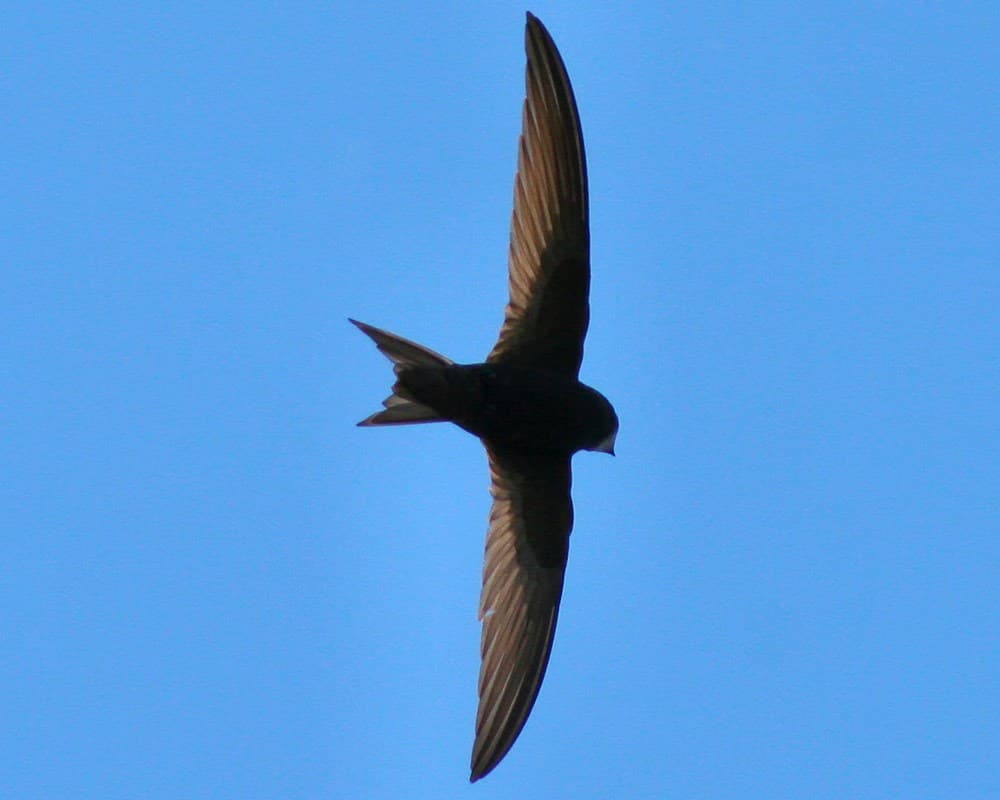
Common swifts are among the last migrants to reach the UK, typically arriving in late April and early May. These supreme aerial specialists spend almost their entire lives on the wing, feeding, mating, and even sleeping while flying. Their arrival transforms summer evenings, as screaming parties of swifts race around buildings and through the air at breakneck speed.
Spotted flycatchers bring up the rear of spring migration, often not arriving until mid to late May. These unassuming brown birds are masters of precision flying, darting from prominent perches to snatch insects from the air with audible snaps of their bills.
Timing and Climate Change
Traditional migration timing has evolved over thousands of years, with birds arriving precisely when conditions are optimal for breeding. However, climate change is beginning to disrupt these ancient patterns. Warmer springs mean insects emerge earlier, potentially creating a mismatch between food availability and bird arrival times.
Some species are adapting by arriving earlier, while others maintain their traditional schedules. Research shows that swallows now arrive in the UK an average of 15 days earlier than they did in the 1960s, while cuckoos have shown less flexibility in their timing, possibly contributing to their decline.
Did You Know?
Where to Watch Spring Migration
The best locations for observing spring migration combine suitable habitat with geographical advantages. Coastal sites often provide the first glimpse of arriving migrants, particularly headlands and islands that act as natural funnels. Portland Bill in Dorset, Dungeness in Kent, and the Isles of Scilly are legendary among birdwatchers for their spring migration spectacles.
Inland, reservoirs and gravel pits attract early sand martins and swallows, while woodland edges come alive with warbler song throughout April and May. Urban parks and gardens shouldn't be overlooked – many migrants pass through or settle in surprisingly built-up areas.
Conservation Challenges
Many of Britain's spring migrants face significant conservation challenges. Habitat loss both in the UK and along migration routes threatens numerous species. Agricultural intensification has reduced insect abundance, while development has eliminated traditional nesting sites.
Climate change adds another layer of complexity, potentially disrupting the delicate timing that has evolved over millennia. Some species, like turtle doves and spotted flycatchers, have experienced severe population declines, while others, such as blackcaps, have shown remarkable adaptability.
Conservation efforts focus on protecting key habitats, reducing pesticide use, and maintaining traditional farming practices that support insect populations. International cooperation is essential, as these birds depend on suitable conditions throughout their range, from British breeding grounds to African wintering areas.
The Magic Continues
Despite the challenges, spring migration remains a testament to evolutionary precision. Each year, millions of birds complete journeys that would challenge the most sophisticated human navigation systems, driven by an ancient urge to breed and raise young in the landscapes of their birth.
For birdwatchers and nature lovers, spring migration offers unparalleled opportunities to witness this natural wonder. Whether it's the first swallow of the year skimming over a village pond or the haunting call of a cuckoo drifting across a May morning, these moments connect us to rhythms that have shaped our countryside for thousands of years.
Identify Any Bird Instantly
- Upload a photo from your phone or camera
- Get an instant AI identification
- Ask follow-up questions about the bird
Monthly Birds in Your Area
- Personalised for your location
- Seasonal tips and garden advice
- Updated every month with new species