Facts · Updated 9 Mar 2026
Do Birds Eat Spiders? Species, Nutrition & Behaviour Explained
By the Birdfact teamChecked by Nathan Cope
On this page8 sections
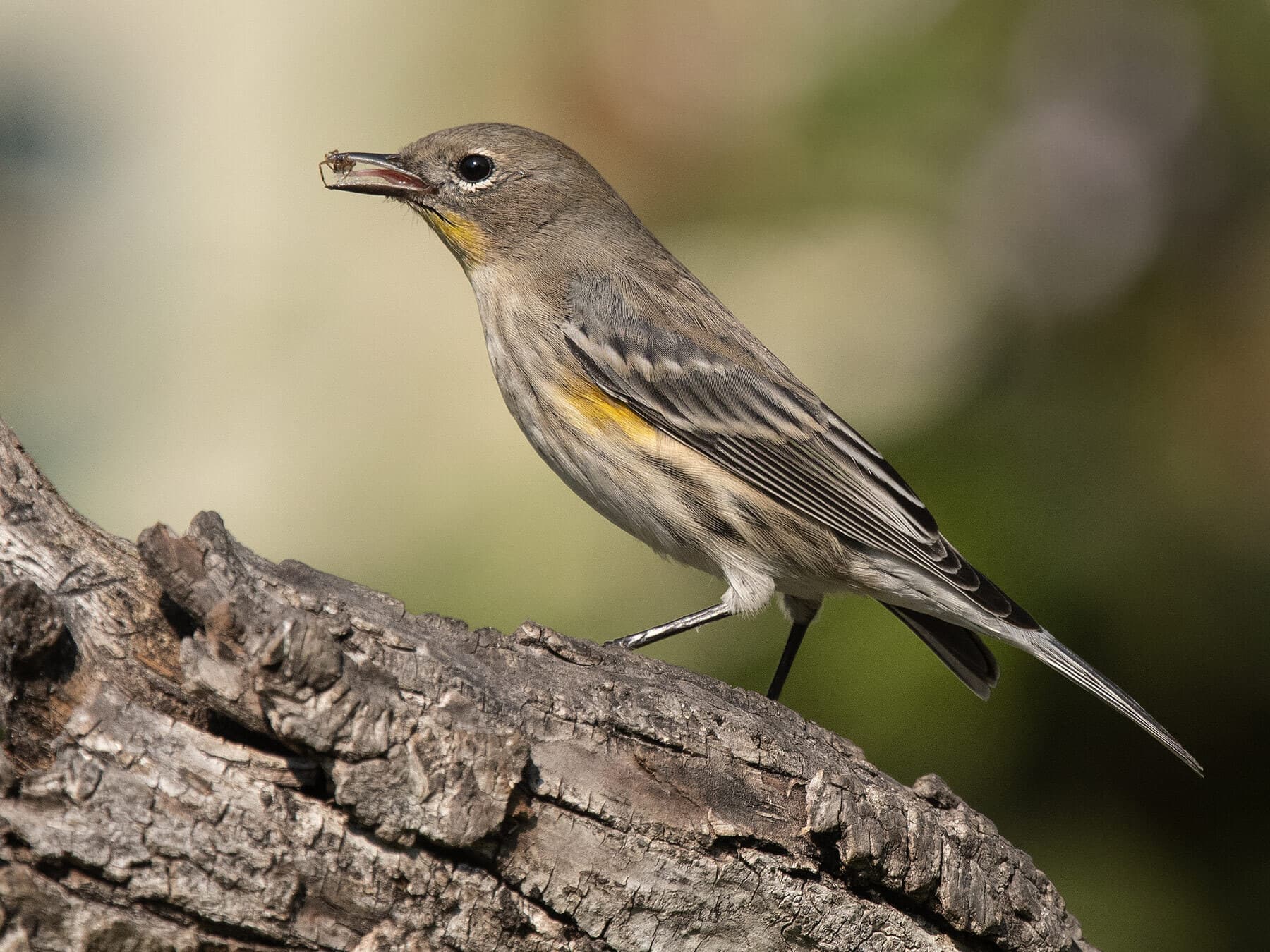
Watch a European Robin foraging in a damp garden border, and you might assume it is exclusively hunting for earthworms. In reality, a significant portion of its daily catch has eight legs. From tiny garden songbirds to opportunistic owls, spiders form an essential, nutrient-dense component of avian diets worldwide.
While seeds and berries provide the necessary carbohydrates for winter survival, spiders offer something entirely different: a concentrated hit of protein and specific amino acids that are difficult to find in plant matter. For many species, particularly during the spring breeding season, hunting arachnids becomes a primary foraging activity.
Timing is everything in the natural world. In early spring, when many resident birds begin laying their eggs, caterpillar populations have not yet reached their peak. During this critical window, overwintering spiders and early-emerging arachnids bridge the hunger gap. Without this abundant, cold-hardy food source, early nesters like Robins and Blackbirds would struggle to find enough protein to sustain their first broods of the year.
The Taurine Connection: Building Better Bird Brains
The relationship between birds and spiders goes far beyond basic calorie counting. In 2007, researchers at the University of Glasgow uncovered exactly why parent birds actively choose to hunt spiders for their nestlings. The secret lies in an amino acid called taurine.
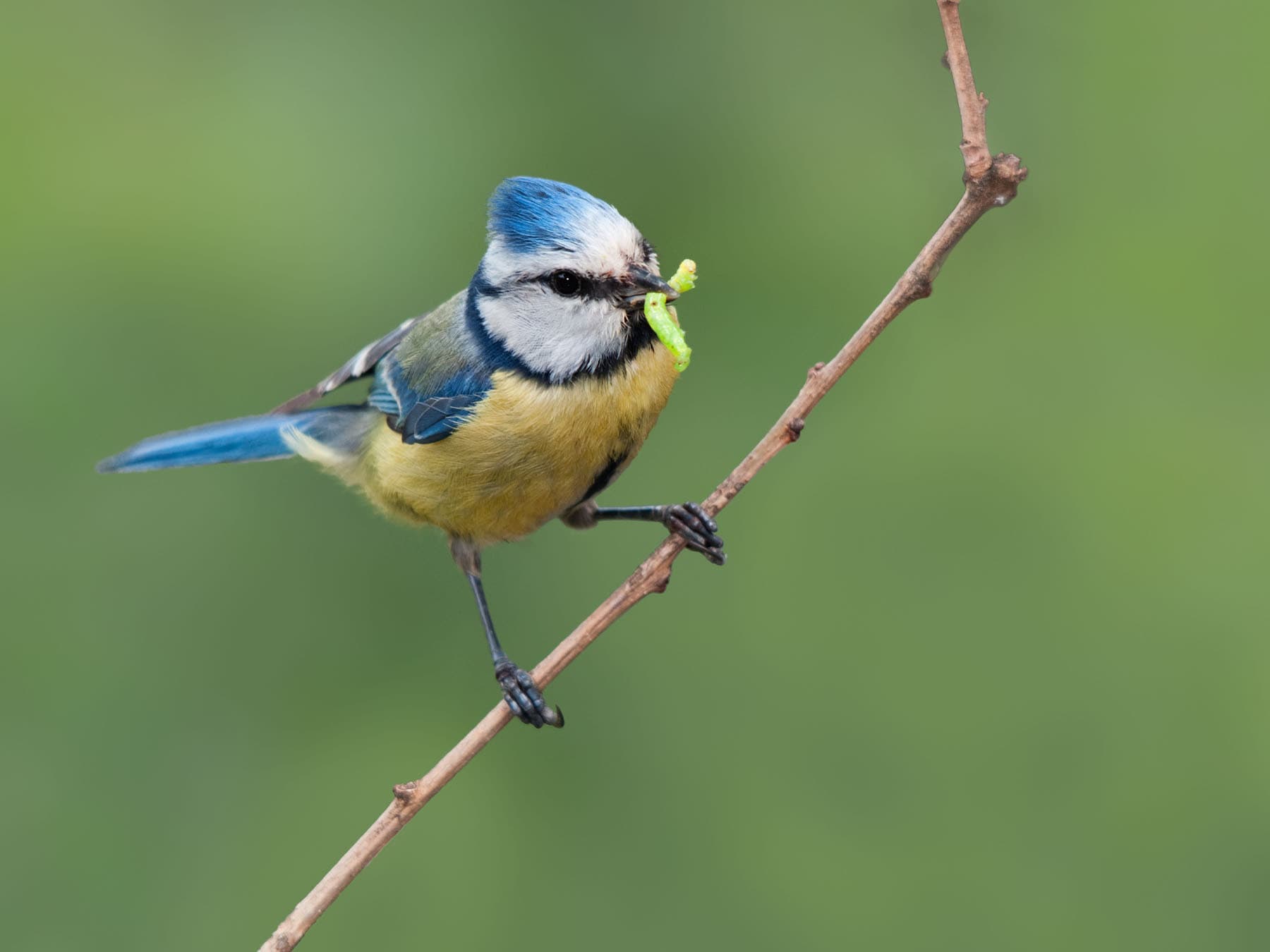
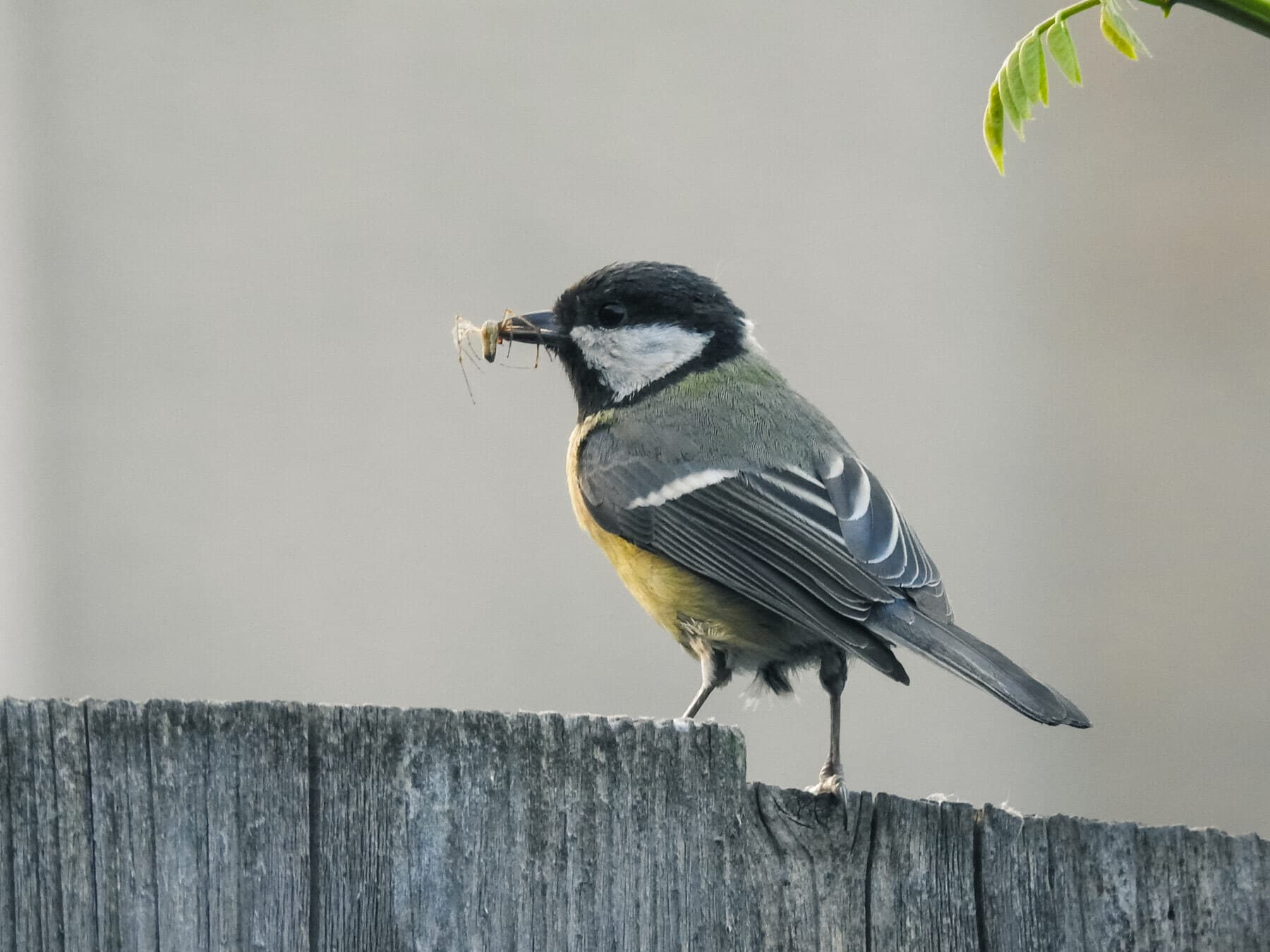
Spiders contain exceptionally high levels of taurine compared to other invertebrate prey. When adult Blue Tits and Great Tits are raising their broods, they actively select spiders over caterpillars to feed their youngest chicks. In some cases, spiders make up around 75% of the nestlings' diet during their first few days of life.
The Glasgow study, led by Dr Kate Arnold, involved supplementing the diets of wild Blue Tit chicks with extra taurine. The researchers then monitored the birds as they grew into adults. They discovered that the taurine-fed birds were significantly bolder when exploring new environments and showed measurably better spatial learning abilities.
Spatial memory is a critical survival skill for a small bird. It dictates their ability to remember the locations of food caches, navigate complex woodland territories, and recall the safest hiding spots from predators. By selectively hunting spiders during the first week of a chick's life, parent birds are actively shaping the neurological development and future survival skills of their offspring.
Nutritional Profile: Why Spiders Beat Seeds
While adult birds can sustain themselves on seeds, berries, and suet during the winter months, raising chicks requires a completely different nutritional profile. Nestlings grow at a rapid rate, often doubling their body weight in a matter of days. This rapid development demands high levels of protein.
Spiders offer a highly efficient meal for a growing bird. Unlike heavily armoured beetles, which have tough chitinous exoskeletons that are difficult for a chick to digest, spiders have relatively soft bodies. Their abdomens are packed with moisture, which is critical because nestlings do not drink water directly — they get all their hydration from their food.
Furthermore, spiders are predators themselves. Because they consume a wide variety of insects, their bodies contain a diverse mix of nutrients, effectively acting as a multivitamin for the birds that eat them.
Which Birds Eat Spiders?
Almost any bird that consumes insects will happily eat a spider. The frequency depends entirely on the bird's foraging style and the local habitat. Ground-feeding birds and foliage-gleaners are the most frequent spider hunters.
Robins, Wrens and Tits
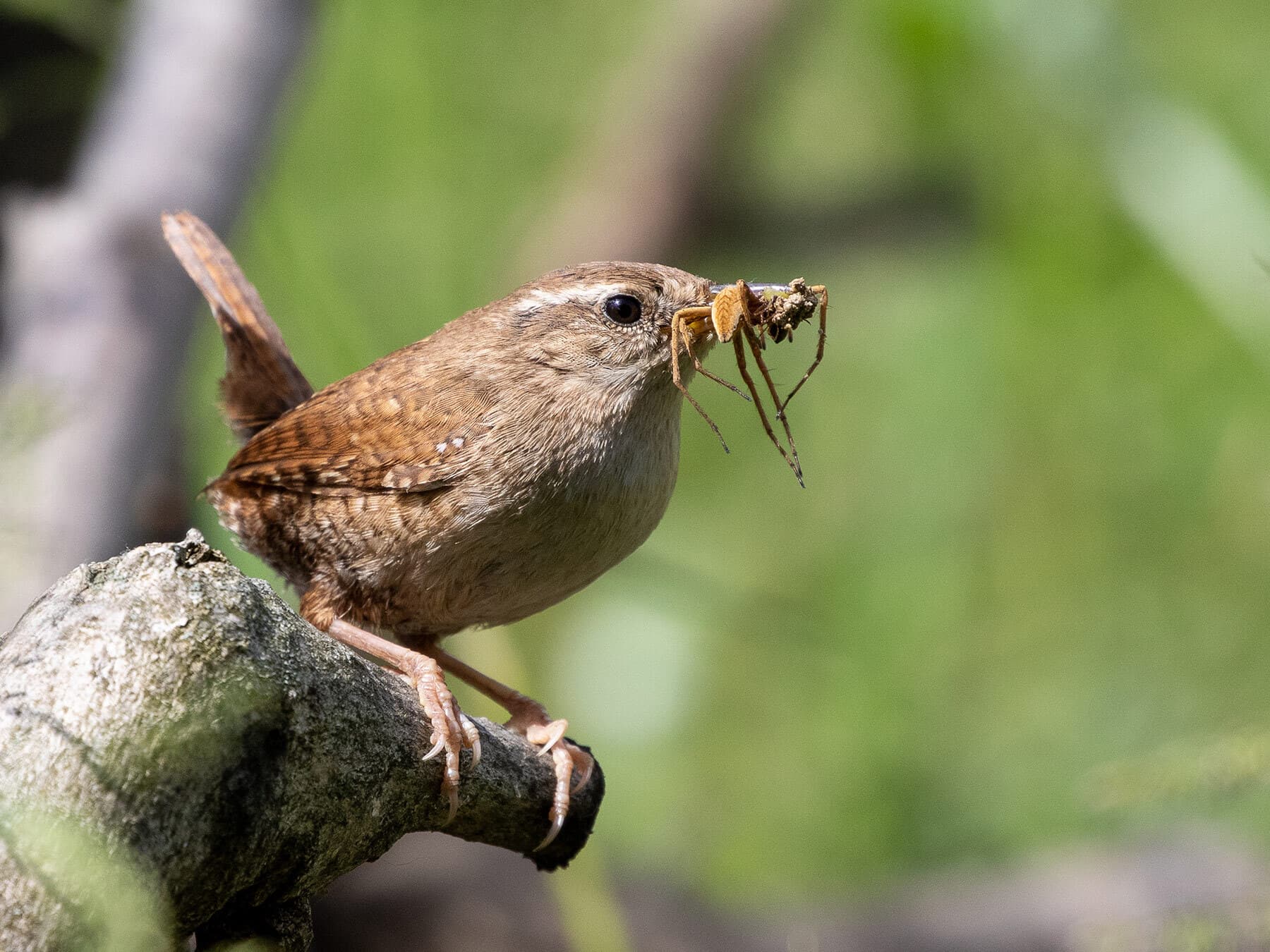
Garden songbirds are frequent arachnid hunters. House Wrens meticulously search the undersides of leaves and dark crevices in tree bark, picking off jumping spiders and orb-weavers. European Robins use their sharp eyesight to spot wolf spiders moving across the leaf litter, darting down from a low perch to snatch them before they can retreat into the undergrowth.
Hummingbirds
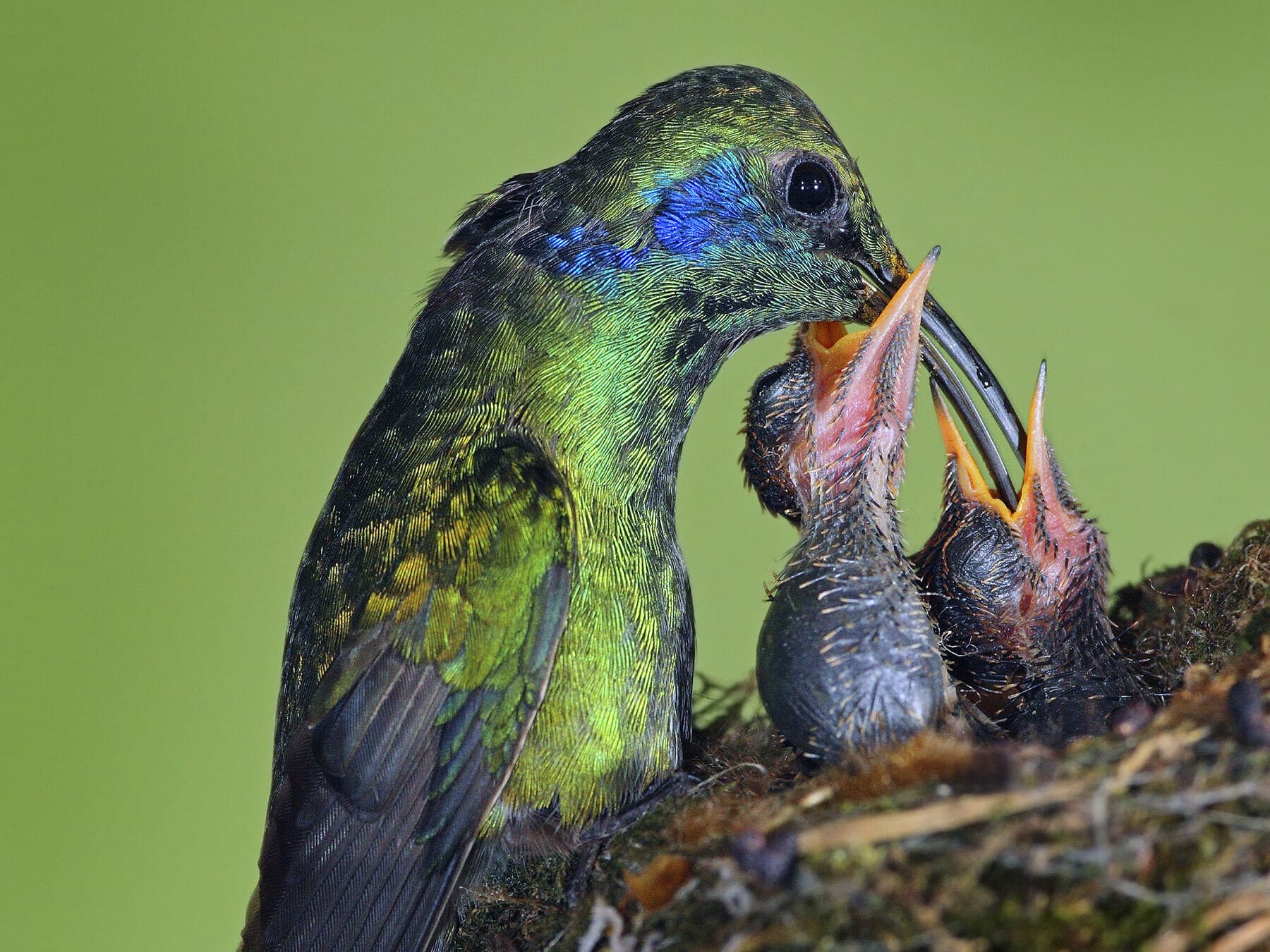
We typically associate hummingbirds with brightly coloured flowers and sugar-water feeders. However, nectar only provides the energy-dense fuel required to keep their wings beating at up to 80 times per second. For actual physical growth and muscle maintenance, they need protein.
Entomologist Doug Tallamy from the University of Delaware estimates that up to 80% of a Ruby-throated Hummingbird's diet consists of small insects and spiders. They frequently hover in front of spider webs, carefully plucking trapped insects from the sticky threads, and will happily eat the resident spider while they are there.
Treecreepers and Nuthatches
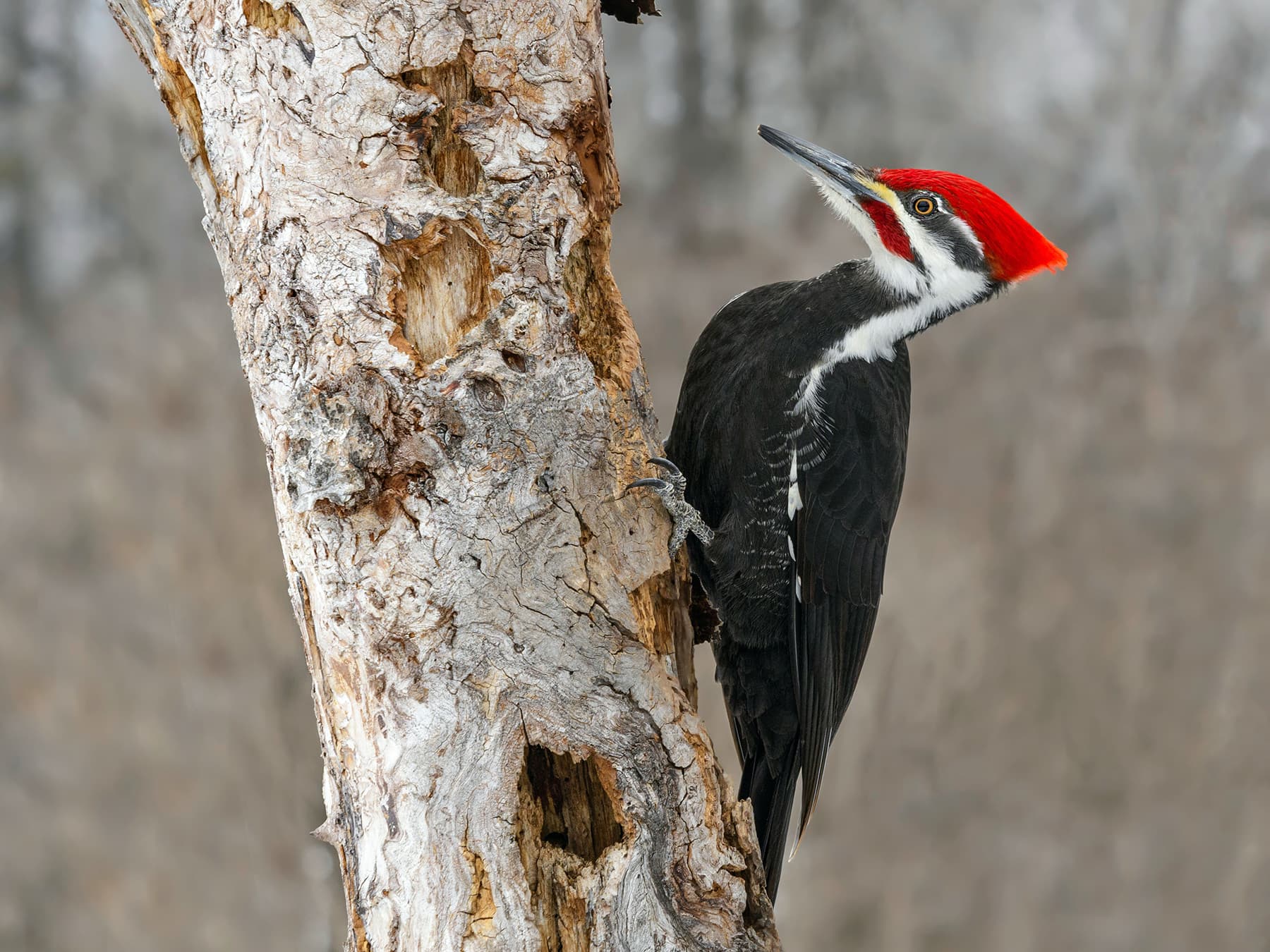
During the harsh winter months when flying insects are entirely absent, bark-foraging birds rely heavily on dormant spiders. Treecreepers and Nuthatches spiral up and down tree trunks, using their needle-like bills to extract overwintering spiders and their egg sacs from deep fissures in the bark.
Owls and Larger Opportunists
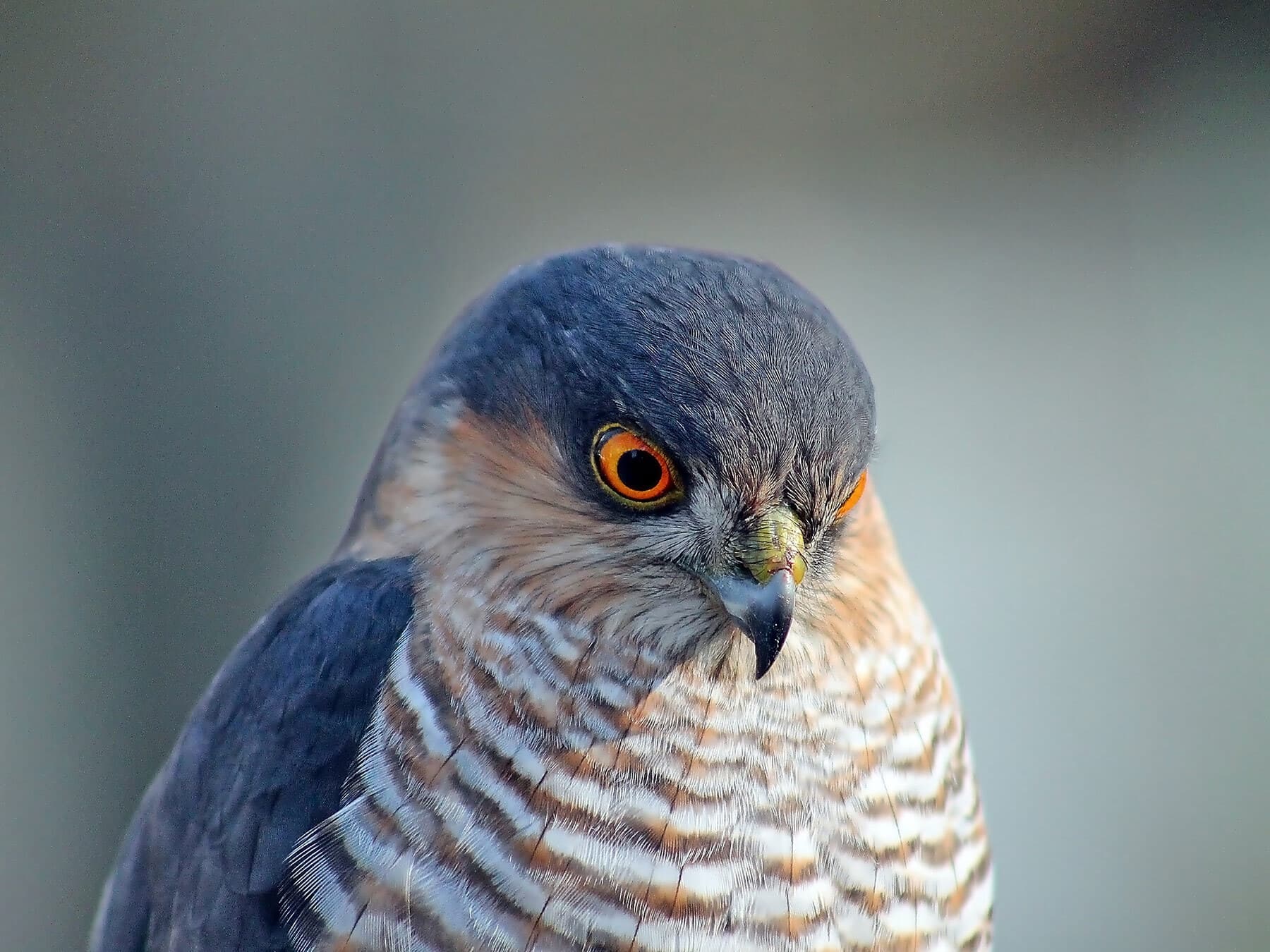
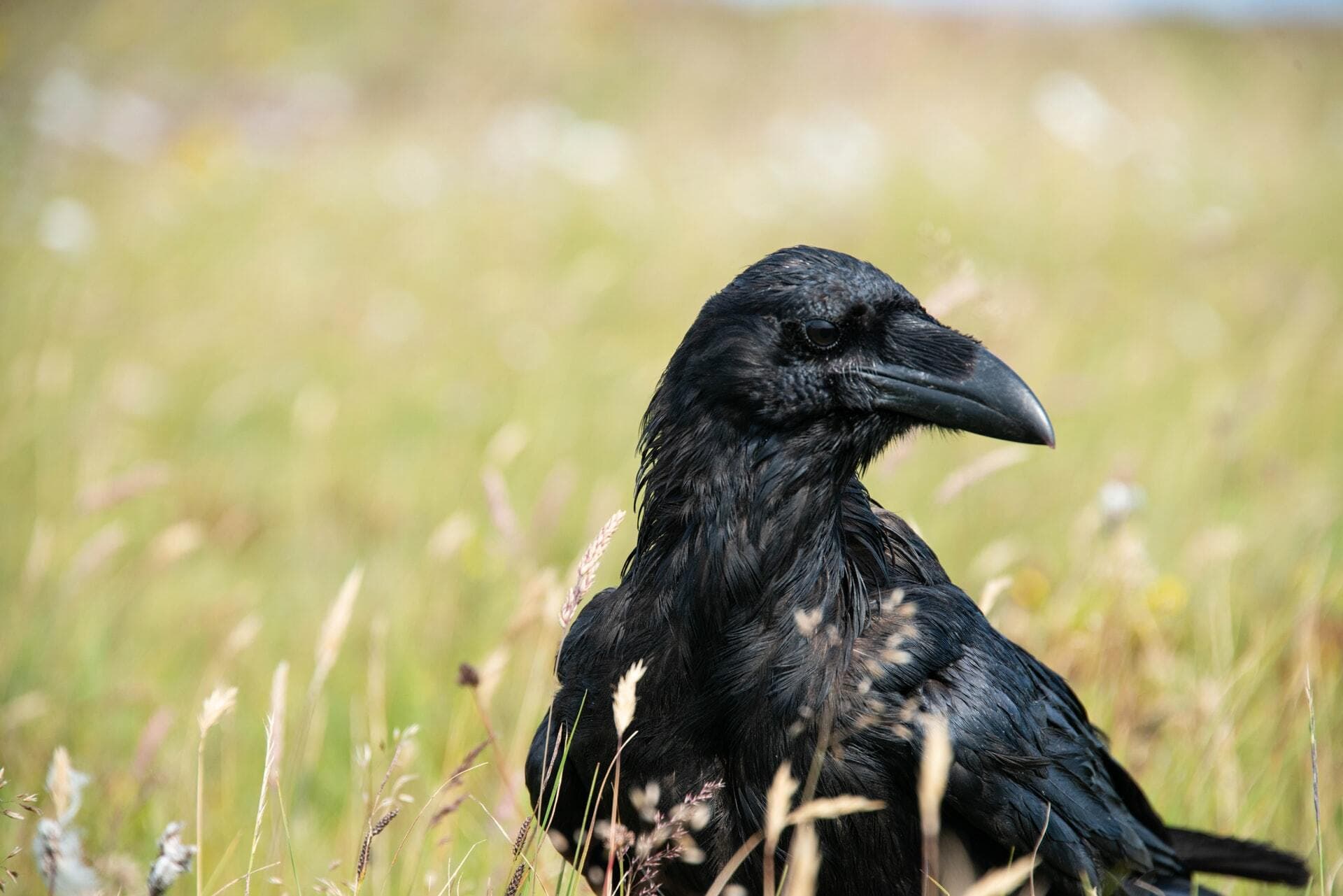
While raptors primarily hunt rodents, many smaller owl species supplement their diets with invertebrates. Barn Owls, Screech Owls, and Elf Owls will readily consume large wolf spiders and huntsman spiders if they spot them moving across the ground at night. Even omnivorous scavengers like crows, jackdaws, and pigeons will snap up a large house spider if it crosses their path.
What Types of Spiders Do Birds Eat?
Birds are generally not fussy about the specific taxonomy of their prey. If a spider is small enough to swallow and lacks heavy chemical defences, it is on the menu.
Wolf Spiders
These fast-moving, ground-dwelling spiders do not build webs. Instead, they actively hunt through leaf litter and grass. This makes them prime targets for ground-foraging birds like thrushes, blackbirds, and European Robins.
Orb Weavers
The classic web-building spiders are highly visible targets. Tits and warblers have developed the technique of hovering briefly to pluck an orb weaver straight from the centre of its web, often stealing the spider's wrapped prey while they are at it.
Cellar Spiders
Often referred to as daddy long-legs, these spiders congregate in sheds, barns, and under eaves. Barn Swallows and House Martins frequently pick them off the rafters before heading out to hunt flying insects.
Hunting Tactics: The Art of the Catch
Catching a spider requires different techniques than catching a slow-moving caterpillar. Spiders are extremely sensitive to vibrations and can drop from their webs or dart into crevices in a fraction of a second.
Foliage-gleaning birds often take spiders by surprise, snatching them from the centre of their webs. Ground-hunters like blackbirds and thrushes chase down fast-moving wolf spiders on foot. Once caught, the bird rarely swallows a large spider immediately. Instead, they grip the arachnid in their beak and repeatedly strike it against a branch or rock.
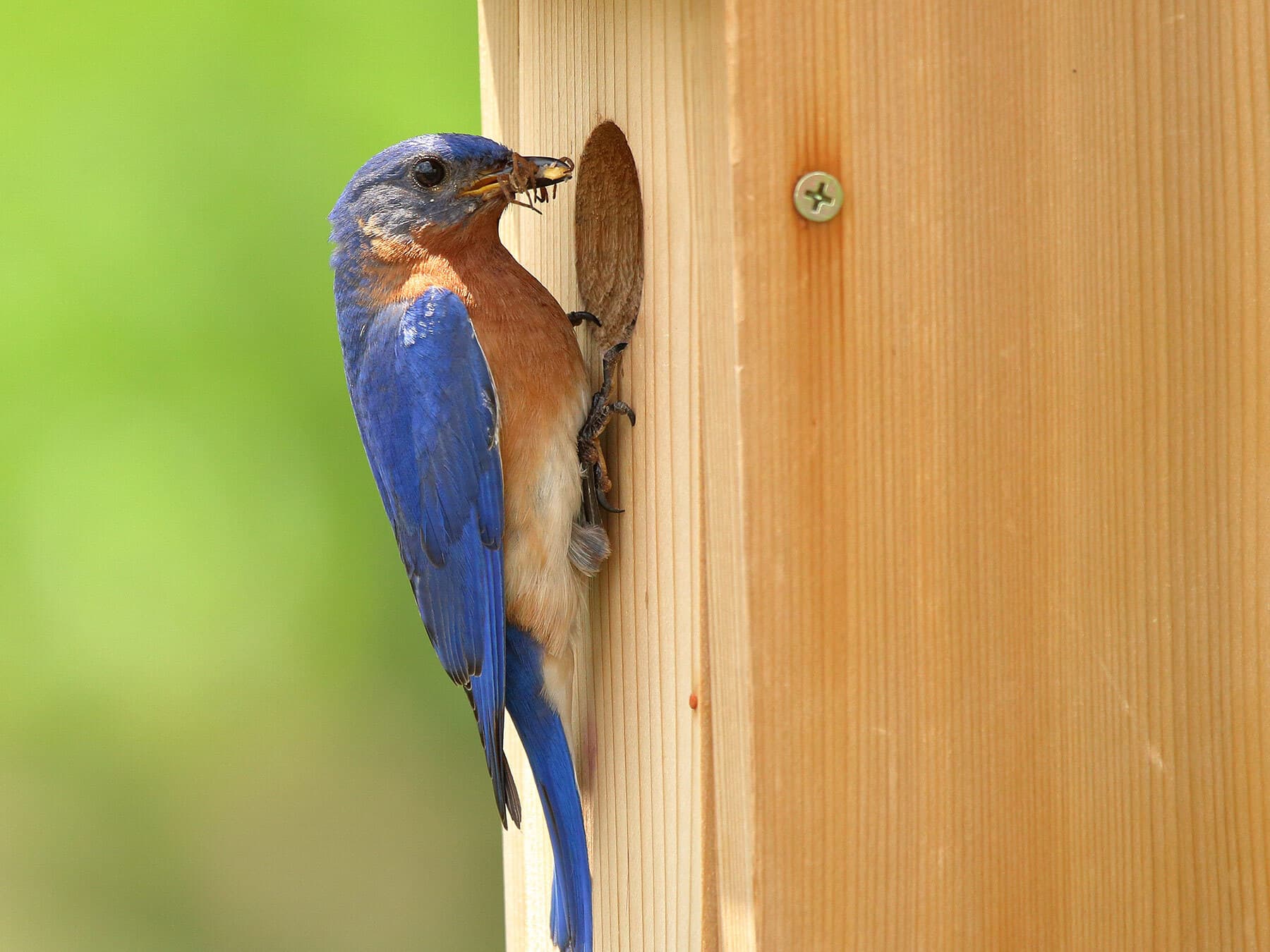
This bashing behaviour serves two purposes. First, it kills the spider, preventing it from biting. Second, it often removes the long, bristly legs, making the nutrient-rich abdomen much easier for a small chick to swallow. If a parent bird is feeding its young, it will almost always process the spider in this way before returning to the nest.
Are Venomous Spiders Dangerous to Birds?
A common misconception is that birds instinctively avoid venomous spiders. In reality, almost all spiders are venomous — they use venom to paralyse their prey. However, venom and poison are biologically different.
Poison is harmful when ingested, inhaled, or touched. Venom must be injected directly into the bloodstream to cause damage. When a bird eats a venomous spider, the venom is broken down and neutralised by the bird's highly acidic stomach juices without causing any harm.
The only genuine risk a bird faces is being bitten in the mouth or throat before the spider is swallowed. This is precisely why birds take the time to crush or dismember larger spiders before eating them or passing them to their nestlings.
Beyond Food: The Structural Value of Spider Silk
A spider's value to a bird extends beyond nutrition. During the spring breeding season, many species actively hunt for spider webs, not just for the architect, but for the building materials.
Spider silk is pound-for-pound stronger than steel and highly elastic. Hummingbirds, goldfinches, and Long-tailed Tits gather strands of spider silk to bind their nests together. They wrap the sticky threads around the outside of their moss and lichen cups, anchoring the structure firmly to the tree branch.
A single Long-tailed Tit nest can contain over 6,000 individual pieces of lichen, moss, and feathers. The birds use spider silk as the mortar to hold this complex dome together. As the brood of up to a dozen chicks grows, the elastic spider silk allows the entire nest to stretch and expand without tearing apart.
Gathering this silk requires precision. A bird must hover or perch carefully, spooling the silk around its beak without getting its wings tangled in the sticky threads. It is a delicate operation, but the resulting nest is strong enough to withstand high winds and heavy rain.
Conclusion
The relationship between birds and spiders is a fundamental part of woodland and garden ecology. Far from being an occasional snack, spiders provide the essential amino acids required to build better bird brains, the hydration needed to sustain rapidly growing chicks, and the structural silk required to hold nests together. The next time you see a Blue Tit meticulously inspecting a garden fence, there is a good chance it is hunting for the eight-legged fuel that will power its next generation.