Facts · Updated 9 Mar 2026
Do Birds Eat Apples? Which Species, How to Feed Them Safely
By the Birdfact teamChecked by Nathan Cope
Walk past an apple tree in late autumn, and you will likely hear the rustle of birds turning fallen fruit into a feast. Apples are an excellent, energy-rich food source for many wild birds, particularly when temperatures drop and insects become scarce. But while tossing a spare apple onto the lawn seems straightforward, not all birds will eat them, and a few simple preparation steps can make this fruit much safer and more appealing to your garden visitors.
Which Garden Birds Eat Apples?
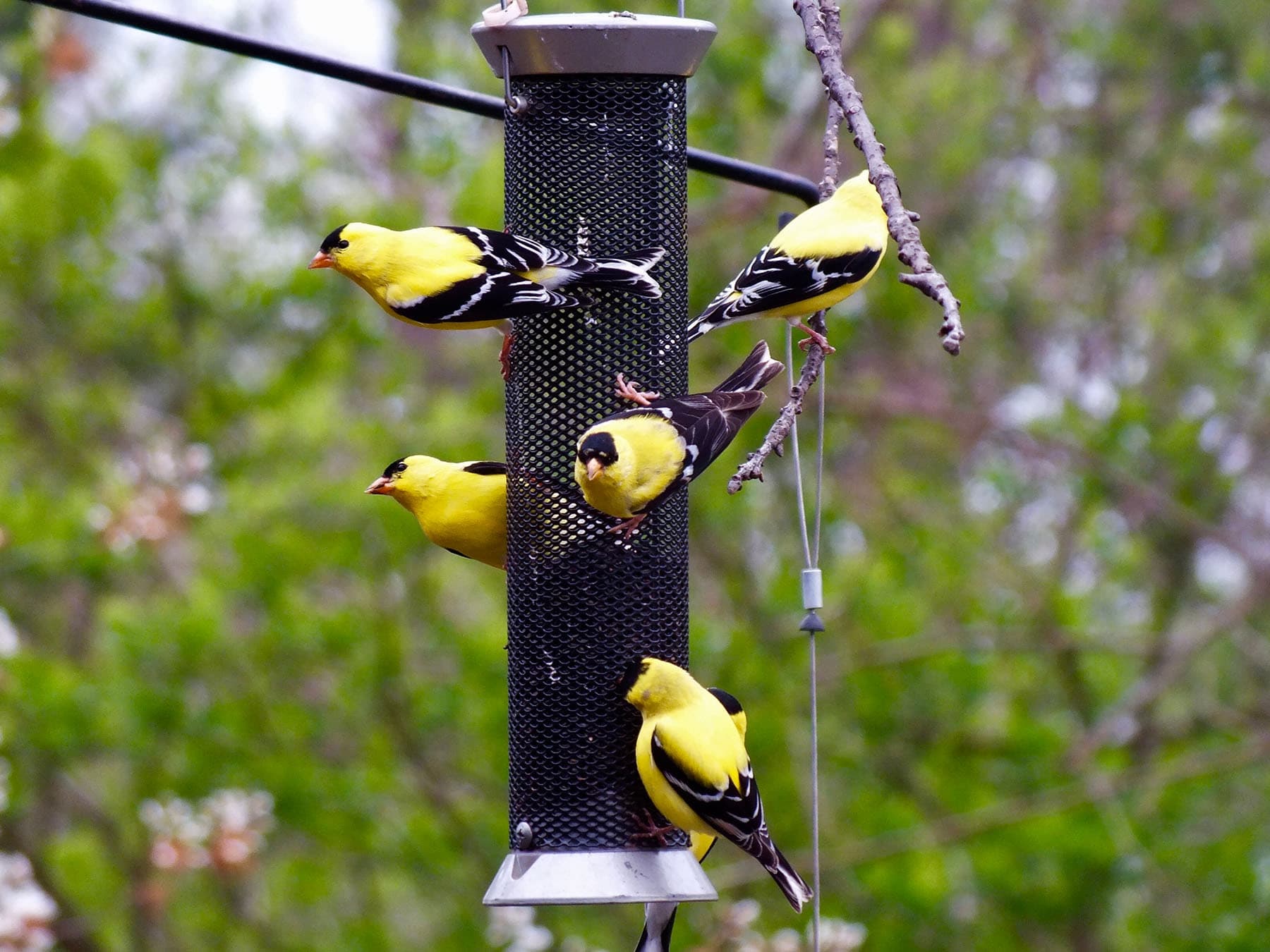
It is a common misconception that all birds enjoy eating apples. Strict seed-eaters, like most finches, will usually ignore fruit entirely. Apples appeal primarily to frugivores (fruit-eaters) and omnivorous birds that naturally forage for berries and fallen fruit in the wild.
UK Birds That Eat Apples
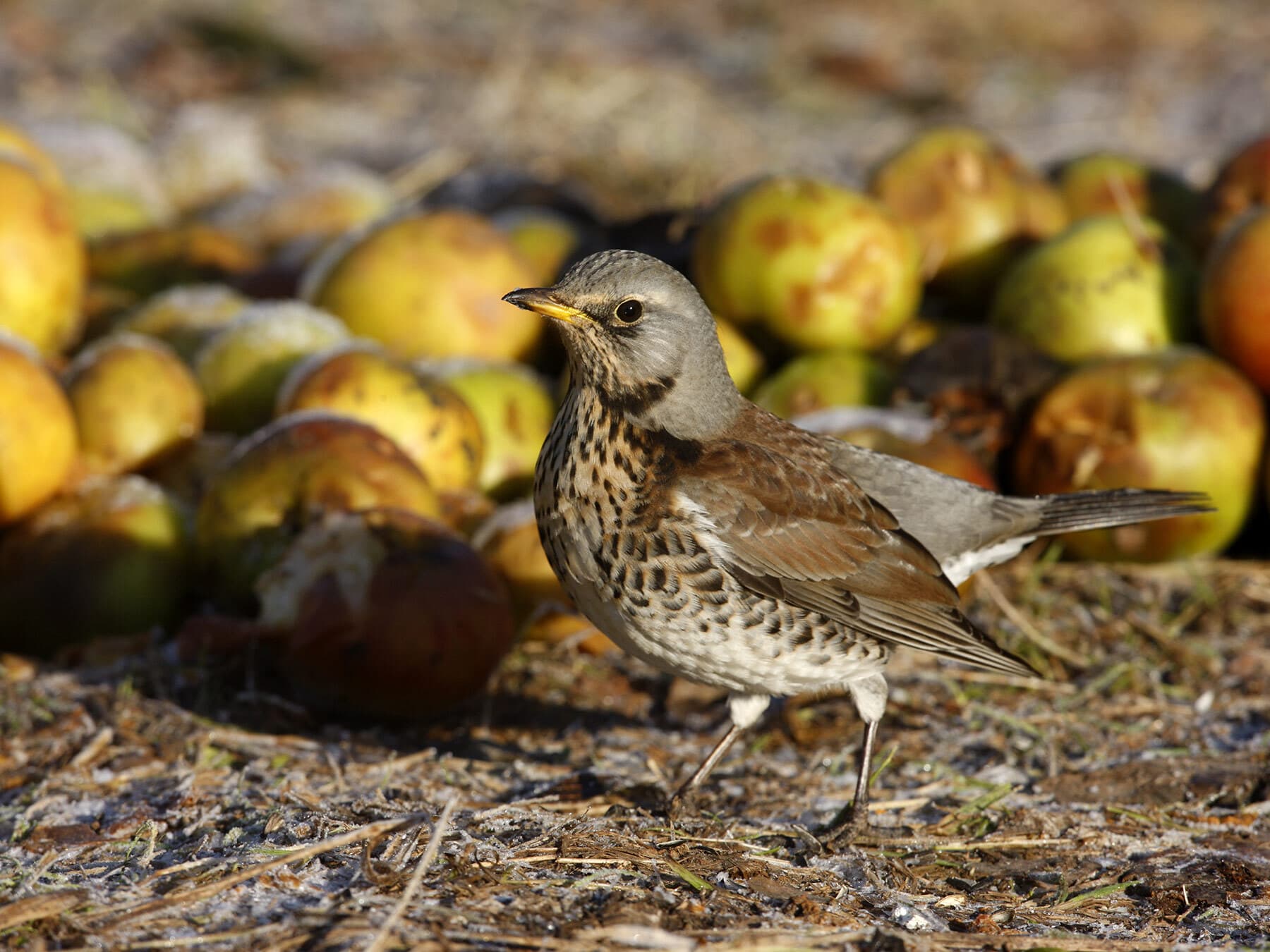
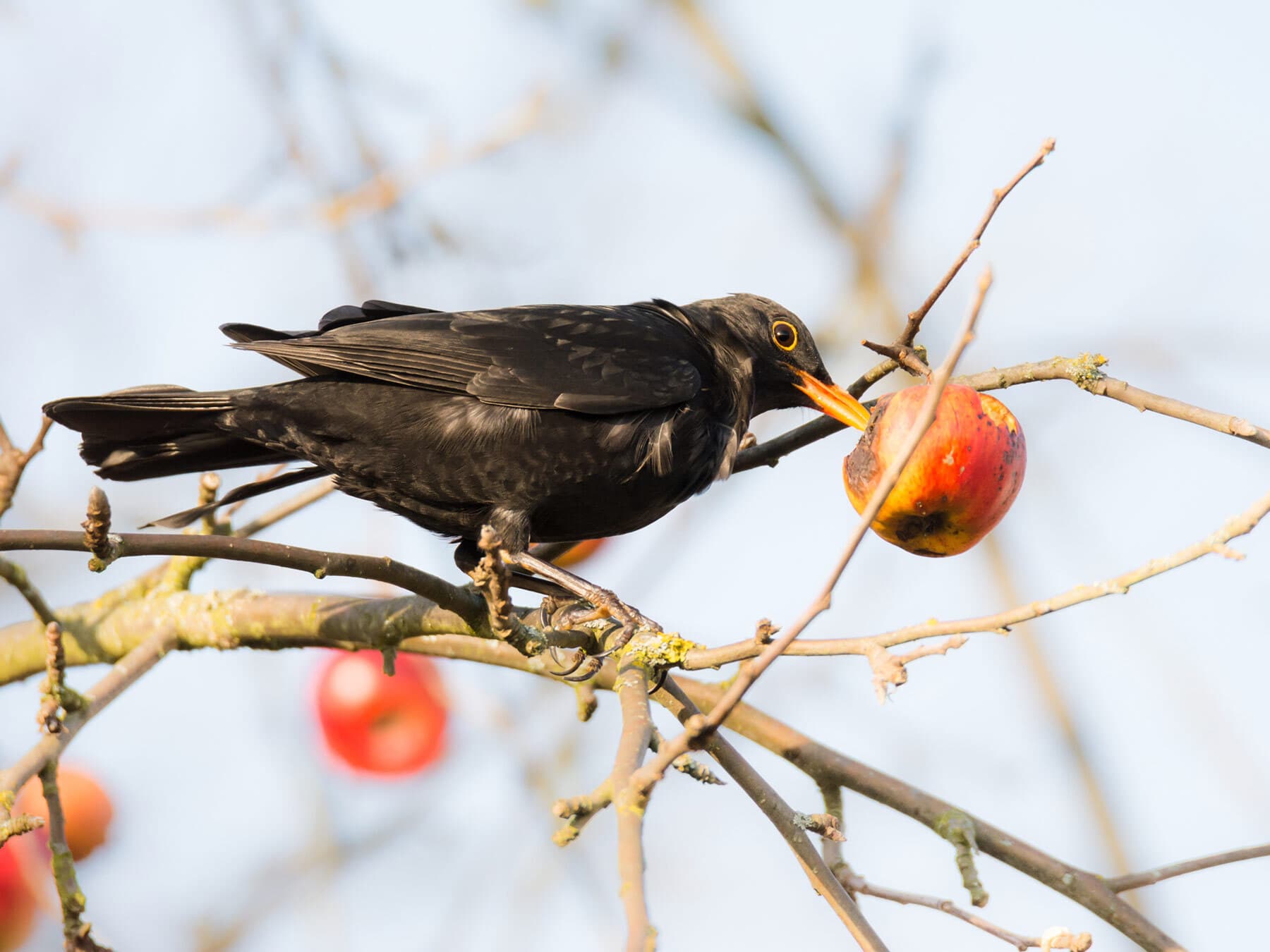
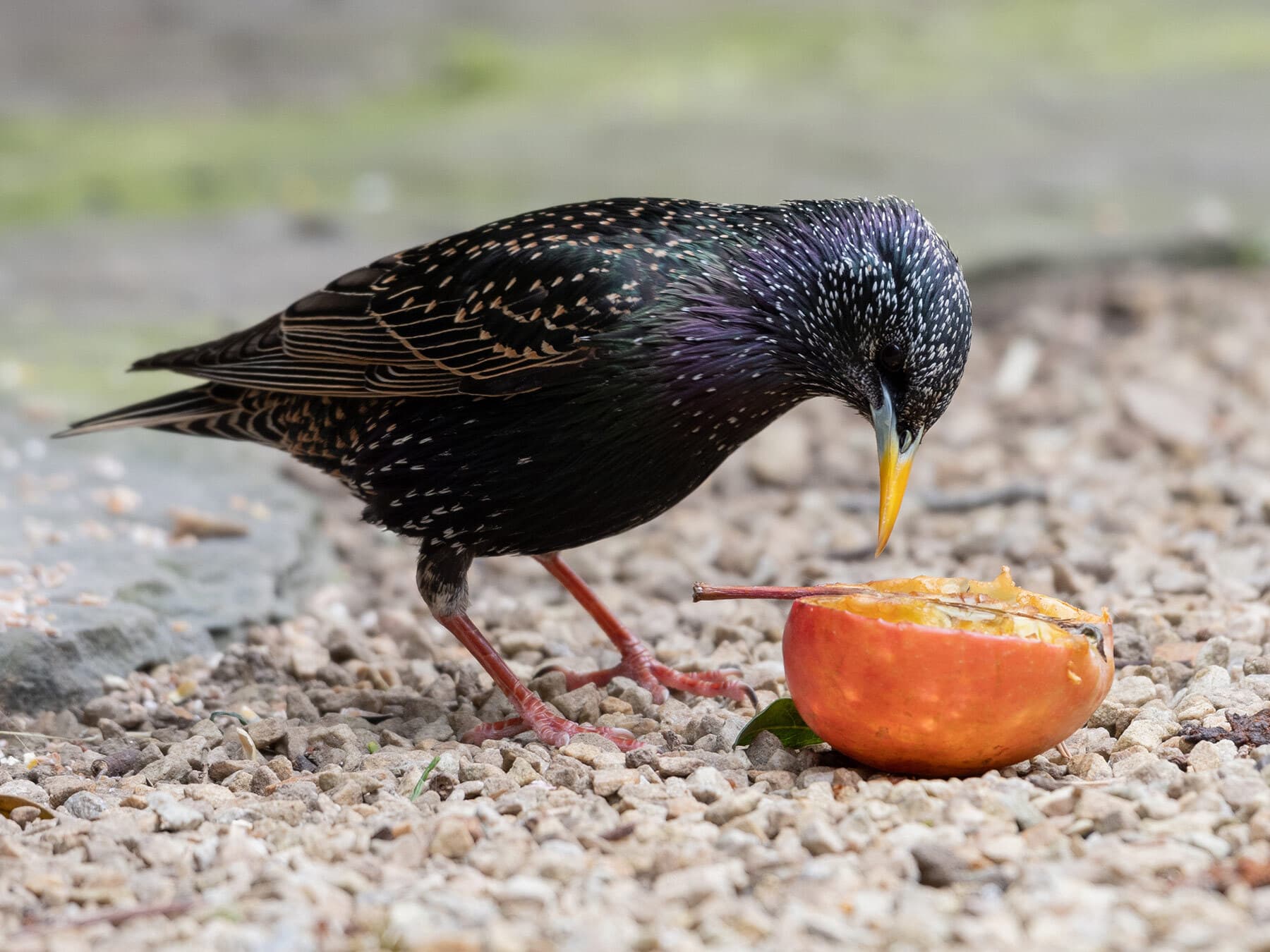
In the UK, the thrush family are the undisputed champions of the apple feast. Blackbirds and Song Thrushes will aggressively defend a good windfall apple from rivals. During harsh winters, nomadic flocks of Fieldfares and Redwings often descend on gardens specifically to strip remaining fruit from trees. European Robins, Common Starlings, and winter-visiting Bohemian Waxwings will also happily take slices left on bird tables.
Blackbird
Turdus merula
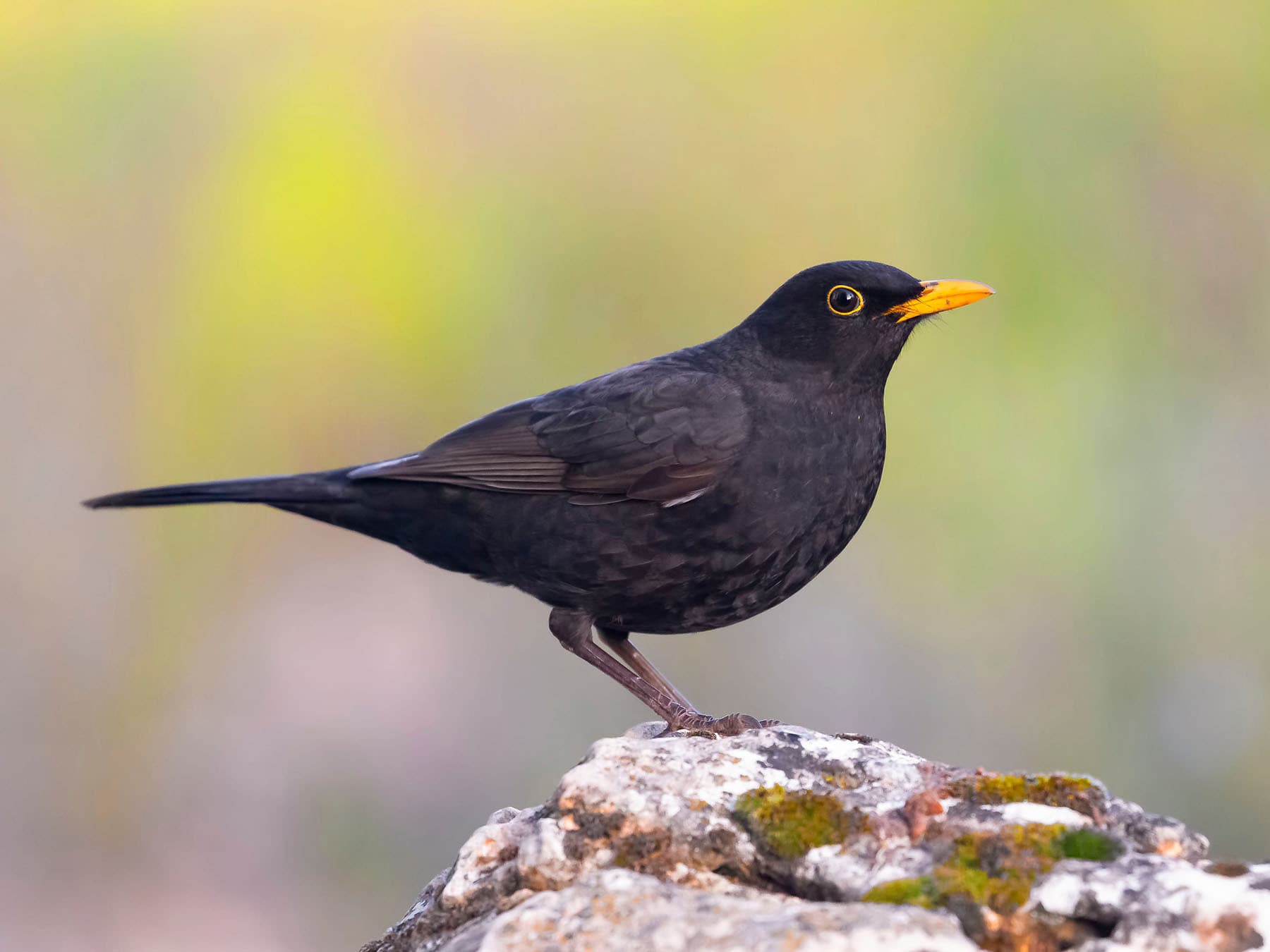
The Blackbird is one of the commonest birds in Britain and Ireland, at home in gardens, parks, hedgerows and woods all year. The male is black with an orange-yellow bill and eye-ring; the female is da
Fieldfare
Turdus pilaris
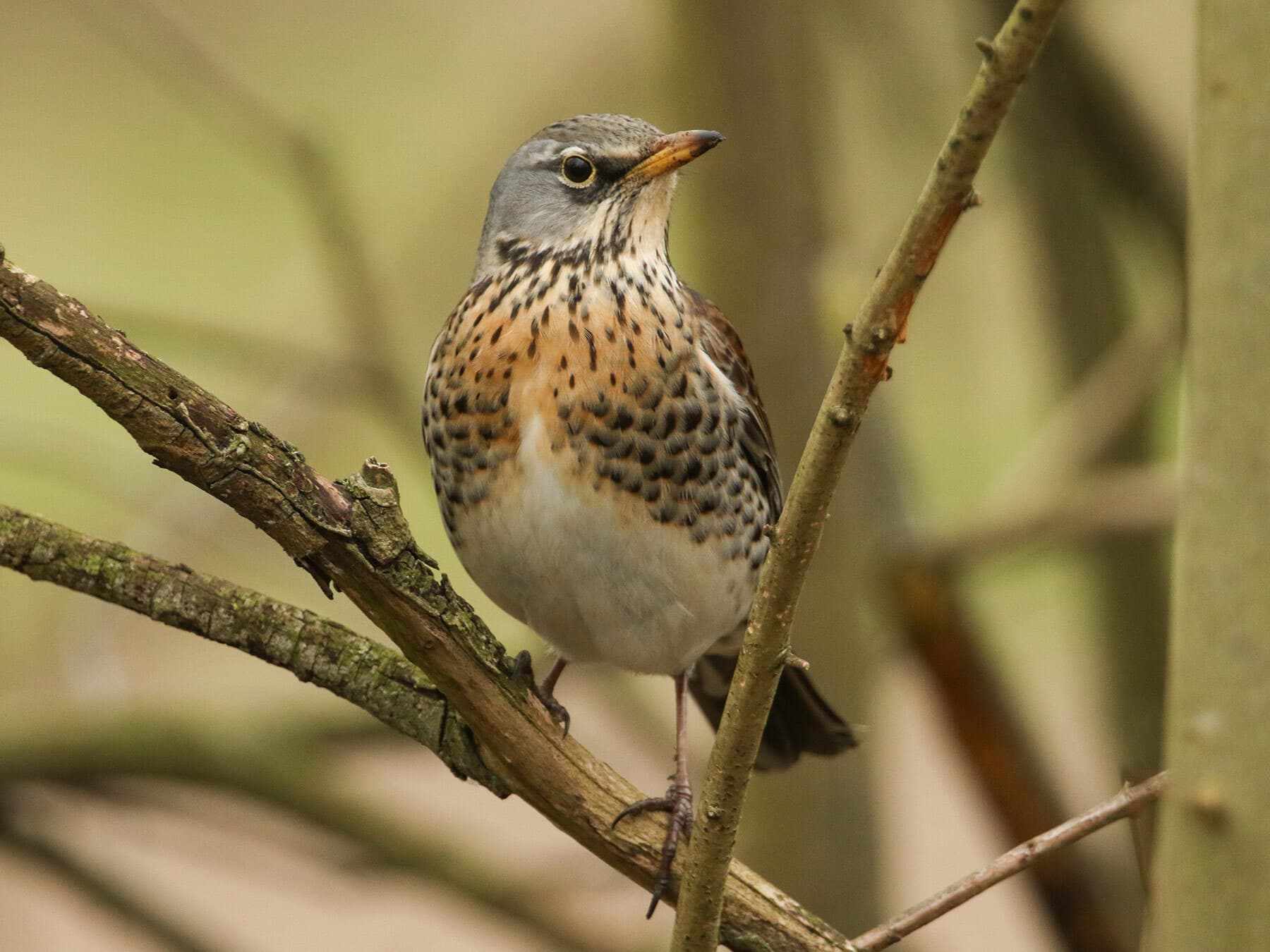
Striking and gregarious, this berry-loving thrush transforms winter fields into bustling social hubs across Europe and beyond.
US Birds That Eat Apples
Across North America, American Robins and Cedar Waxwings are enthusiastic fruit eaters. You can also expect visits from Northern Cardinals, Gray Catbirds, and various species of woodpeckers. If you live in the right range, brightly coloured orioles and bluebirds will readily accept apple slices offered on platform feeders.
Northern Cardinal
Cardinalis cardinalis
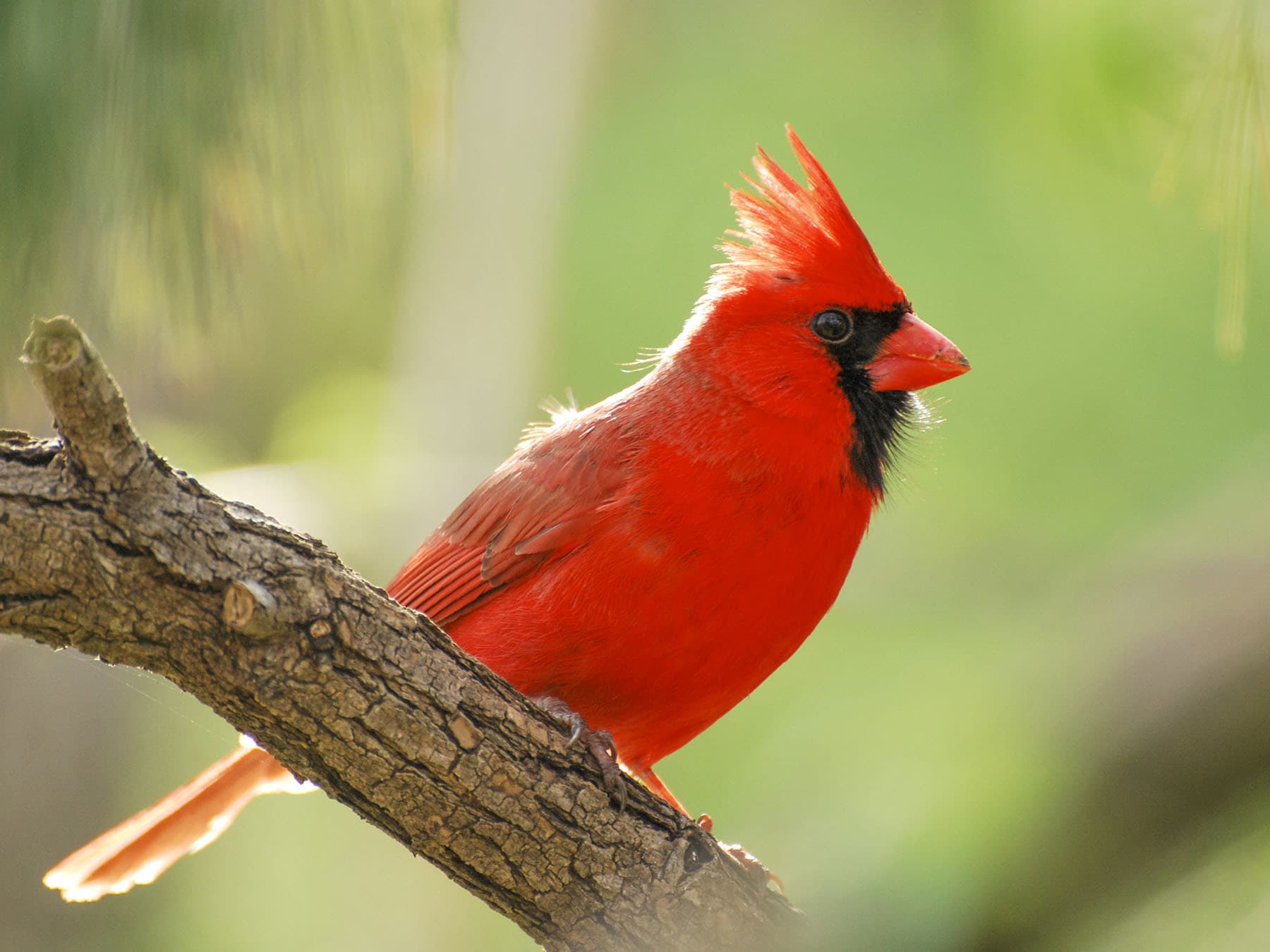
The Northern Cardinal is the crested red bird of eastern and central North America. The male is bright red with a black mask; the female is warm tan with red in her wings, tail and crest. Cardinals st
Are Apples Good for Birds?
Apples provide a valuable burst of simple carbohydrates, which birds rapidly convert into energy — essential for surviving cold winter nights. They also deliver dietary fibre, Vitamin C, and Vitamin A.
However, apples are very low in protein and fat. They should be viewed as an energy supplement rather than a complete diet. Birds still need insects, seeds, or suet to meet their full nutritional requirements, particularly during the breeding season when chicks need high-protein diets to grow.
The Truth About Apple Seeds and Cyanide
It is a well-known fact that apple seeds contain amygdalin, a compound that releases cyanide when chewed or crushed. But how dangerous is this to wild birds?
The risk is often overstated. Because cyanide does not accumulate in the body and is rapidly processed by the liver and kidneys, a small bird would need to consume and crush a surprisingly large number of seeds in a single sitting to suffer fatal poisoning. Furthermore, many birds swallow seeds whole, meaning the tough outer shell prevents the toxins from being released during digestion.
Despite the low risk, the safest approach is always to remove the seeds before offering apples to garden birds or pet parrots. Parrots, in particular, have powerful, curved beaks designed specifically for cracking seeds, making them much more efficient at releasing the trapped amygdalin.

How to Prepare and Feed Apples to Birds
Birds aren't fussy about the variety — they will happily eat sweet eating apples, tart cooking apples, and wild crab apples. To prepare them safely, always wash store-bought apples thoroughly to remove any residual pesticides, or opt for organic fruit.
While large birds can peck at a whole apple, slicing the fruit into halves or wedges makes it much easier for smaller birds to access the soft flesh. Ground-feeding birds like Blackbirds prefer apples tossed directly onto the lawn, ideally near the cover of a hedge so they can retreat if startled. For other species, spear an apple half onto a tree branch or place slices on a raised platform feeder to keep them safe from ground predators. You can even hollow out an apple half to create a natural feeding bowl, filling the centre with a mix of suet and seeds to provide a high-energy winter meal.
Do Birds Eat Apple Skin and Cores?
The skin of an apple is perfectly safe and highly nutritious. Some birds will eat the entire slice, skin and all, while others will meticulously hollow out the soft flesh and leave the skin behind.
While the core itself isn't toxic to birds, it is best removed along with the seeds. Leftover apple cores tend to be ignored by birds and are highly effective at attracting unwanted nocturnal visitors, such as rats and mice, to your garden.
Winter Feeding and Windfalls
If you are lucky enough to have an apple tree, the best thing you can do for local wildlife is to be a little untidy. Leave windfalls on the ground through autumn and winter. Even as the apples begin to rot and ferment slightly, they remain a vital lifeline for winter thrushes when the ground is frozen solid and earthworms are out of reach.
During particularly harsh freezes, you can help by gently breaking open frozen windfalls with a spade, exposing the softer flesh inside for birds that might struggle to pierce the frozen skin. Continuing to provide fresh apple slices on your bird table throughout the coldest months ensures a reliable energy source when natural food is at its lowest.