Culture · Updated 9 Mar 2026
What Is a Group of Ravens Called? Collective Nouns & The Meaning Behind Them
By the Birdfact teamChecked by Nathan Cope
On this page6 sections
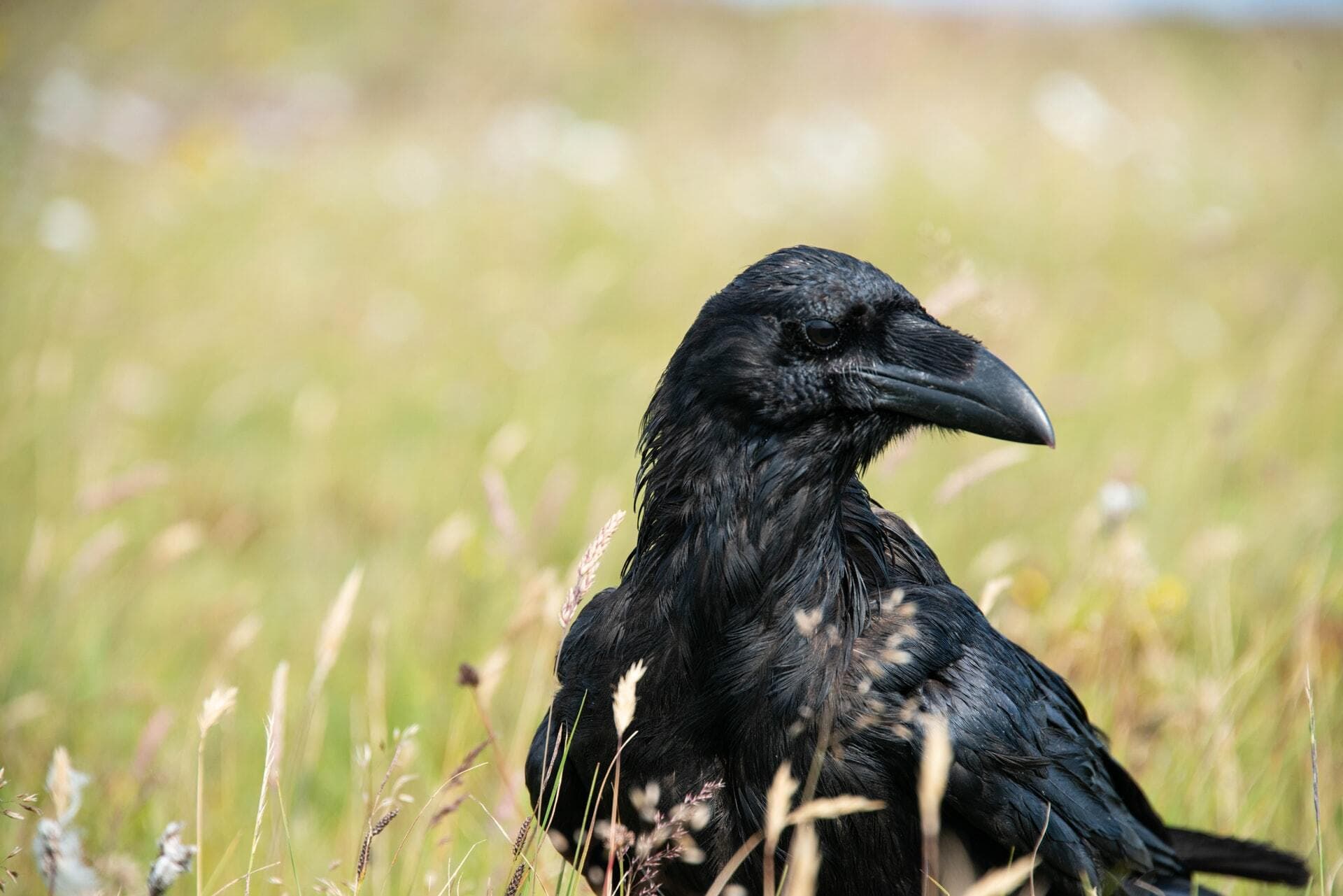
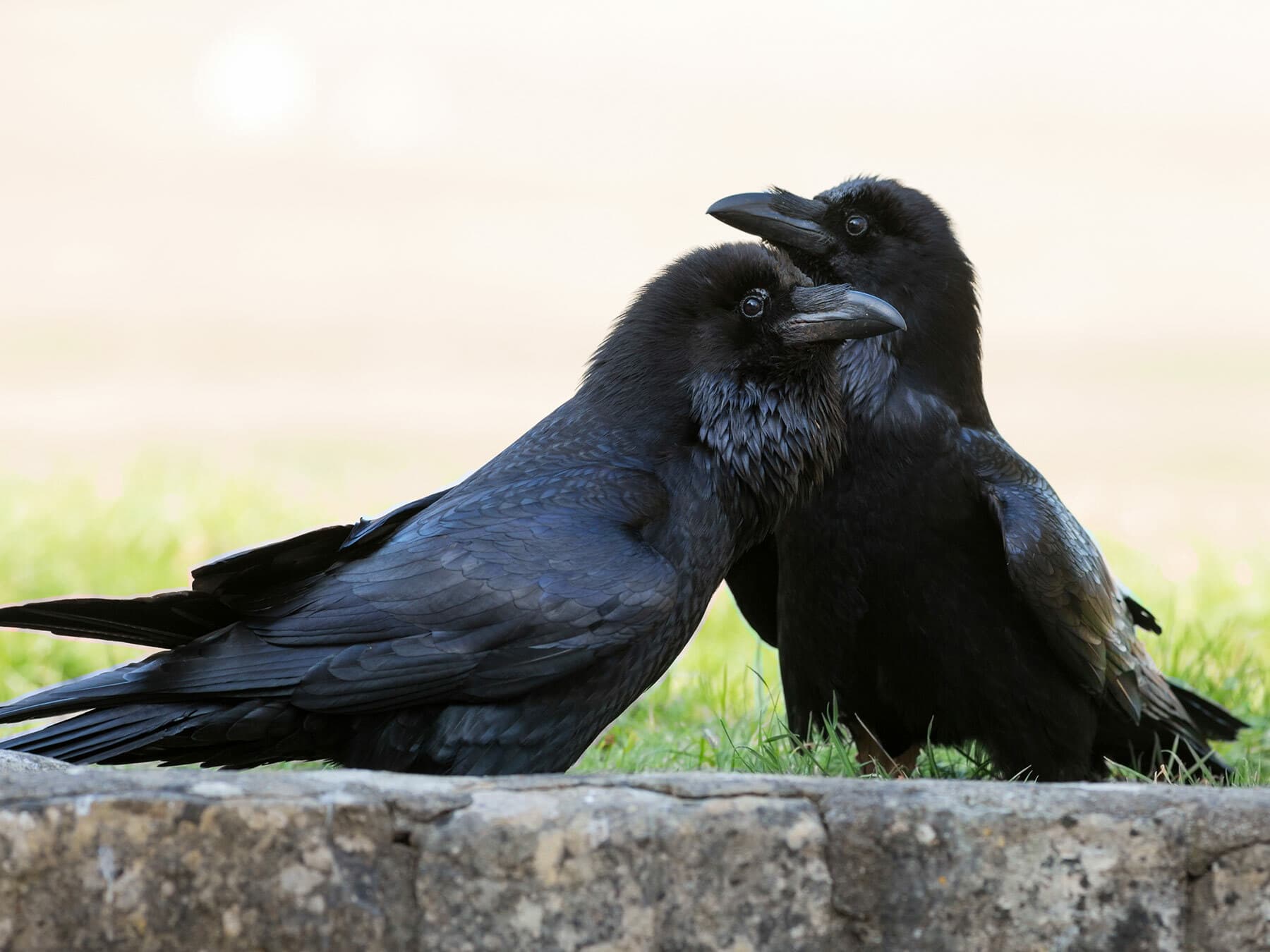
A group of ravens is officially known as an unkindness. This peculiar and rather harsh collective noun dates back over 500 years to a 15th-century hunting manual, stemming from a bizarre medieval misconception about how these highly intelligent corvids raise their young.
While "unkindness" is the most famous term, ravens have inspired several other evocative group names throughout history, including a conspiracy, a treachery, and a storytelling. These titles reflect centuries of human observation, fear, and misunderstanding surrounding the Common Raven.
The Origins of "An Unkindness"
The term "unkindness of ravens" first appeared in print in 1486 in The Book of Saint Albans, an English treatise on hawking, hunting, and heraldry. The authorship of the book is traditionally attributed to Juliana Berners, a prioress who compiled the hunting terminology of the English aristocracy. Knowing the correct collective nouns for animals was considered a mark of good breeding and education in medieval society — a sort of linguistic password for the upper classes.
The choice of "unkindness" wasn't random. In medieval times, people believed that ravens were uniquely cruel parents. According to folklore, adult ravens would kick their chicks out of the nest prematurely, forcing the young birds to fend for themselves before they were fully fledged. Observers likely saw juvenile ravens — which often look scruffy and awkward as their flight feathers develop — hopping around on the ground near the nest, and incorrectly assumed they had been abandoned or violently evicted by their parents.
Other Collective Nouns for Ravens
Beyond an unkindness, several other terms are used to describe a gathering of ravens. Each carries its own distinct flavour, usually leaning into the bird's dark, mysterious reputation.
A Conspiracy of Ravens
This term nods to the raven's exceptional intelligence and complex social dynamics. When a group of ravens gathers around a carcass or roosts together in the trees, their deep, guttural croaks and coordinated movements can easily look like a secret plot unfolding.
A Treachery of Ravens
Much like a "murder of crows", this noun stems from the raven's historical association with battlefields and death. As opportunistic scavengers, ravens were frequent visitors to the aftermath of medieval conflicts, earning them a grim reputation as harbingers of doom or betrayal.
A Storytelling of Ravens
A more modern and affectionate term, a "storytelling" highlights the raven's extensive vocal range. A Common Raven can produce up to 33 distinct categories of vocalisation, from deep resonant "kronks" to high-pitched bell-like sounds, and even mimicry of other species. When a group vocalises together, it truly sounds as though they are exchanging tales.
A Rave of Ravens
This is simply a playful, alliterative modern invention, though it perfectly captures the chaotic energy of a large group of juvenile ravens playing in the wind.
The Reality of Raven Parenting
The irony of the term "unkindness" is that ravens are actually exceptionally attentive and protective parents. Far from abandoning their young, a breeding pair of Common Ravens invests heavily in their offspring.
The female incubates the eggs for around 20 to 25 days, during which the male tirelessly brings her food. Once the chicks hatch, both parents share the demanding task of feeding them. Young ravens remain in the nest for up to seven weeks — a relatively long fledging period for a passerine bird. Even after they take their first awkward flights, the juveniles stay with their parents for up to six months, learning complex foraging skills and social behaviours before finally dispersing to join flocks of other young, unattached birds.
Inside the Mind of the Raven
The idea of a "conspiracy" feels much more accurate when you examine raven intelligence. Renowned biologist Bernd Heinrich spent decades studying raven behaviour, documenting cognitive abilities that rival those of great apes.
In one of Heinrich's most famous experiments, he hung a piece of meat from a string attached to a perch. To reach the food, the raven had to reach down, pull up a loop of string, step on it to hold it, and repeat the process until the meat was within reach. Many ravens assessed the situation and solved the multi-step puzzle on their first attempt, without any prior trial and error. This demonstrated that ravens possess the ability to imagine a solution to a problem before acting — a high-level cognitive skill known as insight.
Perhaps most remarkably, ravens hold grudges. Research has shown that a raven will remember the face of a human who has tricked or threatened them, and they will actively avoid or scold that person months or even years later. They also share information; juvenile ravens will recruit others to a large food source, overwhelming the territory defences of a resident adult pair.
Ravens in Myth and Legend
Because of their striking jet-black plumage, imposing size, and high intelligence, ravens hold a prominent place in global mythology.
Norse Mythology
The god Odin was famously accompanied by two ravens named Huginn (Thought) and Muninn (Memory). Every morning, Odin would send them out to fly across Midgard (the world), and by breakfast, they would return to sit on his shoulders and whisper all the news they had seen and heard.
Native American Traditions
In many Indigenous cultures of the Pacific Northwest, such as the Haida and Tlingit, the Raven is a central figure. He is often depicted as both a creator and a trickster. One famous Haida creation myth tells of Raven discovering the first humans hiding inside a giant clam shell on the beach and coaxing them out into the world.
The Tower of London
In Britain, the most famous raven legend surrounds the Tower of London. According to a superstition dating back to the reign of King Charles II, if the resident ravens ever leave the Tower, the Crown and the Kingdom will fall. To this day, a dedicated Ravenmaster cares for a captive flock on the grounds to ensure the prophecy is never fulfilled.
Edgar Allan Poe
In Western literature, the raven's association with mourning was cemented by Edgar Allan Poe's 1845 poem, The Raven. The bird's repetitive croak of "Nevermore" serves as a relentless reminder of the narrator's irreversible loss of his love, Lenore, transforming the raven into an eternal symbol of undying grief.
Common Raven
Corvus corax
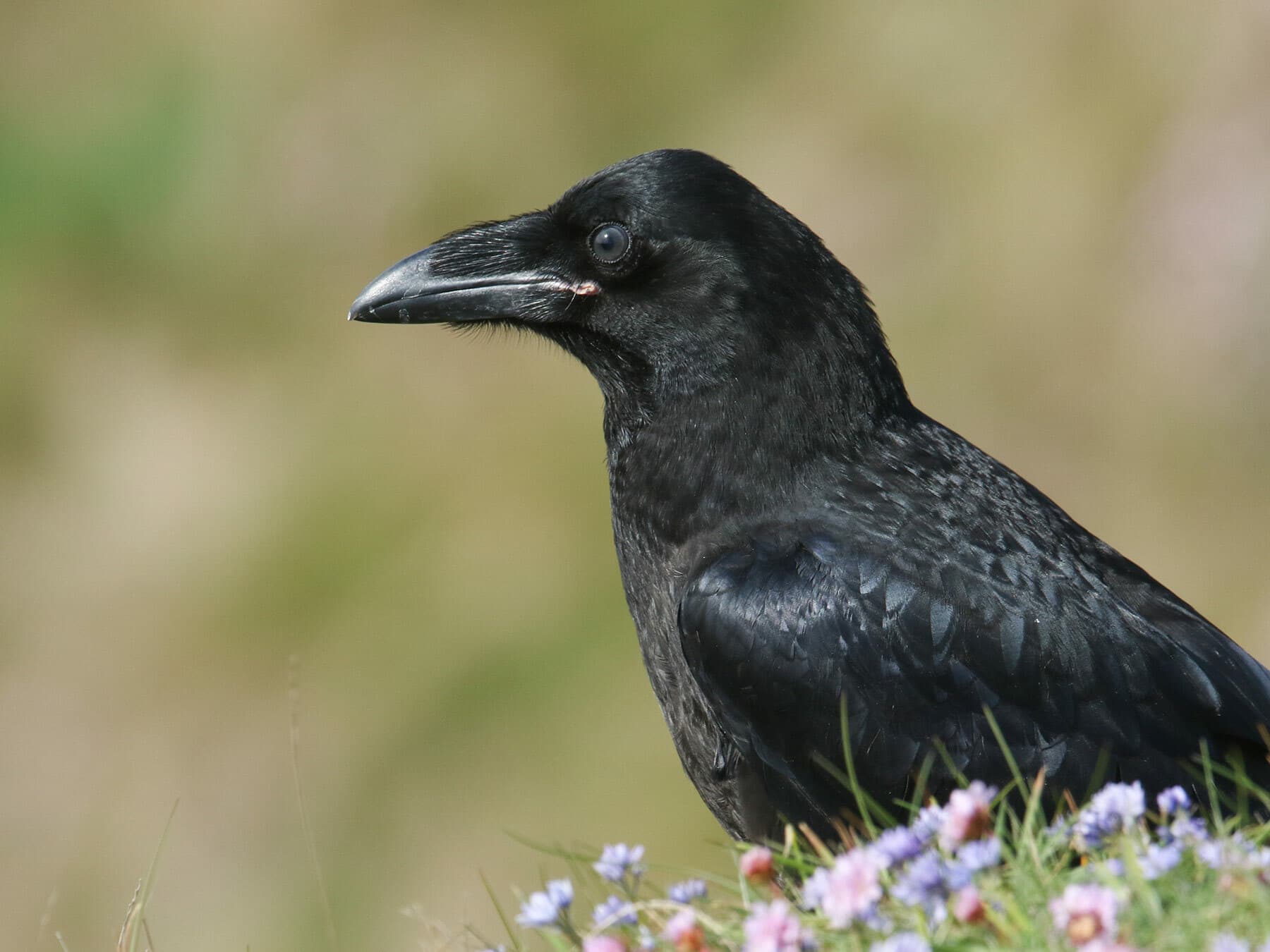
This highly intelligent black bird, known for its deep, croaking call, thrives in diverse habitats across the Northern Hemisphere.
Frequently Asked Questions
What is the difference between a murder of crows and an unkindness of ravens?
While both terms originate from the same 15th-century tradition of poetic collective nouns, they apply to different species. A "murder" specifically refers to crows, stemming from folklore that crows would gather to judge and execute members of their own flock. An "unkindness" refers exclusively to ravens, based on the myth of their poor parenting.
Do ravens actually flock together?
Yes, but their social structure changes with age. Adult breeding pairs are highly territorial and usually live alone in a fixed home range. However, young, non-breeding ravens are highly social. They form large, nomadic gangs — sometimes numbering in the hundreds — to forage together and roost communally at night for safety and warmth.
Are ravens and crows the same bird?
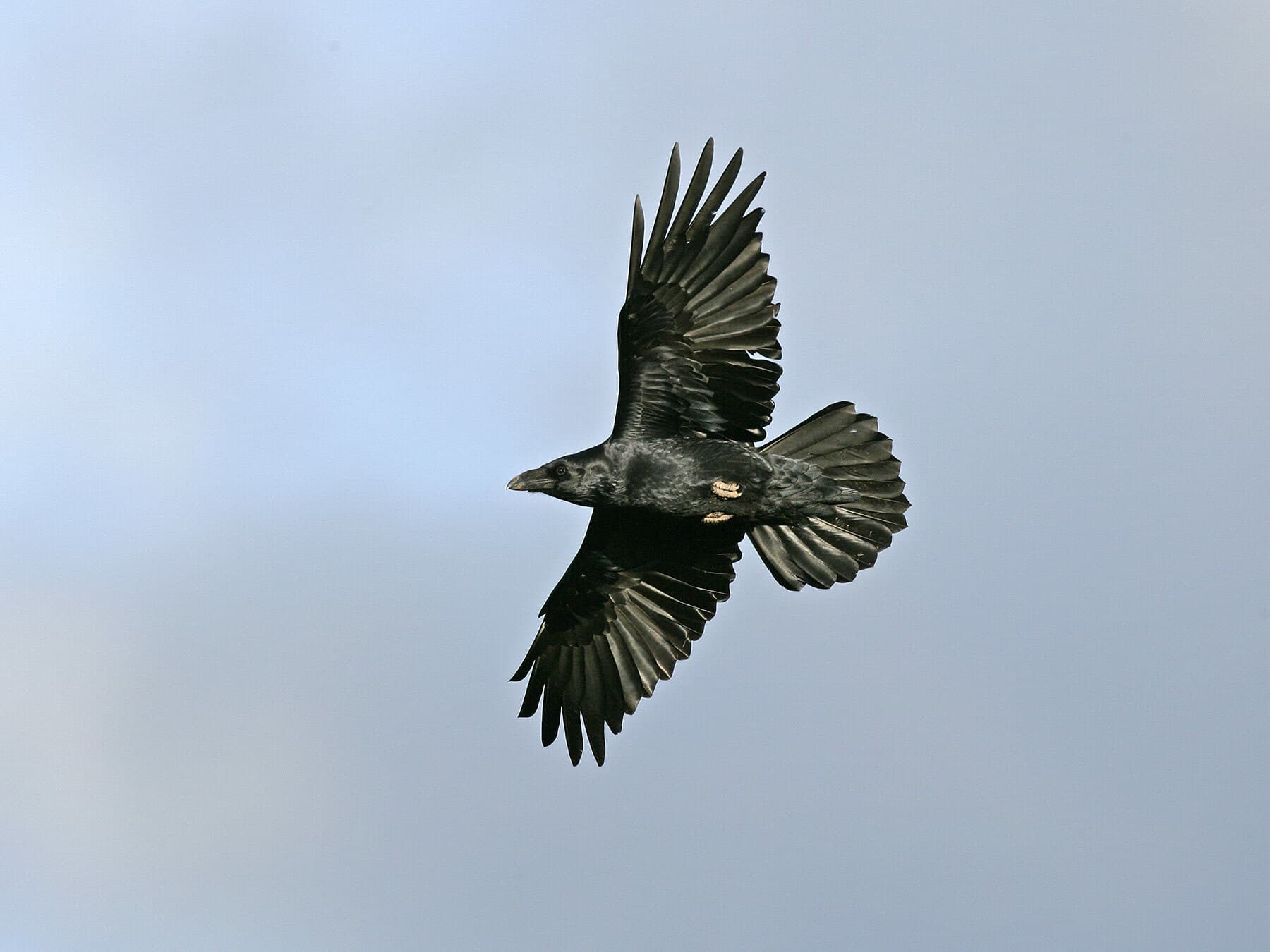
No. While both belong to the corvid family, the Common Raven is significantly larger than a Carrion Crow, roughly the size of a buzzard. Ravens also have a heavier, thicker bill, a distinct diamond-shaped tail in flight, and a deeper, more guttural call.