From the Journal
What Do Red Kites Eat? Diet, Hunting & Feeding Habits Explained
What Do Red Kites Eat? Diet, Hunting & Feeding Habits Explained
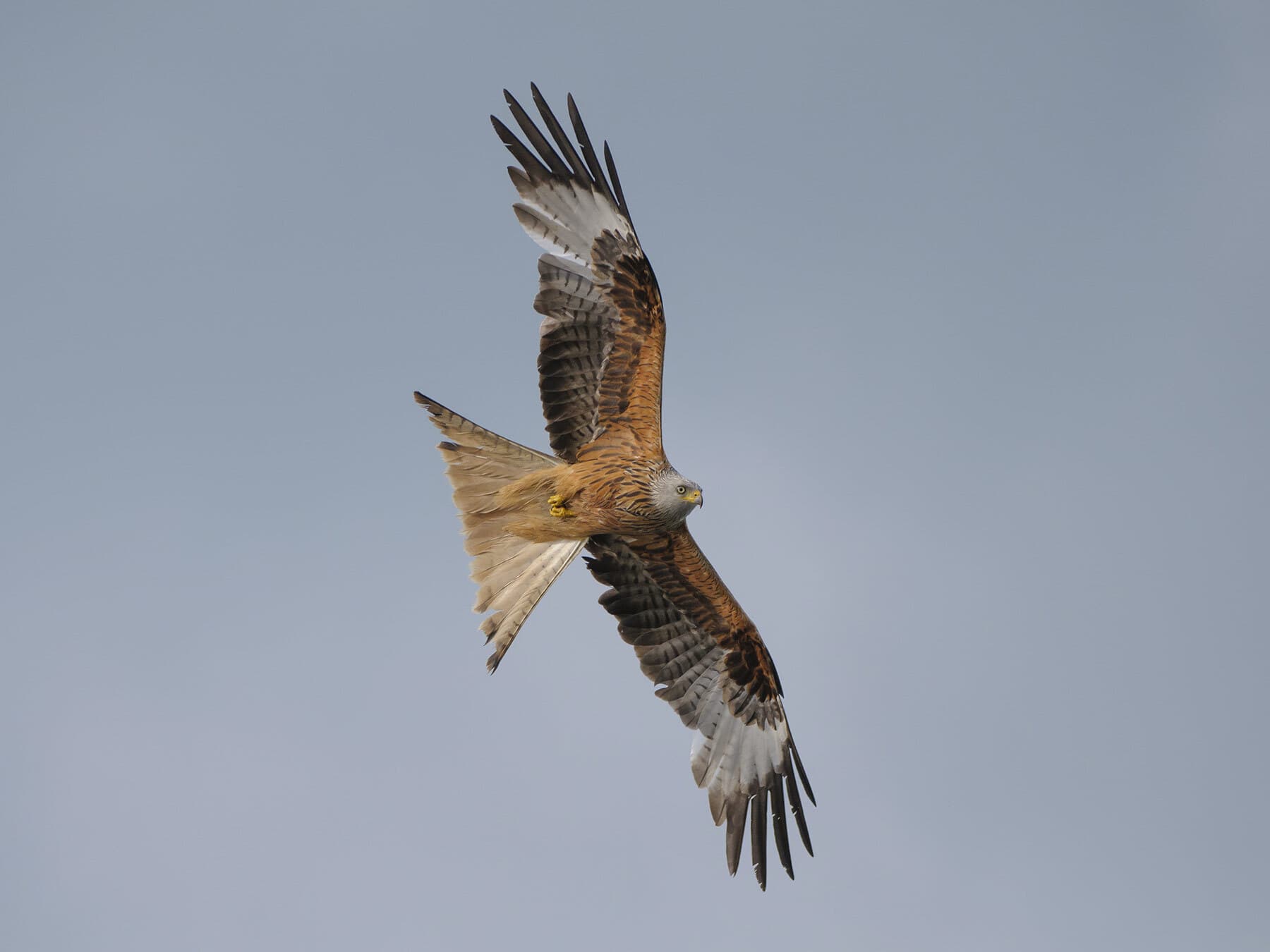
With a wingspan approaching two metres and a deeply forked tail, the Red Kite is one of the most distinctive silhouettes in the British sky. Watching one glide effortlessly on thermal currents, you might assume this large raptor is a fearsome apex predator scanning for its next kill. In reality, the Red Kite is nature’s ultimate opportunist.
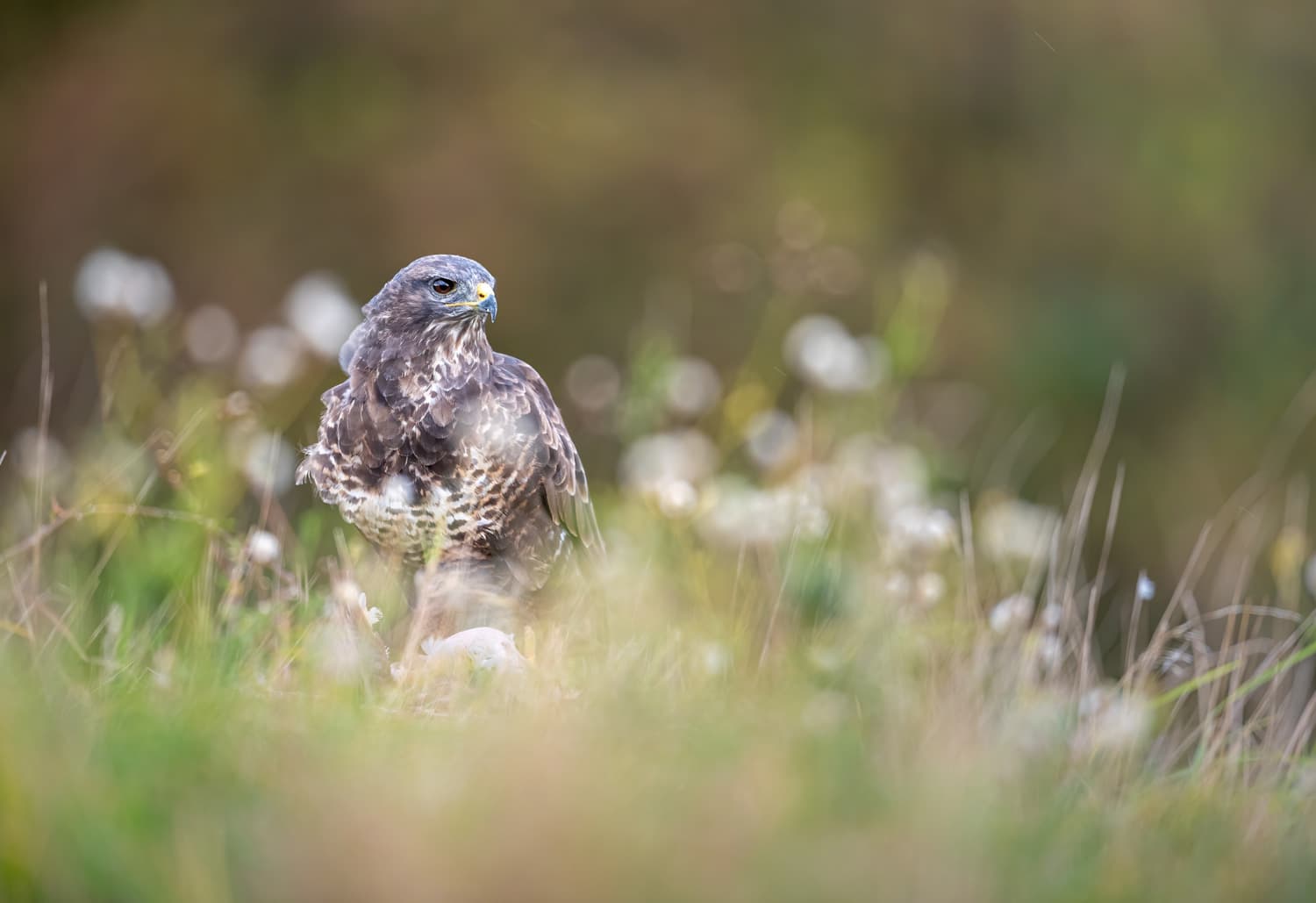
Despite their impressive size, Red Kites have relatively weak talons and small feet compared to other birds of prey like the Buzzard. Instead of actively hunting large prey, they are primarily scavengers. Their diet consists overwhelmingly of carrion, roadkill, and earthworms, supplemented by small mammals and the occasional small bird. They are the countryside's cleanup crew, perfectly adapted to locate and consume the casualties of the natural world.
The Red Kite Diet: A Breakdown
Red Kites are generalist foragers, meaning they adapt their diet to whatever is most readily available in their environment. While they are capable of catching live prey, scavenging requires far less energy and carries a lower risk of injury. Their menu is surprisingly varied, ranging from large livestock carcasses to tiny invertebrates.
| Food Category | Typical Prey Items | Dietary Importance |
|---|---|---|
| Carrion & Roadkill | Sheep, pigs, deer, pheasants, badgers, rabbits | Primary food source year-round. Provides the bulk of their caloric intake, especially in winter. |
| Live Mammals | Voles, field mice, shrews, young rabbits | Secondary source. Hunted primarily during the spring and summer to feed growing nestlings. |
| Live Birds | Fledglings, ground-nesting chicks, pigeons | Opportunistic. Usually taken when nests are left unguarded or young birds are inexperienced. |
| Invertebrates | Earthworms, large beetles, leatherjackets | Crucial supplementary food. Heavily relied upon during wet weather or when carrion is scarce. |
Dead animals make up the vast majority of a Red Kite's diet. In rural areas, they will feed on the carcasses of large domestic livestock, such as sheep and pigs, as well as wild animals that have succumbed to harsh weather or disease. In modern landscapes, roadkill provides a constant and reliable food source. Pheasants, rabbits, and badgers killed by vehicles are frequently targeted by soaring kites, who patrol the tarmac corridors of the countryside.
When scavenging opportunities are scarce, Red Kites will hunt. However, their physical limitations restrict them to small, easily subdued targets. Voles, field mice, and young rabbits are typical mammalian prey. They will also take small birds, particularly fledglings, and are known to raid the nests of ground-dwelling species. Unlike a Peregrine Falcon or a Sparrowhawk, a Red Kite rarely engages in high-speed aerial pursuits, preferring to drop onto unsuspecting prey from above.
Perhaps surprisingly for a bird of this size, invertebrates form a crucial part of the Red Kite’s diet. Following a tractor ploughing a field, you will often see kites swooping down to snatch exposed earthworms and large beetles. During wet weather, when worms come to the surface, they can make up a significant percentage of the bird's daily intake. Kites will even land and walk awkwardly across damp pastureland to pull worms directly from the soil.
Got a photo of a bird you can't identify?
Upload a photo and find out what it is in seconds — no account needed
Identify a Bird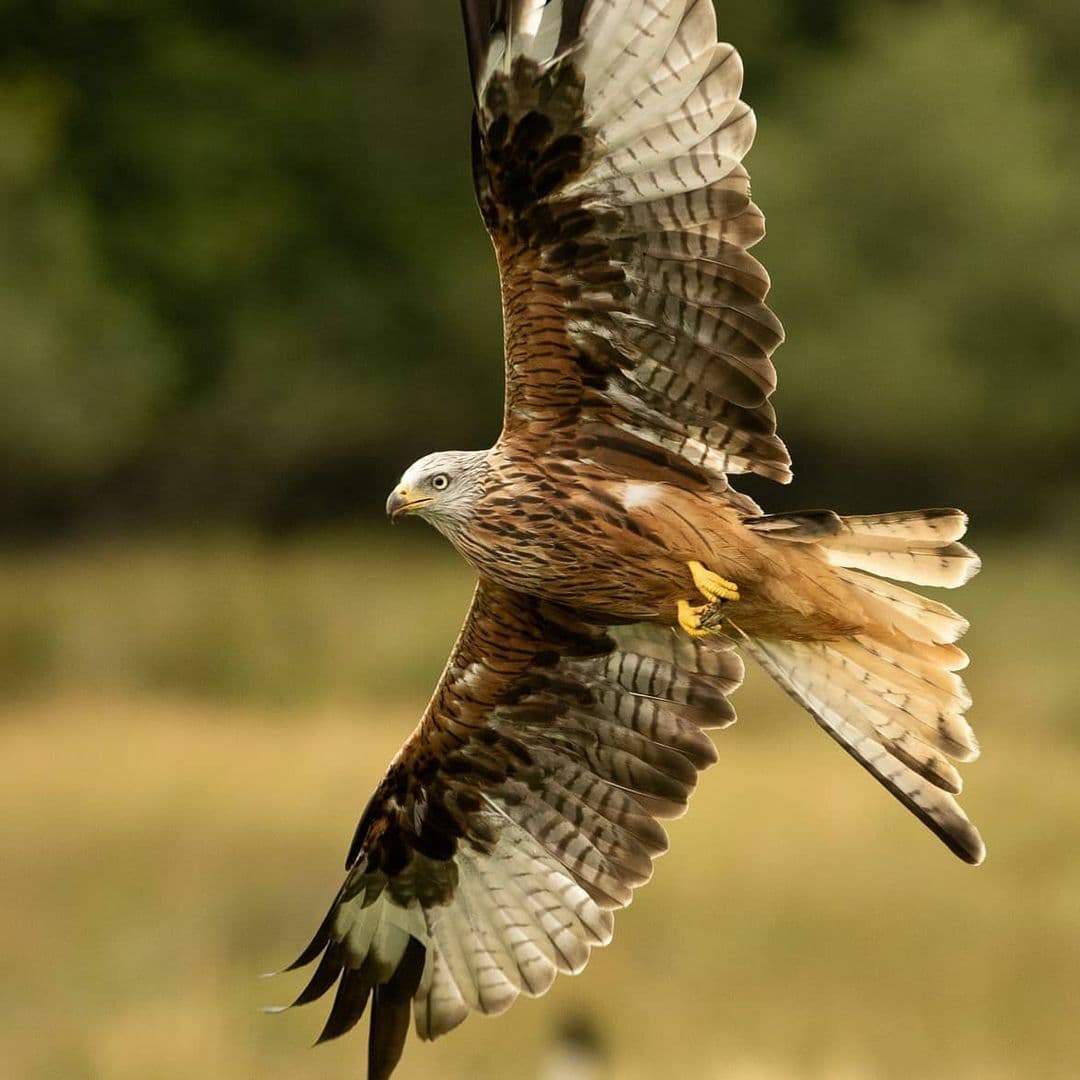
How Do Red Kites Find Food?
A Red Kite’s foraging strategy relies almost entirely on its mastery of the air and its exceptional vision. They spend hours on the wing, riding warm thermal updrafts to gain altitude without expending energy. This soaring behaviour allows them to survey vast tracts of land with minimal effort.
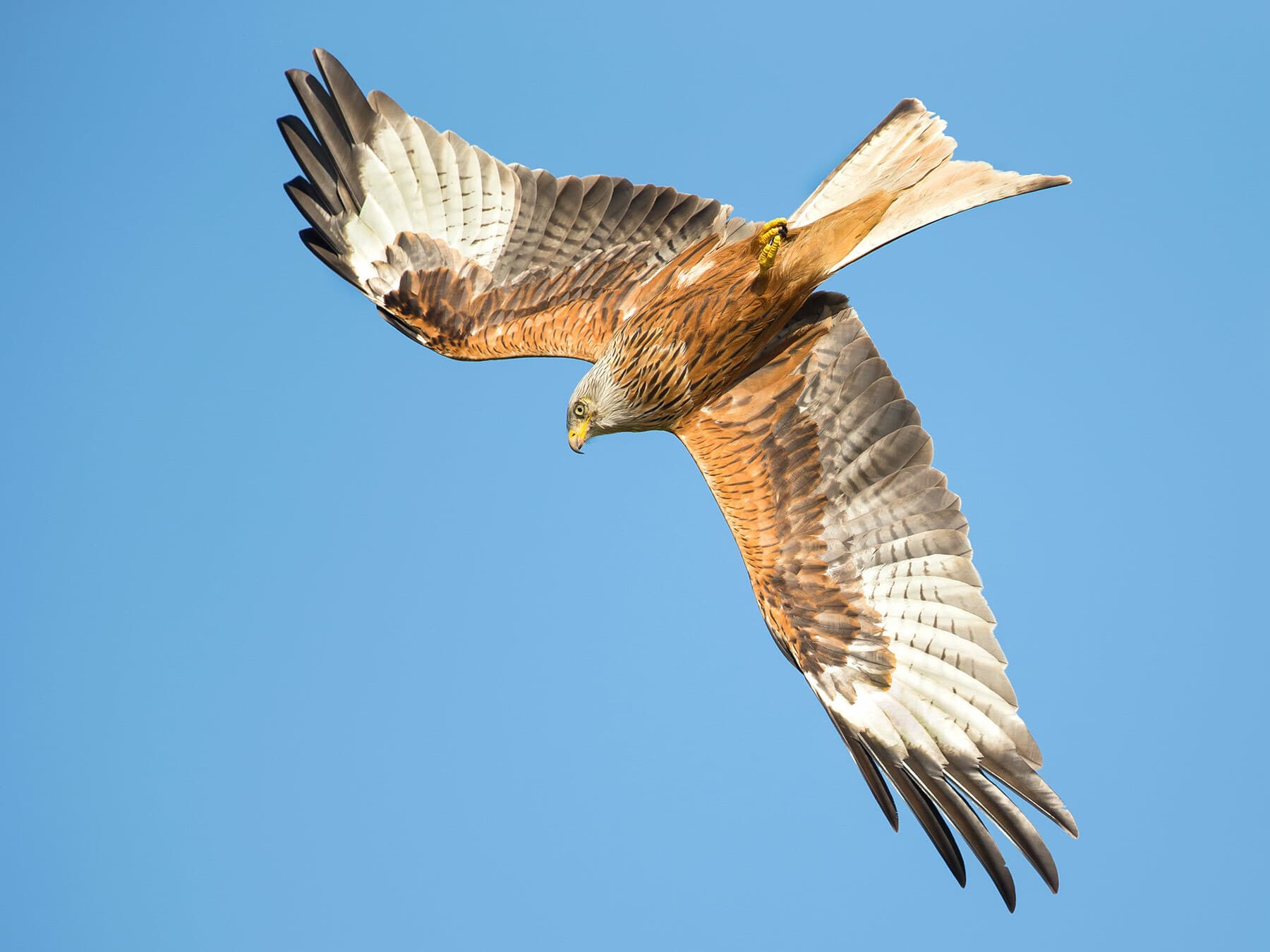
When soaring, a Red Kite holds its long wings in a shallow V-shape, known as a dihedral angle. This aerodynamic posture provides stability in turbulent air. Meanwhile, their deeply forked tail acts as a highly sensitive rudder. By constantly twisting and adjusting the angle of their tail feathers, they can steer and make minute course corrections while barely flapping their wings. This silent, buoyant flight allows them to cover miles of territory while keeping their focus entirely on the ground below.
From heights of several hundred feet, their sharp eyesight allows them to spot a dead rabbit or the subtle movement of a vole in the grass. Like many birds of prey, Red Kites possess two foveae in each eye (the area of the retina responsible for sharpest vision), giving them a magnified, high-definition view of the landscape.
Interestingly, Red Kites often use other scavengers as sentinels. They are naturally cautious birds and will frequently wait for Carrion Crows, Ravens, or Magpies to land on a carcass first. If the corvids feed safely, the kite knows the area is secure from ground predators and will swoop down to claim its share, often using its larger size to displace the smaller birds.
Did You Know?
Seasonal Shifts in Feeding Habits
A Red Kite’s menu changes significantly throughout the year, dictated by the breeding season, agricultural cycles, and the harshness of the weather.
During the spring and summer, adult kites are under immense pressure to provide for their growing nestlings. This is the time of year when they hunt live prey most frequently. The abundance of young, inexperienced mammals and fledgling birds provides a vital source of high-protein food for the chicks. Summer is also the peak season for agricultural activity; kites will closely follow combine harvesters and mowers, waiting to snatch up rodents disturbed by the machinery.
In autumn and winter, live prey becomes scarce and hides beneath the frost or snow. During these colder months, Red Kites rely heavily on carrion. The mortality rate of wild animals naturally increases in winter, providing a steady supply of carcasses. If snow covers the ground and hides roadkill, kites will turn to pastureland, probing for earthworms in damp soil to survive. In severe winters, communal roosts of Red Kites can swell to hundreds of birds, as they gather in areas where food remains accessible.
Feeding Frequency and Water Intake
Because they rely on unpredictable food sources, Red Kites have evolved to be opportunistic eaters. If a kite discovers a large sheep carcass, it will gorge itself, consuming enough meat to sustain it for several days. After a heavy meal, they often retreat to a quiet roosting tree to digest, sometimes fasting for a week if the meal was substantial enough.
Conversely, if they are feeding on earthworms or small mice, they must forage continuously throughout the day to meet their energy requirements. A diet of invertebrates requires a high volume of intake, meaning the bird must spend far more time actively foraging rather than resting.
As for hydration, Red Kites rarely need to drink standing water. They extract almost all the moisture they require directly from the flesh, blood, and internal organs of their prey. On particularly hot days, or if their diet has been unusually dry, they might take a quick sip from a puddle, river, or livestock trough, but this is a relatively rare sight.
What Do Baby Red Kites Eat?
Nestling Red Kites are entirely dependent on their parents for food. Both the male and female take turns foraging, returning to the nest with crops full of meat. In the early days after hatching, the parents carefully tear the food into tiny, manageable strips for the chicks.
As the chicks grow, they are fed larger pieces of carrion, whole mice, and beakfuls of earthworms. The parents are not fussy; whatever protein they can secure is brought back to the eyrie. Young kites fledge at around 50 to 60 days old, but they remain dependent on their parents for another three to four weeks. During this crucial post-fledging period, they follow the adults, learning the complex soaring techniques and visual cues needed to locate carrion on their own before they finally disperse to establish their own territories.
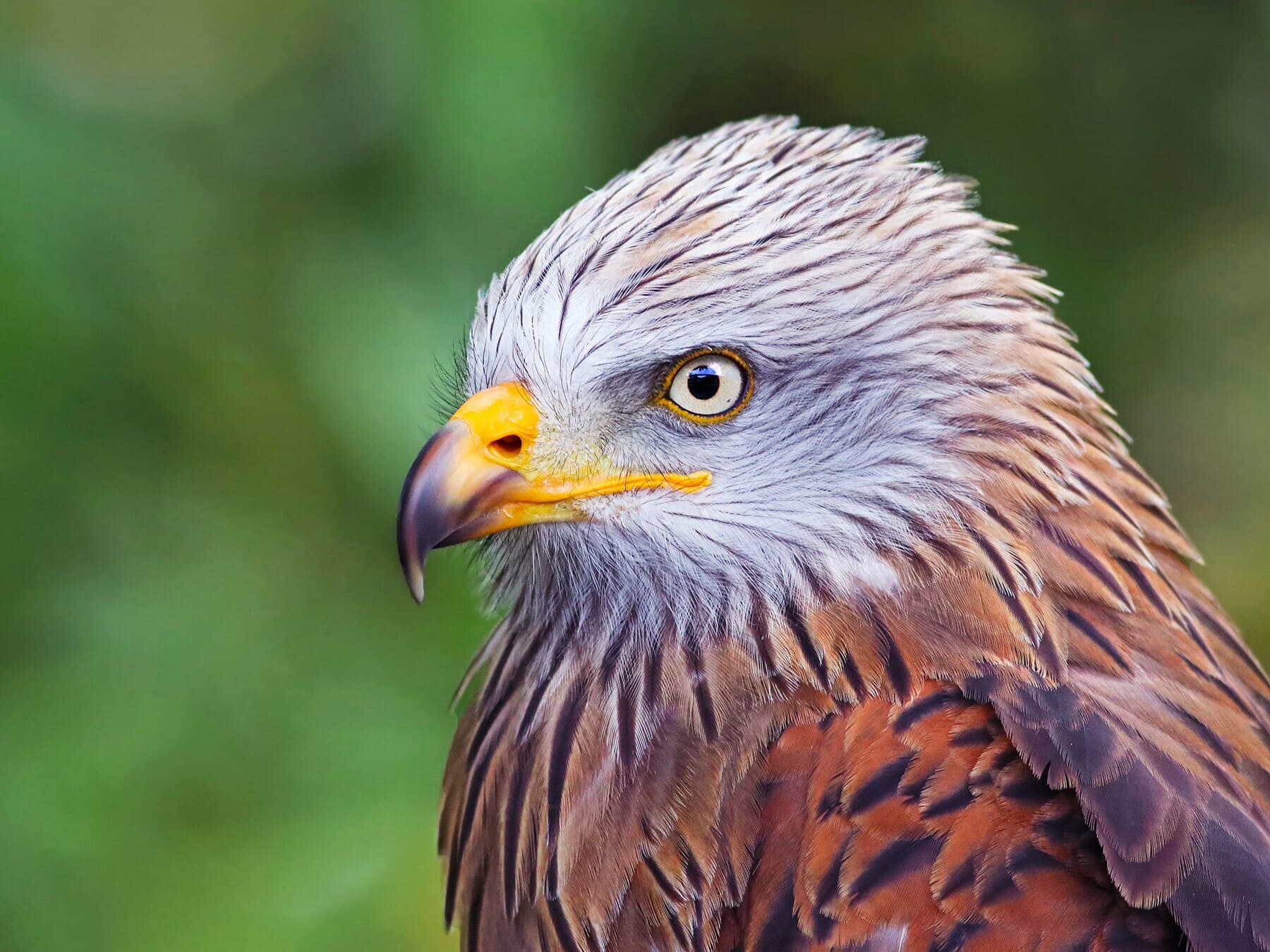
Red Kite
Milvus milvus
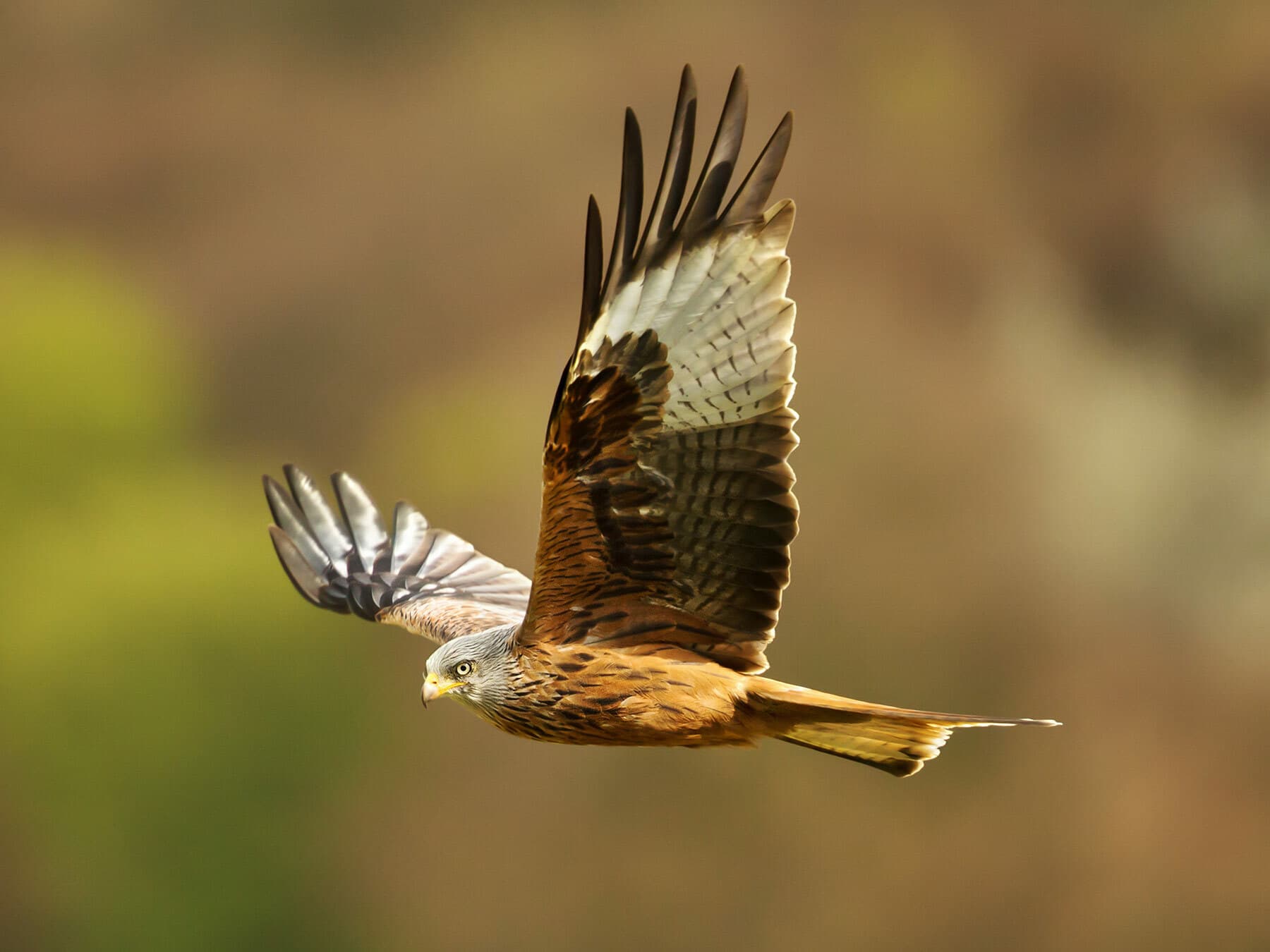
With its distinctive forked tail and graceful soaring, this rusty-brown hued raptor is making a remarkable comeback across Europe and beyond.
Conservation and the Dangers of Artificial Feeding
The Red Kite is one of the UK’s greatest conservation success stories. Hunted to near extinction in the 19th century — with only a tiny relict population surviving on sheep carrion in the remote oak woods of central Wales — a highly successful reintroduction programme in the 1990s has seen their numbers soar across England and Scotland. However, their scavenging lifestyle still puts them at significant risk.
Because they eat dead animals, Red Kites are highly susceptible to secondary poisoning. If a kite scavenges a rat that has consumed agricultural rodenticide, the poison is passed up the food chain, often with fatal results. Illegal poisoning, lead shot ingestion from scavenged gamebirds, and collisions with vehicles while feeding on roadkill remain the primary threats to their population.
In areas where Red Kites are now common, such as the Chilterns, it has become popular for people to feed them meat in their gardens. While watching these magnificent birds swoop down to a lawn is a thrilling experience, conservation organisations like the British Trust for Ornithology (BTO) and the RSPB strongly advise against it.
Artificial feeding can lead to unnaturally high local populations and dependency on human handouts. More importantly, the scraps of pure meat often provided by humans lack the essential calcium and roughage (such as bones and fur) that kites need to maintain a healthy digestive system. In young birds, this poor diet can lead to severe bone deformities, weakened eggshells, and long-term health issues.
The best way to support Red Kites is to appreciate their spectacular aerial displays from a distance, allowing them to fulfill their natural, vital role as the countryside's most elegant cleanup crew.
Identify Any Bird Instantly
- Upload a photo from your phone or camera
- Get an instant AI identification
- Ask follow-up questions about the bird
Monthly Birds in Your Area
- Personalised for your location
- Seasonal tips and garden advice
- Updated every month with new species