From the Journal
Do European Goldfinches Migrate? Timing, Routes & Winter Behaviour
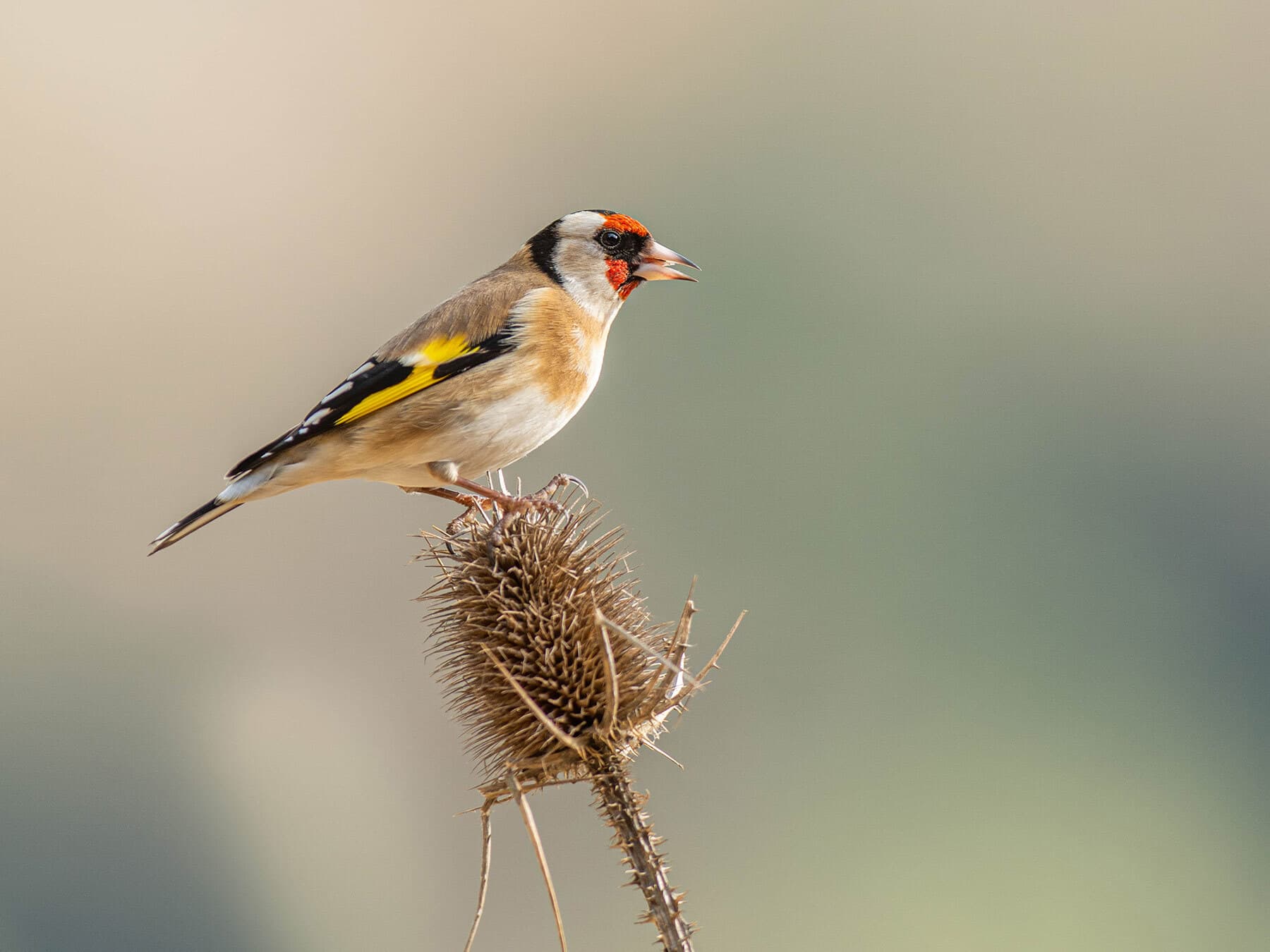
A flash of crimson, black, and gold on a frosted teasel head is a familiar winter sight in many British gardens. Because European Goldfinches are such a reliable presence at our winter feeding stations, it is easy to assume they are entirely resident birds that simply tough out the colder months. The reality is far more fluid.
European Goldfinches are partial migrants — a classification meaning that while some individuals stay close to their breeding territories all year, others embark on journeys spanning hundreds of miles across the continent. Their winter movements are complex, driven by a constant search for food, shifting weather patterns, and even a fascinating divide between males and females.
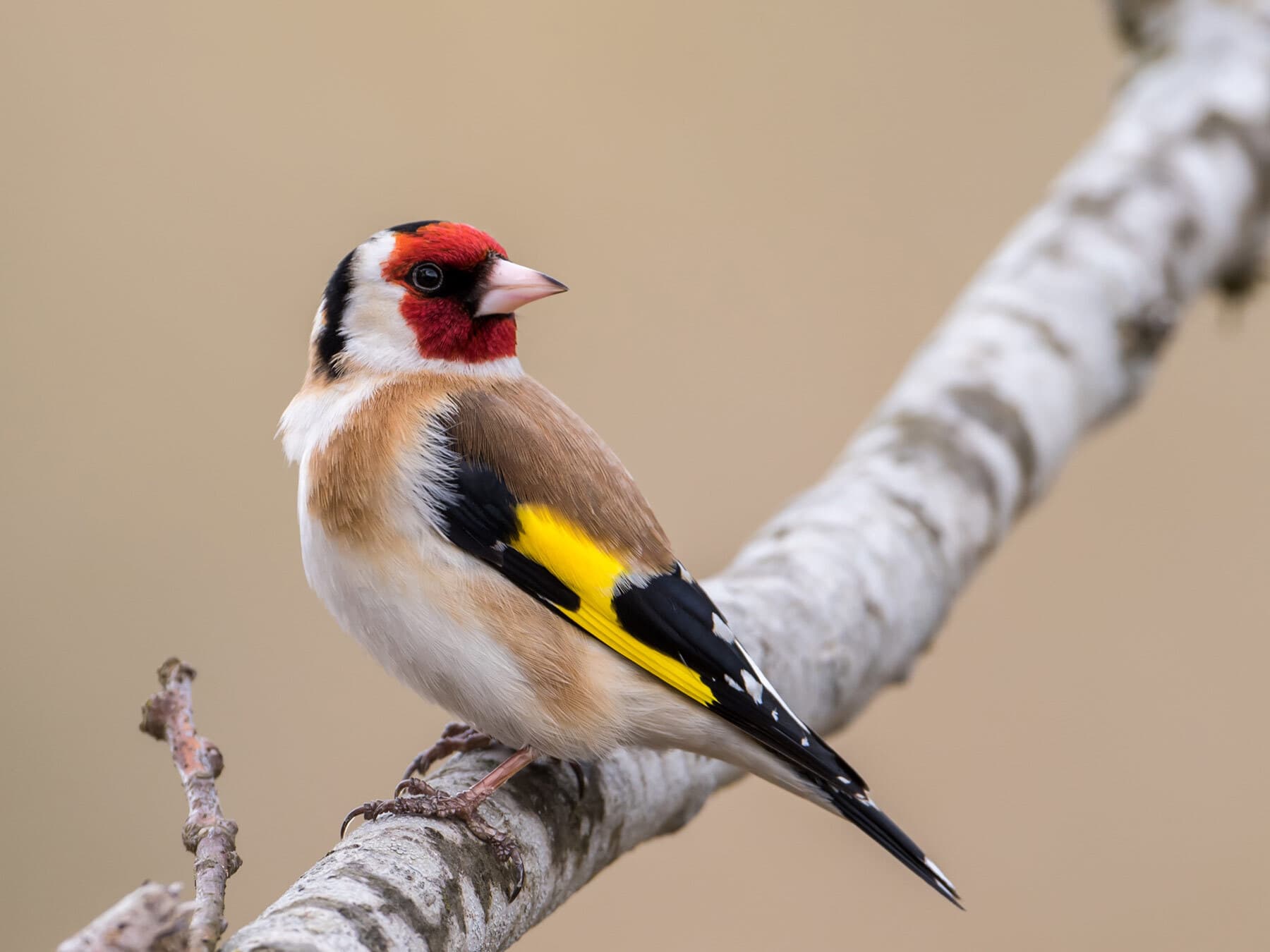
European Goldfinch
Carduelis carduelis
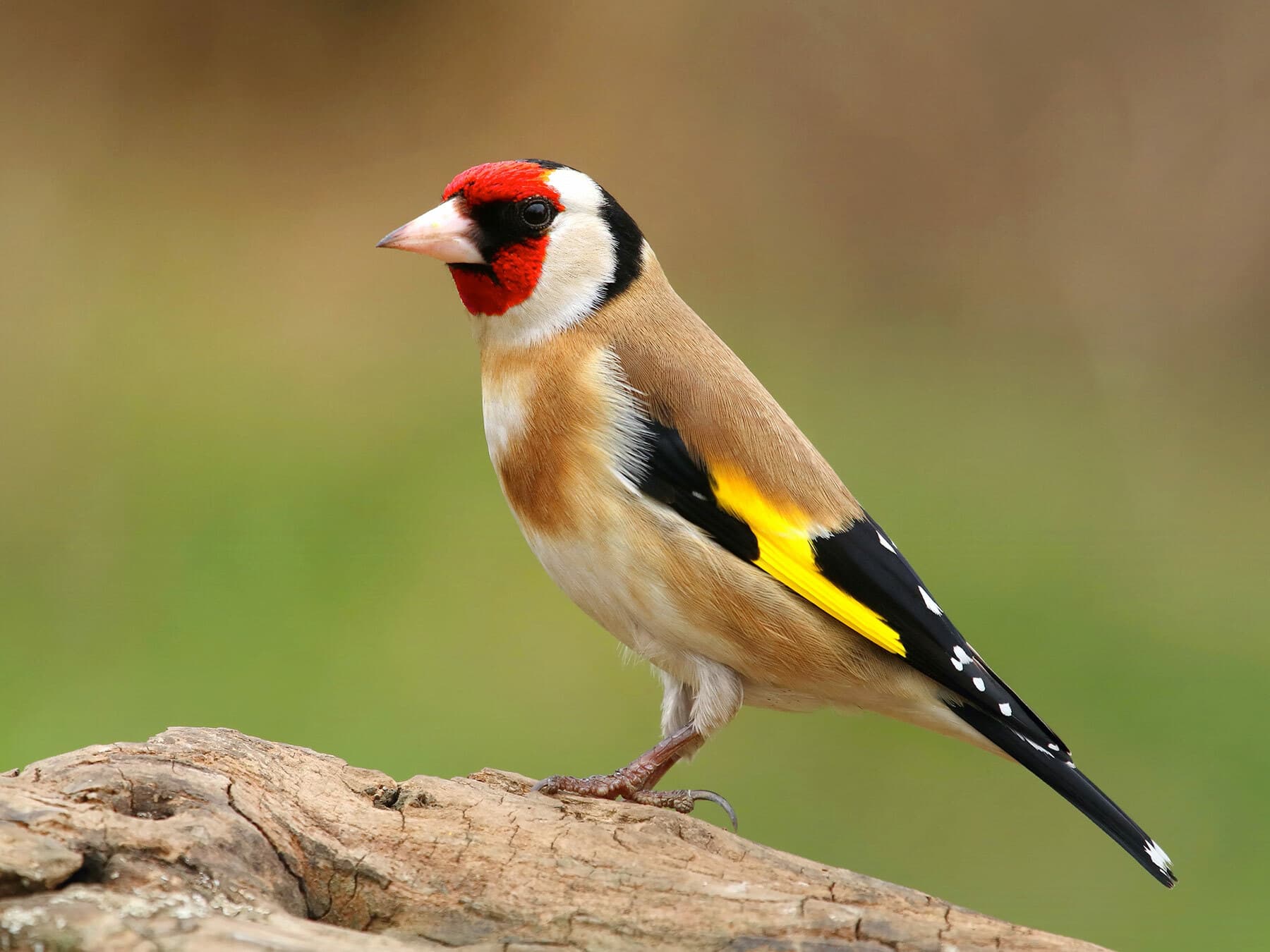
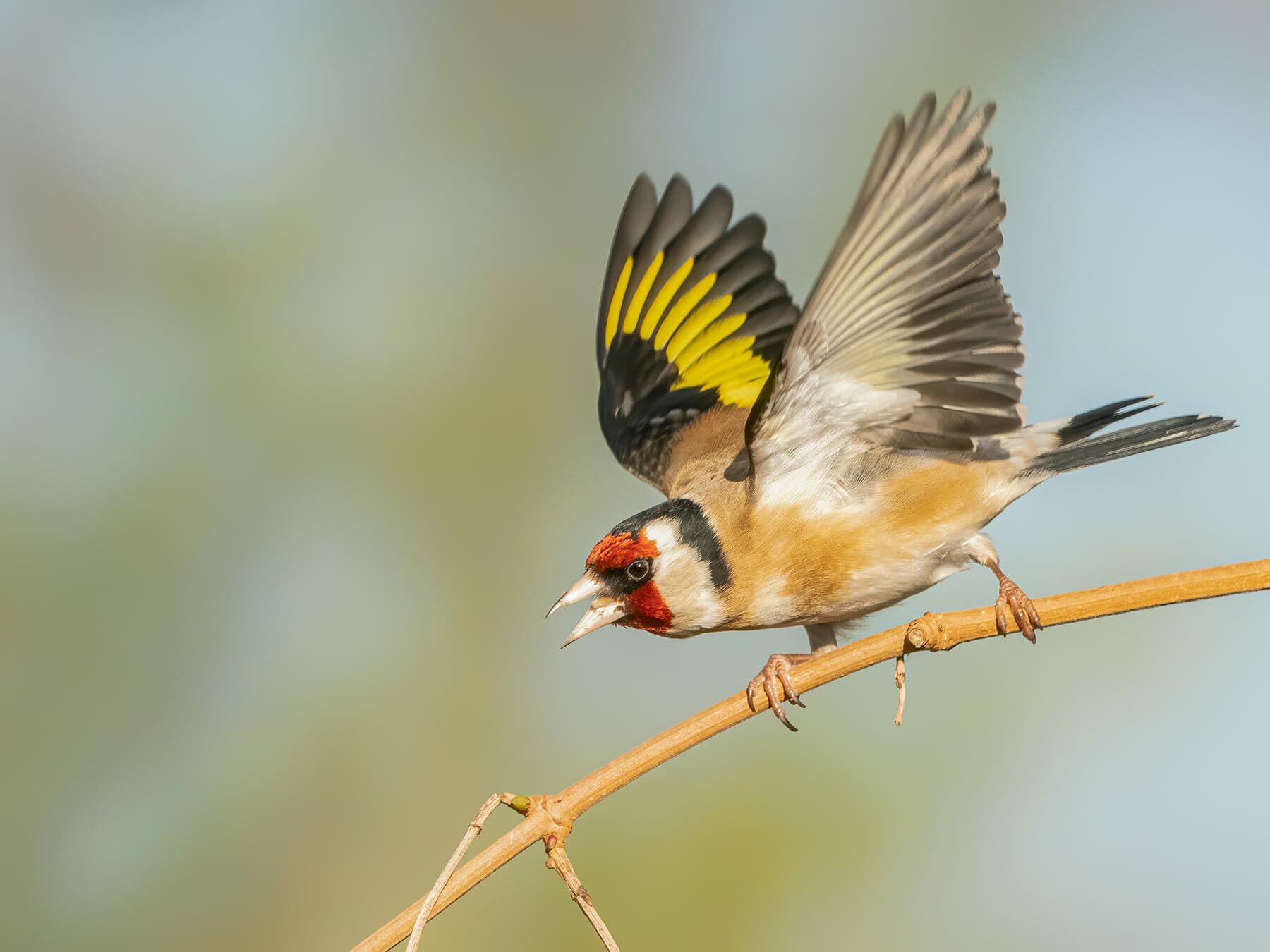
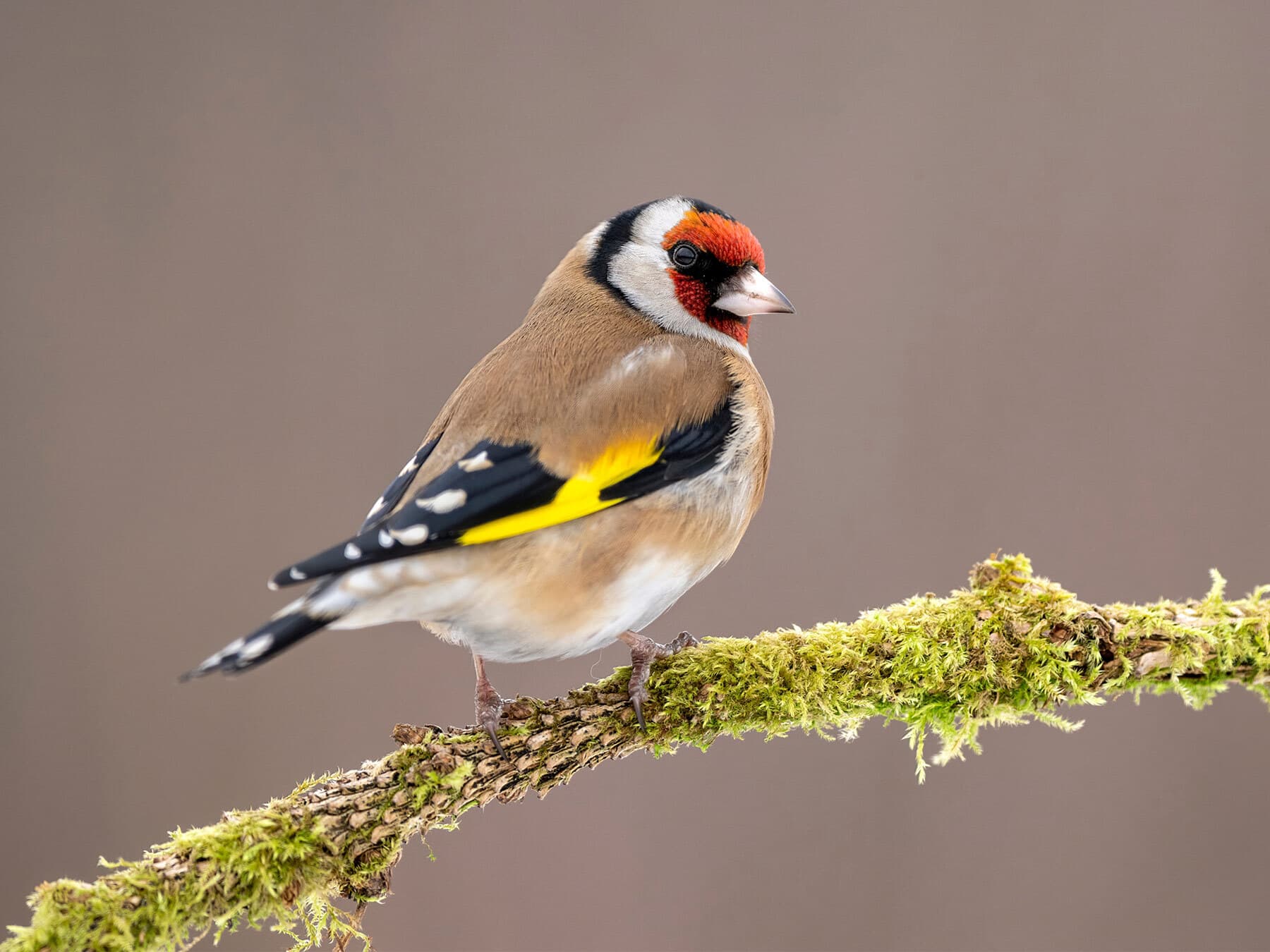
This vibrant songbird, with its distinctive red face and golden wing bars, brightens gardens and fields across Europe and beyond.
Understanding Partial Migration in Goldfinches
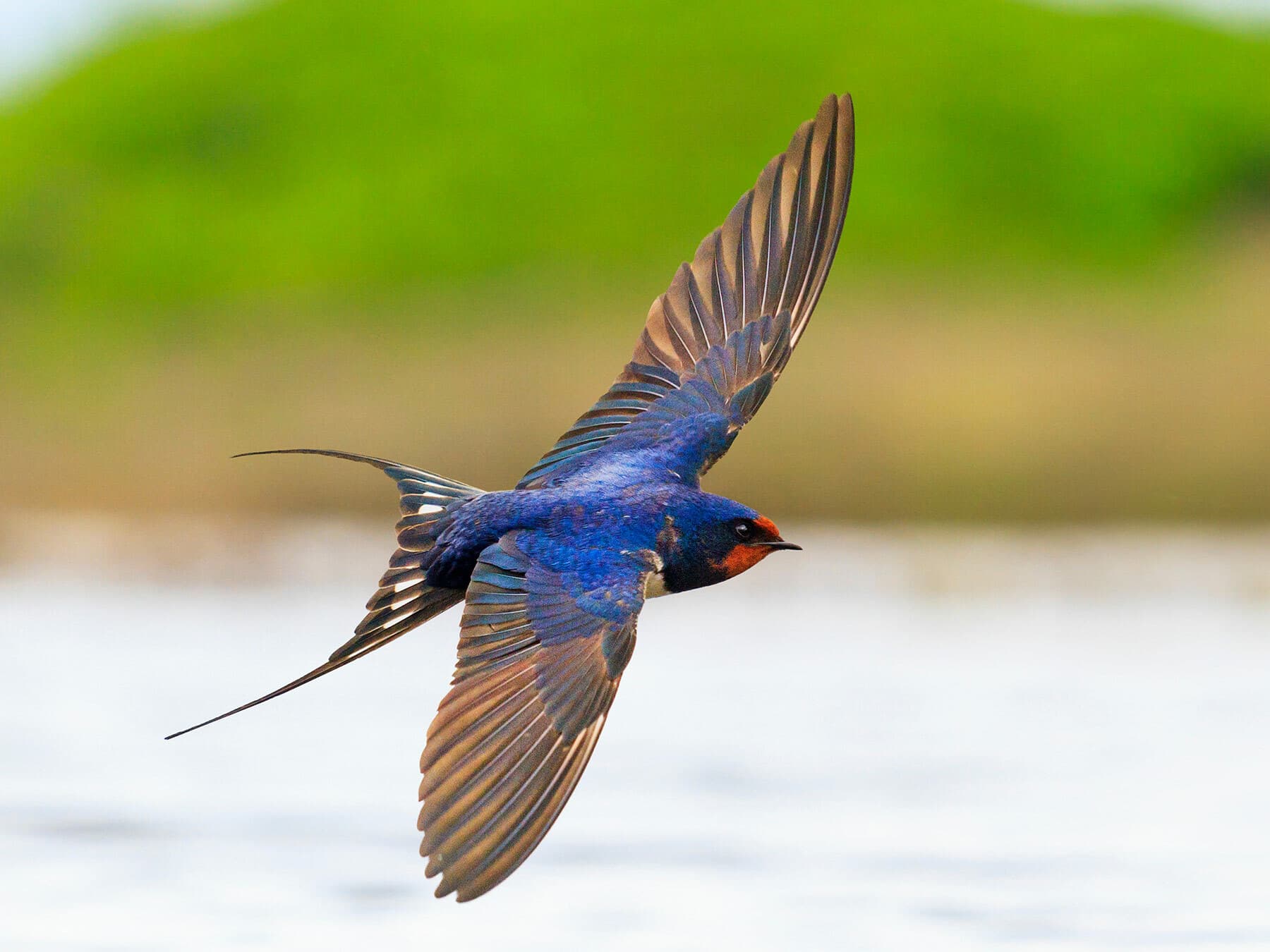
In the bird world, migration is rarely a simple binary of staying or leaving. While obligate migrants like the Barn Swallow are hardwired to leave the UK entirely before winter sets in, and strict residents like the European Robin will fiercely defend the same patch of garden all year round, partial migrants employ a mixed strategy. Within a single British woodland, some Goldfinches will remain all winter, while others from the exact same flock will fly hundreds of miles south.
This split strategy is highly opportunistic. Goldfinches do not possess a genetic imperative to reach a specific African wintering ground. Instead, their movements are dictated by the search for food. If the weather remains mild and seeds are plentiful, a larger percentage of the population will stay put. If a harsh frost kills off the natural seed crop, those same birds may suddenly decide to pack up and head south. This flexibility ensures that a sudden, severe winter won't wipe out the entire breeding population.
Did You Know?
Where Do Migrating Goldfinches Go?
Ringing recoveries by the British Trust for Ornithology (BTO) have revealed a clear flight path for the UK’s migrating Goldfinches. Bird ringing involves fitting a tiny, uniquely numbered metal band to a bird's leg. If that bird is later caught or found by another ringer, its journey can be accurately mapped. Thanks to this data, we know that as autumn sets in, a significant portion of the breeding population heads south or south-east, crossing the English Channel.
Their primary wintering destinations are France, Belgium, and Spain, with a small number of ringed birds recorded as far south as Morocco. A Goldfinch leaving a breeding territory in northern England can travel up to 900 miles to reach the Iberian Peninsula.
Got a photo of a bird you can't identify?
Upload a photo and find out what it is in seconds — no account needed
Identify a BirdUnlike many migratory species that return to the exact same wintering territory year after year, Goldfinches operate as nomads. They do not have strict winter territories to defend. Instead, they move constantly in search of the best seed crops. If a migrating flock finds an abundant supply of alder or birch seeds in northern France, they will stop and spend the winter there. If that food source runs out by January, they simply take to the air and continue flying south until they find the next meal.
The Gender Divide: Why Females Leave and Males Stay
The decision to migrate or stay put is not entirely random; it splits sharply along gender lines. BTO ringing data shows that female Goldfinches are significantly more likely to migrate to southern Europe than males.
This fascinating divide is driven by a combination of competition and breeding strategy. During the winter, food is scarce, and Goldfinches must compete for access to seed heads and feeders. Because male Goldfinches are slightly larger and more dominant, females often leave the UK early to avoid this competition entirely. By migrating to Spain or France, females secure a reliable food source without having to fight for it.
The males, meanwhile, have a strong incentive to risk the British winter. By staying close to their breeding grounds, they ensure they are first in line to claim the best nesting territories when spring arrives. This means a flock of Goldfinches wintering in a Spanish olive grove will be disproportionately female, while a flock huddled in a snowy Yorkshire garden will be disproportionately male.
Timing the Journey: When Do They Leave and Return?
The southward migration begins with a period of late summer dispersal. After the breeding season concludes, Goldfinches gather in large, chattering flocks. These flocks roam the countryside, feeding heavily to build up fat reserves. The main migration across the Channel happens in September and October.
Goldfinches are diurnal migrants, meaning they fly during the day. Their bounding flight and constant twittering make them relatively easy to spot as they move along the southern coastlines, waiting for favourable winds before crossing the water.
The return journey kicks off in early spring. Migrating birds begin arriving back on British shores in March, with the influx continuing through April. Because they migrate in stages, stopping to feed for days at a time, their arrival is less sudden than that of summer migrants.
Post-Breeding Dispersal: Summer Movements
Before the true autumn migration begins, Goldfinches undertake a period of localized movement known as post-breeding dispersal. During the height of summer, adult birds are exhausted from the demands of raising multiple broods, and the newly fledged juveniles need to learn how to forage.
If you notice a sudden drop in the number of Goldfinches visiting your garden in July or August, they haven't migrated yet. Instead, they have likely moved out into the wider countryside to take advantage of the late summer bounty. This is the time when natural food is at its absolute peak.
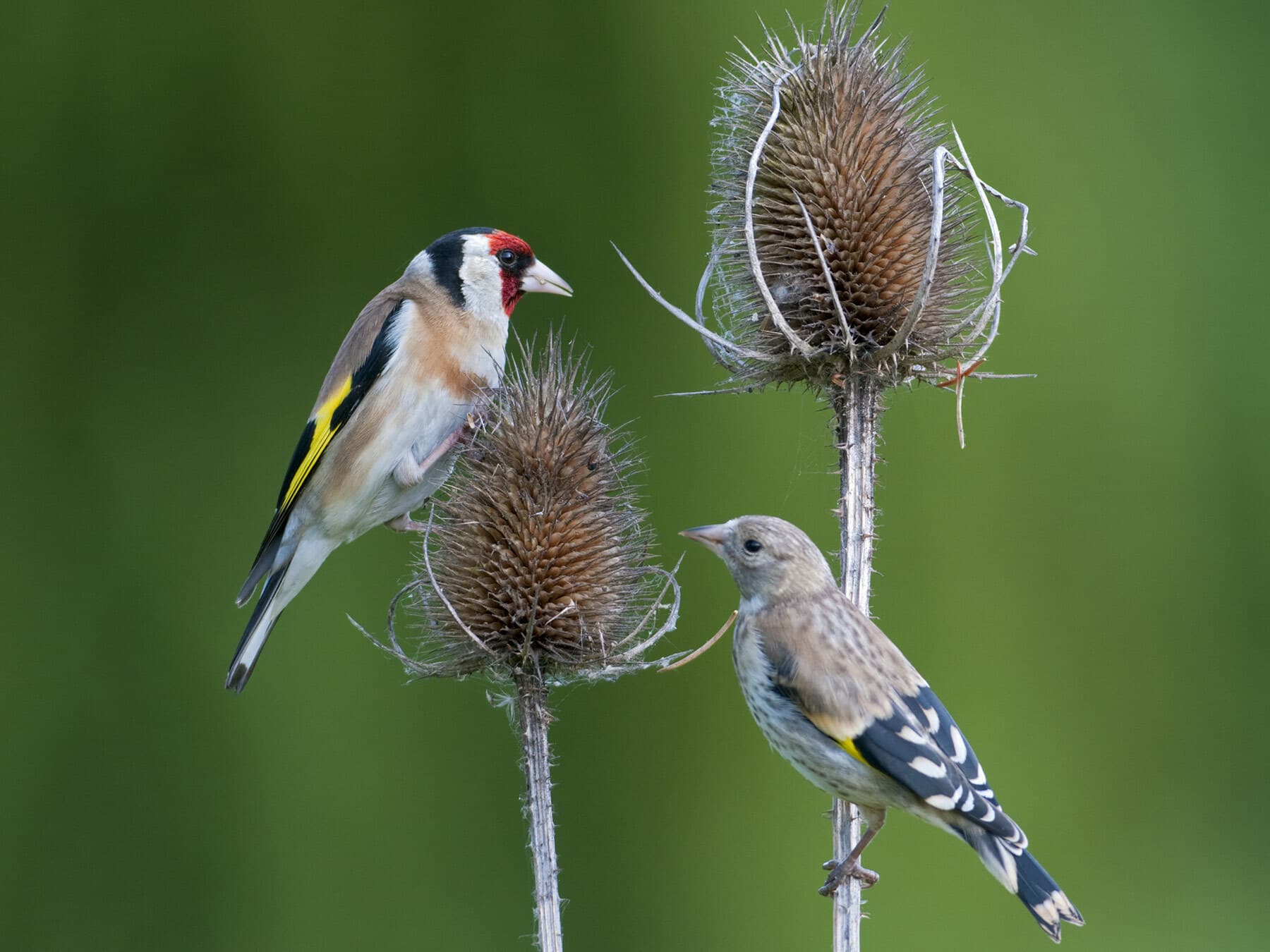
Thistles, dandelions, and knapweed are setting seed in meadows, verges, and wasteland. The birds abandon garden feeders in favour of these natural, oil-rich seeds, which provide the vital nutrition needed to complete their late-summer moult before the colder weather sets in. Once the natural seed crop begins to dwindle in late autumn, they will return to gardens or begin their journey south.
The Winter Influx: Continental Visitors to the UK
The Goldfinch you see on your garden feeder in January might not be the same bird that nested in your hedge in June. While many of our breeding birds are sunning themselves in Spain, the UK simultaneously acts as a winter refuge for Goldfinches from colder climates.
As temperatures plummet across Scandinavia and Northern Europe, flocks of continental Goldfinches cross the North Sea to take advantage of Britain’s relatively mild maritime climate. To a bird escaping the deep freeze of a Norwegian winter, the UK offers a much better chance of survival. This two-way traffic means the total number of Goldfinches in the UK during winter can actually remain quite stable, even though a large percentage of the population has completely swapped places.
The Nomadic Search for Winter Food
For the Goldfinches that do remain in the UK, winter is a constant hunt for calories. Their natural diet consists almost entirely of small seeds. They possess fine, tweezer-like bills perfectly adapted for extracting seeds from thistles, teasels, and dandelions. They are one of the few small birds light enough to balance on a flimsy teasel stem while feeding.
When these herbaceous plants die back or are flattened by winter weather, they turn to the seeds of alder and birch trees, often hanging upside down from the thinnest twigs to reach the cones. If a seed crop fails or is covered by a heavy snowfall, resident Goldfinches are forced to move. They are highly nomadic in winter, moving from parish to parish or county to county. A flock might strip a patch of teasels bare in a matter of days before moving on, which explains why you might see dozens of Goldfinches in your garden one week and none the next.
How Garden Feeders Changed Goldfinch Behaviour
The way Goldfinches interact with the British winter has fundamentally shifted over the last three decades. Historically, agricultural intensification reduced the availability of natural weed seeds across the British countryside, making winter survival increasingly difficult. However, the widespread introduction of supplementary feeding provided a reliable, high-energy alternative that perfectly mimics their natural diet.
Did You Know?
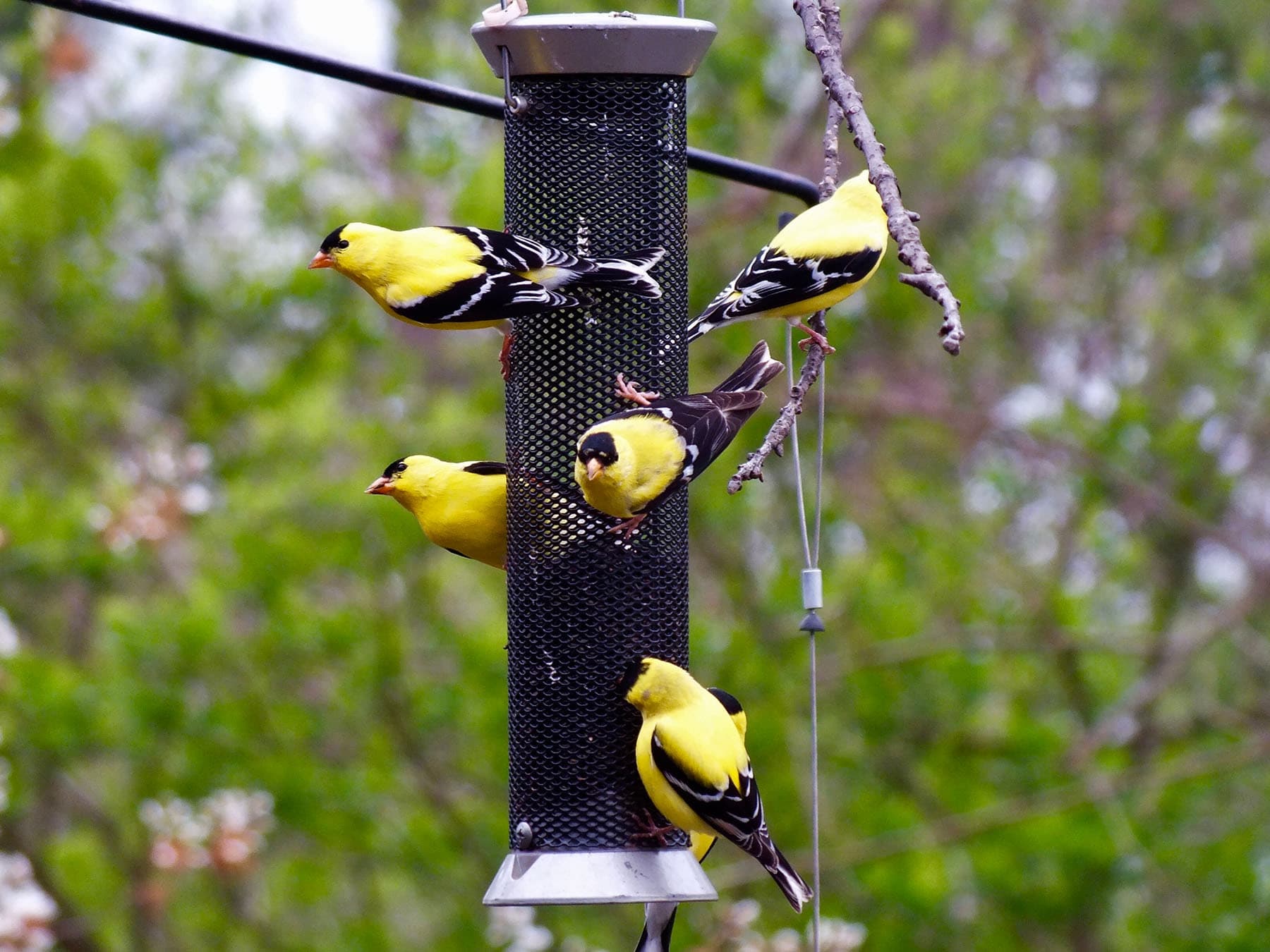
Nyjer seed is particularly important. It is rich in fat — up to 40% — and provides the essential calories needed to survive freezing nights. Because this food source is reliable and doesn't get buried by snow, more Goldfinches are choosing to skip the perilous Channel crossing and stay in the UK. Providing these specific seeds in specialized, small-port feeders is the most effective way to support both resident birds and exhausted continental migrants throughout the winter months.
Summary
European Goldfinches employ a flexible, highly successful winter strategy. By splitting their population between resident males holding territory, migrating females seeking warmer climates, and incoming continental birds escaping the deep freeze, the species ensures its survival across a massive geographical range. Whether they travel 900 miles to a Spanish olive grove or simply move two streets over to a well-stocked garden feeder, their movements are entirely dictated by the search for their next meal.
Identify Any Bird Instantly
- Upload a photo from your phone or camera
- Get an instant AI identification
- Ask follow-up questions about the bird
Monthly Birds in Your Area
- Personalised for your location
- Seasonal tips and garden advice
- Updated every month with new species
Associated Species
Related Articles
Female European Goldfinches: A Complete Guide
European Goldfinch Nesting (Behaviour, Location, Eggs + FAQs)
What Do European Goldfinches Eat? Diet, Seeds & Garden Feeding Guide
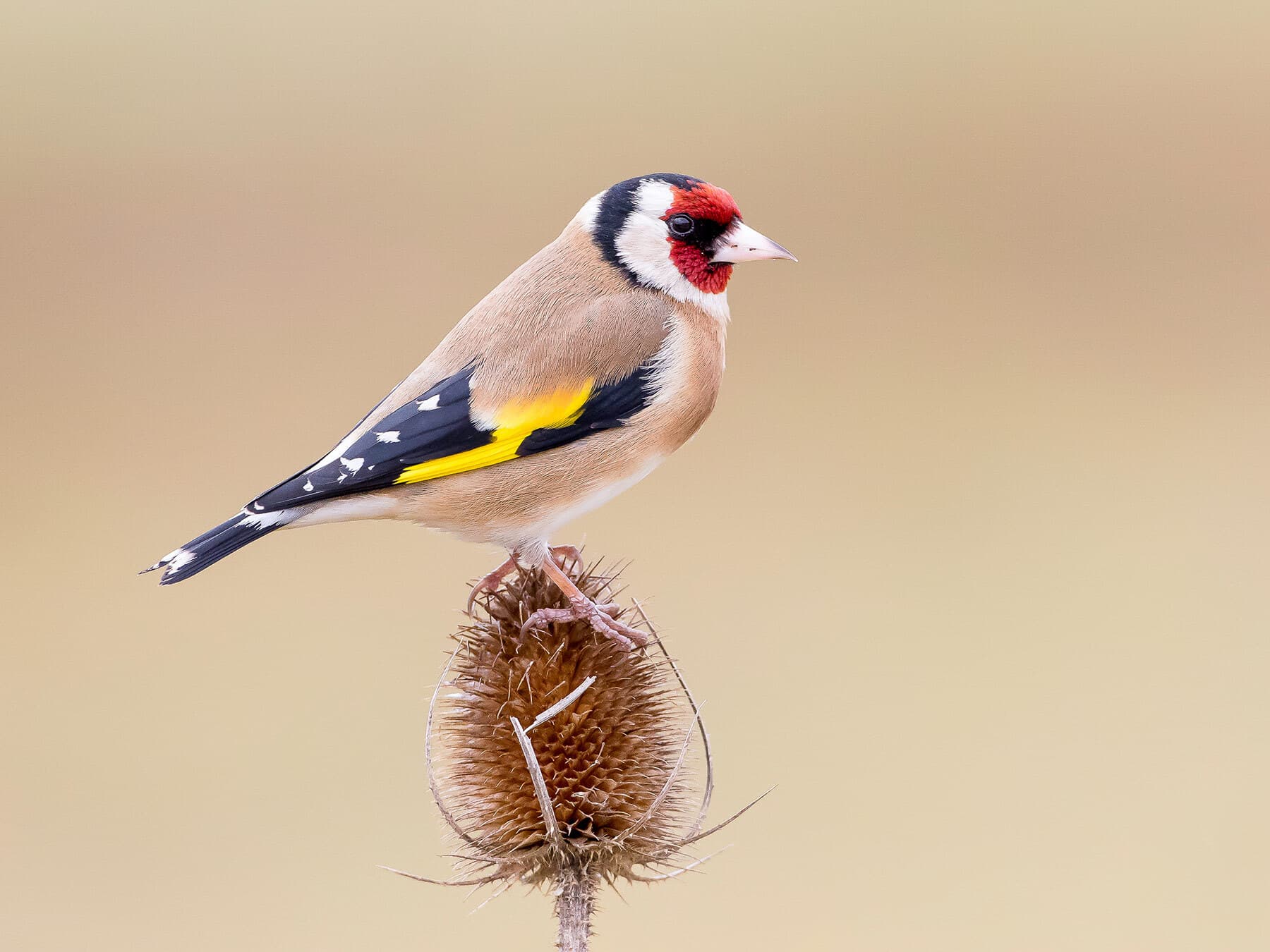
Discover what European goldfinches eat in the wild and in your garden. From thistles and niger seeds to sunflower hearts and insects, learn exactly how to feed goldfinches year-round.