Facts · Updated 10 Mar 2026
Do Birds Fart? The Science Behind Avian Digestion and Gas
By the Birdfact teamChecked by Nathan Cope
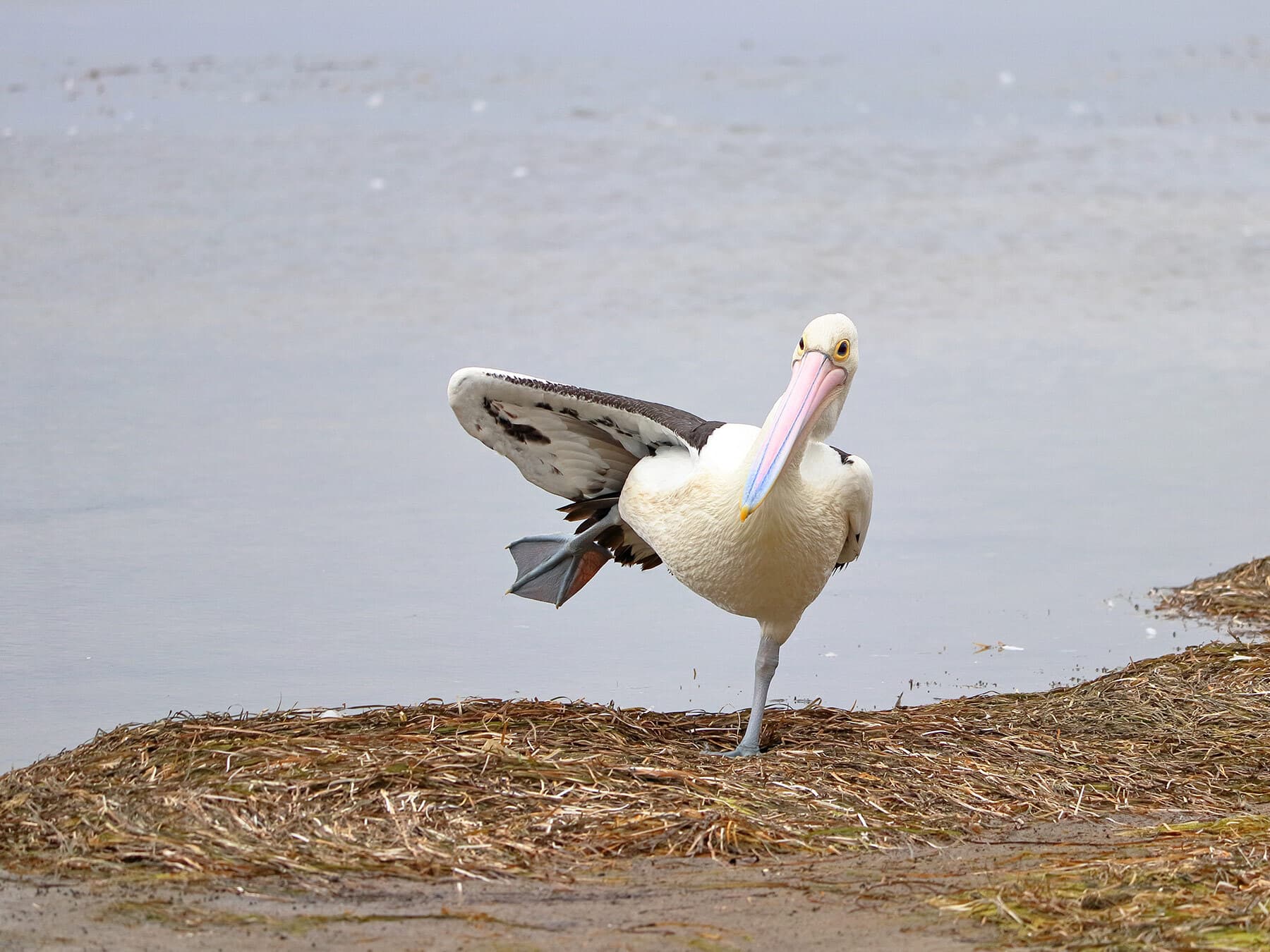
We all know birds poop. A pigeon can leave a messy reminder on a freshly washed car in seconds, and seabird colonies produce so much guano it can be seen from space. But despite this prolific output of waste, you will almost never hear a bird pass gas.
The short answer to whether birds fart is no. While they possess the anatomical plumbing to expel air from their rear ends, the vast majority of bird species simply do not produce intestinal gas. The reasons why come down to the evolutionary demands of powered flight and a digestive system that prioritises speed over fermentation.
Built for Speed, Not Fermentation
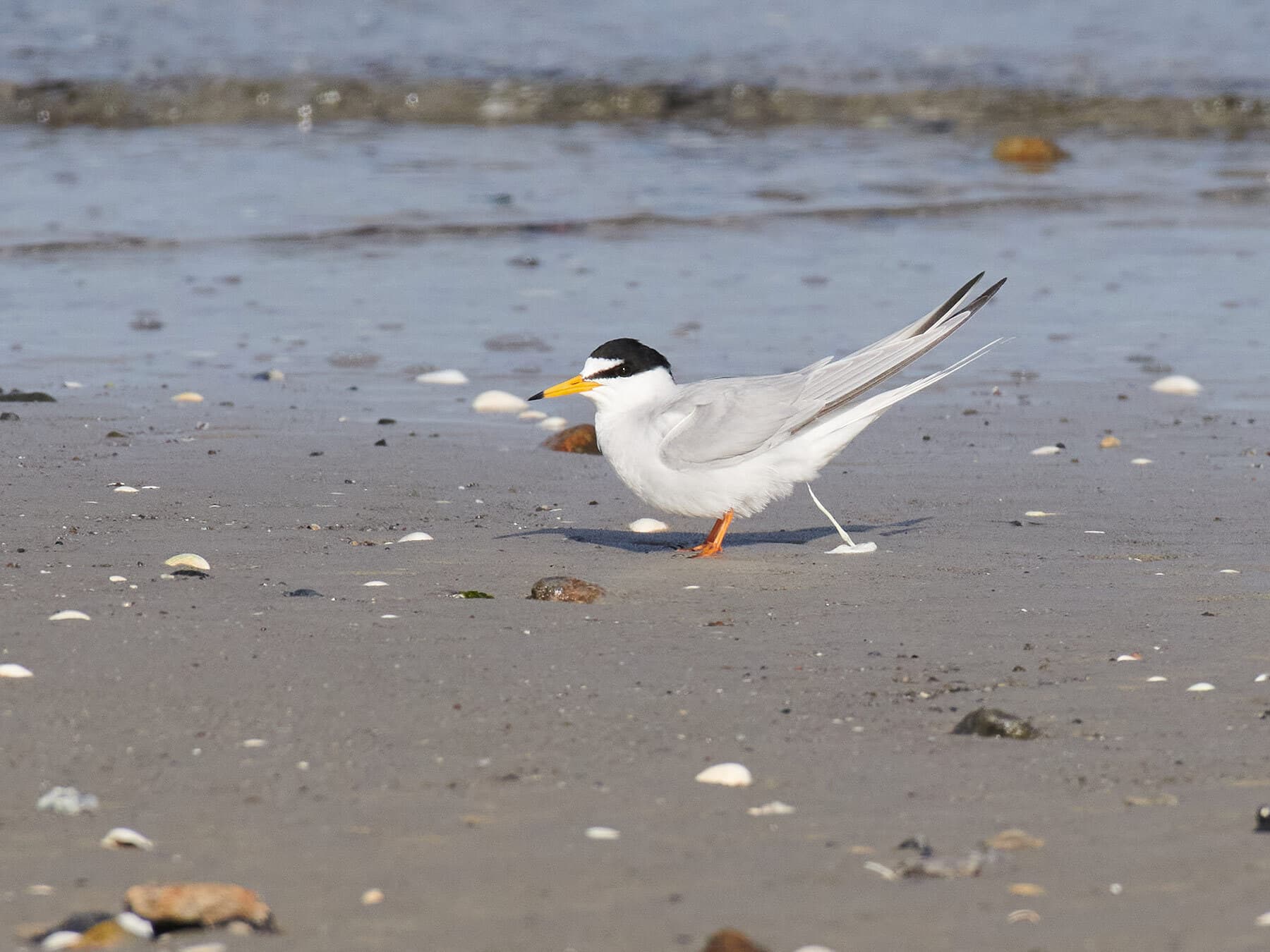
A bird’s digestive tract is remarkably short compared to a mammal of similar size. Carrying around a heavy load of digesting food requires extra energy, which directly conflicts with the aerodynamic demands of flying. To stay light, birds process their meals incredibly quickly. A berry eaten by a thrush might pass completely through its system in just 30 minutes, whereas a human meal takes anywhere from 24 to 72 hours to digest.
Because food moves through their system at such a rapid pace, there is simply no time for it to sit and ferment. In mammals, flatulence is a byproduct of gut bacteria breaking down complex carbohydrates over many hours. Birds lack these specific gas-producing bacteria, known as methanogens, in their digestive tracts. Without the bacteria and the time required for fermentation, gas does not build up.
When a bird does expel waste, it all happens at once. Birds do not have separate exits for urine and faeces. Their kidneys extract nitrogenous waste from the bloodstream and convert it into uric acid — the white, chalky paste you see in bird droppings. This uric acid mixes with solid waste from the intestines in a single chamber called the cloaca, before being expelled simultaneously through the vent. This highly efficient, all-in-one disposal system leaves no room for trapped pockets of air.
The Bassian Thrush and the 'Vent-Dipping' Myth
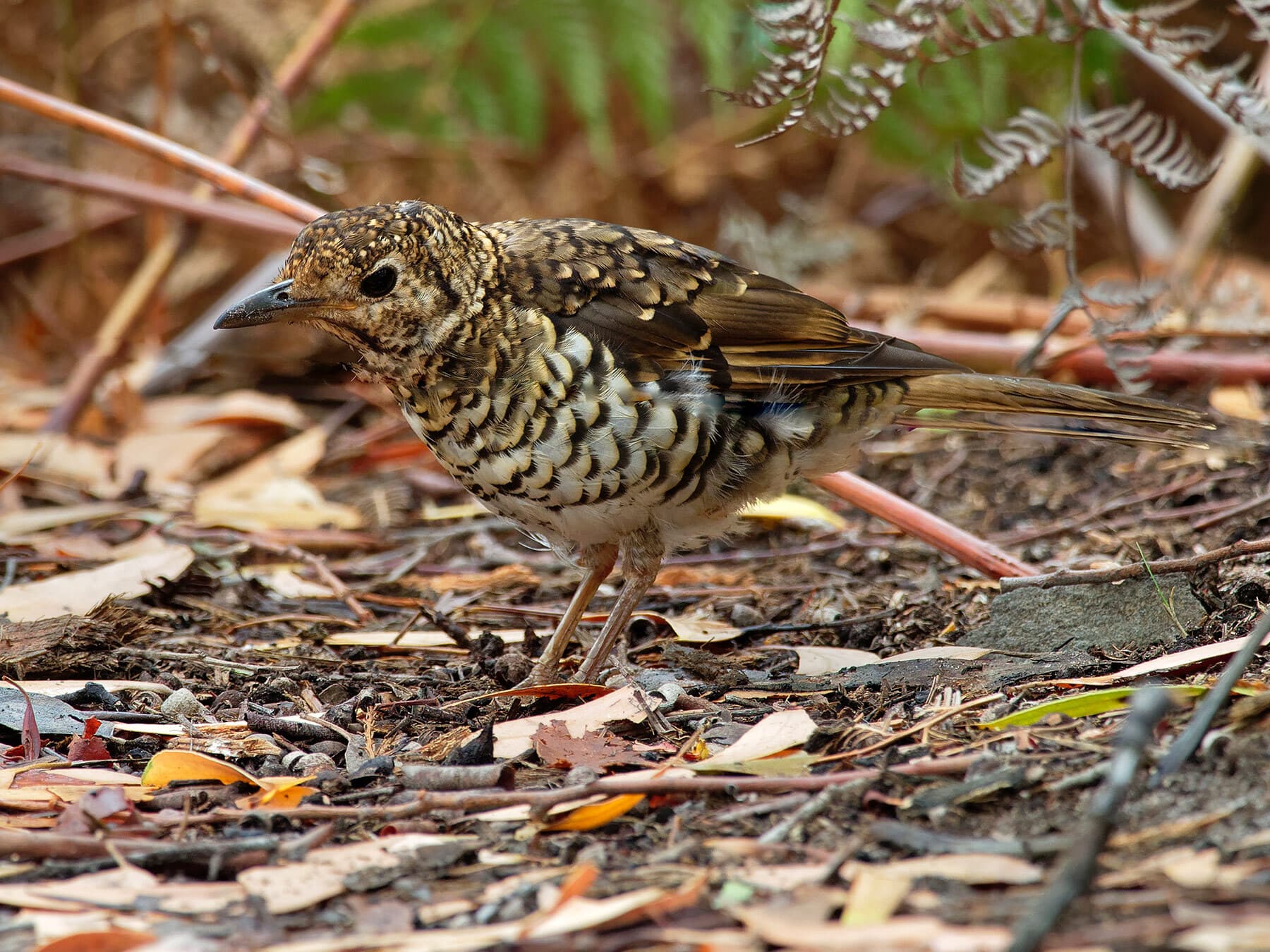
If you search online for farting birds, you will inevitably encounter the Bassian Thrush. This secretive Australian ground bird is widely rumoured to locate earthworms by repeatedly farting at the leaf litter, startling its prey into moving and revealing their position.
The truth behind this behaviour is documented in a 1983 study by ornithologist J.S.L. Edington, who observed the species (then known as White’s Thrush) foraging in South Australia. Edington noted that the bird would stop, point its head down, and produce a noise "similar to a jet of air" that was clearly audible from five metres away.
Crucially, this sound coincided with a sharp downward movement of the bird's rear end, which Edington termed "vent-dipping". Rather than actual flatulence, researchers believe the thrush uses a mechanical movement to force a puff of air against the ground. This sudden disturbance acts as a scare tactic, triggering a reflex in earthworms that causes them to twitch, giving away their location to the waiting bird.
The Chicken Exception
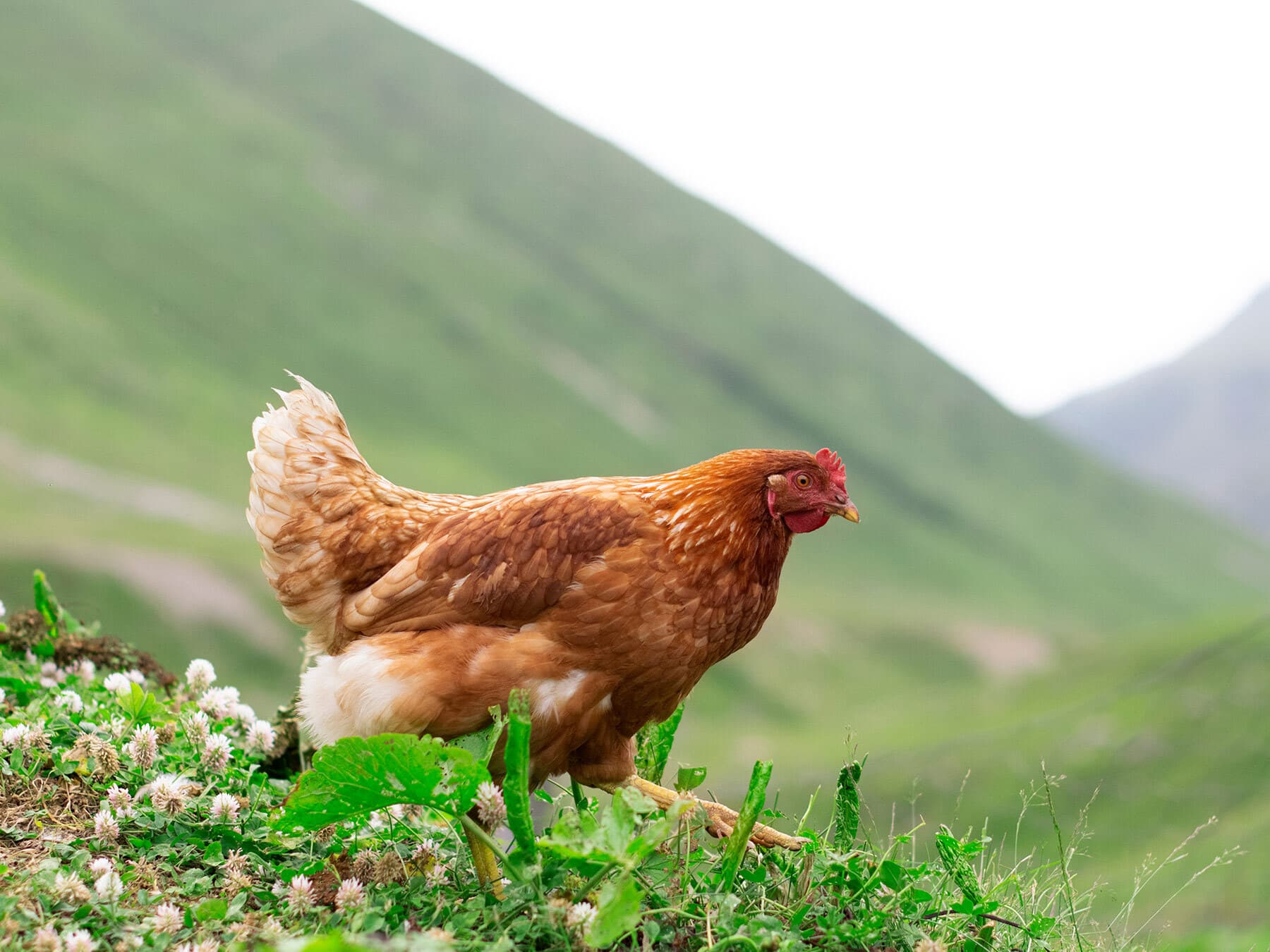
While wild flying birds avoid gas buildup, domestic chickens break the rule. As ground-dwelling birds that rarely fly, chickens — descended from the Red Junglefowl — can afford to carry more weight in their digestive tracts.
Chickens possess two large, pouch-like structures called ceca attached to their lower intestines. Food material enters these ceca and sits there to ferment, allowing the bird to extract maximum nutrition from tough plant fibres. Because this process relies on bacterial fermentation, it produces gas as a byproduct. The longer food stays in the digestive tract, the more time bacteria have to break it down and release methane and hydrogen sulphide.
Chicken keepers frequently report foul-smelling emissions from their flocks, particularly when the birds are fed gas-producing scraps like beans, cabbage, or broccoli. While they may not produce the loud, resonant sounds associated with mammalian flatulence, chickens do technically pass gas.
Burping and Mimicry
Since birds do not produce much intestinal gas, they rarely need to burp. Avian veterinarians note that while a bird is physically capable of expelling air from its mouth or crop, it is an uncommon occurrence usually linked to swallowing air rather than digestion. Some species, like vultures, will deliberately regurgitate their food as a defence mechanism when threatened, but this is a forceful expulsion of solids and liquids, not a release of gas.
However, if you hear a bird passing wind in your home, it might just be putting on a show. Parrots are master mimics, capable of altering the depth and shape of their syrinx (the avian vocal organ) to replicate almost any sound in their environment.
Grey Parrot
Psittacus erithacus
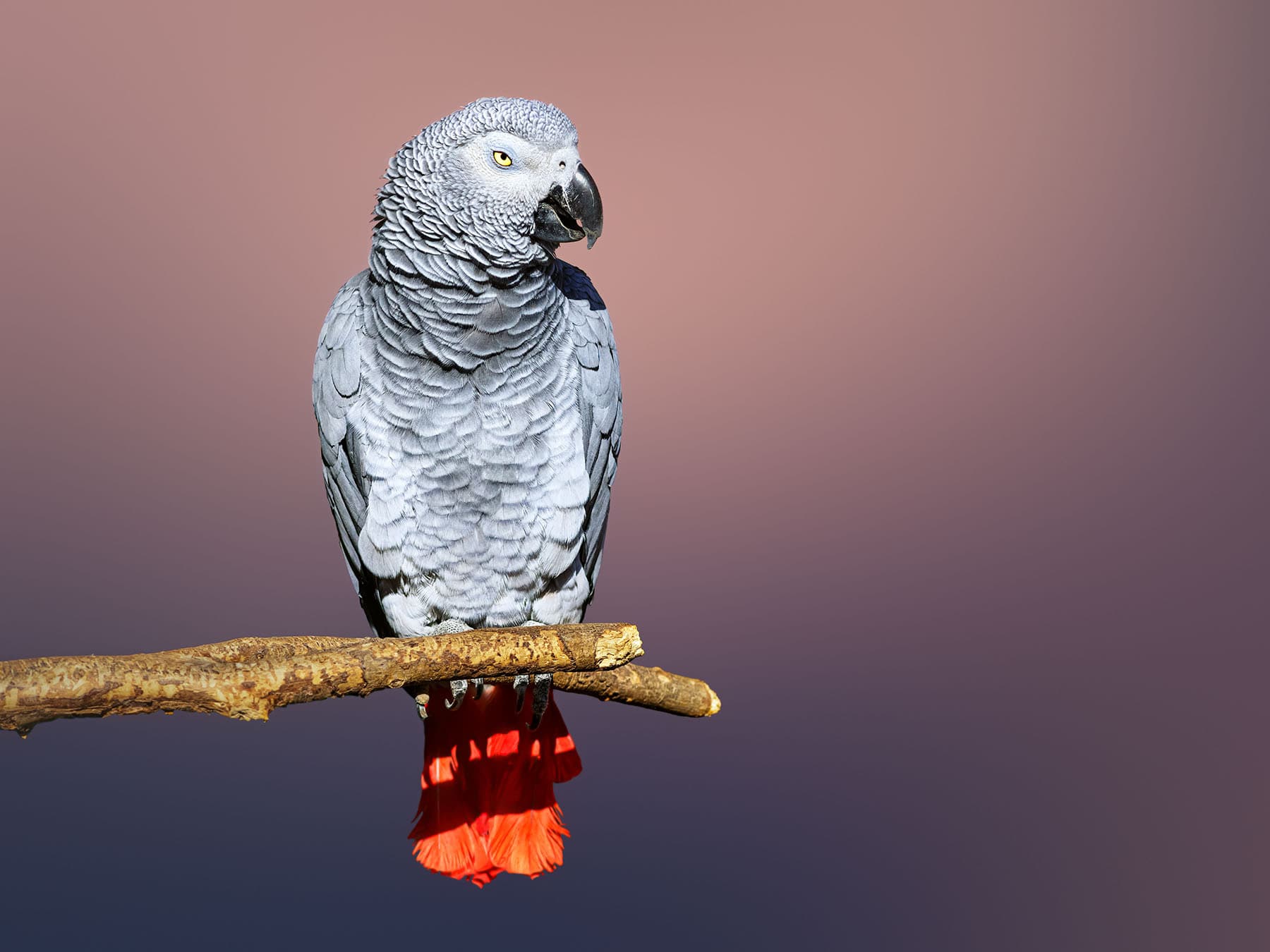
This brainy African native, with its ash-grey feathers and scarlet tail, has charmed bird lovers worldwide with its uncanny ability to mimic human speech.
The Grey Parrot is particularly adept at this. Known for their vast vocabularies and contextual understanding, these highly intelligent birds frequently learn to mimic the sounds of ringing phones, barking dogs, and human bodily functions. If a parrot hears a fart and observes a reaction from its owners, it will happily add the noise to its repertoire, producing perfect comedic timing without a single bubble of intestinal gas.